
You want to learn faster and remember more. So you ask the big question. What are the best ways to learn?
Here is the good news. Learning is a skill. And like any skill, the right methods make it far easier.
Most students never get taught how to learn. They just reread and hope. That slow path wastes hours.
This guide shows the best, science-backed ways to learn. Use them, and study time shrinks. As we say, work smarter, not harder.

What are the best ways to learn?
The best methods share one trait. They make your brain do the work, not just your eyes.
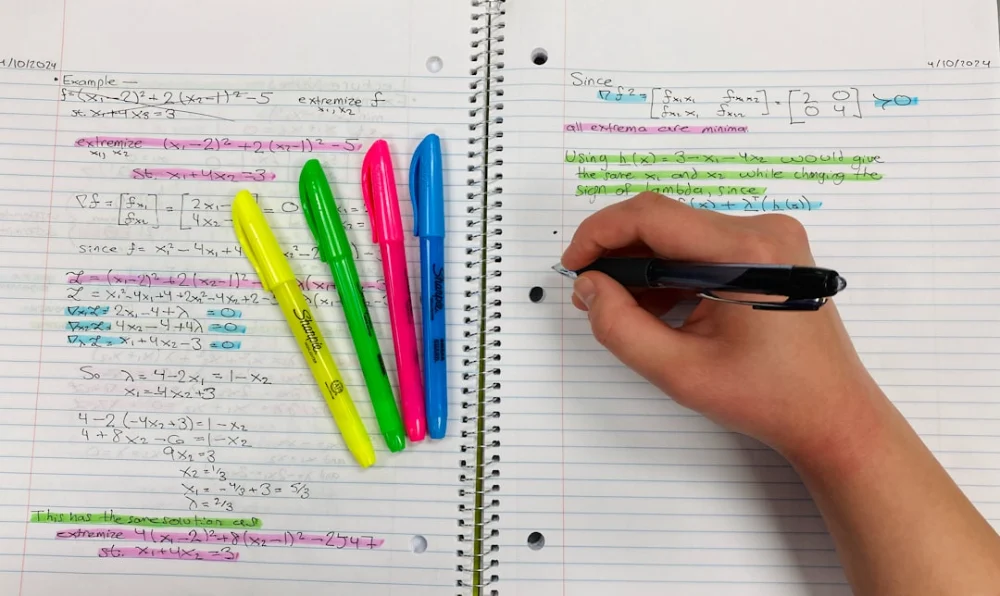
Reading and highlighting feel busy. But they are passive. Little sticks, and your time slips away.
Active methods flip this. You pull facts from memory, teach ideas, and mix up topics. That effort builds strong, lasting memory.
So the best ways to learn are active, spaced, and tested. Master these, and any subject gets easier.
Did you know?
Spacing your study over several short sessions beats one long cram. Your brain locks facts in deeper each time you return to them after a break.
The best ways to learn, step by step
These methods work for any subject. Start with one, then stack the rest as habits.
Notice the theme? Every step makes your brain work. That effort is exactly what builds real learning.
Why these methods work
These are not just tips. They rest on real science of memory. Two ideas do most of the lifting.
The first is active recall. Pulling an answer from memory builds a strong path to it. Rereading builds almost none.
The second is spaced repetition. Reviewing at growing gaps fights forgetting. Each return locks the fact in deeper.
Add teaching and mixing on top, and learning speeds up. You do more in less time, with less stress.

Daily habits of strong learners
Great methods need great habits around them. These small daily moves keep your learning sharp.
See the pattern? Test, space, teach, and rest. That simple loop turns any student into a fast learner.
Want tools that make active recall easy? Turn your notes into quiz cards with a free study guide made with AI, then drill them daily.
Mistakes that slow your learning
Some habits quietly hold you back. Drop these, and your learning speeds up on its own.
The first is rereading everything. It feels safe but teaches little. Test yourself instead.
The second is highlighting whole pages. A colorful page is not memory. Recall is.
The third is cramming one long night. Your brain forgets fast that way. Space it out over days.
The last is studying with the phone nearby. It splits your focus. Put it in another room.
Frequently asked questions

What are the best ways to learn?
Use active recall, spaced repetition, teaching others, and mixing topics. These active methods build strong, lasting memory.
What is the single most effective way to learn?
Active recall. Testing yourself builds memory far faster than rereading or highlighting ever will.
How can I learn faster?
Swap passive reading for active methods. Test, teach, and space your reviews over several days.
Does teaching others really help me learn?
Yes. Explaining an idea in simple words shows your gaps at once, so you fix them fast.
How long should I study at a time?
About 30 to 50 minutes, then a short break. Focused blocks beat long, tired marathons.
Is rereading a bad way to learn?
It is weak on its own. Pair light reading with active recall, and your memory jumps.
Want faster study tricks too? See how to study 10X faster and the 80/20 rule for studying.
So, what are the best ways to learn? Test yourself, space your reviews, teach ideas, and mix your topics.
Pick one method and start today. Add the next tomorrow. Soon, learning anything will feel far easier and faster.