
Good health rarely comes from one perfect meal. It grows from small daily habits instead. So what are the 12 foods you should eat every day? Most people overthink this simple question.
Rather than chasing trendy diets, focus on steady basics. These foods are common and easy to find. They fit most budgets and busy schedules. They also support a balanced diet without much effort.
Here is the honest answer. No single food list guarantees perfect health. Still, some foods deliver strong daily value. Think leafy greens, berries, nuts, and beans. Add yogurt, eggs, fish, and whole grains. Round it out with seeds, avocado, and olive oil.
This guide covers each food and why it helps. You will see simple ways to use them. We will bust a few common myths too. Many of these foods are also high in fiber.
So what are the 12 foods you should eat every day?

The honest answer is short and calm. Aim for leafy greens, berries, nuts, and seeds. Add whole grains, beans, yogurt, and eggs. Then include fatty fish, cruciferous vegetables, avocado, and olive oil. Together these twelve foods cover most daily needs.
Think of these foods as a friendly team. Each one brings its own strength to the table. No single player carries the whole game.
Do you need all twelve every single day? Not always, and that is perfectly fine. Aim for most of them across the week.
Why everyday eating beats the occasional health kick
Your body responds to patterns, not to one meal. A single salad will not fix a rough week. A steady rhythm does far more good. Small choices repeated daily really add up.
Crash diets often fade within a few weeks. They feel strict, dull, and hard to keep. Everyday foods feel normal and sustainable instead.
These twelve foods are easy to rotate and repeat. You can build simple meals around them. Boredom is the quiet enemy of good eating.
Did you know?
Many whole foods carry fiber, water, and nutrients together. That mix helps you feel full on smaller portions.
Leafy greens for a strong daily base
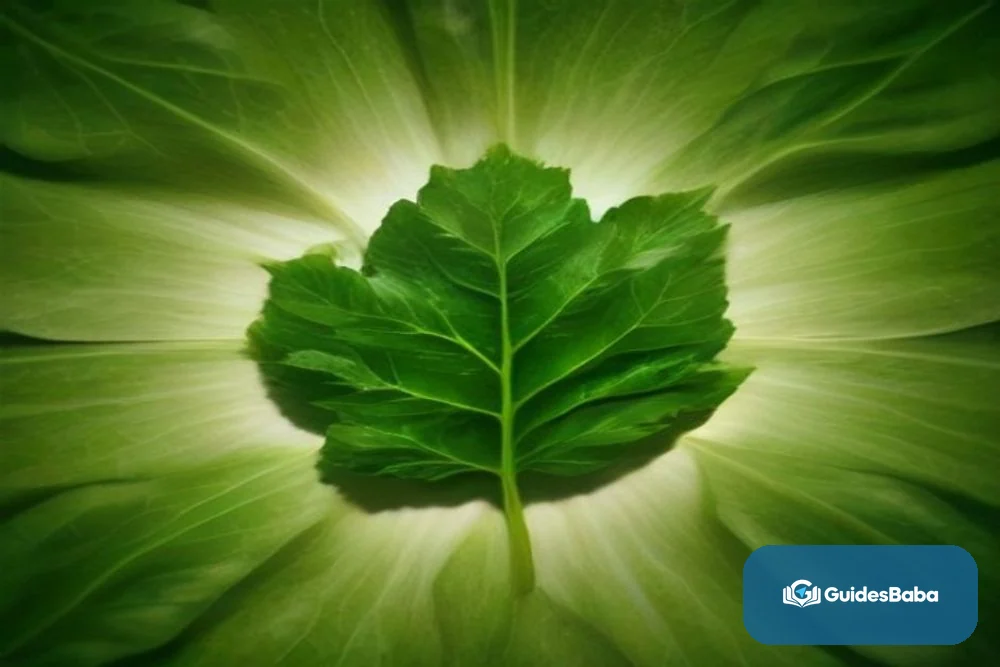
Leafy greens are a smart place to begin. Think spinach, kale, romaine, and lettuce. They are light, fresh, and easy to add.
Greens bring vitamins, minerals, and gentle fiber. They fill your plate without heavy calories. You can toss them raw or cook them fast. Both ways keep meals lively.
Add greens to eggs, soups, or a quick wrap. A base of spinach makes any bowl better. Keep a bag washed and ready to grab.
Berries and their everyday appeal
Berries are nature’s sweet little treat. Think blueberries, strawberries, and raspberries. They taste great and travel well. A small bowl brightens any morning.
Berries carry fiber and helpful plant compounds. They satisfy a sweet craving without much fuss. Frozen berries work just as well as fresh.
Stir berries into yogurt or oats each morning. Toss a few into a simple salad too. They add color, flavor, and a gentle sweetness.
Nuts and seeds for lasting fuel
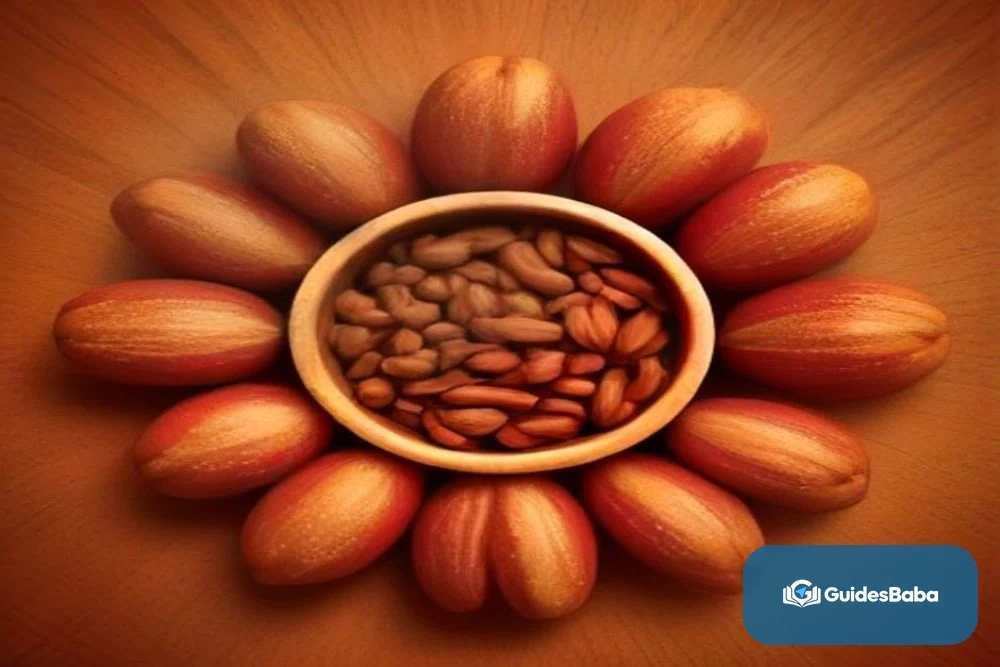
Nuts and seeds are tiny but mighty foods. Think almonds, walnuts, chia, and flax. A small handful keeps hunger away for hours.
These foods bring healthy fats, protein, and fiber. That combination gives you steady, calm energy. They pair nicely with fruit or plain yogurt. A little goes a long way.
Watch your portion, since these foods are rich. A small palmful is usually plenty. Sprinkle seeds over salads, oats, or soup.
Whole grains for steady energy
Whole grains give you slow, lasting fuel. Think oats, brown rice, and whole wheat. They keep energy steadier than refined grains.
Whole grains keep the bran and germ intact. That means more fiber and more nutrients. They also help you feel full longer. Fullness makes healthy eating easier.
Swap white rice for brown when you can. Start your day with a warm bowl of oats. Small grain swaps build up over time.
Beans and lentils for plant protein
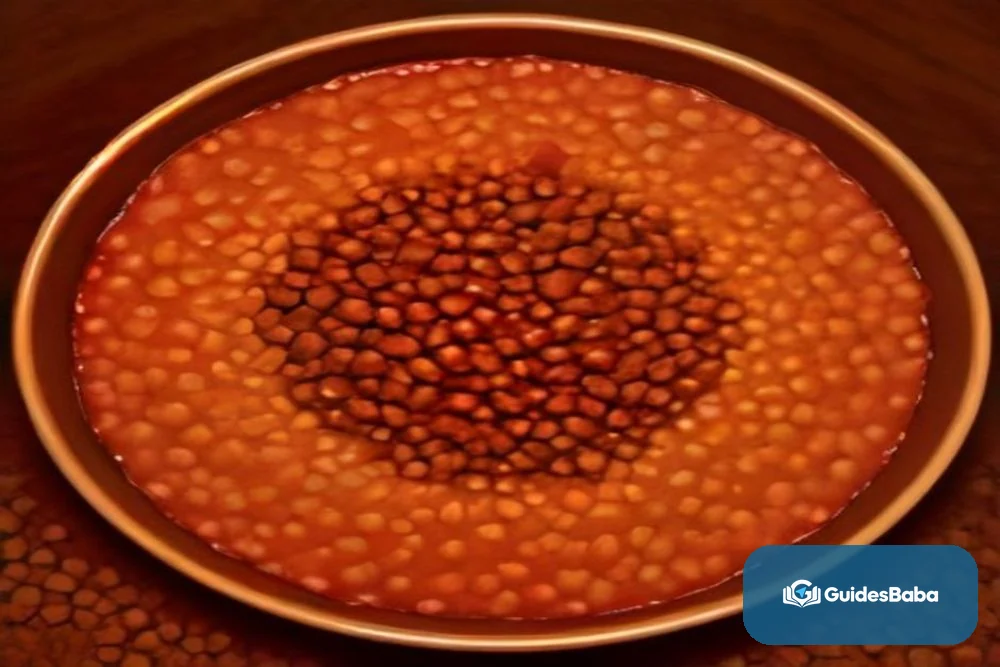
Beans and lentils are humble kitchen heroes. Think chickpeas, black beans, and red lentils. They are cheap, filling, and easy to store.
These legumes bring protein and plenty of fiber. That pairing keeps you full and satisfied. They also work in many world cuisines. Variety keeps the habit from feeling dull.
Add beans to soups, salads, and simple stews. Canned beans make weeknight cooking fast. Rinse them well before you cook.
Yogurt and everyday gut support
Yogurt is a friendly daily food. Plain, unsweetened yogurt is the smart pick. It brings protein and helpful live cultures. Those cultures may support gut comfort.
Choose yogurt without heavy added sugar. You can sweeten it yourself with fruit. A spoon of berries does the job well.
Use yogurt at breakfast or as a snack. It also works as a creamy sauce base. Keep the plain kind on hand.

Fatty fish for healthy fats

Fatty fish brings a special kind of fat. Think salmon, sardines, and mackerel. These fish supply omega-3 fats your body values.
Fish also gives you quality protein. That helps with fullness and daily repair. Canned fish is affordable and quick. It makes a simple, budget-friendly meal.
Aim for fish a couple of times weekly. Grill, bake, or flake it into a salad. Keep a can in the cupboard for busy days.
Eggs as a simple daily food
Eggs are one of nature’s tidiest packages. They are cheap, quick, and very versatile. One egg carries protein and useful nutrients.
Older fears about eggs have softened over time. For most people they fit a healthy diet. Pair them with vegetables for a full plate. Balance is the real goal.
Scramble, boil, or poach them to taste. A boiled egg makes a perfect grab snack. Keep a few cooked in the fridge.
Cruciferous vegetables worth a spot
Cruciferous vegetables deserve a regular place. Think broccoli, cauliflower, and cabbage. They bring fiber and useful plant compounds.
These vegetables are filling and low in calories. They round out a plate with real substance. Roasting brings out a sweeter, nuttier taste. That trick wins over picky eaters.
Steam, roast, or stir-fry them quickly. Add them to grain bowls and soups. A little olive oil helps them shine.
Avocado and olive oil for good fats
Not all fats deserve a bad name. Avocado and olive oil offer good ones. These fats support flavor and satisfaction.
Avocado adds creaminess without any dairy. Spread it on toast or fold it into salads. A little brings a lot of texture.
Olive oil is a smart everyday cooking fat. Drizzle it over vegetables and grains. It carries flavor and helps you absorb nutrients. Use it in place of heavier fats.
Whole foods versus quick processed picks

People often ask how these foods stack up. The honest comparison is about approach, not brands. Whole foods and processed picks serve different roles.
| Whole foods approach | Processed picks approach |
|---|---|
| Fiber and nutrients stay mostly intact | Fiber and nutrients are often reduced |
| Keeps you full on smaller portions | Easy to overeat between meals |
| Little or no added sugar and salt | Often high in added sugar and salt |
| Needs a bit more prep time | Fast and ready with no effort |
Processed foods are not always the enemy. They can help on busy or tired days. Just let whole foods lead most of the time.
How to fit twelve foods into one day
Fitting twelve foods sounds hard at first. In practice it is quite simple. One meal can hold several of them.
Picture a breakfast of yogurt, berries, and seeds. That is three foods before you even leave home. Lunch might add greens, beans, and whole grains. The count climbs fast.
Dinner can bring fish, cruciferous vegetables, and olive oil. Snacks can cover nuts, eggs, and avocado. Suddenly all twelve fit a normal day.
Simple swaps that actually stick
Big diet overhauls tend to collapse quickly. Small swaps last far longer. Change one habit at a time.
Swap chips for a handful of nuts. Trade soda for water with fruit. Choose brown rice over white this week. Tiny moves build real momentum.
Keep the swaps easy and pleasant. A change you enjoy is a change you keep. Do not aim for a perfect day.
Portion sense without strict counting
You do not need to weigh every meal. Simple hand cues work well enough. A palm of protein guides many plates.
Fill half your plate with vegetables and fruit. Give a quarter to protein foods. Save the last quarter for whole grains. This picture keeps balance easy.
Listen to your hunger and fullness signals. Eat slowly and pause between bites. Your body often knows the right amount.
Common mistakes people make daily
One common mistake is chasing perfection. Missing a food for a day is fine. Guilt only makes eating harder. Consistency matters far more than perfection.
Another mistake is drowning healthy foods in extras. Heavy sauces and sugar can undo the benefit. Keep dressings and toppings light. Let the real food shine.
Some people also forget about variety. Eating the same salad daily gets old fast. Rotate your greens, grains, and proteins.
Who might need to adjust this list
This list suits many healthy adults. Still, everyone has unique needs. Some people manage allergies or medical conditions. A general list cannot cover every case.
Pregnancy, illness, and certain diets change the picture. Some fish and foods need extra care then. Your doctor knows your situation best. Personal advice always beats a generic plan.
Use this list as a friendly starting point. Adjust it to fit your body and life. Learn which foods high in protein suit you. Make the plan truly yours.
Frequently asked questions
Do I really need all 12 foods every day?
No, you do not need every food daily. Aim for most of them across the week.
Can frozen fruits and vegetables count?
Yes, frozen produce is a great choice. It is often just as nutritious as fresh.
Are these foods good for weight goals?
These foods are filling and satisfying. They can support weight goals within a balanced diet.
What if I do not like fish?
You have other options for healthy fats. Nuts, seeds, and avocado are helpful alternatives.
Is yogurt okay if I avoid dairy?
Yes, plant-based yogurts can work well. Choose ones with little added sugar and simple ingredients.
How many servings of each food should I eat?
There is no single perfect number. Focus on variety and reasonable, comfortable portions.
Are eggs safe to eat every day?
For most healthy people, daily eggs are fine. Pair them with vegetables for balance.
Can I eat these foods on a budget?
Yes, many of these foods are affordable. Beans, oats, and eggs cost very little.
Do I need supplements with this diet?
Whole foods cover many needs on their own. Ask a professional before adding any supplements.
How fast will I feel a difference?
Everybody responds at a different pace. Give steady habits several weeks to show results.
The bottom line
So what are the 12 foods you should eat every day? Aim for greens, berries, nuts, and seeds. Add whole grains, beans, yogurt, and eggs. Finish with fish, cruciferous vegetables, avocado, and olive oil.
These foods form a calm, flexible daily base. They cover many of your essential nutrients naturally. You can also plan your servings of fruits and vegetables around them. Small habits truly do add up.
For more background, see this overview of a healthy diet. You can also read about whole foods and how they differ. Use trusted sources to guide your choices.
This is general information and not medical advice. See a professional for your personal needs. Start with one or two foods today. Your future self will thank you.