
Every health article seems to crown a different champion. One week it is kale, the next it is salmon. So what is the no. 1 healthiest food in the world? The honest answer surprises most people.
Rather than crowning one winner, it helps to ask what healthy means. A food can be rich yet still narrow. No single item covers every need. The best choices support a range of essential nutrients together.
Here is the honest answer. There is no true number one food for everyone. Still, a few foods top most expert lists. Dark leafy greens are a classic front-runner. Fatty fish, berries, and legumes also earn strong praise. The real winner is variety, not a single hero.
This guide covers the top contenders and their strengths. You will see what makes a food genuinely healthy. We will bust the superfood hype along the way. It pairs well with the foods to eat every day.
So what is the no. 1 healthiest food in the world?

The honest answer is calm and clear. No official body crowns one perfect food. If pushed, many experts point to dark leafy greens. Think spinach, kale, and similar greens. They pack many nutrients into very few calories.
Think of foods like players on a team. One star cannot win every match alone. Balance across the roster wins the season.
Is there really a single best food? Not for everyone, and that is fine. Your best food depends on your whole diet.
Why there is no single perfect food
Every food has strengths and blind spots. Greens are rich yet light on protein. Fish brings fats but not much fiber. No single item does it all.
Health also depends on your overall pattern. One amazing food cannot rescue a poor diet. The full plate matters more than any hero.
Your needs shift with age, activity, and health. A perfect food for one person may not suit another. Context always shapes the answer.
Did you know?
The word superfood is mostly a marketing term. No single food can replace a balanced pattern of eating.
The case for dark leafy greens
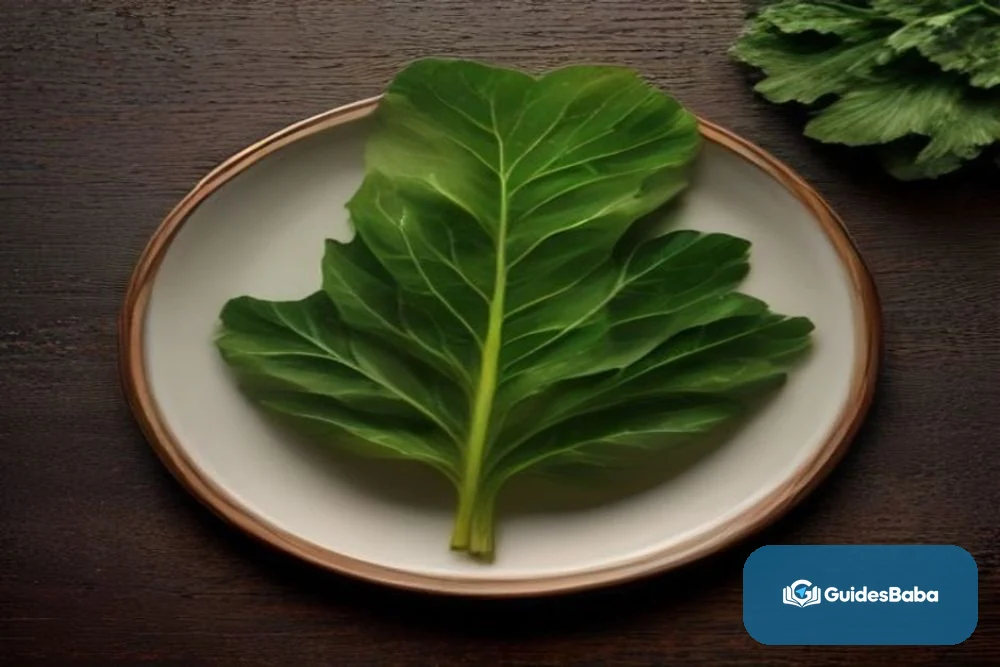
Dark leafy greens top many healthiest-food lists. Think spinach, kale, and collard greens. They deliver many nutrients for very few calories.
Greens bring vitamins, minerals, and gentle fiber. They fill your plate without heavy calories. You can eat them raw or cooked. Both ways keep meals lively. Cooking wilts them down into a small serving.
Add greens to eggs, soups, or a wrap. A base of spinach improves almost any bowl. Keep a washed bag ready to grab. A little effort here pays off daily.
The case for fatty fish like salmon
Fatty fish is another popular front-runner. Think salmon, sardines, and mackerel. These fish supply omega-3 fats your body values.
Fish also gives you quality protein. That helps with fullness and daily repair. Canned fish is affordable and quick. It makes a simple, budget-friendly meal.
Aim for fish a couple of times weekly. Grill, bake, or flake it into a salad. Keep a can handy for busy days. It turns a plain meal into a meal.
The case for berries

Berries earn a spot on most healthy lists. Think blueberries, strawberries, and raspberries. They taste great and travel well.
Berries carry fiber and helpful plant compounds. They satisfy a sweet craving without much fuss. Frozen berries work just as well as fresh. They also cost less out of season.
Stir berries into yogurt or oats each morning. Toss a few into a simple salad. They add color, flavor, and gentle sweetness. Keep a bag in the freezer always.
The case for garlic and alliums
Garlic often appears on healthiest-food lists too. It belongs to the allium family. That group includes onions, leeks, and chives.
Garlic brings big flavor for almost no calories. It also carries interesting plant compounds. A little can lift a whole dish. Flavor makes healthy cooking more fun. Tasty vegetables get eaten far more often.
Add garlic to soups, sauces, and roasted vegetables. Fresh cloves beat most jarred versions. Let it cook gently to soften the taste. Raw garlic brings a sharper bite.
The case for legumes and beans
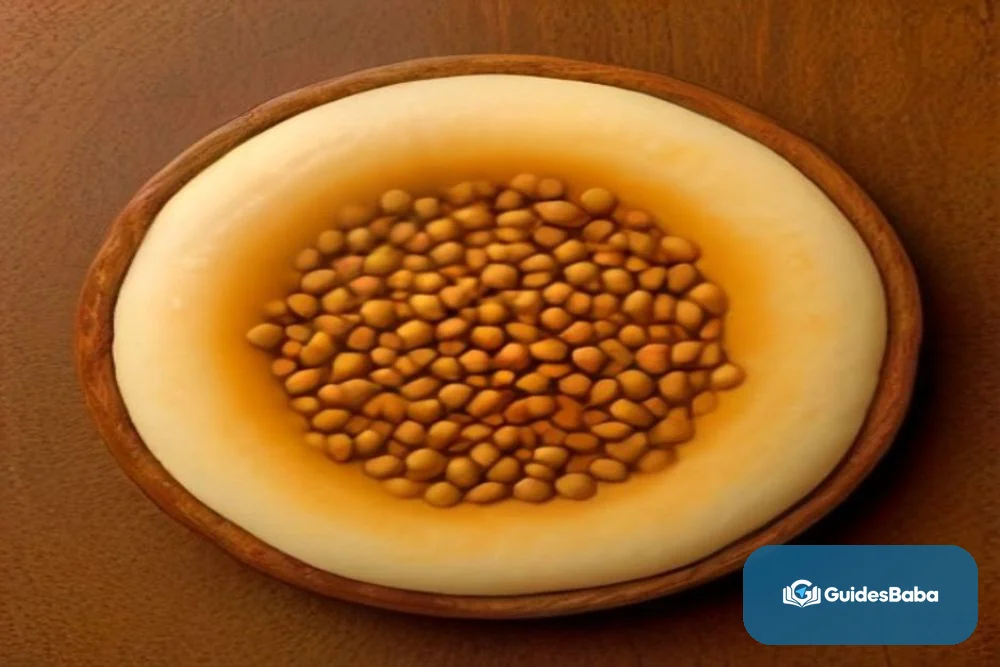
Legumes are humble but mighty foods. Think chickpeas, lentils, and black beans. They are cheap, filling, and easy to store.
These foods bring protein and plenty of fiber. That pairing keeps you full and satisfied. They also work in many world cuisines. Variety keeps the habit fresh. A pot of lentils feeds many meals.
Add beans to soups, salads, and stews. Canned beans make weeknight cooking fast. Rinse them well before you use them. Dried beans cost even less per meal.

What makes a food healthy anyway
A healthy food gives a lot for a little. It offers nutrients without too many empty calories. Whole, minimally processed foods usually fit best.
Fiber, vitamins, minerals, and good fats all count. So does how full a food keeps you. A healthy food rarely needs a fancy label. Simple and whole usually wins here.
The opposite is also worth knowing. It helps to understand the least healthy foods too. Contrast makes better choices easier.
Nutrient density explained simply
Nutrient density is a useful idea here. It measures nutrients per calorie. Dense foods give more value per bite.
Leafy greens score high on this scale. They bring many nutrients for few calories. Sugary snacks sit at the low end. They bring calories with little else. Dense foods help you feel full sooner.
Chase density instead of a single champion. Build meals around dense, whole foods. That habit beats any lone hero food. It also stretches your grocery budget further.
Why context and balance matter more
One great food cannot carry a whole diet. Balance across the day does the real work. Your body responds to patterns, not to one bite.
A salmon fillet on a poor plate helps little. The same fish shines beside greens and grains. Company matters as much as the star.
Aim for balance across your week. No single meal makes or breaks your health. Steady habits win in the long run. Think in weeks, not in single bites.
How much does one food really move the needle

Single foods rarely change health on their own. Your overall pattern carries far more weight. That is a freeing idea, not a sad one.
You do not need an exotic, pricey ingredient. Everyday greens and beans do plenty. Simple foods, eaten often, add up. Consistency quietly beats novelty every time.
Focus on consistency over any magic bullet. A steady plate beats a rare superfood. Small daily choices shape your health. Nobody eats perfectly, and that is okay.
Whole foods versus superfood hype
People often ask how these ideas compare. The honest comparison is about approach, not brands. Whole foods and superfood hype pull in different directions.
| Whole foods approach | Superfood hype approach |
|---|---|
| Values variety across many foods | Crowns one costly hero food |
| Affordable and easy to find | Often pricey and marketed hard |
| Focuses on the whole pattern | Focuses on a single item |
| Backed by broad, steady advice | Driven by trends and headlines |
Superfoods are not useless or fake. Many are genuinely good for you. Just do not expect one food to save you.
How to eat more of these foods

Adding these foods is easier than it sounds. Start with one meal you already enjoy. Then fold in a top food or two.
Toss greens into an omelet. Add beans to your favorite soup. Sprinkle berries over your morning oats. Small additions build a stronger plate. None of this needs a new recipe.
Keep a few staples always stocked. Frozen greens, canned fish, and dried beans help. Ready ingredients make good choices simple. A stocked kitchen removes daily guesswork.
Simple ways to add leafy greens daily
Greens are the easiest top food to add. A handful fits almost any dish. You barely notice them in many meals.
Blend spinach into a fruit smoothie. Layer greens into sandwiches and wraps. Stir them into pasta near the end. They wilt down in seconds. Mild greens hide well in most dishes.
Keep washed greens at eye level in the fridge. Visible food gets eaten more often. Make the healthy choice the easy one. Out of sight often means out of mind.
Common myths about the healthiest food
One myth says a single food can heal you. No food works like medicine on its own. Health grows from your whole diet.
Another myth says healthy foods must be exotic. Everyday greens and beans do plenty. Price and rarity do not equal value. Local produce can be just as good.
A third myth says more is always better. Even great foods work best in balance. Variety beats overloading on one item. Too much of anything can backfire.
Common mistakes chasing superfoods
One mistake is spending big on trendy powders. Whole foods often deliver more for less. Save your money for simple staples.
Another mistake is ignoring the rest of the plate. One healthy food cannot fix everything else. Balance the whole meal instead. Context matters more than any single star.
Some people also forget variety entirely. Eating only kale daily gets dull fast. Rotate your greens, proteins, and grains. Boredom quietly ends many good habits.
Who might need a different pick
These foods suit many healthy adults. Still, everyone has unique needs. Some people manage allergies or medical conditions. A general list cannot cover every case.
Pregnancy, illness, and certain diets change the picture. Some fish and foods need extra care then. Your doctor knows your situation best.
Use this guide as a friendly starting point. Adjust it to fit your body and life. Even a healthy version of junk food can fit sometimes.
Frequently asked questions
Is there really one healthiest food?
No, there is no single perfect food. Variety across many foods matters far more.
Are leafy greens the healthiest food?
Greens top many expert lists for good reason. Still, they work best alongside other foods.
Is salmon healthier than vegetables?
Neither one wins outright on its own. Each brings different strengths to your plate.
Are expensive superfoods worth the money?
Often not, since simple foods deliver plenty. Whole greens and beans cost far less.
Can one food improve my health quickly?
No single food changes health on its own. Steady patterns do the real work.
Are frozen greens and berries still healthy?
Yes, frozen produce is a great choice. It is often just as nutritious as fresh.
Is garlic actually good for me?
Garlic adds flavor and useful plant compounds. It fits nicely in a balanced diet.
Do I need to eat these foods daily?
Not every food every day is needed. Aim for most of them across the week.
Can these foods help with weight goals?
These foods are filling and nutrient dense. They can support goals within a balanced diet.
Should I take supplements instead?
Whole foods cover many needs on their own. Ask a professional before adding any supplements.
The bottom line
So what is the no. 1 healthiest food in the world? There is no single true winner. Dark leafy greens lead many lists. Fatty fish, berries, garlic, and legumes follow close behind. The real champion is a varied, balanced plate.
These foods form a calm, flexible daily base. They cover many needs when eaten together. Small habits truly do add up over time.
For more background, see this overview of a healthy diet. You can also read about leafy greens and their range. Use trusted sources to guide your choices.
This is general information and not medical advice. See a professional for your personal needs. Start with one top food today. Your future self will thank you.