

Leafy greens fill the produce aisle like a green wall. They all look healthy, yet some pack far more punch. So which leafy greens are the most nutrient-dense? The honest answer is more fun than you expect.
Rather than picking one winner, think about density per bite. A few greens punch well above their weight. Kale and spinach lead most popular lists. This ties into the benefits of fruits and vegetables.
Here is the honest answer. Kale, spinach, and watercress top most nutrient-density charts. Collard greens and Swiss chard follow very closely. Dark, deeply colored leaves usually carry the most. No single green wins every category outright. Variety across the week beats any single hero.
This guide covers the most nutrient-dense leafy greens. You will see what nutrient density really means. We will bust a few common myths too. It pairs well with the guide on cruciferous vegetables.
So which leafy greens are the most nutrient-dense?

The honest answer covers several strong picks. Kale tops many nutrient-density rankings worldwide. Spinach, watercress, and collard greens follow close behind. Swiss chard and beet greens also score high. Many dark greens qualify under this loose label.
Think of nutrient density as value per bite. Some greens give a lot for few calories. No single leaf earns an official crown. The gap between top greens stays small.
Does one green beat all the rest? Not really, and variety serves you best. Different greens bring different useful nutrients. Aim for a mix across the week.
What nutrient density really means
Nutrient density is a simple, useful idea. It measures nutrients against total calories. A dense food gives much for little.
Leafy greens are famously low in calories. Yet many carry fiber, vitamins, and minerals. That balance makes them nutrient-density champions. Water content also keeps calories low.
So the term rewards quiet, humble foods. It points you toward leaves and vegetables. Just do not expect one magic green. Real health grows from many small choices.
Did you know?
Watercress often tops nutrient-density scores among common greens. Yet it stays cheap and easy to overlook.
Kale, the famous nutrient powerhouse
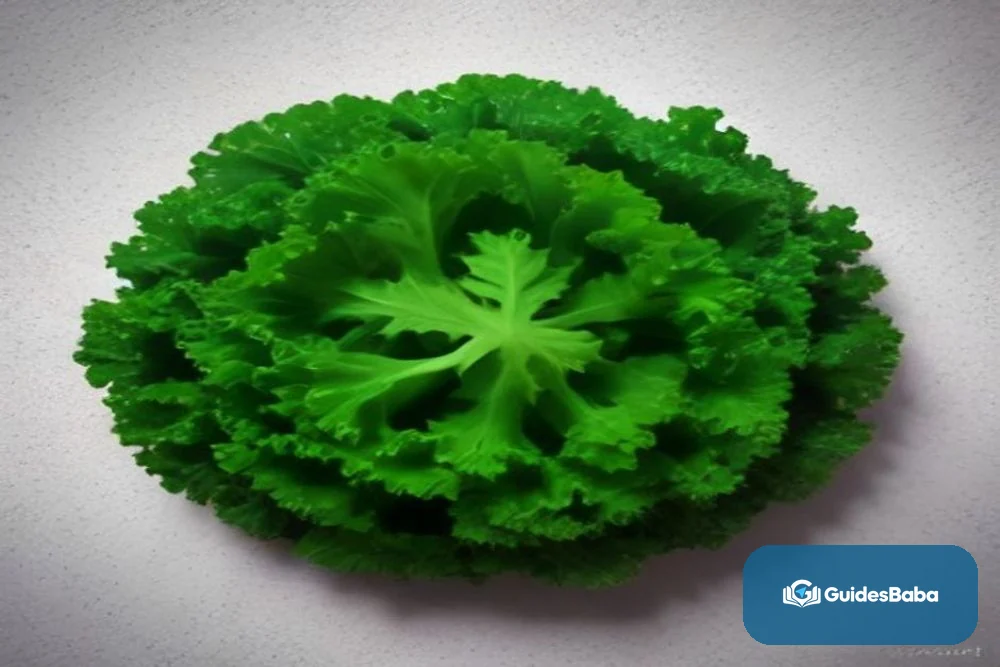
Kale is the poster child for nutrient density. Its leaves are sturdy, curly, and deeply green. That rich color hints at plant compounds.
Kale brings fiber, vitamin K, and vitamin C. It also carries useful plant antioxidants. Massage raw kale to soften the leaves. A little oil makes it tender.
Toss kale into soups and stews. Bake the leaves into crisp chips. It holds up well to gentle heat. Even a small handful adds value.
Spinach and its iron reputation
Spinach is soft, mild, and very versatile. It wilts down to almost nothing when cooked. That makes it easy to eat plenty.
Spinach carries iron, folate, and vitamin A. Pair it with vitamin C for better iron uptake. A squeeze of lemon helps a lot. Fresh or frozen both work well.
Stir spinach into eggs or pasta. Blend a handful into a smoothie. Its mild taste hides in many dishes. Kids often accept it without complaint.
Swiss chard and its colorful stems
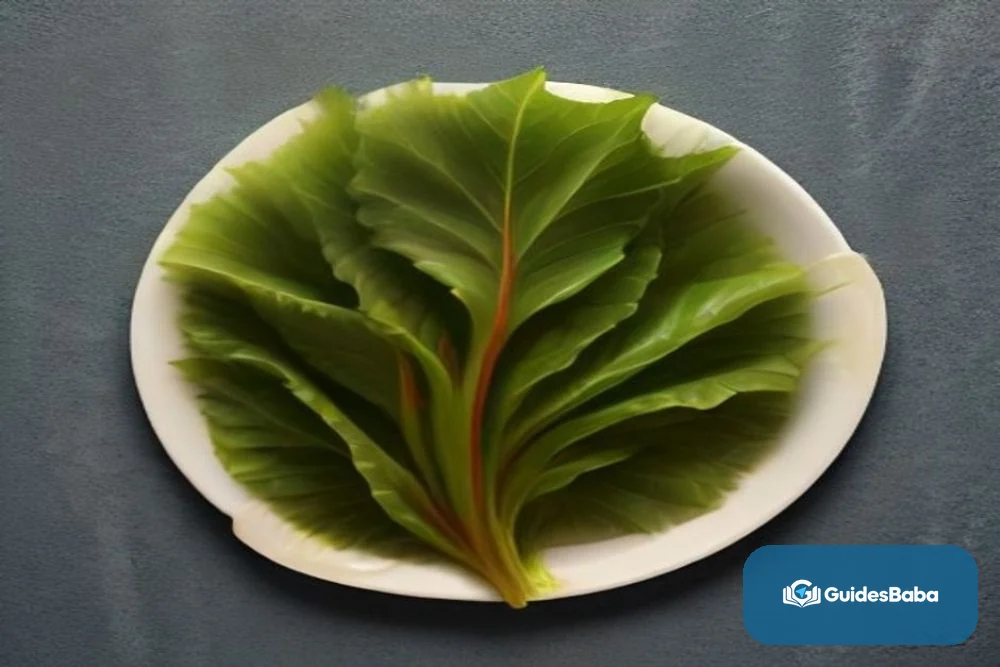
Swiss chard looks like a painted vegetable. Its stems glow red, yellow, and pink. The broad leaves are tender and mild.
Chard brings vitamin K, magnesium, and fiber. The colorful stems are edible and crunchy. Cook the stems a little longer than leaves. Nothing needs to go to waste.
Saute chard with garlic and oil. Fold it into an omelet. Its bright stems lift a plain plate. Chard suits both quick and slow cooking.
Collard greens, a sturdy classic
Collard greens are broad, tough, and hardy. They hold their shape through long cooking. That makes them a comfort-food favorite.
Collards carry fiber, calcium, and vitamin K. Their sturdy leaves work as low-carb wraps. Steam them briefly to keep more nutrients. Overcooking dulls both color and flavor.
Simmer collards into a warming pot. Roll them around beans or rice. A squeeze of vinegar brightens each bite. They freeze well for busy weeks.
Watercress, the quiet overachiever
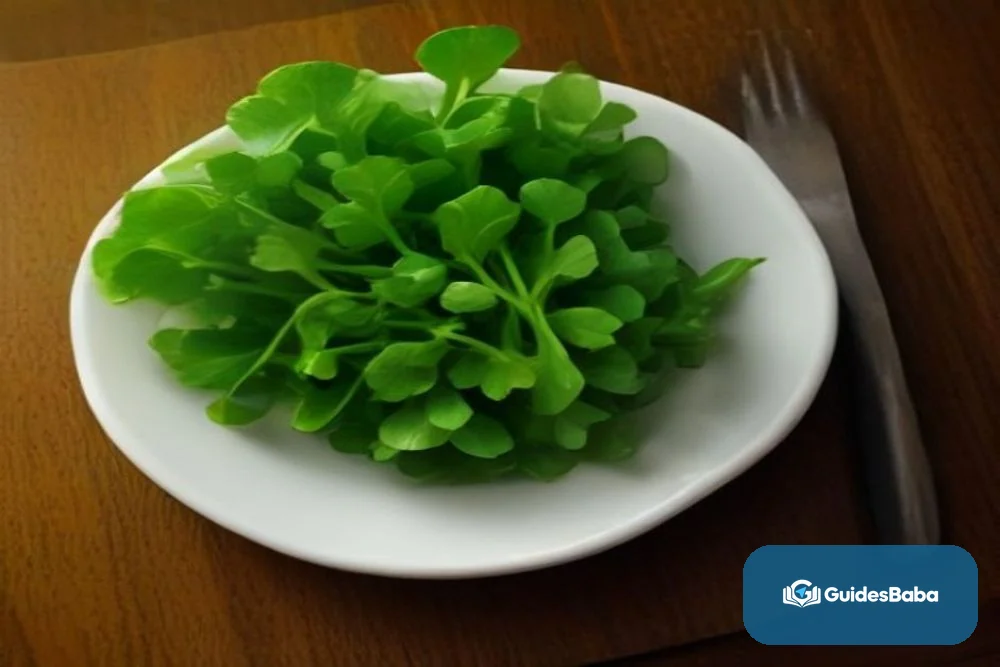
Watercress rarely gets the spotlight it deserves. It grows fast in cool running water. Its small leaves pack a peppery bite.
Watercress often scores top marks for density. It carries vitamin K, vitamin C, and calcium. Add it raw to keep the crunch. Heat softens both flavor and texture.
Pile watercress onto sandwiches and wraps. Scatter it across a warm grain bowl. A little pepperiness wakes up lunch. It pairs nicely with eggs and fish.
Why dark green colour matters
Colour offers a handy shortcut for shoppers. Darker leaves usually mean more nutrients inside. Pale leaves tend to carry less.
Deep green signals chlorophyll and plant compounds. That is why kale beats iceberg lettuce. Reach for the darkest leaves available. This connects to the best and worst vegetables to eat.
Still, milder greens are not useless. They add volume, crunch, and water. Mix dark and light for balance. Every leaf can earn a place.

Beet greens and turnip greens
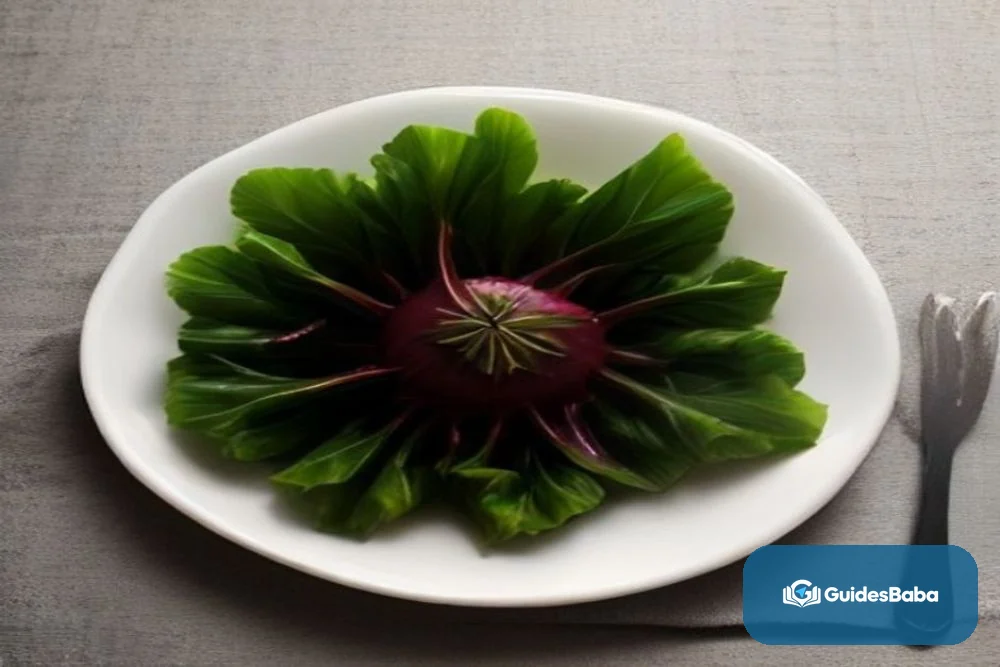
Beet greens often get tossed in the bin. That is a small, tasty mistake. Those leafy tops are quietly nutritious.
Beet and turnip greens carry vitamin K and fiber. They taste earthy with a gentle bite. Cook them like spinach or chard. Buy beets with the tops attached.
Saute the greens with a little garlic. Add them to soups and stews. You get two vegetables from one purchase. That stretches your grocery budget nicely.
Bok choy and Asian greens
Bok choy brings a fresh, crisp texture. Its white stems stay juicy when cooked. The green tops wilt down quickly.
Bok choy carries vitamin C, vitamin K, and calcium. It cooks fast in a hot pan. Stir-fry it for just a few minutes. Overcooking turns the stems limp.
Add bok choy to noodle bowls. Toss it into a quick stir-fry. Its mild taste suits many sauces. Baby bok choy cooks even faster.
Arugula for a peppery punch
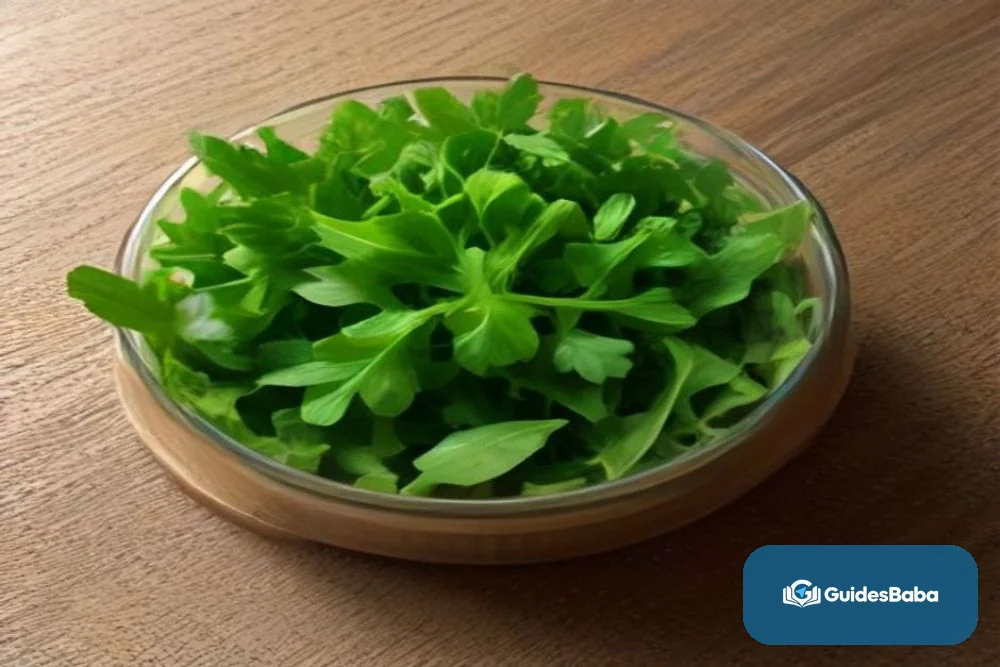
Arugula adds a bold, peppery kick. Its small leaves feel light and tender. A little goes a long way.
Arugula carries vitamin K, folate, and calcium. It shines raw in fresh salads. Dress it simply with oil and lemon. Heat mellows its sharp flavor fast.
Scatter arugula over pizza or pasta. Pile it onto a sandwich. Its pepperiness lifts a plain plate. It also blends well with milder leaves.
Romaine and everyday salad greens
Romaine is the workhorse of the salad bowl. Its crisp ribs stay crunchy and fresh. It is affordable and easy to find.
Romaine carries fiber, folate, and vitamin A. It beats pale iceberg for nutrients. Use the outer, darker leaves first. They hold the most value.
Build a big salad on a romaine base. Add color with other vegetables and beans. Everyday greens still earn their place. See the foods to eat every day too.
Nutrient-dense greens versus mild greens
People often ask which greens truly win. The honest comparison is about density, not brands. Both groups earn a spot on your plate.
| Dense dark greens approach | Mild pale greens approach |
|---|---|
| Kale, spinach, watercress, collards | Iceberg, butter, light lettuces |
| More vitamins and minerals per bite | Fewer nutrients yet more crunch |
| Bolder, sometimes bitter flavor | Mild, sweet, and beginner friendly |
| Great cooked or raw | Best fresh in cool salads |
Dense greens carry more nutrients per bite. Mild greens add volume and easy crunch. Both belong in a varied diet. The best green is one you enjoy. Balance always beats chasing a single leaf.
Raw versus cooked leafy greens
People wonder whether raw beats cooked greens. The truthful answer is that both help. Each method has real advantages.
Raw greens keep more heat-sensitive vitamin C. Cooking shrinks greens so you eat more. Some nutrients absorb better after light cooking. There is no single perfect method.
Eat some greens raw in salads. Cook others into soups and stir-fries. Mixing methods gives you the best of both. Variety wins here as well.
How to store leafy greens well
Leafy greens wilt faster than most vegetables. Smart storage keeps them fresh for longer. That means less waste and more eating.
Wrap washed greens in a dry towel. Store them in the crisper drawer. Keep them dry to slow the wilting. Damp leaves spoil far more quickly.
Freeze extra greens for soups and smoothies. Blanch sturdy greens before freezing them. A little planning saves money each week. Frozen greens still hold real value. A stocked freezer prevents last-minute waste.
Easy ways to eat more greens
Adding greens can be almost effortless. Blend a handful into your smoothie. Stir spinach into your morning eggs.
Pile greens onto sandwiches and wraps. Toss them into soups near the end. Swap iceberg for a darker leaf. Small moves build a lasting habit.
Keep washed greens ready at eye level. A ready bag invites a quick grab. This links well with ideas on essential nutrients.
Common leafy green mistakes
One common mistake is overcooking your greens. Long boiling dulls color and nutrients. Cook them briefly and gently instead. Bright green usually means better texture.
Another mistake is drowning greens in heavy dressing. Rich sauces can cancel the benefit. Use a light hand with oil. Let the fresh flavor come through.
Some people also stick to one green forever. Iceberg alone leaves nutrients on the table. Rotate darker leaves through your week. Variety quietly does the real work.
Who should watch their greens intake
Leafy greens suit most healthy adults well. Still, everyone has unique needs and goals. Some greens are very high in vitamin K. That matters for certain blood-thinning medications.
People on those medicines should stay consistent. Sudden big changes can affect treatment. Your doctor knows your situation best. Personal advice beats any generic plan.
This is not medical advice. See a professional. Use this guide as a friendly starting point. Adjust it to fit your own life.
Frequently asked questions
Which leafy green is the most nutrient-dense?
Watercress and kale often top density charts. Still, no single green wins every category.
Is spinach or kale healthier?
Both are excellent, dense choices. Spinach offers iron while kale offers vitamin K.
Are darker greens always more nutritious?
Usually yes, darker leaves carry more nutrients. Colour is a handy shopping shortcut.
Do cooked greens lose their nutrients?
Cooking changes some nutrients but not all. Light cooking can even boost absorption.
Is iceberg lettuce a bad choice?
Iceberg is not bad, just less dense. Darker leaves give more per bite.
Can I eat leafy greens every day?
Most healthy adults can enjoy greens daily. Variety keeps the habit interesting and balanced.
Are frozen greens still nutritious?
Yes, frozen greens hold real value. They often match fresh for many nutrients.
How do I make greens taste better?
Add garlic, lemon, or a little oil. Light seasoning brings out their natural flavor.
Do smoothies count as eating greens?
Yes, blended greens still count fully. Smoothies are an easy way to add them.
Which green is best for beginners?
Spinach and romaine are gentle, friendly starts. Both are mild, cheap, and easy to enjoy.
The bottom line
So which leafy greens are the most nutrient-dense? Watercress, kale, and spinach lead the pack. Collard greens and Swiss chard follow closely. Yet everyday romaine still holds real value too.
Nutrient density is a helpful guide, not a rule. Chase color and variety instead of hype. A mixed bowl of greens beats any single hero. Small habits truly do add up.
For more background, see this overview of the leaf vegetable family. You can also read about kale and its history. Trusted sources help guide smart choices.
This is general information and not medical advice. See a professional for your personal needs. Start with a handful of greens today. Build the habit one small bowl at a time. Your future self will thank you.