
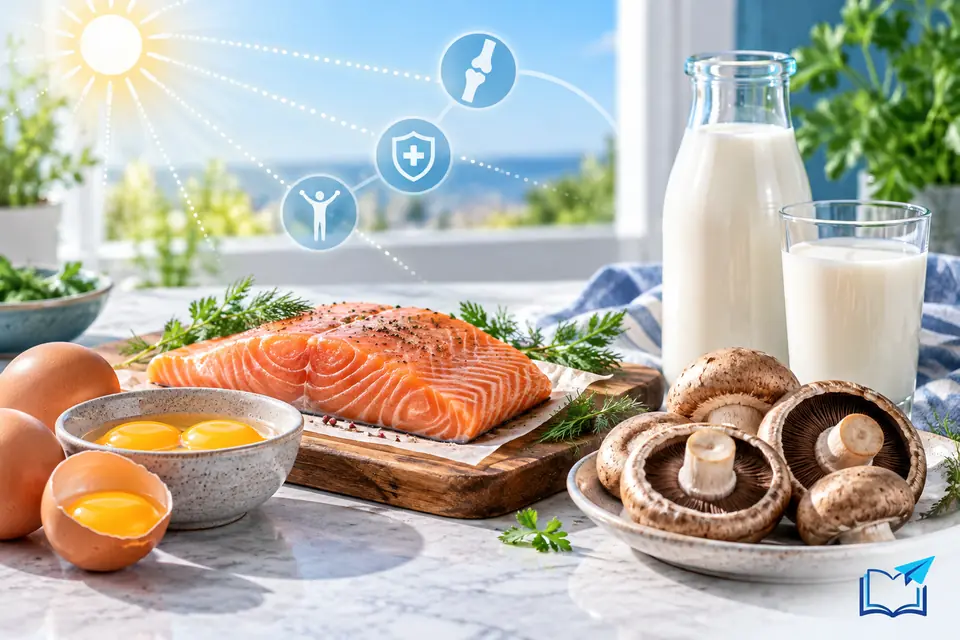
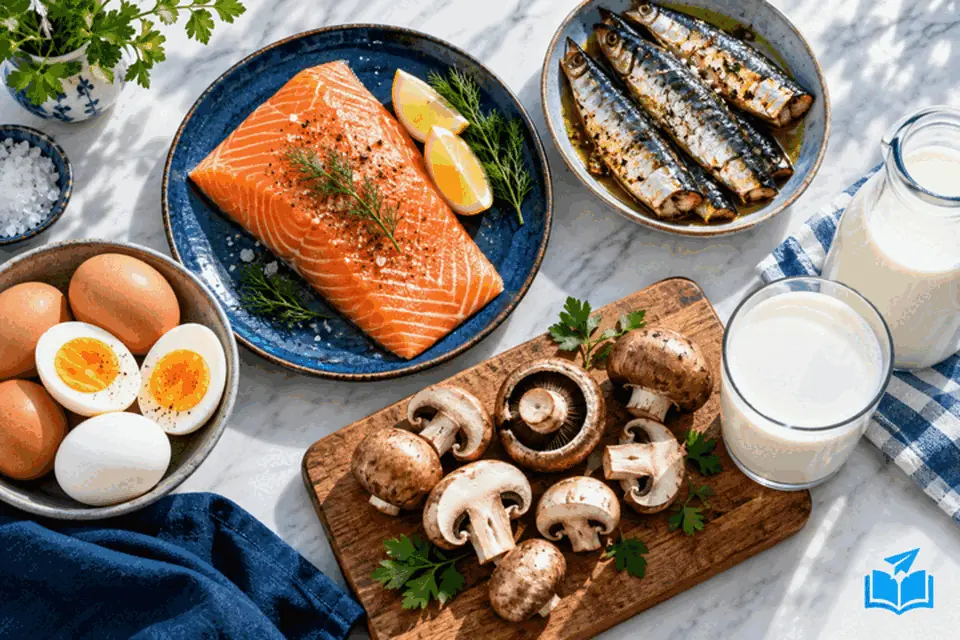
Vitamin D is often called the sunshine vitamin. It works behind the scenes yet matters greatly. So what foods naturally contain vitamin D? A few real foods may already sit in your kitchen.
Rather than reaching for pills, start with real food. A handful of whole foods carry vitamin D. They bring other nutrients along too. Your body can use vitamin D from meals. These choices support your daily essential nutrients.
Here is the honest answer. Fatty fish leads the natural sources by far. Egg yolks and some mushrooms help too. Certain fish liver oils are very rich. Few foods carry it, so variety matters. This is not medical advice. See a professional.
This guide covers the natural vitamin D foods in plain language. You will see which choices carry the most. We will compare food sources and fortified foods. Many tips link back to a balanced diet.
So what foods naturally contain vitamin D?
The honest answer starts with fish. Fatty fish leads the whole pack. Egg yolks and mushrooms come next. Fish liver oils rank very high too. Natural sources are fewer than for other vitamins.
Think of vitamin D foods as a short but mighty list. Each one adds a useful amount. Together they build toward your daily total. No single food has to carry it alone.
Do you need exotic superfoods to win? Not at all, and that saves money. Everyday salmon and eggs do the job. Simple staples carry real vitamin D. Your wallet and body both benefit. Fancy labels rarely mean more vitamin D. Real meals still beat clever packaging here.
What makes a food a natural vitamin D source
Natural vitamin D foods share a few traits. Most are animal foods with some fat. That fat helps carry the vitamin.
Vitamin D is fat soluble, so fatty foods hold it well. Lean, low fat foods carry very little. Mushrooms are the main plant exception. Sunlight helps mushrooms build vitamin D too.
Look for oily fish and whole eggs first. These deliver the most natural vitamin D. The richer the fat, the more it holds. Fresh, frozen, and canned all count.
Did you know?
Mushrooms can make vitamin D when exposed to light. A little sun on them can raise the amount.
Fatty fish leads the list
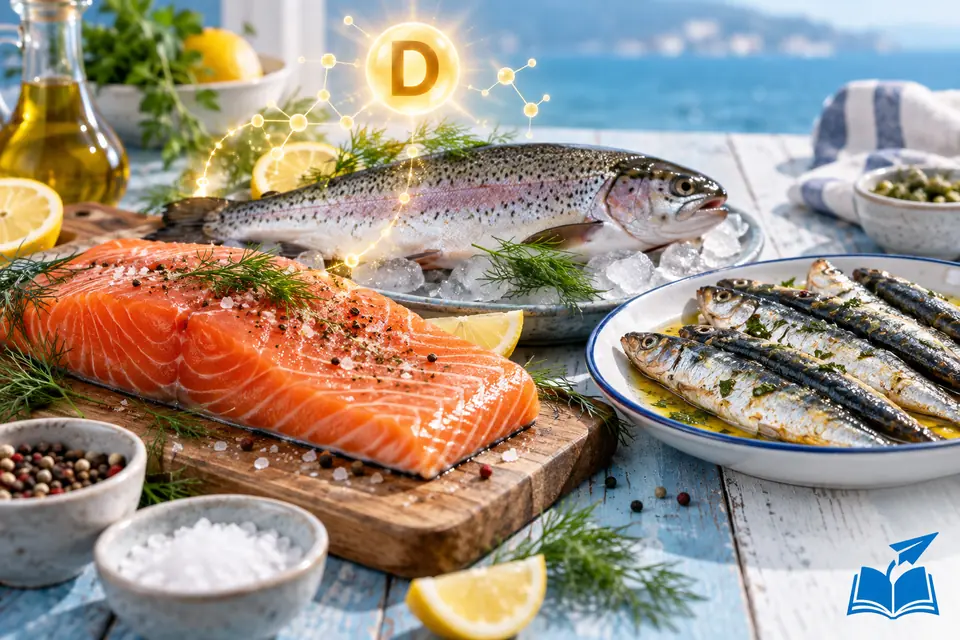
Fatty fish sits at the very top. It packs vitamin D and healthy fat together. Few foods match its natural value.
Salmon, mackerel, and sardines shine. Trout and herring help as well. Canned versions save even more time.
Bake or grill fish for an easy meal. Add canned salmon to salads and toast. Sardines on crackers make a quick snack. A couple of fish meals each week go far. Mix different fish for variety and interest. Frozen fillets keep well for busy days.
Egg yolks and whole eggs
Eggs are a handy natural source. The vitamin D sits in the yolk. So eat the whole egg, not just whites.
One yolk adds a modest amount. Several eggs a week build it up. Hens raised outdoors may give richer yolks. Eggs pair with almost any meal.
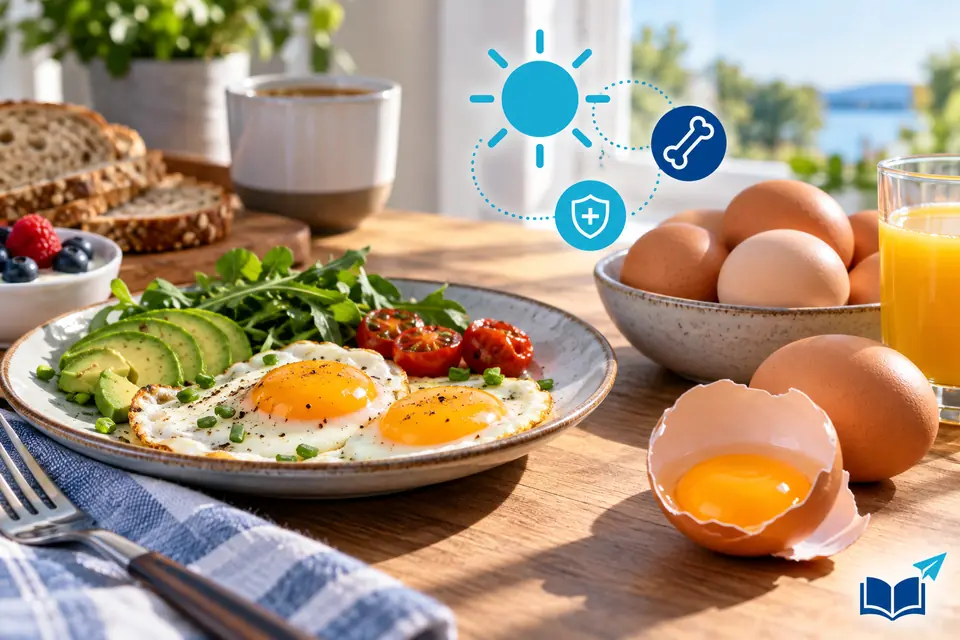
Start your day with a couple of eggs. Add a boiled egg to salads. Fold eggs into a simple vegetable scramble. Whole eggs bring protein and vitamin D together. Keep some boiled eggs ready in the fridge.
Mushrooms as a plant source
Mushrooms are the main plant based option. They can build vitamin D under light. This makes them special among vegetables.
Look for mushrooms labeled sun exposed or UV treated. These often carry much more vitamin D. Regular mushrooms hold smaller amounts. See more on the best vegetables to eat.
Sauté mushrooms as a simple side. Add them to omelets and stir fries. Roast a tray for a savory snack. Sun exposed mushrooms suit plant based eaters well. Leaving them in the sun can help too.
Fish liver oils
Fish liver oils are very concentrated. Cod liver oil is the classic example. A small spoon carries a large amount.
These oils pack vitamin D and vitamin A. Because they are strong, keep portions small. Too much vitamin A can cause problems. Ask a professional before daily use.
Some people take a spoon in winter. Others prefer to get it from meals. Treat these oils with care and respect. Store the bottle in a cool place.

Fortified foods that add vitamin D
Fortified foods are not natural sources, but they help. Many countries add vitamin D to staples. This closes gaps for lots of people.
Fortified milk and yogurt are common. Some cereals and plant milks are fortified too. Check the label to confirm the amount. Fortified foods make daily intake easier.
These foods matter most in dark winters. They give a steady, reliable source. Read labels to spot added vitamin D. Fortified orange juice can help as well. Choose the fortified option when one exists.
Sunlight and food working together
Your skin makes vitamin D from sunlight. Food and sun work as a team. Neither one has to do everything.
Short, sensible sun helps your body produce it. Cloudy places and winters reduce that supply. Then food and fortified items matter more. Cover skin sensibly to avoid burning.
Skin tone and age affect how much you make. Indoor lives lower natural production too. Food becomes a helpful backup here. A mix of sun and food works best.
Vitamin D for plant based eaters
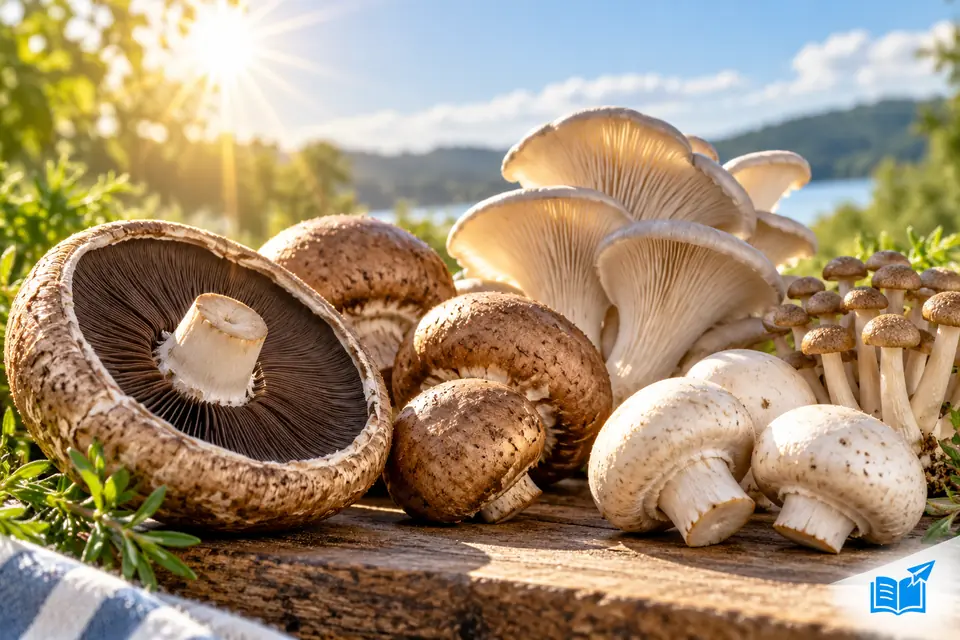
Plant based eaters face a shorter list. Fish and eggs are off the table. So mushrooms and fortified foods matter more.
Choose UV treated mushrooms when you can. Pick fortified plant milks and cereals. Read labels to confirm real vitamin D. These steps help fill the gap.
Some plant based supplements exist as well. Ask a professional about the right choice. A little planning keeps intake steady. Fortified foods do a lot of the work. Check each label for a clear amount.
Natural food sources versus fortified foods
People often ask which vitamin D source is better. The honest comparison is natural foods versus fortified ones. Each has a clear place here.
| Natural food sources | Fortified foods |
|---|---|
| Come with fats and other nutrients | Add a set, measured amount |
| Limited to a few foods | Found in many everyday staples |
| Great when fish is on the menu | Helpful in dark winter months |
| Best for varied, mixed diets | Handy for plant based eaters |
Both sources can work together well. Natural foods lead when fish is easy. Fortified foods fill the gaps otherwise. A mix keeps your intake steady.
Easy ways to add these foods
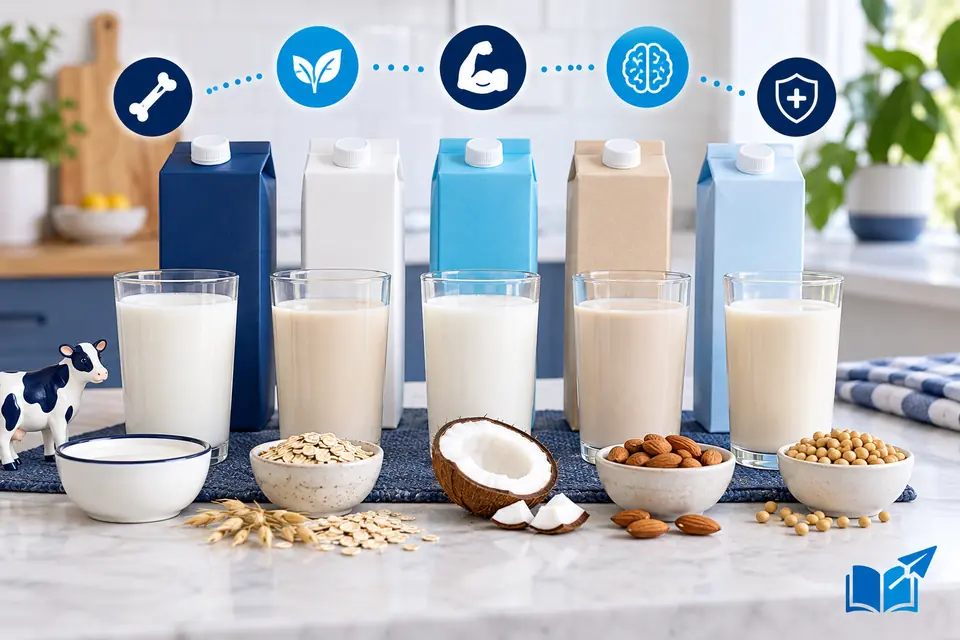
Adding vitamin D foods is simpler than it sounds. Bake a salmon fillet for dinner. Fold a couple of eggs into breakfast.
Sauté mushrooms as a quick side. Choose fortified milk with your cereal. Each small swap lifts your total higher.
Add a little more every few days. A steady routine keeps meals interesting. Patience makes the change stick. Small steps beat sudden overhauls here.
Building a vitamin D friendly plate
A vitamin D friendly plate follows a simple pattern. Add fatty fish a couple of times weekly. Include eggs across the week too.
Fold mushrooms into meals when you can. Pour fortified milk over whole grain cereal. This picture reaches steady numbers over time. Swap in a new food each week.
You do not need to weigh anything. A glance and simple habits work fine. Consistency beats perfect counting for most people. Adjust the plate to fit your appetite.
Vitamin D foods on a budget
Vitamin D does not have to cost much. Canned sardines and salmon are cheap. Eggs are among the best value foods.
Buy fish in cans or frozen packs. Mushrooms often cost very little. Fortified milk fits most food budgets well.
Simple staples deliver real vitamin D per coin. You rarely need pricey superfoods. Smart shopping keeps intake affordable. Batch cooking stretches every dollar further. Store cupboard fish makes cheap, quick meals.
Cooking methods that keep vitamin D
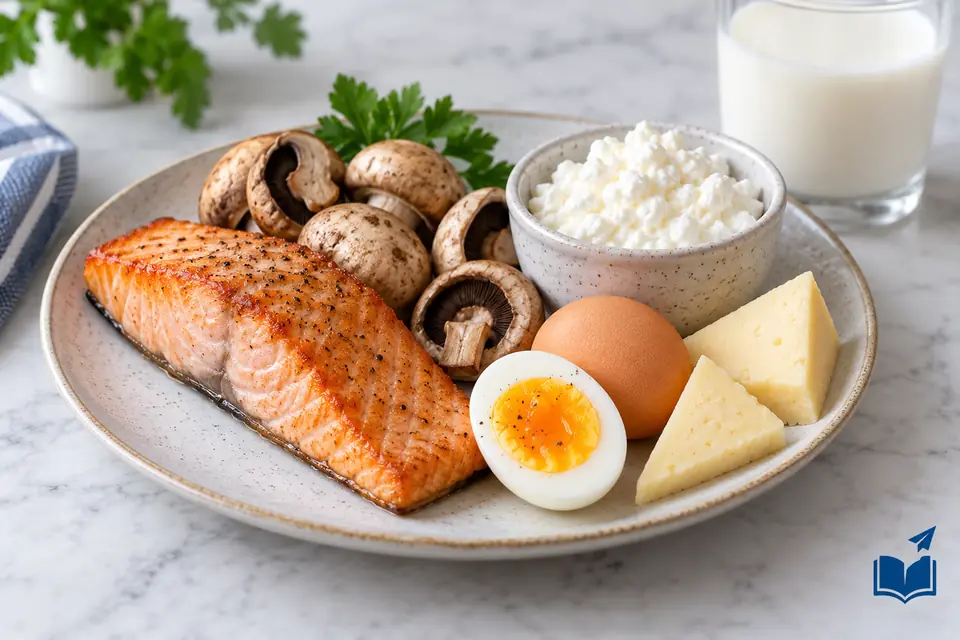
Cooking method changes how much vitamin D stays. Baking and gentle frying hold it well. Heavy, long cooking can lower the amount.
Bake or steam fish rather than deep frying. Cook eggs gently instead of very hard. Sauté mushrooms quickly over medium heat. A light touch protects the vitamin best.
Because it is fat soluble, some cooking fat helps. A little oil can aid absorption. Gentle methods keep nutrients on your plate. Avoid burning fish to protect its value.
Reading labels for vitamin D content
Labels help you spot fortified foods. Check the vitamin D listed per serving. Higher numbers usually mean a better choice.
Look for the words fortified or added. Compare plant milks, since they vary a lot. Watch serving sizes, since they can be small.
Do not trust front-of-box claims alone. Marketing words can mean very little. Let the real numbers guide you. Compare similar products side by side.
Common mistakes when chasing vitamin D
One common mistake is skipping the egg yolk. The yolk holds the vitamin D. Eating whites only removes that benefit.
Another mistake is relying on sun alone. Winters and indoor days lower production. Food and fortified items help fill gaps.
Some people also overdo strong fish oils. More is not always better here. Very high doses can cause problems. Ask a professional before daily supplements.
Who might need tailored vitamin D advice

General food lists suit many healthy adults. Still, some people have special needs. Certain conditions change how you absorb it.
Older adults and darker skin may need more. Limited sun exposure raises the need too. Your doctor knows your situation best.
This is not medical advice. See a professional. Use these food ideas as a friendly guide. Adjust them to fit your own body. A simple blood test can guide decisions.
Frequently asked questions
What food has the most vitamin D?
Fatty fish like salmon tops most lists. Fish liver oils are even more concentrated.
Can I get vitamin D from vegetables?
Only mushrooms carry meaningful vitamin D. UV treated mushrooms hold the most.
Do eggs contain vitamin D?
Yes, the vitamin D sits in the yolk. Eat whole eggs to get it.
Are fortified foods a good source?
Yes, fortified milk and cereal help a lot. They fill gaps in dark winters.
Can vegans get vitamin D from food?
Yes, through UV mushrooms and fortified plant milks. A supplement may still be useful.
Does sunlight replace vitamin D foods?
Sun helps your skin make vitamin D. Food matters more in winter and indoors.
Is cod liver oil good for vitamin D?
Yes, it is very rich in vitamin D. Keep portions small, since it is strong.
Does cooking destroy vitamin D?
Gentle cooking keeps most vitamin D intact. Heavy, long heat can lower it.
How often should I eat fatty fish?
A couple of servings each week is common. Fresh, frozen, and canned all count.
Do I need a vitamin D supplement?
Many people manage with food and sun. A professional can advise on your needs.
The bottom line
So what foods naturally contain vitamin D? Fatty fish leads the pack. Egg yolks and mushrooms follow behind. Fish liver oils are very concentrated too. The natural list is short but useful.
Whole foods and sun work together well. Reach for real food before any pill. Fortified items help in dark months. Small daily habits truly add up over time. Eating more fruits and vegetables supports the rest.
For more background, see this overview of vitamin D. You can also read about food fortification and how it helps. Use trusted sources to guide your plate.
This is not medical advice. See a professional for your personal needs. Add one vitamin D food today. Then build slowly from there. Your body will thank you.