
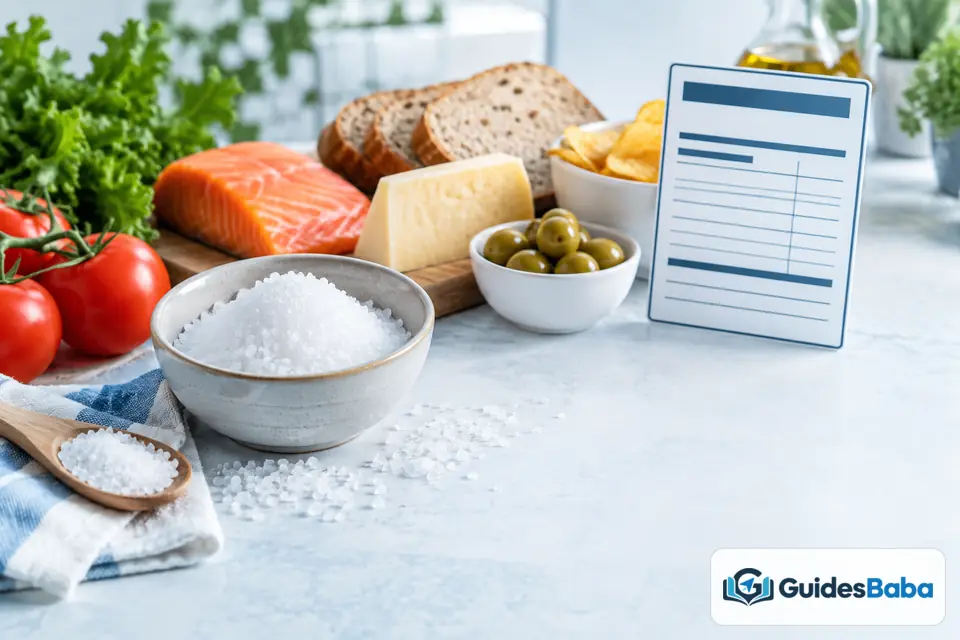

People swap these two words all the time. Yet they do not mean the same thing. So what is the difference between salt and sodium? The gap matters more than you think.
Rather than treating them as twins, pull them apart. Sodium is a single mineral element. Salt is a compound built from two parts. One sits inside the other. That small distinction shapes every food label.
Here is the honest answer. Sodium is a mineral your body needs. Salt is sodium joined with chloride. Table salt is mostly sodium chloride. So salt contains sodium, but they are not equal. This is not medical advice. See a professional.
This guide covers salt and sodium in plain language. You will learn what each word means. We will compare them side by side. Simple maths links the two together.
So what is the difference between salt and sodium?
The honest answer starts with chemistry made simple. Sodium is one element on its own. Salt is two elements bonded together.
Think of salt as a small team. Sodium is one player on that team. Chloride is the other player beside it. Together they form the crystals you sprinkle.
Does that mean the words are wrong to swap? Not quite, but the mix causes confusion. Labels list sodium, while recipes call for salt. Knowing both keeps you clear. The difference is simple once you see it.
Sodium as a mineral
Sodium is a mineral and a chemical element. It appears on the periodic table alone. Your body treats it as a nutrient.
You need sodium for several vital jobs. It helps nerves and muscles work well. It also balances fluid inside your body. Small amounts keep these systems running.
Sodium rarely sits by itself in nature. It bonds quickly with other elements. In food, it usually arrives as salt. Learn the wider minerals your body needs here. That context makes sodium easier to place.
Salt as a compound
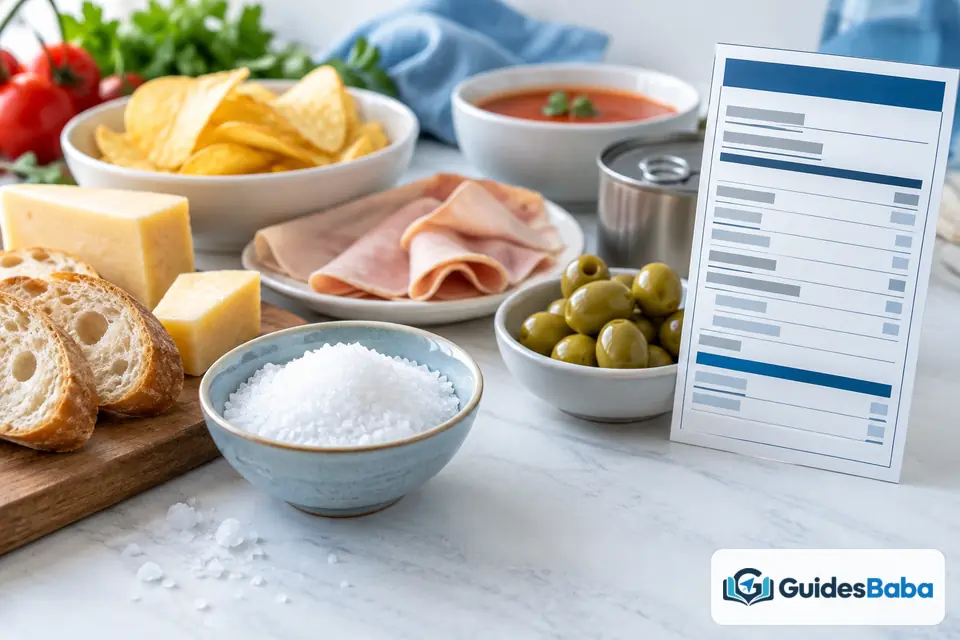
Salt is a compound, not a single element. It forms when sodium bonds with chloride. That bond creates the crystals you know.
Table salt is mostly sodium chloride. The name captures both parts clearly. Sodium sits on one side of the pair. Chloride sits on the other side.
This is why salt tastes and acts the way it does. The compound dissolves easily in water. It seasons food and draws out moisture. Salt is the delivery vehicle for sodium. The mineral rides inside the crystal.
Did you know?
Table salt is only about forty percent sodium by weight. The rest of the crystal is chloride.
Why the two words get mixed up
The mix-up happens for a simple reason. Salt is the main sodium source in food. So people use the words as one.
Recipes and menus talk about salt. Nutrition labels report sodium instead. This split sends a confusing message. The same food gets two different names.
The habit is easy to understand. Most dietary sodium does arrive as salt. Still, the two are not identical. Keeping them separate helps you read labels. Clear words lead to clearer choices.
How much sodium is in salt
Salt is roughly forty percent sodium by weight. The rest of the weight is chloride. So a gram of salt is not a gram of sodium.
This ratio explains a common surprise. A small salt figure hides more sodium. The two numbers never match exactly. You must convert between them.
Keep the rough ratio in your mind. Sodium is always the smaller share. Salt weight always looks larger. This simple fact prevents many mistakes. The maths is easier than it seems.
Salt and sodium on food labels
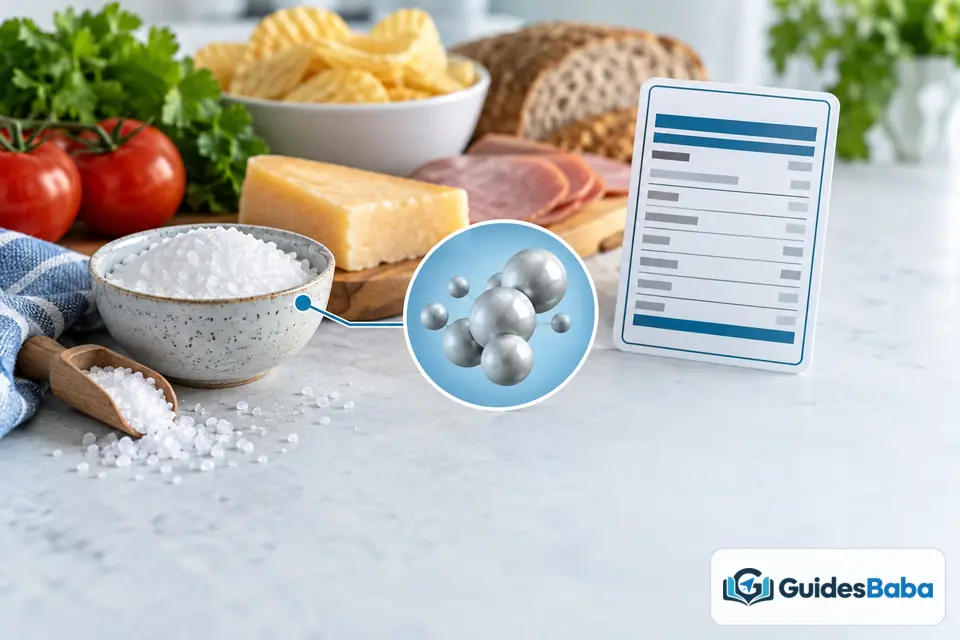
Labels usually list sodium, not salt. The number sits in the nutrition panel. It counts sodium from every source.
Some labels also show a salt figure. Others force you to convert yourself. This inconsistency trips up many shoppers. Reading both lines helps you compare.
Watch the serving size beside the number. A low figure can hide a large portion. Compare products using the same measure. See what fits a balanced diet overall. Labels reward a careful eye.
Sodium beyond salt
Not all sodium comes from table salt. Several additives carry sodium too. They hide under different names.
Baking soda contains sodium bicarbonate. Some preservatives use sodium compounds. Flavour enhancers can add more still. These sources bypass the salt shaker entirely.
This is why sodium can outpace salt. A food may taste mild yet score high. Additives quietly raise the total. Reading the full ingredient list helps. Sodium wears many chemical disguises.
What sodium does in the body
Sodium plays several key roles inside you. It helps balance fluids in and out of cells. It supports nerve signals as well.
Muscles also rely on sodium to contract. The mineral works with potassium as a pair. Together they keep this balance steady. Your body guards these levels closely.
You need sodium, but only a modest amount. Most people get far more than needed. Excess comes from processed foods. Balance is the goal, not zero salt. Compare the foods highest in potassium too.

What salt does in food

Salt does far more than add flavour. It seasons and brightens many dishes. It also serves practical roles in cooking.
Salt preserves food by drawing out water. It strengthens dough and controls yeast. It even improves colour and texture. These jobs make salt hard to replace.
Chefs value salt as a core tool. A pinch can lift a whole plate. Too much, though, overwhelms the food. Balance is the mark of good seasoning. Salt rewards a light and careful hand.
Types of salt
Salt comes in several familiar forms. Table salt is fine and often iodised. Sea salt forms from evaporated seawater.
Kosher salt has larger, flaky crystals. Pink and rock salts carry trace minerals. These traces give colour and mild flavour. The differences are mostly texture and look.
Do fancy salts contain less sodium? Not really, since they are still salt. Crystal size changes how salty they feel. The sodium share stays roughly the same. Choose by taste and texture, not health claims.
Salt versus sodium compared
People often ask which word to trust. The honest comparison sets salt beside sodium. Each describes a different thing.
| Sodium (the mineral) | Salt (the compound) |
|---|---|
| A single chemical element | Sodium bonded with chloride |
| Listed on nutrition labels | Named in recipes and cooking |
| Comes from salt and additives | Mostly the crystals you sprinkle |
| Around forty percent of salt | Heavier than its sodium share |
Sodium is the mineral inside salt. Salt is the everyday carrier. Labels track sodium for a reason. Both words point at the same worry.
Converting salt to sodium

Converting between them is quick and useful. Multiply a salt figure by about 0.4. That gives you the rough sodium amount.
To go the other way, work backwards. Multiply sodium by roughly 2.5 for salt. These rules are close enough for shopping. Precise labs use exact figures.
Keep this simple maths handy while you shop. It helps you compare mixed labels. Some show salt and some show sodium. A quick sum keeps you consistent. Numbers become friendlier with practice.
Daily limits and general guidance
Health bodies suggest keeping sodium modest. Most people eat more than they need. The excess mainly comes from processed food.
Guidance speaks in general daily targets. Your own needs may differ from averages. Age and health can shift the picture. A professional can set the right number.
Aim to cook more from fresh ingredients. Lean on herbs and spices for flavour. Treat salty extras as occasional accents. See the essential nutrients for the bigger view. Small steady changes work best.
Naturally occurring sodium in foods
Some sodium exists in food without added salt. Celery, beets, and milk carry a little. Shellfish and eggs add small amounts.
These natural levels are usually gentle. They arrive with useful nutrients attached. Fibre and vitamins travel alongside them. Natural sodium rarely drives your total high.
Focus your attention on processed sources. Whole foods keep sodium modest by nature. You need not fear plain vegetables. Balance across the day still matters. Real food remains the smarter default.
Common myths about salt and sodium

One myth says salt and sodium are identical. In truth, sodium is only part of salt. The words are related, not equal.
Another myth claims sea salt is healthier. It still delivers similar sodium levels. The source does not change the mineral.
Some people think cutting salt removes all sodium. Additives can keep sodium high anyway. Reading labels reveals the real total. Knowledge beats guesswork every time.
Common mistakes people make
One common mistake is reading only the salt line. Some labels report sodium instead. Mixing the two skews your maths.
Another mistake is trusting fancy salt claims. Pink and sea salts still carry sodium. The label tells the honest story.
Some people forget hidden sodium in additives. Baking soda and preservatives add more. A mild taste can still hide plenty. Checking ingredients closes that gap.
Who might need tailored advice
General guidance suits many healthy adults. Still, some people have special needs. Certain conditions change the sodium picture.
Blood pressure concerns often need careful limits. Some medicines interact with sodium levels. Your doctor knows your situation best.
This is not medical advice. See a professional for your personal needs. Use these ideas as a friendly guide. A short chat can prevent bigger problems.
Salt, sodium, and a balanced diet

Salt and sodium fit a wider pattern. Your body needs a little sodium to work. The trouble comes from steady excess.
Balance salty foods with fresh produce. Potassium rich foods help offset sodium. Variety keeps the whole plate steady. Cooking at home gives you control.
Treat labels and taste as helpful signals. Pair whole foods with mindful seasoning. This mix keeps sodium in check. A simple plate does the heavy lifting. Good habits compound quietly over time.
Frequently asked questions
Are salt and sodium the same thing?
No, sodium is a mineral element. Salt is sodium combined with chloride.
How much sodium is in table salt?
Salt is roughly forty percent sodium. The rest of the weight is chloride.
Why do labels show sodium instead of salt?
Sodium is the part that matters most. Labels track it across all sources.
How do I convert salt to sodium?
Multiply the salt figure by about 0.4. That gives a rough sodium amount.
Is sea salt healthier than table salt?
No, both carry similar sodium levels. The source does not change that.
Can food have sodium without salt?
Yes, additives like baking soda add sodium. They bypass the salt shaker entirely.
Does the body need sodium?
Yes, sodium supports nerves, muscles, and fluid. You need only a modest amount.
Which is worse, salt or sodium?
Neither is worse on its own. Too much sodium is the real concern.
Does pink salt have less sodium?
No, pink salt holds similar sodium. Trace minerals only affect colour and taste.
How can I eat less sodium?
Cook fresh food and read labels closely. Use herbs instead of extra salt.
The bottom line
So what is the difference between salt and sodium? Sodium is a single mineral element. Salt is sodium bonded with chloride. Salt contains sodium, but they differ. Labels track sodium for good reason.
Remember the rough forty percent ratio. Convert between the two when you shop. Whole foods keep both naturally low. Small daily habits truly add up over time.
For more background, read this overview of sodium. You can also explore how salt forms and behaves. Use trusted sources to guide your plate.
This is not medical advice. See a professional for your personal needs. Learn the two words today. Then read one label with fresh eyes. Your choices will feel clearer.