
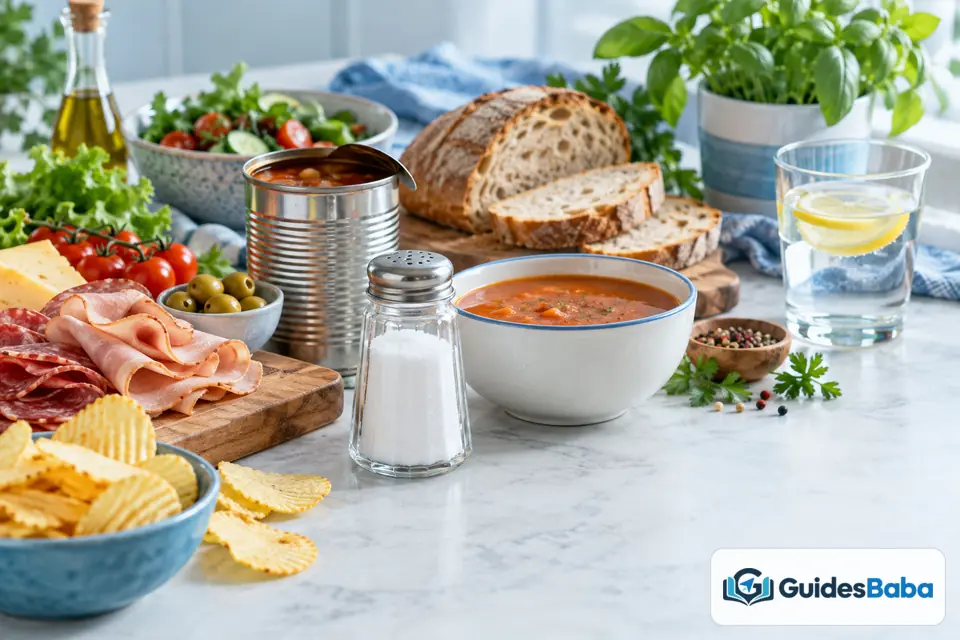
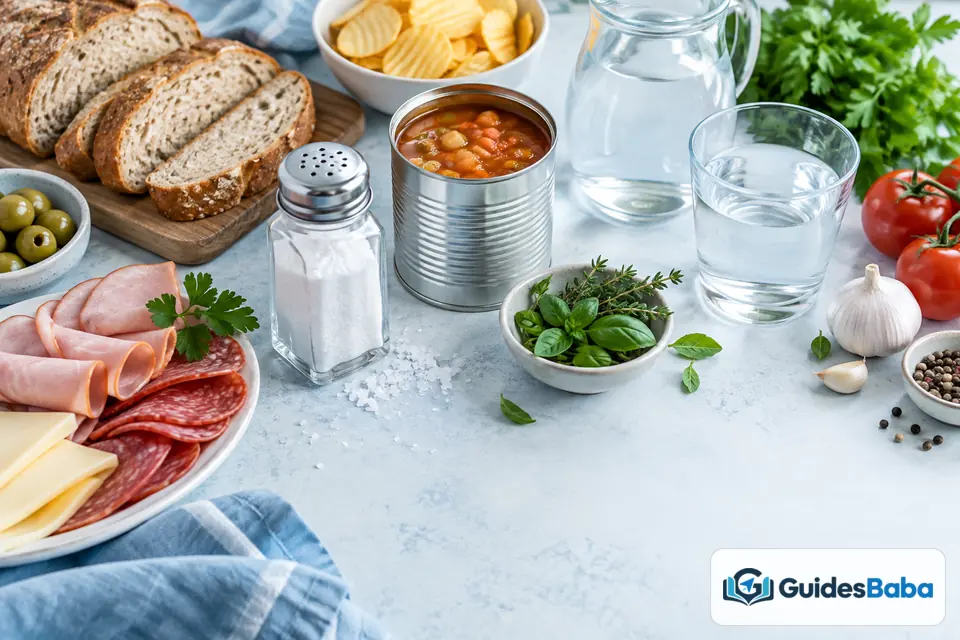
Salt sits on almost every table and in most packaged food. A little brings out flavour, but the amount creeps up fast. So what happens when you regularly eat too much sodium? The answer builds slowly and quietly.
Rather than fearing every grain, look at your whole week of meals. Most sodium hides inside processed and restaurant food. It rarely comes from your own salt shaker. Small daily choices shape your total. They also shape how a balanced diet supports you.
Here is the honest answer. Too much sodium pulls extra water into your blood. That can raise blood pressure over time. High pressure strains the heart and kidneys. The effect grows across months and years. This is not medical advice. See a professional.
This guide covers sodium in plain language. You will learn where it hides and why it matters. We will compare fresh and processed eating. Many tips link back to a simple, colourful plate.
So what happens when you eat too much sodium?
The honest answer starts inside your blood. Sodium helps hold water in your body. Too much pulls extra fluid into circulation.
Think of sodium like a sponge for water. More salt means more water held. That extra volume pushes on your vessels. Your heart then works a little harder.
Does one salty meal ruin your health? Not at all, and that is reassuring. The risk comes from steady daily excess. A single dinner will not undo you. It is the long pattern that matters most.
Why your body needs some sodium
Sodium is not a villain by itself. Your body needs it to work well. It helps nerves and muscles function.
This mineral also balances fluid around your cells. It keeps signals moving through your body. The trouble is only about excess. It sits among the minerals your body needs in balance.
You need a small amount each day. Most people already get far more. The gap between need and intake is wide. Whole foods rarely push you over. Processed food is where trouble usually starts.
Did you know?
Most dietary sodium comes from packaged and restaurant food. Only a small share comes from home cooking.
Sodium and your blood pressure
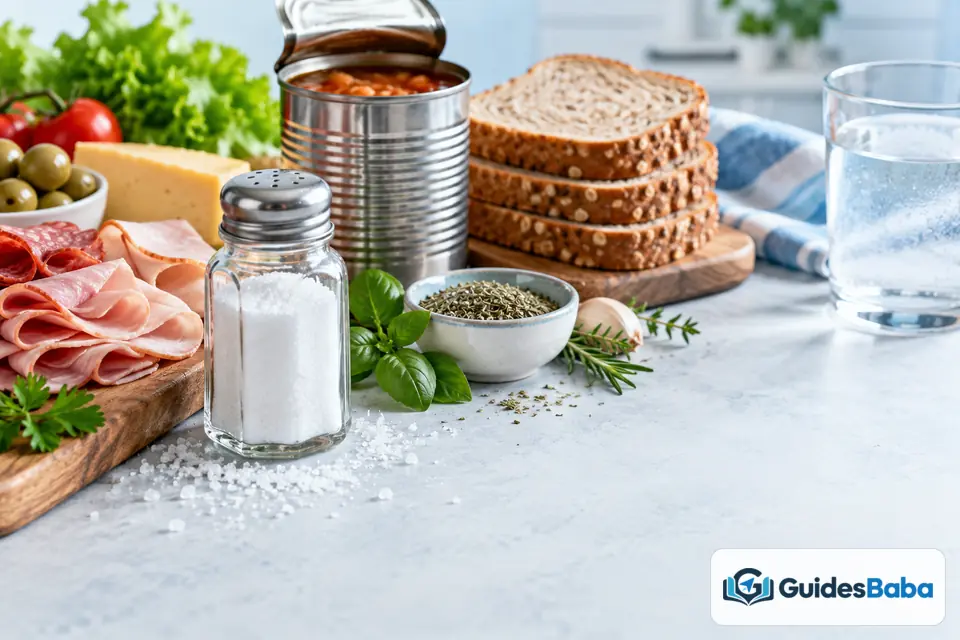
Blood pressure is the clearest concern here. Extra sodium raises the fluid in your blood. That added volume lifts the pressure inside.
Higher pressure means more strain on vessels. Over years this can wear them down. The change is slow and often silent. Many people feel nothing at first.
This is why regular checks help so much. You cannot feel rising pressure easily. A simple reading tells the real story. Prevention beats repair every time. Small habits protect your numbers over years.
The strain on your heart
Your heart pumps against that raised pressure. Day after day, the work adds up. The muscle can thicken over time.
A stiffer, harder heart is less efficient. It has to push against more resistance. This strain can grow slowly for years. Steady habits ease that quiet load.
Lowering sodium can lighten the burden gently. Fresh food supports a calmer system. Your heart favours steady, gentle patterns. Kindness to your heart pays off. Small daily choices matter more than one meal.
What happens to your kidneys
Your kidneys manage sodium and water balance. They filter your blood all day long. Excess salt makes their job harder.
Over time, heavy loads can wear them. Healthy kidneys handle normal amounts well. Constant excess pushes them toward strain. Balance keeps this system steadier.
Drinking water helps your kidneys work. Still, water cannot fix a poor diet. The real fix is less added salt. Support these organs with gentle habits. A varied plate keeps the whole system happier. Steady care today protects them for years.
Bloating and water retention
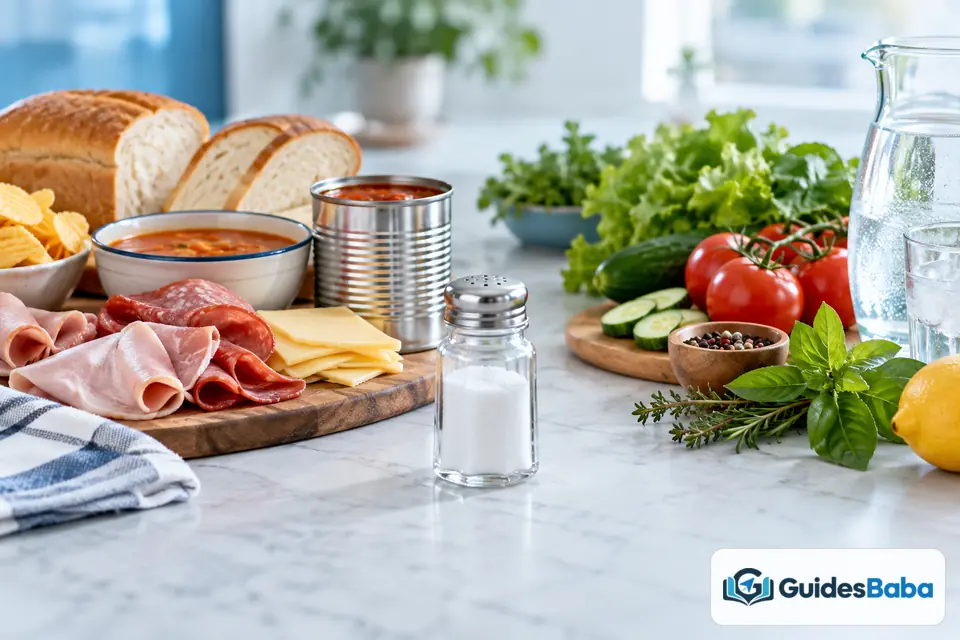
A salty meal can leave you puffy. Your body holds extra water in response. Fingers and ankles may feel swollen.
This bloating is usually short and mild. It often settles within a day or two. Drinking water and moving gently helps. The feeling passes as balance returns.
Potassium rich foods can help here too. They work against sodium in your body. Explore foods highest in potassium for balance. A colourful plate eases the bloat.
Where sodium hides in food
Sodium hides in places you might miss. Bread, sauces, and cheese all carry it. Even sweet snacks can hold plenty.
Processed meats are especially salty foods. Soups, chips, and ready meals add up. The taste is not always obviously salty. Sugar can mask the salt inside.
Reading labels reveals these hidden sources. Look at sodium per serving carefully. Compare similar products side by side. Small swaps cut your total fast. Fresh cooking gives you the most control.

Reading labels for sodium
Labels are your best defence here. They list sodium in each serving. That number tells the real story.
Watch the serving size carefully too. A small pack may hold several servings. The total can surprise you quickly. Do the simple maths before buying.
Words like brine and cured signal salt. So do soy sauce and stock cubes. Learn the language of hidden sodium. A quick label check builds strong habits. Compare brands to find the lighter option.
Salt and processed foods
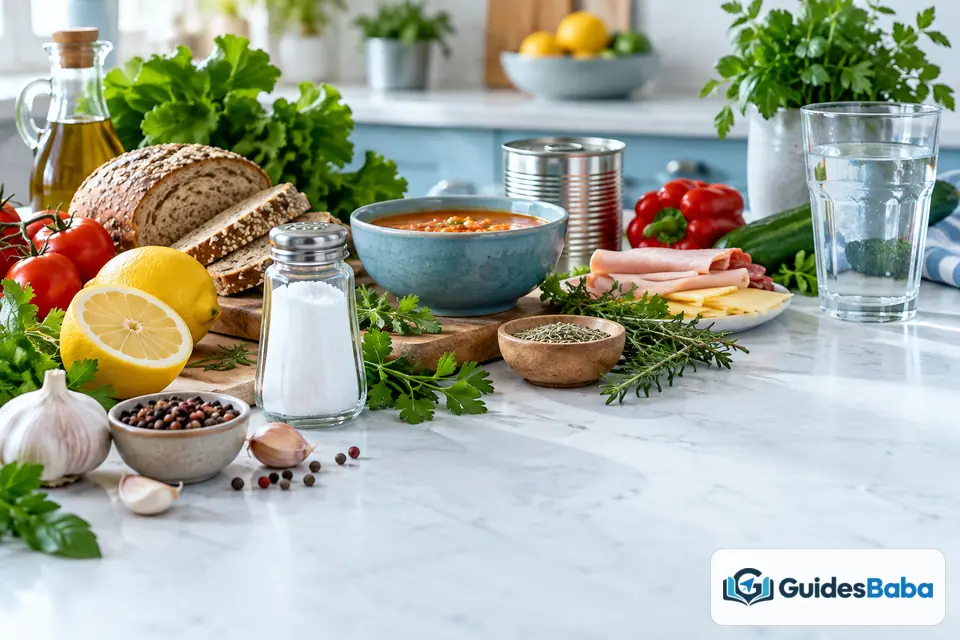
Processed foods are the main sodium source. Salt adds flavour and extends shelf life. It also makes many products taste better.
Ready meals and snacks lean on salt. Cured meats and cheeses pack plenty. These foods make excess very easy. Cutting back on them helps most.
Cooking from scratch shifts the balance. You control every pinch you add. Fresh ingredients start low in sodium. See how to make your everyday diet healthier simply. Small kitchen wins add up fast.
How much sodium is too much
Health bodies suggest keeping sodium modest. Most adults eat well above that level. The excess comes from daily habits.
Exact numbers vary by person and country. Your own needs may differ slightly. General guidance still points one way. Less added salt suits most people.
You do not need to count every grain. Broad awareness works better than obsession. Aim for a gentle downward trend. Steady change beats sudden strict rules. A calmer plate builds over weeks.
Fresh cooking versus processed eating
People often ask which approach wins. The honest comparison is fresh versus processed. Each has a place, but fresh leads.
| Fresh home cooking | Processed convenience food |
|---|---|
| You control the salt added | Salt is added before you buy |
| Starts naturally low in sodium | Often high in hidden sodium |
| Rich in whole ingredients | Built for long shelf life |
| Best for everyday meals | Handy but easy to overdo |
Fresh food should come first here. Processed items suit busy moments only. Read labels when you do buy them. Real cooking remains the smarter default.
Easy ways to cut sodium

Cutting sodium is simpler than it sounds. Swap salt for herbs and spices. Squeeze lemon over your cooked dishes.
Rinse canned beans before you use them. Choose low salt versions where you can. Each small step lowers your total.
Cut back slowly so taste adjusts. Your palate resets within a few weeks. Soon lighter food tastes just right. Small swaps beat sudden overhauls here. Keep fresh herbs within easy reach.
Building a lower sodium plate
A lower sodium plate follows a simple pattern. Fill half with fruit and vegetables. Add whole grains and lean protein.
Season with herbs, garlic, and citrus. Let natural flavours lead the meal. Explore the foods to eat every day for ideas. Fresh produce keeps sodium low.
You do not need to weigh anything. A glance and simple habits work fine. Balance beats strict counting for most people. Adjust the plate to fit your appetite.
Sodium on a budget
Eating low sodium need not cost much. Dried beans and lentils are cheap. They start with almost no salt.
Frozen vegetables stretch a budget well. Plain rice and oats cost little too. These staples give you full control.
Simple whole foods deliver the best value. You rarely need special low salt products. Smart shopping keeps sodium down affordably. Batch cooking stretches every meal further. Home spice blends beat pricey seasonings.
Common myths about salt
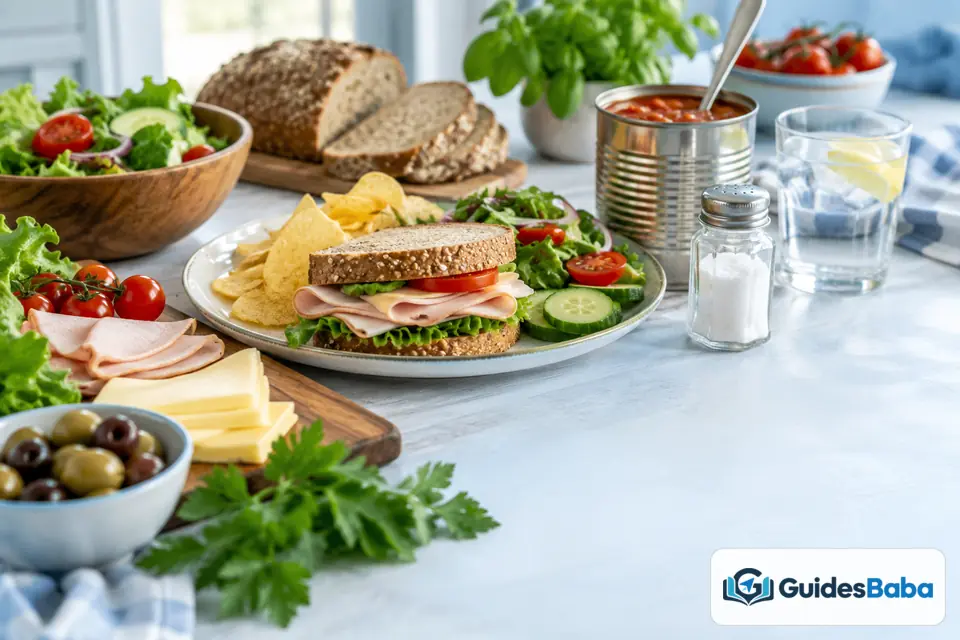
One myth says sea salt is safe. In truth it still holds sodium. Your body treats them much alike.
Another myth claims only old people worry. Sodium habits form early in life. Younger bodies benefit from care too.
Some people think water alone fixes it. Water helps, but it cannot cure excess. Balance in food matters far more. A steady, fresh diet wins over time.
Common mistakes people make
One common mistake is salting before tasting. Many add salt out of pure habit. A quick taste often makes it needless.
Another mistake is trusting healthy labels blindly. Some healthy sounding foods hide salt. Always check the sodium number itself.
Some people cut salt then quit fast. The palate needs a few weeks. Give the change real time to settle. Patience makes lighter food enjoyable.
Who might need tailored advice
General food tips suit many healthy adults. Still, some people have special needs. Certain conditions change the picture.
Heart and kidney issues raise the stakes. Some medicines interact with sodium levels. Your doctor knows your situation best.
This is not medical advice. See a professional for your personal needs. Use these food ideas as a friendly guide. A short chat can prevent bigger problems.
Sodium and a balanced diet
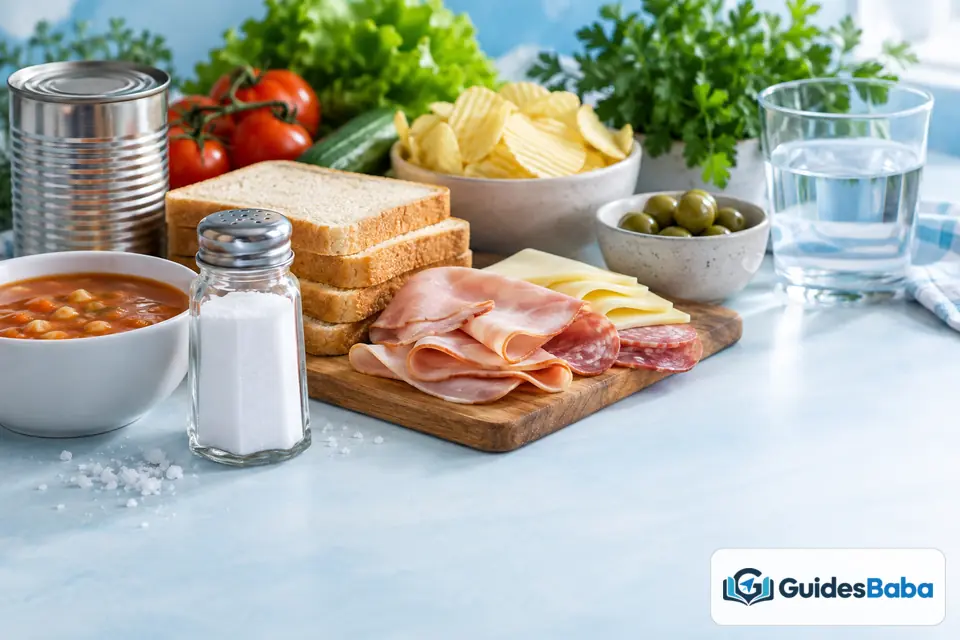
Sodium fits inside a wider pattern. It joins potassium, fibre, and water. Together they build a steadier plate.
No single mineral carries your whole diet. Balance across many foods matters most. Read the ten nutritional guidelines for a frame. Variety remains the guiding rule.
Treat fresh flavour as a helpful signal. Pair produce with grains and protein. This mix keeps your meals rounded. A simple plate does the heavy lifting. Good habits compound quietly across the weeks.
Frequently asked questions
What happens if I eat too much salt daily?
Your body holds extra water over time. That can raise blood pressure slowly.
How does sodium raise blood pressure?
Sodium pulls more water into your blood. The added volume lifts the pressure.
Where does most of my sodium come from?
Most comes from processed and restaurant food. The salt shaker adds only a little.
Can drinking water fix high sodium?
Water helps a little in the short term. It cannot fix a salty diet.
Is sea salt healthier than table salt?
Both contain sodium in similar amounts. Your body responds to them alike.
How do I cut sodium quickly?
Cook fresh food and skip processed items. Season with herbs, garlic, and citrus.
Does my body need any sodium?
Yes, sodium helps nerves and muscles work. You only need a small amount.
Can potassium balance high sodium?
Potassium works against sodium in the body. Colourful produce is a good source.
Will less salt make food boring?
No, herbs and spices add rich flavour. Your palate adjusts within a few weeks.
Is one salty meal harmful?
No, a single meal is fine. The risk comes from steady daily excess.
The bottom line
So what happens when you eat too much sodium? Your body holds extra water inside. That can raise blood pressure over time. It strains the heart and kidneys slowly. Fresh food is the simplest way down.
Whole foods make low sodium easy and cheap. Reach for herbs before the salt shaker. Variety keeps every meal interesting. Small daily habits truly add up over time.
For more background, read this overview of sodium. You can also explore the role of blood pressure in your health. Use trusted sources to guide your plate.
This is not medical advice. See a professional for your personal needs. Cut one salty item today. Then build slowly from there. Your heart will thank you.