
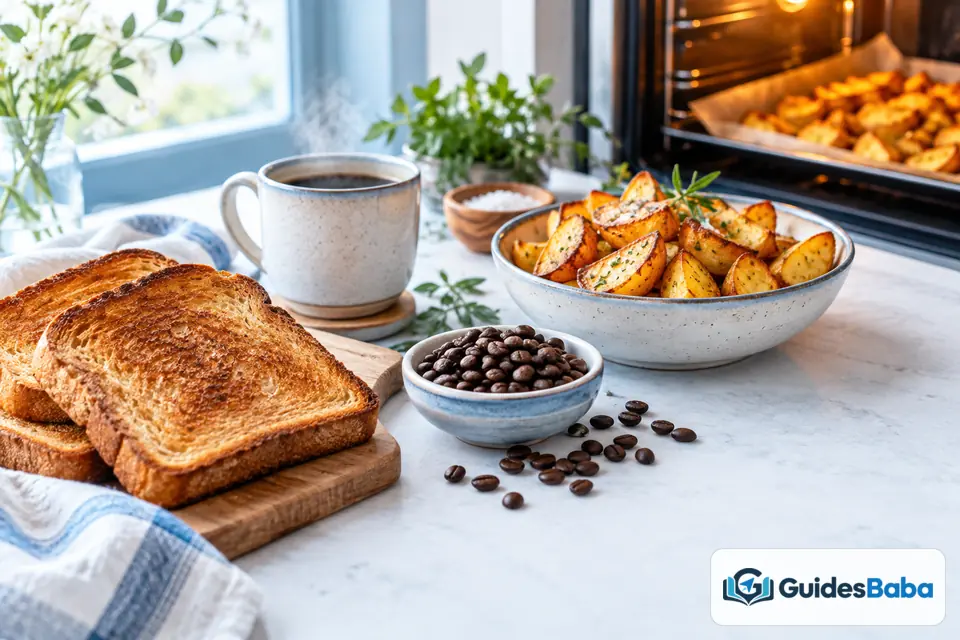
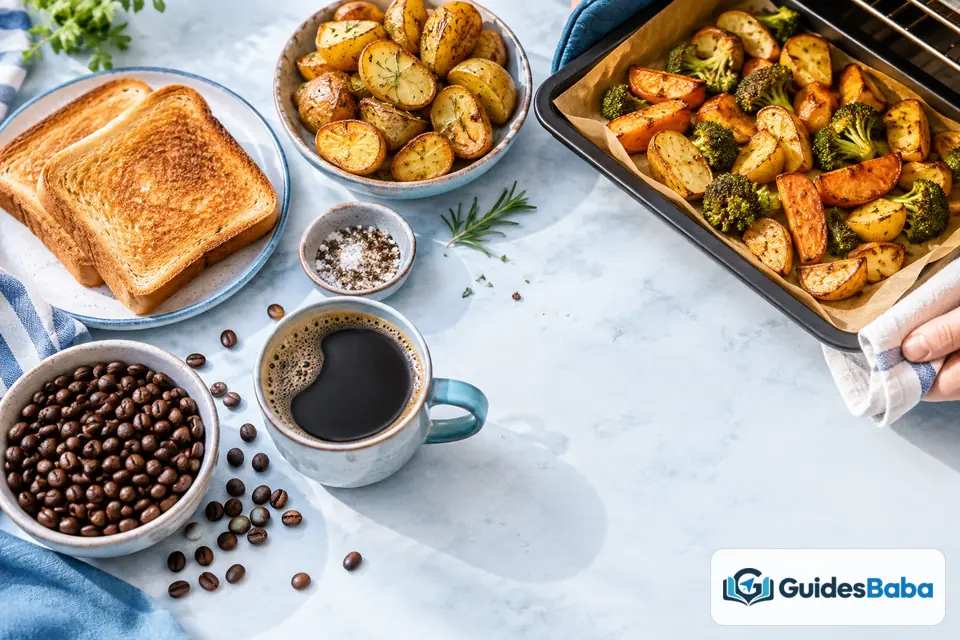
Crispy chips and golden toast taste wonderful. Yet that browning hides a bit of chemistry. So what is acrylamide in food, and does it matter? The answer sits right in the toaster.
Rather than fearing every crispy bite, learn the basics. Acrylamide forms when some foods cook hot. It appears mostly in starchy foods. High heat and browning drive it. It shapes how you cook refined carbohydrates at home.
Here is the honest answer. Acrylamide is a chemical that forms during high-heat cooking. It appears in starchy foods like potatoes and bread. Browning and frying raise the amount. Simple cooking habits can lower it. This is not medical advice. See a professional.
This guide covers acrylamide in plain language. You will learn what it is and how it forms. We will compare high-heat and gentle cooking fairly. Many tips link back to a simple, balanced plate.
So what is acrylamide in food?
The honest answer starts with heat. Acrylamide is a chemical that forms in cooking. It appears when starchy foods get very hot. Browning is the main clue.
Think of it like toast turning golden. As the colour deepens, acrylamide rises. Darker browning means more of it. Lighter cooking keeps it lower.
Do you make acrylamide on purpose? Not at all, since it forms by itself. It is a by-product of high heat. No one adds it to food. Cooking simply creates it.
How acrylamide forms
Acrylamide forms through a natural reaction. Sugars and an amino acid react in heat. This happens above certain temperatures.
The process links to browning and flavour. It shares roots with the Maillard reaction. That reaction gives roasted food its taste. Acrylamide rides along with it.
Frying, roasting, and baking all trigger it. Boiling and steaming rarely do. Water keeps the temperature lower. That is why wet cooking stays clean. Heat and dryness drive the change.
Did you know?
Acrylamide was first noticed in food in 2002. Scientists found it in fried and baked starchy foods.
Which foods contain acrylamide
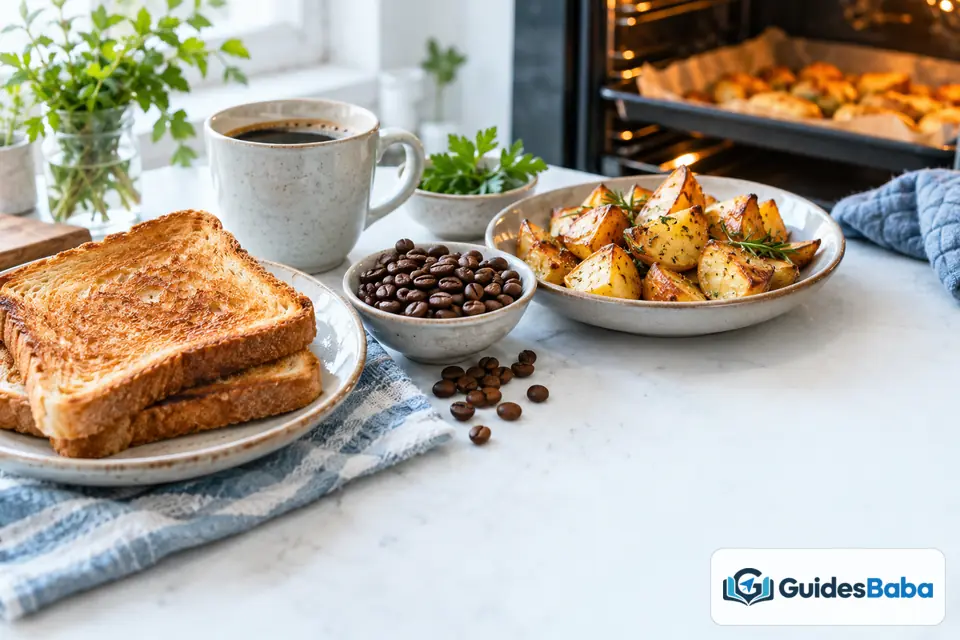
Acrylamide clusters in certain foods. Fried potato products lead the list. Chips and crisps are common examples.
Toast and dark bread carry some too. Baked goods and biscuits add more. Roasted coffee contains it as well. Breakfast cereals can hold traces. Crackers and some snacks join the group.
Fresh fruit and plain meat are low. Boiled and steamed foods stay clean. Wet cooking keeps levels down. The starchy, browned foods matter most. Pattern beats panic here. Snack foods often top the charts.
The role of high heat
High heat is the main driver here. Above a certain point, acrylamide climbs. The hotter and drier the cooking, the more forms.
Deep frying reaches very high temperatures. Long roasting pushes browning further. Both raise the acrylamide level. Cooking time also plays a part. A longer cook deepens the colour.
Gentle heat keeps the amount low. Boiling holds food near water temperature. Steaming works the same calm way. Lower heat means less acrylamide. Method shapes the result strongly. Temperature is the biggest single factor.
Acrylamide and starchy foods
Starchy foods are the usual source. Potatoes top the list by far. Bread, cereals, and crackers follow.
These foods hold the sugars and amino acid needed. High heat then sparks the reaction. That is why chips brown and crisp. The starch feeds the process. Potatoes carry the ingredients in plenty.
Protein-rich and watery foods stay low. Meat, fish, and vegetables rarely brown the same. Choosing gentle cooking helps here. Learn the healthiest carbohydrate sources too.

Is acrylamide harmful?
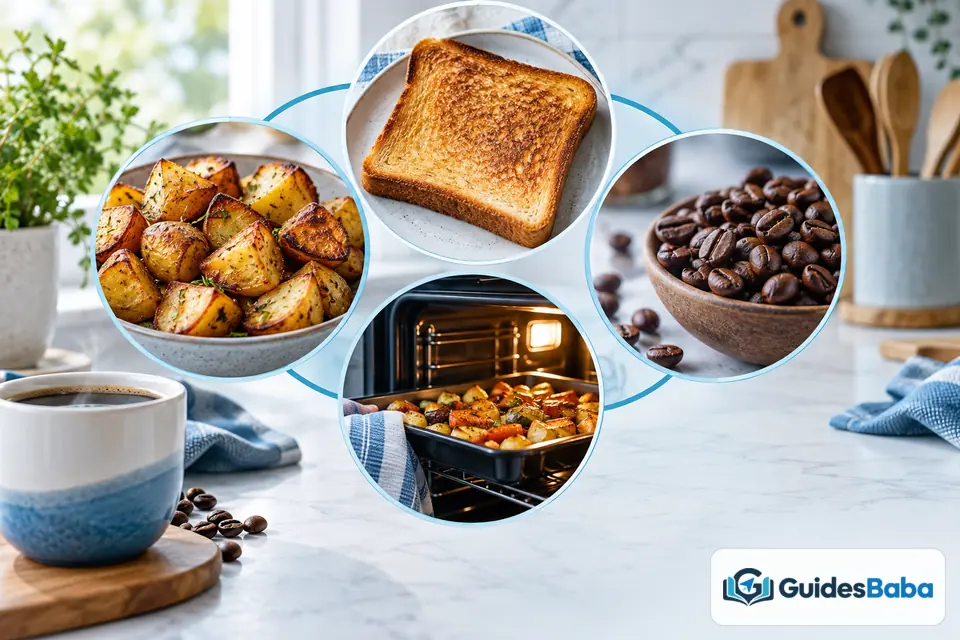
This is the question people ask most. Acrylamide is studied as a possible concern. High amounts trouble scientists in lab studies.
Everyday food holds far smaller amounts. The human evidence is still unclear. Agencies advise cutting intake where easy. They treat it with sensible caution. Research on people continues to this day.
You do not need to panic at toast. Simple habits lower your exposure. Balance and variety stay your best tools. No single meal defines your health. This is not medical advice. See a professional.
How agencies view acrylamide
Food agencies take acrylamide seriously. They study it and issue guidance. Their advice leans on caution.
They ask makers to reduce levels. They also share simple home tips. The message is to lower, not fear. Reduction is the practical goal.
Guidance updates as new evidence appears. Science keeps refining the picture. For now, moderation is the theme. Cut where you can, without stress. Steady habits matter more than perfection. The advice stays practical and calm.
High-heat cooking versus gentle cooking
People often ask which method is safer. The honest comparison weighs several traits. Each style brings its own result.
| High-heat cooking | Gentle cooking |
|---|---|
| Frying, roasting, and grilling | Boiling, steaming, and poaching |
| Browns food and adds crunch | Keeps food soft and pale |
| Can raise acrylamide levels | Keeps acrylamide very low |
| Best used now and then | Great for everyday meals |
Neither method is banned here. Crispy food can still have a place. Just balance it with gentler meals. Variety keeps your cooking healthy.
How to lower acrylamide at home

Lowering acrylamide is simpler than it sounds. Cook starchy foods to a light gold. Avoid dark brown or burnt edges.
Boil or steam potatoes more often. Soak raw chips in water before frying. Follow package cooking times closely. These small steps add up fast. Draining and drying also help a little.
Do not reheat starchy foods too hard. Toast bread to a pale shade. Trim any dark, burnt bits away. Simple habits cut your exposure. Gentle cooking does most of the work. A few tweaks make a real difference.
The go for gold cooking rule
A simple rule guides safer cooking. Aim for gold, not deep brown. Colour is your quick guide.
Golden chips and toast carry less acrylamide. Dark, crunchy edges carry more. So stop cooking at a light shade. Your eyes do the checking. No thermometer is needed for this.
This rule works across many foods. Roast potatoes, toast, and baked goods fit. It needs no special tools. A glance tells you enough. Colour is the easiest signal here. Golden means flavour without the darkest edges.
Storing potatoes the right way
Potato storage affects acrylamide too. Cold storage can raise their sugars. More sugar means more acrylamide when fried.
Keep potatoes in a cool, dark place. Avoid storing them in the fridge. A pantry or cupboard works better. This small habit helps a lot.
Use potatoes before they sprout or soften. Fresh, firm potatoes cook best. Good storage supports gentler results. It also cuts food waste. Simple care pays off here. A cool cupboard is the ideal spot.
Acrylamide in coffee and bread

Coffee and bread also contain acrylamide. Roasting coffee beans forms some. Baking and toasting bread adds more.
These foods are part of daily life. You do not need to quit them. Enjoy them in sensible amounts. Balance keeps the picture calm. Neither one dominates a varied diet.
Toast bread to a light gold. Enjoy coffee without worry or excess. Pair both with a varied diet. Moderation covers most concerns. No single food rules your health. A calm, balanced approach works best.
Air fryers and acrylamide
Air fryers have grown very popular. They crisp food with hot air. That still means high, dry heat.
So air-fried food can form acrylamide. The same gold rule applies here. Stop cooking at a light shade. Do not chase a deep brown. High heat still drives the reaction.
Air fryers do use less oil. That helps with fat, not acrylamide. Watch the colour just as closely. Shake the basket for even cooking. Lighter results stay the safer choice. Check the food before the timer ends.
Simple swaps for lower acrylamide
Small swaps make a real difference. Boil or mash potatoes more often. Save chips for an occasional treat.
Toast bread to a pale gold. Choose gentle cooking on most days. Each swap trims your exposure. Home cooking gives you full control. You decide the heat and the timing.
Change one habit at a time. A slow build keeps meals enjoyable. New routines stick when they feel easy. See how to make your everyday diet healthier too.
Common myths about acrylamide
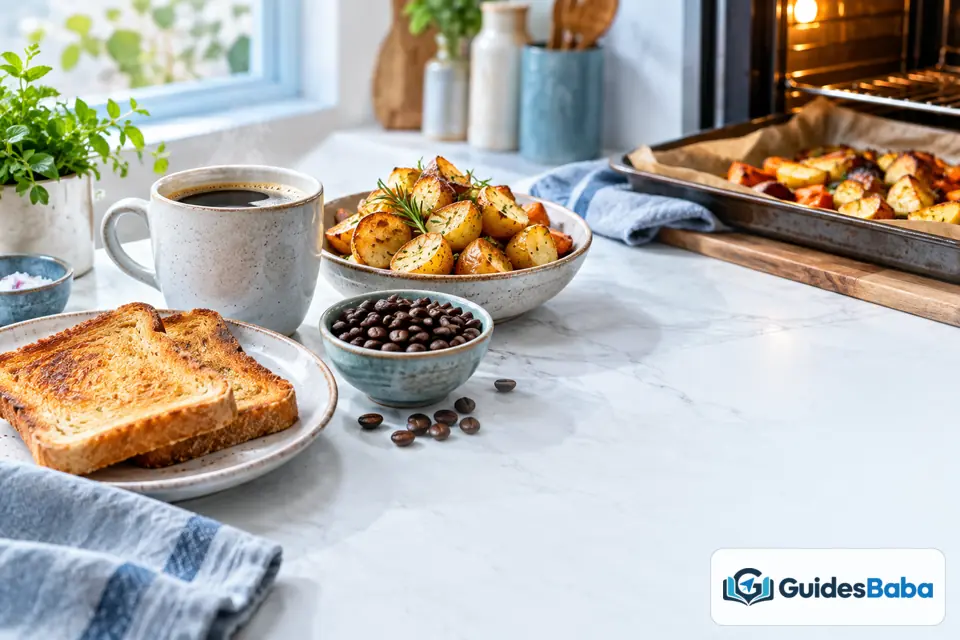
One myth says acrylamide is added on purpose. In truth, it forms during cooking. No one puts it in food.
Another myth claims one meal is dangerous. Occasional crispy food is not a crisis. Overall patterns matter far more.
Some believe only junk food has it. Even home toast can carry some. The cooking method decides the level. Judge the habit, not one bite.
Common mistakes people make
One common mistake is cooking food too dark. Deep browning raises acrylamide. A lighter gold is the safer aim.
Another mistake is fridge-storing raw potatoes. Cold storage lifts their sugar. That means more acrylamide later. Learn what a balanced diet looks like.
Some people also panic and overcorrect. They fear every crispy food entirely. Balance beats fear every time. Enjoy variety with gentle habits. Small changes protect your plate. A single meal will not undo you.
Who might need tailored advice
General guidance suits many healthy adults. Still, some people have special needs. Certain conditions change the picture.
Some eat very high amounts of fried food. Others have specific medical concerns. Personal habits shape the risk. Small details can matter here.
Your doctor or dietitian knows you best. Ask before making big diet changes. Use these ideas as a friendly guide. A short chat can ease worry.
Acrylamide and a balanced diet
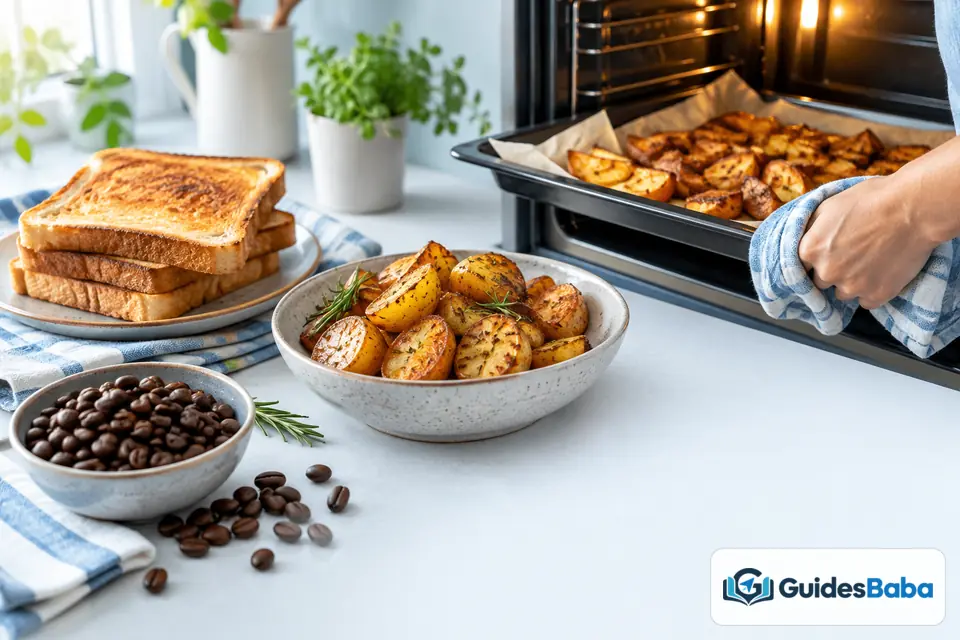
Acrylamide sits inside a wider pattern. What matters is your whole diet. One crispy food is a small part.
No single chemical defines your health. Balance across many foods matters most. Explore the foods to eat every day for ideas. Variety remains the guiding rule.
Treat acrylamide as one small factor. Favour gentle cooking most of the time. This mix keeps your meals rounded. A simple plate does the heavy lifting. Good habits compound quietly across the weeks.
Frequently asked questions
What is acrylamide in food?
It is a chemical formed during high-heat cooking. It appears mostly in starchy foods.
How does acrylamide form?
Sugars and an amino acid react in heat. Browning and frying raise the amount.
Which foods have the most acrylamide?
Fried potato products lead the list. Toast, biscuits, and coffee carry some too.
Is acrylamide dangerous in food?
High lab amounts concern scientists. Everyday food holds far smaller amounts.
How can I lower acrylamide at home?
Cook starchy foods to a light gold. Boil or steam potatoes more often.
Does boiling create acrylamide?
Boiling rarely forms it at all. Water keeps the temperature too low.
Why should I not fridge-store potatoes?
Cold storage raises their sugar content. That lifts acrylamide when you fry them.
Does coffee contain acrylamide?
Yes, roasting coffee beans forms some. Enjoy coffee in sensible amounts.
Do I need to avoid all crispy food?
No, occasional crispy food is fine. Just balance it with gentler meals.
Does toast have acrylamide?
Yes, especially when toasted dark. Aim for a light golden shade.
The bottom line
So what is acrylamide in food? It is a chemical formed by high-heat cooking. It appears in starchy foods like potatoes. Browning and frying raise the amount. Gentle cooking keeps it low.
Acrylamide is not a reason to panic. Aim for gold, favour gentle cooking, and stay balanced. Enjoy crispy food now and then. Small daily habits truly add up over time.
For more background, read this overview of acrylamide. You can also explore the Maillard reaction behind browning. Use trusted sources to guide your cooking.
This is not medical advice. See a professional for your personal needs. Toast a little lighter today. Then build slowly from there. Your habits will thank you.