
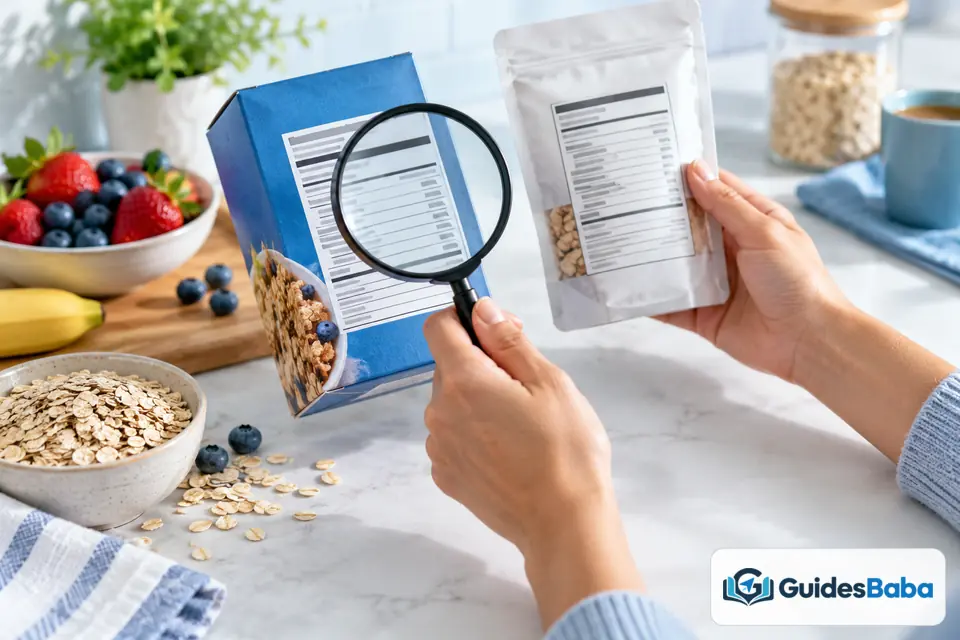
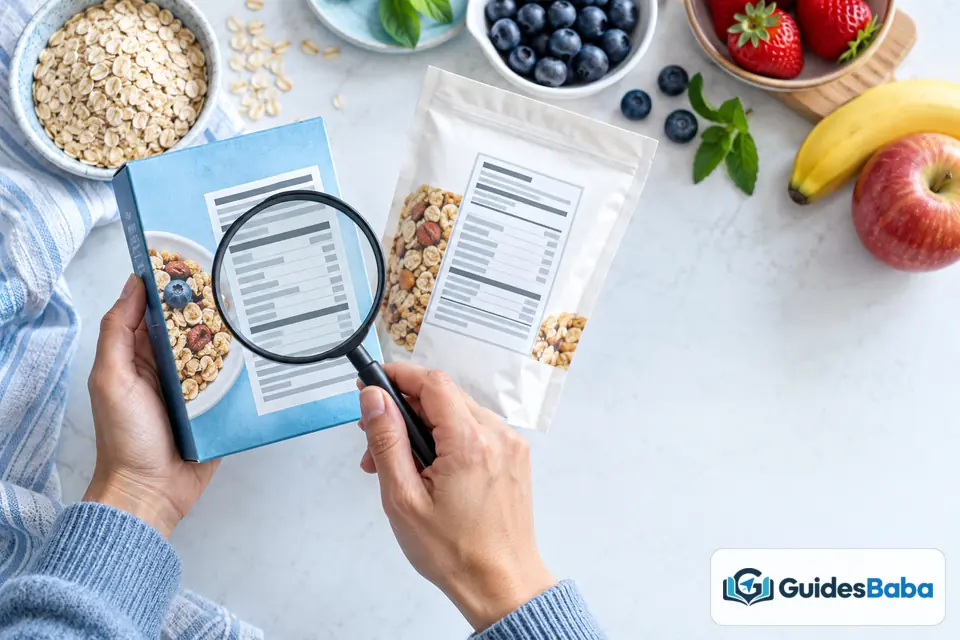
Food labels can feel like a secret code. Sugar loves to hide in that fine print. So how can you identify added sugar on a food label? The clues sit in plain sight once you know them.
Rather than trusting the front of the pack, flip it over. The back holds the real story. There you find the ingredient list and the panel. These two spots reveal the hidden sugar. They shape how refined carbohydrates reach your plate.
Here is the honest answer. Look at the nutrition panel for the added sugars line. Then scan the ingredient list for sugar names. Ingredients appear in order of weight. Sugar near the top means a lot. This is not medical advice. See a professional.
This guide covers label reading in plain language. You will learn where sugar hides and what to check. We will compare front labels and back panels. Many tips link back to a simple, honest habit.
How can you spot added sugar on a label?
The honest answer starts on the back. Turn the package over first. The nutrition panel lists total and added sugars. That added line is your main target.
Think of the label as a map. The front is the flashy cover. The back holds the real directions. Read the map before you trust the picture.
Do you need a science degree to do this? Not at all, and that is a relief. A few simple checks do the job. The panel and the ingredient list tell you plenty. A short pause in the aisle is enough.
Why added sugar is worth watching
Added sugar is sugar put in during processing. It differs from sugar found naturally in fruit. Manufacturers add it for taste and shelf life.
Too much added sugar crowds out better foods. It brings energy with little else attached. Whole foods carry fibre and vitamins as well. That extra package matters for your day.
Watching added sugar helps you choose wisely. It does not mean fearing every treat. Balance beats strict rules for most people. Small, steady checks build a better basket. A calm habit works better than panic.
Did you know?
Sugar hides under dozens of different names on labels. Many products list two or three sugars at once.
Total sugars versus added sugars
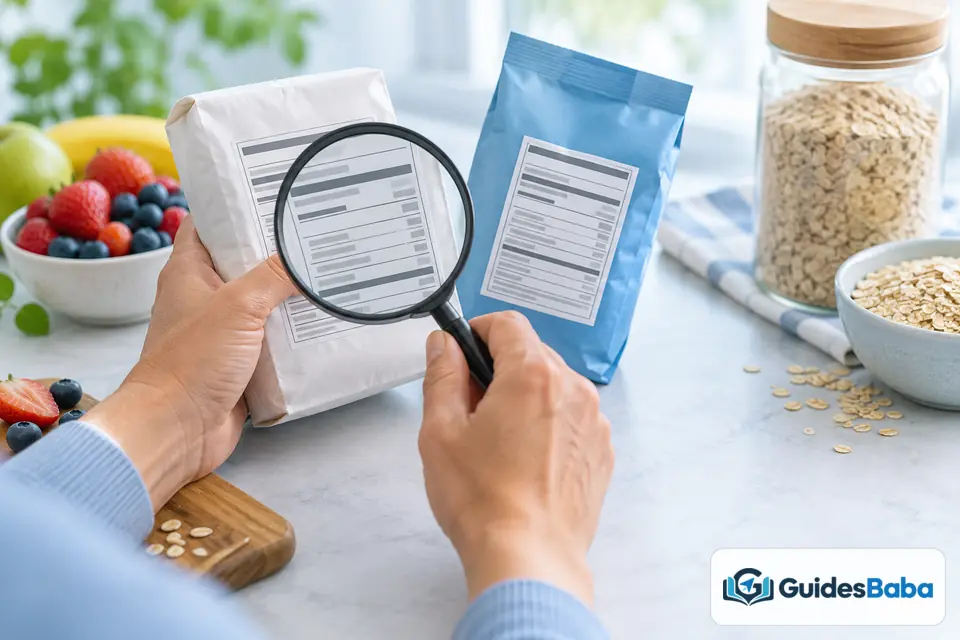
The panel often shows two sugar lines. One reads total sugars. The other reads added sugars just below.
Total sugars include natural and added together. Added sugars show only what was put in. Fruit and milk bring natural sugar on their own. That natural sugar is not the worry here.
Focus your eyes on the added sugars line. It cuts through the confusion fast. A plain yogurt may show total sugar. Yet its added sugar can read zero. That single line tells the real tale.
Reading the ingredient list closely
The ingredient list is your second clue. Ingredients appear in order of weight. The first items make up the most.
Sugar near the top signals a sweet product. Sugar far down the list matters less. Look for how early sugar appears. Position tells you plenty at a glance.
Sometimes several sugars sit lower down. Split across many names, they add up. Each one alone looks small. Together they climb higher than you think. Read the whole line, not just the start.
The many names for sugar
Sugar wears many disguises on a label. Sucrose, glucose, and fructose are common. Dextrose and maltose join the list too.
Syrups count as added sugar as well. Corn syrup and rice syrup appear often. Anything ending in “ose” is usually a sugar. That simple rule catches many of them.
Honey, molasses, and cane juice count too. They still act as added sugar in the body. A natural name does not make it free. Learn to spot healthier carbohydrate sources instead. Watch for words like nectar and concentrate.
Watch out for hidden syrups
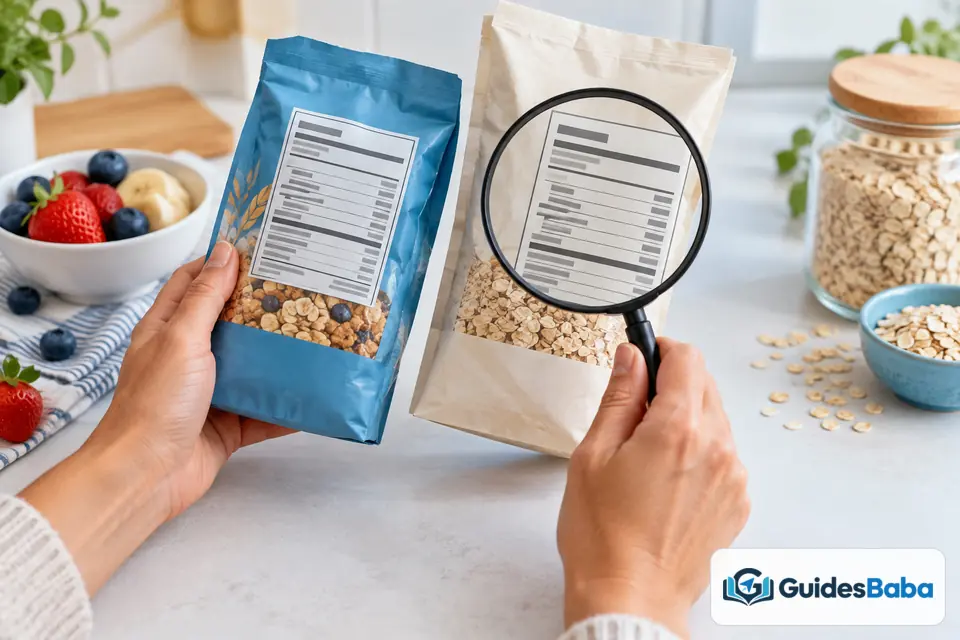
Syrups slip into savoury foods too. Sauces, breads, and dressings often carry them. You might never taste the sweetness directly.
These syrups boost flavour and texture. They also lengthen a product’s shelf life. A plain looking jar can still hide sugar. The label reveals what the taste conceals.
Scan sauces and condiments with care. Ketchup and marinades can surprise you. Check the panel before you assume. A quick look saves a sweet shock. Savoury does not always mean low sugar.
Serving size changes the picture
The serving size sits at the panel top. Every number below refers to it. A small serving can mask a big total.
Some packs list a tiny portion on purpose. That makes the sugar figure look modest. Then you eat two or three servings. The real intake climbs quietly higher.
Always check the serving size first. Then judge the sugar against a real portion. Multiply if you plan to eat more. Honest maths keeps you grounded. A single glance protects you here.
Front of pack claims can mislead
Front labels love cheerful buzzwords. “Natural” and “wholesome” sound healthy. Yet they say little about added sugar.
A “no artificial colours” badge ignores sugar entirely. A “low fat” tag can hide extra sweetness. Fat is often swapped for sugar in these foods. The claim distracts from the real content.
Treat the front as marketing, not fact. Let the back panel settle the question. Claims tempt you toward a quick trust. The ingredient list keeps you honest. A shiny word is not a nutrition score.

Natural sugar versus added sugar
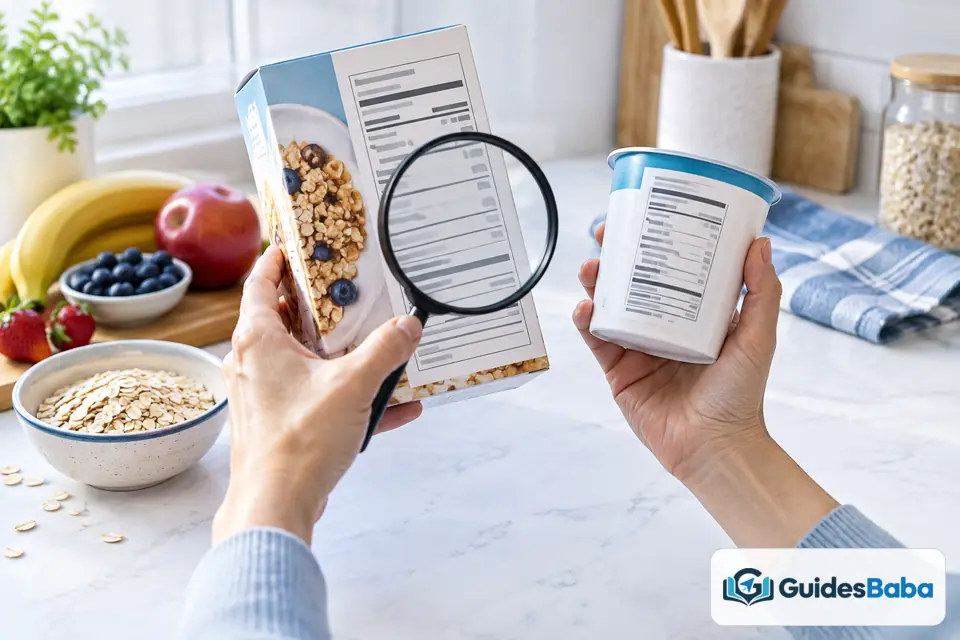
Natural sugar comes inside whole foods. Fruit, milk, and plain dairy carry it. It arrives with fibre, water, and nutrients.
Added sugar is put in during production. It brings sweetness with little else. The body treats large amounts of it similarly. Still, the whole food package changes the balance.
You do not need to fear fruit. Its sugar comes wrapped in good things. Focus your worry on added kinds instead. A whole apple beats a sugary drink. Context matters more than the word “sugar”.
Comparing front labels and back panels
People often ask which side to trust. The honest comparison is front versus back. Each serves a very different purpose.
| Front of pack claims | Back panel and ingredients |
|---|---|
| Designed to sell the product | Designed to state the facts |
| Uses vague, cheerful words | Uses measured, listed amounts |
| Hides sugar behind claims | Names every sugar clearly |
| Good for a first glance | Best for a real decision |
The back panel should win every time. Front claims tempt, but facts decide. Read both, then trust the numbers. Honest labels reward a careful shopper.
Easy steps to check any label
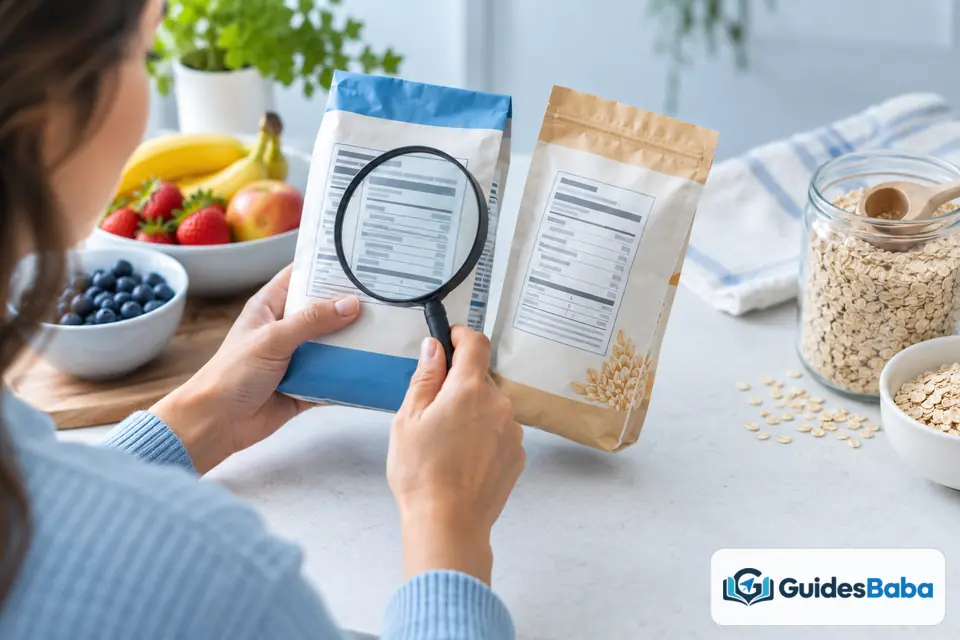
Checking a label is simpler than it sounds. Turn the pack over first. Find the added sugars line quickly.
Next, glance at the serving size. Then scan the first few ingredients. Each small step sharpens your choice.
Repeat this routine on a few products. Compare two similar items side by side. The lower sugar option often stands out. A short habit trains your eye fast. Practice makes the whole thing quick.
Building a lower sugar basket
A lower sugar basket follows a simple pattern. Lean on whole foods first. Choose plain versions where you can.
Buy plain yogurt and add fruit yourself. Pick unsweetened drinks over sugary ones. These swaps cut hidden sugar fast. Learn how to make your diet healthier step by step.
You do not need to weigh anything. A glance and simple habits work fine. Balance beats strict counting for most people. Adjust the basket to fit your life.
Reading labels on a budget
Smart label reading does not cost more. Store brands often match name brands. The panel shows the real difference.
Plain staples usually carry less sugar. Oats, rice, and beans are cheap and simple. They give you control over sweetness.
Compare labels to find the best value. Lower sugar options are not always pricier. Careful shopping keeps your basket honest. Batch cooking cuts packaged foods further. A little effort saves real money.
Common myths about sugar labels
One myth says brown sugar is healthier. In truth, it acts much the same. The body sees little difference here.
Another myth claims honey does not count. Honey is still an added sugar in products. It sweetens just like table sugar.
Some people think “no added sugar” means sugar free. It can still hold natural sugar. Read the full panel to be sure. A steady, honest habit wins over time.
Common mistakes people make
One common mistake is reading only the front. That hides the real sugar content. The back panel tells the truth.
Another mistake is ignoring the serving size. A small serving can mask a big total. Always judge against a real portion.
Some people also skip the ingredient list. That list reveals every sugar by name. Read it before you decide. A little care protects your choices. Follow simple nutrition guidelines to stay steady.
Who might need tailored advice
General label tips suit many healthy adults. Still, some people have special needs. Certain conditions change the picture.
People managing blood sugar may need closer care. Some plans limit sugar more strictly. Your doctor knows your situation best.
This is not medical advice. See a professional for your personal needs. Use these label ideas as a friendly guide. A short chat can prevent bigger problems.
Added sugar and a balanced diet
Added sugar fits inside a wider pattern. A little now and then is fine. Balance across many foods matters most.
No single label decides your whole diet. Steady, smart choices add up over weeks. Watch the sugar without fearing every bite. Variety remains the guiding rule.
Treat labels as helpful signals, not judges. Pair whole foods with occasional treats. This mix keeps your meals rounded. A simple habit does the heavy lifting. Good choices compound quietly across the weeks.
Frequently asked questions
Where do I find added sugar on a label?
Look at the nutrition panel for the added sugars line. Then scan the ingredient list.
What are common names for added sugar?
Sucrose, glucose, fructose, and syrups are common. Most words ending in “ose” mean sugar.
Is total sugar the same as added sugar?
No, total sugar includes natural sugar too. Added sugar shows only what was put in.
Does natural sugar in fruit count as added?
No, sugar inside whole fruit is natural. Added sugar is put in during processing.
Why does ingredient order matter?
Ingredients appear in order of weight. Sugar near the top means more sugar.
Can savoury foods contain added sugar?
Yes, sauces and breads often hide sugar. Always check the panel to be sure.
Does “no added sugar” mean sugar free?
No, it can still hold natural sugar. Read the full panel carefully.
Is honey better than table sugar?
Honey still counts as added sugar. The body treats large amounts similarly.
Why check the serving size first?
All numbers refer to one serving. A small serving can hide a big total.
Are front of pack claims reliable?
Not on their own. Trust the back panel and ingredient list instead.
The bottom line
So how can you identify added sugar on a food label? Turn the pack over first. Read the added sugars line and the ingredients. Watch for sugar near the top. A short habit reveals the truth fast.
Back panels make hidden sugar easy to catch. Trust facts before front claims. Simple checks keep your basket honest. Small daily habits truly add up over time.
For more background, read this overview of added sugar. You can also explore how the nutrition facts label is arranged. Use trusted sources to guide your choices.
This is not medical advice. See a professional for your personal needs. Check one label today. Then build the habit slowly. Your basket will thank you.