
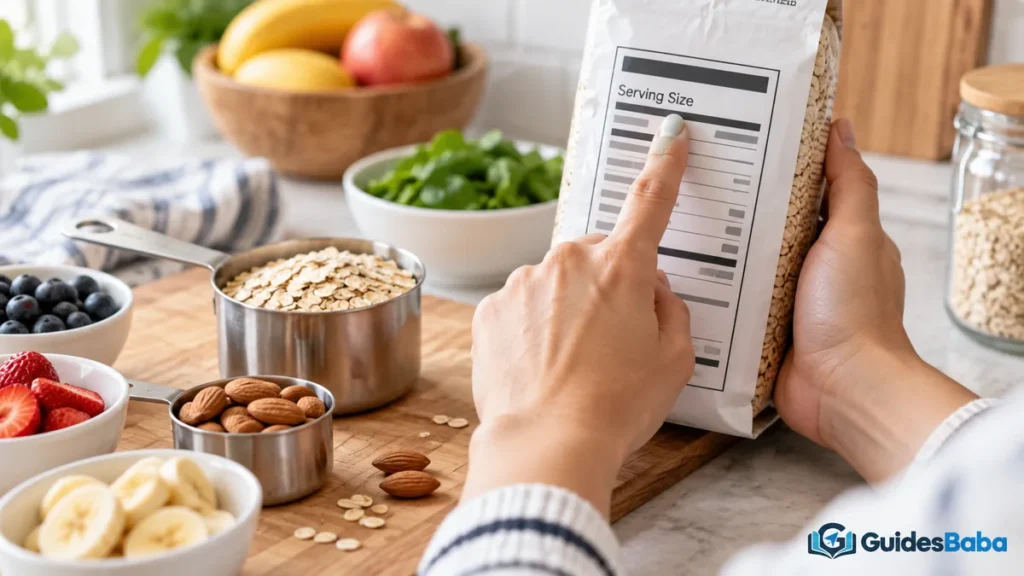

A label can look like a wall of numbers. One line quietly sets the rest. So what does serving size mean on a food label? The answer changes how you read everything.
Rather than trusting the big print, look lower. The serving size shapes every figure below it. It tells you what one portion holds. A label is like a recipe scale. It only works once you read the base.
Here is the honest answer. Serving size is the amount the numbers describe. It is one suggested portion, not the whole pack. Every calorie and nutrient line refers to it. Eat two servings and you double those numbers. This is not medical advice. See a professional.
This guide covers serving size in plain steps. You will learn where it sits on the label. We will compare serving size and portion size. Many tips link back to reading the whole panel.
So what does serving size mean on a food label?
The honest answer sits near the top. Serving size names one measured amount of food. Every number below refers to that amount. It is your reading key.
Think of it as a unit of measure. The label speaks in servings, not packs. One serving might be a cup or a slice. Read that line before anything else.
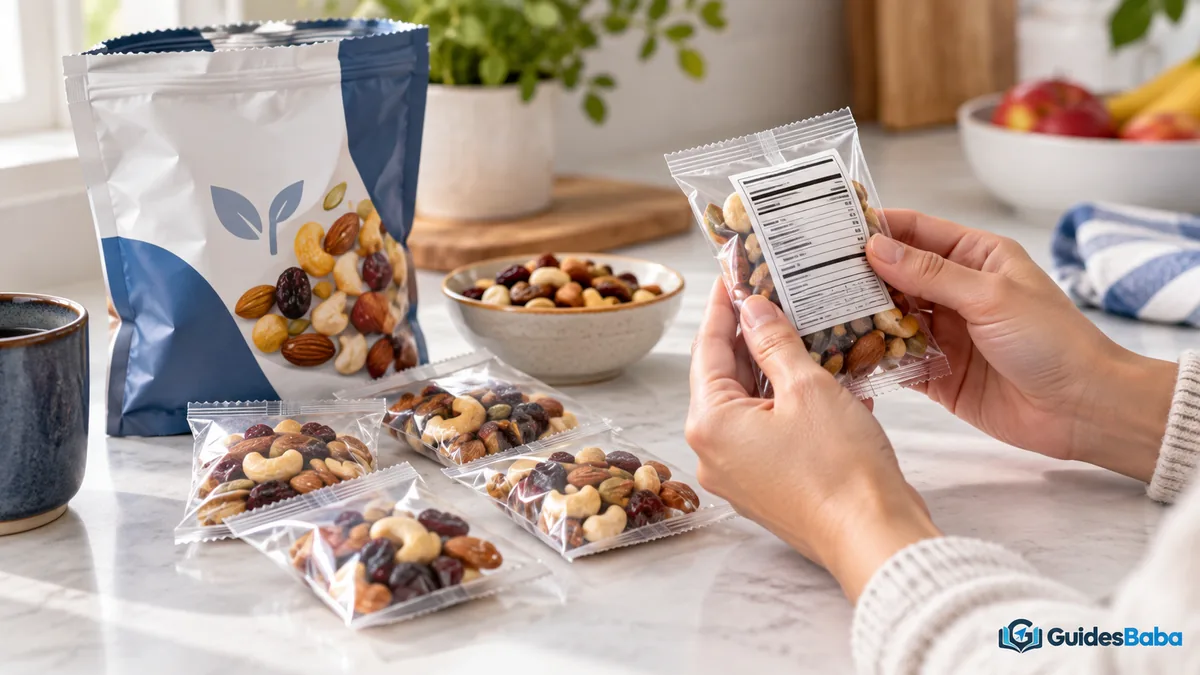
Does the pack hold just one serving? Often it does not, and that surprises people. A small bag may hold two or three. Check the servings per container line too. That number quietly multiplies everything.
Why serving size matters on a label
Serving size anchors the entire label. Skip it and the numbers lose meaning. A calorie count means little alone.
Say a snack shows 150 calories per serving. That figure looks small at first. Then you see three servings per bag. The real total climbs much higher.
Reading the serving size builds honest habits. You judge food by real amounts eaten. No number tricks you into guessing. Every choice rests on solid ground. A clear base makes comparison fair.
Did you know?
The serving size is a reference amount, not a health limit. It simply shows what the numbers describe.
How serving size appears on the label
Serving size sits right at the top. It usually shows two figures together. One is a household measure and one is grams.
The household measure feels familiar and quick. You might see one cup or two pieces. The gram weight adds precise detail. Reading them together removes any guesswork.
Look for bold text near the label heading. That formatting draws your eye first. It signals the base for every number. Start your reading right there.
Servings per container explained
Just below serving size sits another line. It counts the servings in the whole pack. This number often gets ignored.
A bottle might list two and a half servings. Drink it all and you triple the base. The calories and sugar rise with you. Multiply the numbers by servings consumed.
Some packs now show a second column. It lists numbers for the entire container. This helps with foods people finish at once. Check which column you are reading.
Serving size versus your own portion
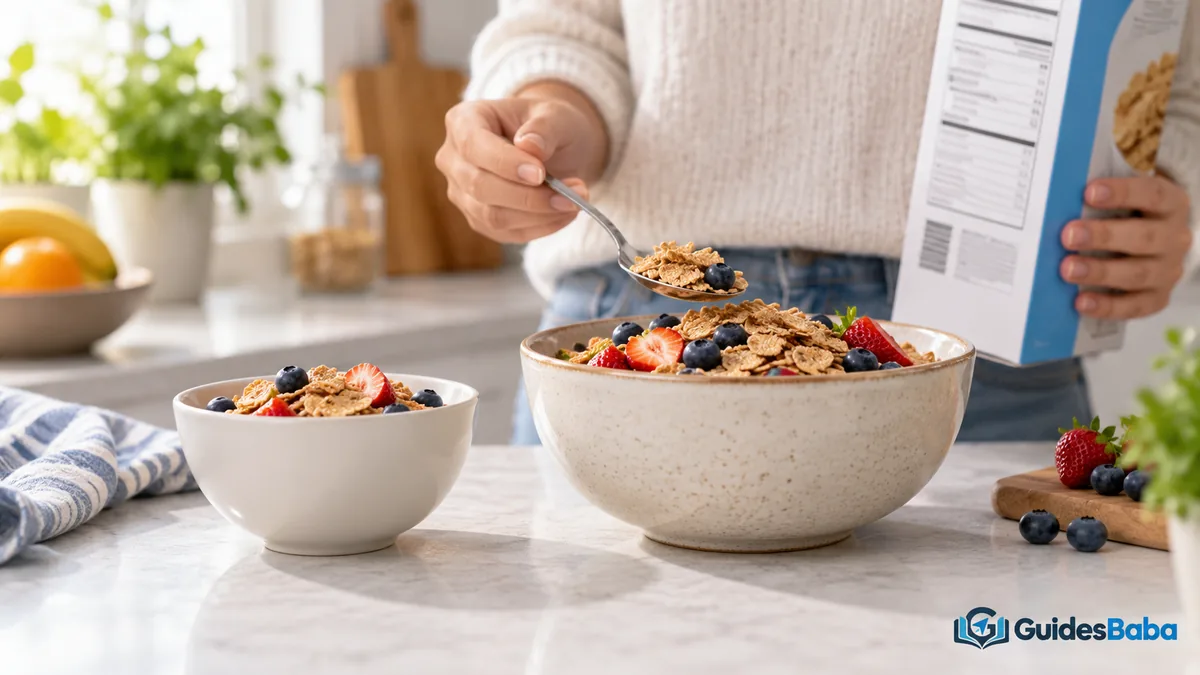
Serving size and your portion can differ. The label suggests one amount. Your bowl may hold much more.
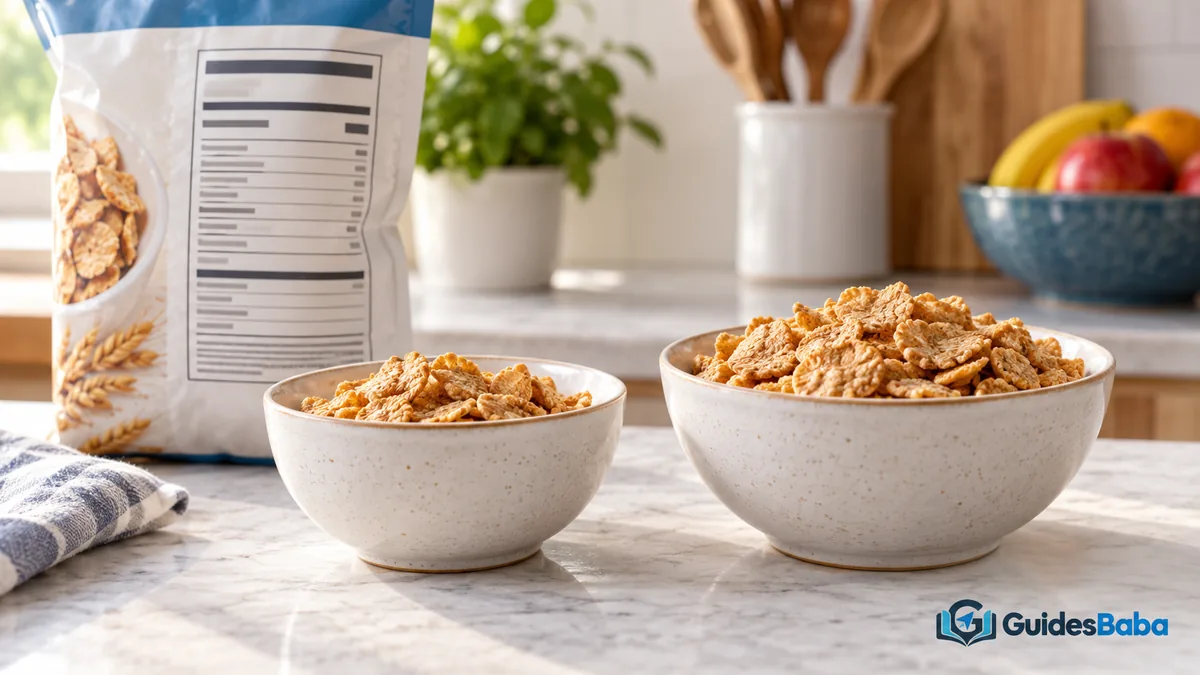
A cereal serving might be one cup. Many people pour nearly double that. The label numbers then understate reality. Compare your real scoop to the stated serving. Honesty here keeps the math accurate.
You do not have to eat the exact serving. Just adjust the numbers to match your plate. Eat half and halve the figures. Eat double and double them instead. Simple scaling keeps you informed.
Reading the numbers per serving
Every value below refers to one serving. Calories, fat, and sugar all follow this rule. So do vitamins and minerals.
Read each line as a per serving figure. The sodium shown is for one portion. The same holds for protein and fibre. Keep the serving size in mind throughout.
Want to check a nutrient fast? Find its line and note the amount. Then scale it to your real portion. Learn to read a nutrition facts label fully. The serving size ties it all together.

How manufacturers set serving sizes
Serving sizes are not random figures. Rules guide how they are chosen. They reflect typical amounts people eat.
Regulators base them on common consumption habits. The aim is a realistic single portion. So the numbers stay comparable across brands. This shared basis helps you compare fairly.
These sizes are references, not targets. They do not tell you how much to eat. They only standardise the label numbers. Read them as a measuring tool. Your appetite still guides your plate.
How to measure a serving at home
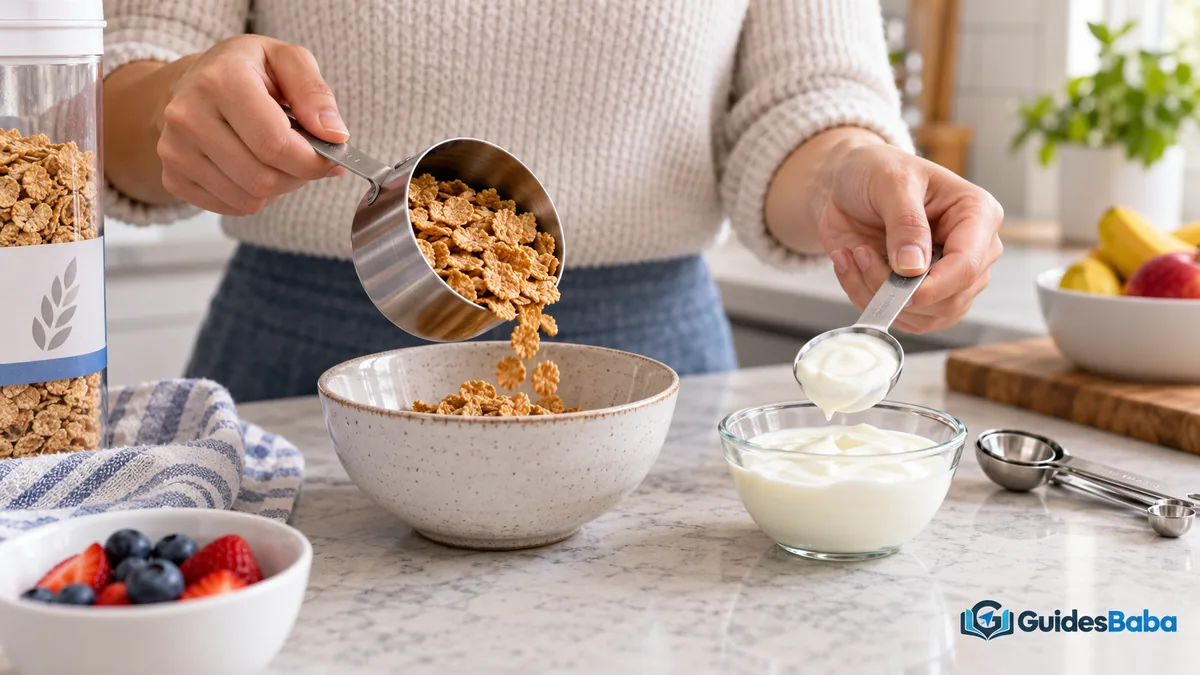
Measuring a serving is easy at home. A few simple tools help a lot. You quickly learn what a portion looks like.
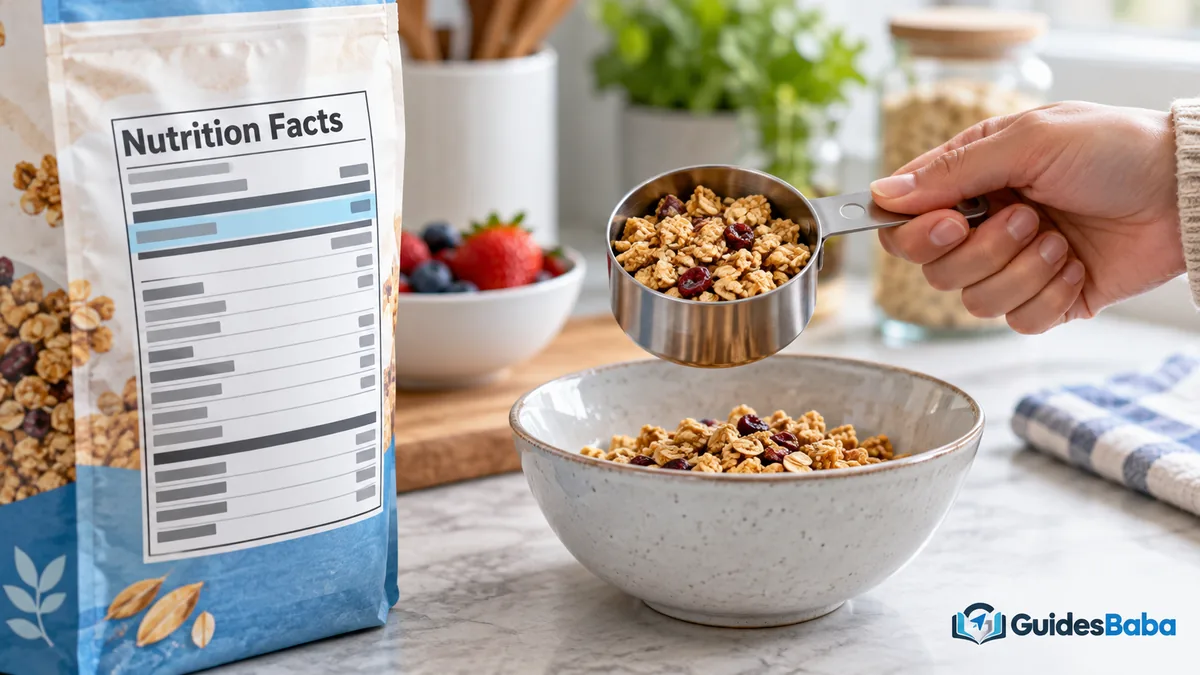
Use a measuring cup for cereal or rice. A kitchen scale reads grams precisely. Compare the result to your usual scoop. This teaches your eye over time. Soon you estimate without any tools.
You need not weigh food forever. A few checks build lasting instinct. Your hands become handy guides too. A fist roughly matches one cup.
Comparing serving size and portion size
People often mix these two terms up. The honest comparison is label versus plate. Each one means something different.
| Serving size | Portion size |
|---|---|
| Set by the label as a reference | Chosen by you at the table |
| Fixed and printed on the pack | Varies with hunger and habit |
| Defines every number shown | Decides how much you actually eat |
| Same for every shopper | Personal to each person |
You do not have to match the two. Just scale the label to your portion. Eat more and adjust the numbers up. Eat less and adjust them down.
Using serving size to compare products
Serving size makes fair comparison possible. Two products may look similar at first. The serving line reveals the truth.
One yogurt might list a smaller serving. Check both serving sizes side by side. Only then can you compare honestly. A fair base keeps you from being fooled.
Try comparing per gram when sizes differ. This levels the field between brands. It exposes which food packs more sugar. Small math brings real clarity.
Serving size and added sugar
Serving size shapes how sugar appears. A low sugar figure can mislead. It only counts one small serving.
A drink may show little sugar per serving. Then the bottle holds three servings. The real sugar total climbs fast. Learn more about added sugars in foods. Reading the base keeps sugar honest.
Always tie sugar to the serving amount. Multiply it by how much you drink. That reveals the sugar you truly get.
Serving size and calories add up
Calories on a label follow the serving. One serving may seem light and small. The full pack tells another story.
A cookie might show ninety calories each. That number covers a single cookie only. Eat four and the total quadruples. Keep the serving front of mind. Calories rise with every extra portion.
This is not about fearing food. It is about reading numbers clearly. Serving size keeps calorie math honest. You then choose with open eyes. A steady habit builds better judgement.
Serving size for drinks and snacks
Drinks and snacks trip many people up. Their servings often seem oddly small. One pack rarely equals one serving.
A soda bottle may list two servings. A snack bag might list three. People usually finish the whole thing. So the real numbers double or triple. Check these packs with extra care.
Multi serving packs need close reading. Note the servings before you snack. Then decide how much to enjoy. This keeps surprises off your label.
Common serving size mistakes
One common mistake is ignoring the line. People read calories and stop there. The serving base slips past them.
Another mistake assumes one pack equals one serving. Many packs hold several servings instead. This doubles the numbers unexpectedly. Always check the container count. That habit prevents a big misread.
Some shoppers forget to scale for portions. They eat double but read single figures. The math then quietly misleads. Match numbers to what you eat. A small adjustment fixes it.
Serving size myths worth dropping
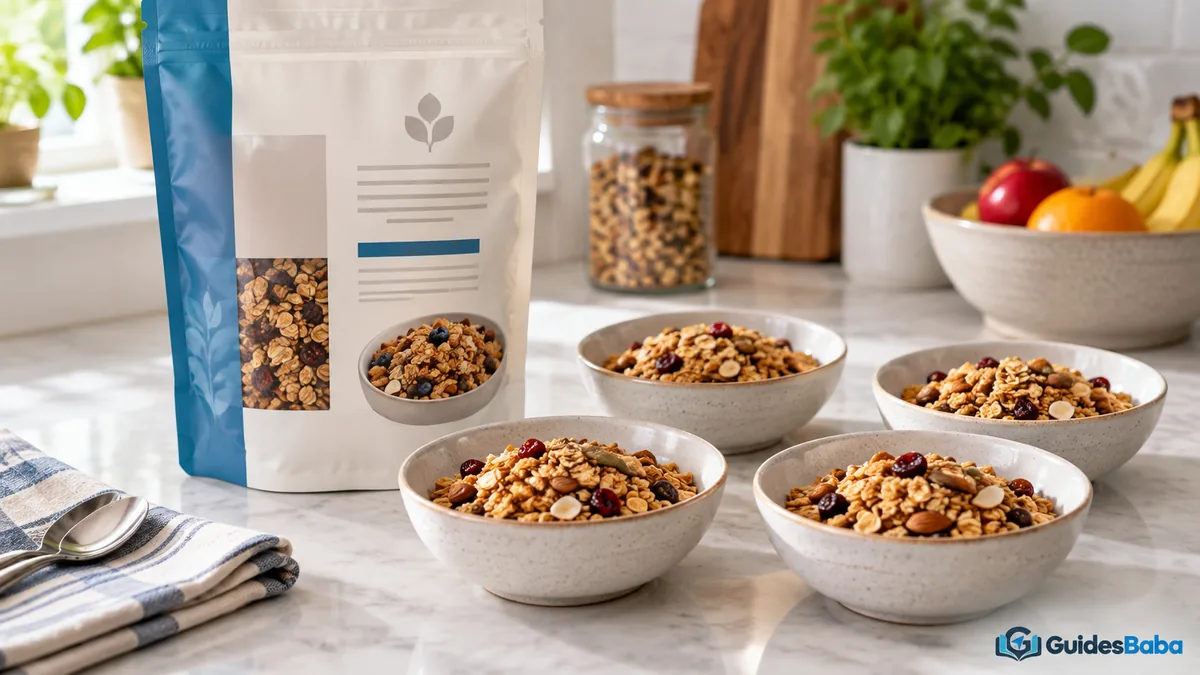
One myth says serving size is a limit. In truth it is only a reference. You may eat more or less.
Another myth claims it fits every body. Serving sizes reflect average habits instead. Your needs may differ widely. Use the number as a guide. Personal appetite still leads the way.
Some think all brands share one serving. Sizes actually vary between products. That is why you must check. A quick look clears the confusion. Never assume the base. Read it fresh each time.
Who might need tailored advice
General label reading suits many healthy adults. Still, some people have special needs. Certain conditions change the picture.
Some diets limit sugar or sodium closely. Serving math then matters even more. Your doctor knows your situation best. Allergies also shape your safe choices.
This is not medical advice. See a professional for your personal needs. Use serving size as a friendly guide. A short chat can prevent bigger problems.
Serving size and a balanced diet
Serving size supports steady, balanced eating. It helps you judge amounts honestly. Balance grows easier to see.
Read servings across many foods each day. This spreads your nutrients more evenly. See what a balanced diet looks like in practice. No single serving carries the day. Variety across meals matters most.
Treat serving size as a gentle tool. It informs choices without ruling them. Pair it with whole, simple foods. Explore the foods to eat every day too. Good habits compound quietly over weeks.
Frequently asked questions
What does serving size mean on a food label?
It is the amount the label numbers describe. Every value below refers to that portion.
Is serving size the same as portion size?
No, serving size is a fixed reference. Portion size is what you actually eat.
Does one pack equal one serving?
Often not, so check the container count. Many packs hold two or more servings.
Why does serving size matter?
It anchors every number on the label. Without it the figures lose real meaning.
How do I scale the numbers?
Eat double and double the figures. Eat half and halve them instead.
Who sets the serving size?
Regulators set it from typical eating habits. It reflects a common single portion.
Is serving size a health limit?
No, it is only a reference amount. You may eat more or less freely.
How do I measure a serving?
Use a measuring cup or kitchen scale. Compare the result to your usual scoop.
Why do brands list different servings?
Serving sizes vary between products by design. Always compare both before you decide.
Does serving size affect sugar reading?
Yes, low sugar can cover one small serving. Multiply it by how much you eat.
The bottom line
So what does serving size mean on a food label? It is the amount the numbers describe. It is one suggested portion, not the whole pack. Every calorie and nutrient line refers to it. Read it before you judge any food.
Serving size keeps your label reading honest. It lets you compare products fairly. Check servings per container every time. Small habits like this truly add up over weeks.
For more background, read this overview of a serving size as a concept. You can also explore the wider nutrition facts label and its history. Use trusted sources to guide your habits.
This is not medical advice. See a professional for your personal needs. Read one serving size today. Then build slowly from there. Your future self will thank you.