


The supplement aisle can feel like a maze. Bright bottles promise energy, focus, and better health. So what are dietary supplements really? They are products meant to add nutrients to your diet. It is easy to feel spoilt for choice.
Rather than guessing in the pharmacy aisle, learn the basics. Supplements come in many forms and strengths. Some fill real gaps in a diet. Others simply repeat what food already gives you. Knowing the difference saves money and worry.
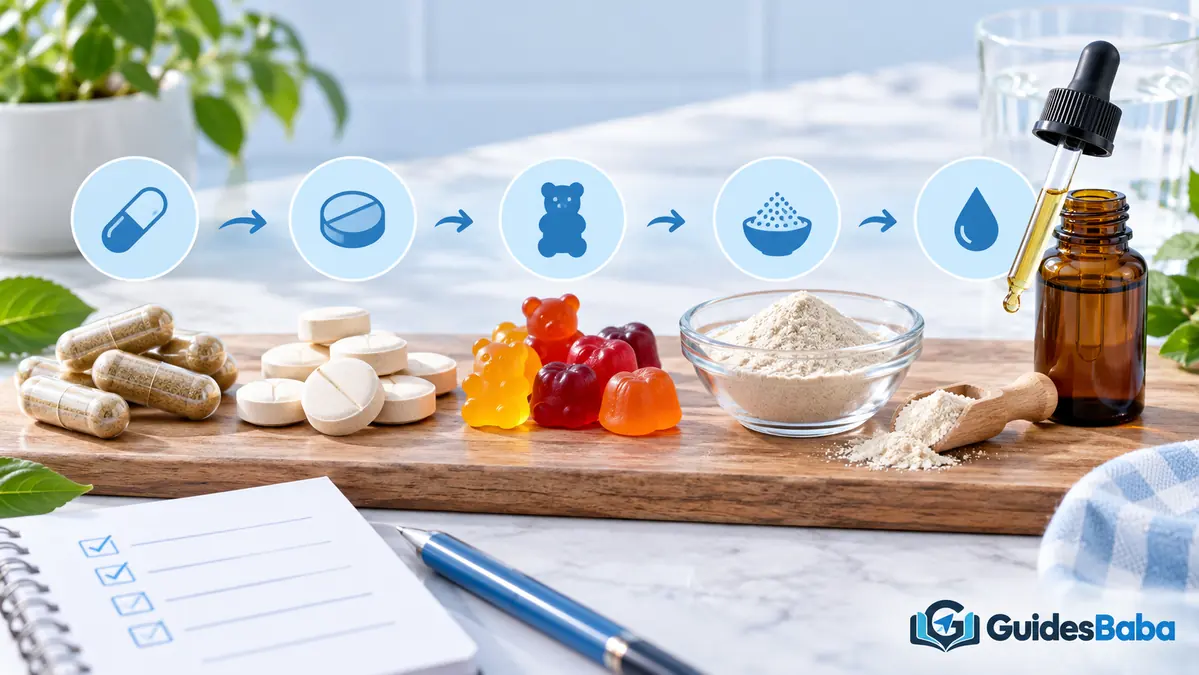
Here is the honest answer. Dietary supplements are concentrated sources of nutrients or other substances. They include vitamins, minerals, herbs, amino acids, and more. You take them to supplement, not replace, real food. They come as pills, powders, capsules, and liquids. Most healthy people can meet their needs through meals.
This guide covers what supplements are and how they work. You will learn the main types and their uses. We compare a food-first and supplement-first approach clearly. This is not medical advice. See a professional.
So what are dietary supplements?
The honest answer is fairly simple. Supplements are products that add nutrients to your diet. They are not meant to be medicines.
Think of them as a backup, not a main meal. Food remains the star of good nutrition. Supplements sit quietly in a supporting role. They can help when your diet falls short.
Do they work like magic pills? Not really, and that is the key point. They add specific nutrients in measured amounts. They cannot fix a poor diet alone. Real change starts on your plate. Think of them as small helpers only.
The main categories of supplements
Supplements fall into a few broad groups. Each group serves a slightly different purpose. Knowing them helps you shop wisely.
Vitamins and minerals are the most familiar group. Herbal and botanical products form another. Protein powders and amino acids make a third. Others include fish oils and probiotics. The list keeps growing every year.
You can explore the vitamins your body relies on. Learn about the vitamins your body needs every day. Minerals matter just as much for health. Each nutrient plays its own small part. A single group rarely covers everything.

Why do people take supplements?
People reach for supplements for many reasons. Some worry about gaps in their diet. Others chase energy, sleep, or better skin.
A busy life can crowd out balanced meals. Certain diets may miss specific nutrients. Older adults sometimes absorb less from food. Pregnancy raises the need for some nutrients. These are common and valid reasons.
Yet not every reason holds up well. Marketing can promise more than science supports. A supplement is not a shortcut to health. Learn about the essential nutrients your body truly needs.
Did you know?
Most nutrients are best absorbed from whole foods. Supplements work best when your diet still needs support.
How supplements are regulated
Supplements are not tested like prescription drugs. Rules vary a lot between countries. This surprises many first-time buyers.
In many places, makers are responsible for safety. Products often reach shelves without prior approval. Quality can differ between brands and batches. That is why trusted sellers matter. Independent testing adds another layer of trust.
This looser system asks buyers to stay alert. Read labels and choose reputable makers. Watch for wild health claims. When unsure, ask a pharmacist for guidance. A trusted brand is worth the effort.

What a supplement label tells you
A label holds more information than people notice. It lists nutrients and their amounts. It also shows the serving size.
Look for the amount per serving first. Check the percentage of daily value listed. Note any added fillers or allergens. Watch the suggested use and warnings. These details guide safe, sensible use.
Labels also carry batch and expiry dates. Expired products may lose their strength. Store them as the label suggests. A careful read prevents simple mistakes. Never skip the small print here.
Vitamins and minerals in supplement form
Vitamins and minerals lead the supplement world. They come alone or combined in multivitamins. Each supports specific body functions.
Some vitamins dissolve in fat and store in the body. Others dissolve in water and leave quickly. This affects how often you need them. Minerals like calcium and iron support key roles. Balance across nutrients matters most.
More is not always better with these. Very high doses can cause real harm. Learn how too much can backfire. Stick to sensible amounts unless advised otherwise. Balance always beats blind loading.
Herbal and botanical supplements
Herbal supplements come from plants and their extracts. People have used them for centuries. Their popularity remains strong today.
Common examples include ginger, turmeric, and green tea extracts. Some carry gentle, well-known effects. Others lack strong scientific backing. Natural does not always mean safe. Herbs can still interact with medicines.
Treat herbal products with the same care. Read about whether herbal supplements are safe. Ask a professional before starting one. Caution protects your health.

Protein and specialty supplements
Protein powders help some people meet targets. Athletes and busy eaters often use them. They offer a quick, convenient boost.
Whey, soy, and pea proteins are common types. Amino acids target muscle support. Fish oils supply certain healthy fats. Probiotics aim to support gut balance. Each serves a narrow, specific goal.
Most people can meet protein needs through food. Beans, eggs, and dairy all help. Supplements simply add ease for some. Whole meals still come first. A balanced plate covers most people.

Can supplements replace real food?
This is a common and important question. The short answer is a clear no. Food gives far more than single nutrients.
Whole foods carry fibre, water, and plant compounds. They deliver nutrients in natural balance. Supplements isolate just a few pieces. That misses the wider benefit of meals. Food works as a complete package.
So use supplements to support, not replace. Build meals around vegetables, grains, and protein. Add a supplement only when needed. Your plate should always lead. Nothing in a bottle beats real meals.
When supplements may genuinely help
Sometimes supplements truly earn their place. Certain groups face real nutrient gaps. In these cases they add clear value.
Pregnancy often calls for folic acid support. Some people lack enough vitamin D indoors. Strict diets may miss certain nutrients. Some conditions reduce nutrient absorption. A professional can spot these needs.
Even then, the right choice varies. Testing can reveal an actual shortfall. Guessing wastes money and effort. Personal advice beats general rules here. A simple test can guide you well.
When you probably do not need them
Many people take supplements they do not need. A varied diet often covers the basics. Extra pills then add little.
If you eat plenty of fruit and vegetables, you likely do well. A balanced diet covers most needs. Whole grains and protein round it out. Water and sleep matter too. Habits often beat any bottle.
Spending on unneeded supplements adds up fast. That money could buy better groceries. Focus on real food first. Save supplements for genuine gaps. Your wallet will thank you later.
Comparing food-first and supplement-first approaches
People often debate two broad approaches. One puts food first and pills second. The other leans on supplements heavily.
| Food-first approach | Supplement-first approach |
|---|---|
| Nutrients from whole meals | Nutrients from pills and powders |
| Includes fibre and plant compounds | Often misses those extras |
| Lower ongoing cost | Higher ongoing cost |
| Fills gaps only when needed | Risks doubling up nutrients |
Most experts favour the food-first path. Supplements then fill only real gaps. This keeps nutrition natural and balanced. Food stays at the centre. Pills play a small supporting role.
Are supplements safe to take?
Safety depends on the product and person. Many supplements are safe in sensible amounts. Some carry real risks though.
High doses can strain the body. Certain nutrients build up and cause harm. Some products hide undeclared ingredients. Interactions with medicines are a concern. Care and moderation protect you.
This is not medical advice. See a professional before starting anything new. Share your full health history first. A quick check prevents bigger problems.

Talking to a doctor or pharmacist
A short chat can save real trouble. Doctors and pharmacists know your health picture. Their advice beats guesswork every time.
Bring a list of your current medicines. Mention any supplements you already take. Ask about doses and possible interactions. Raise any conditions or allergies. Honest details lead to safer advice.
Pharmacists are easy to reach for questions. They can flag risky combinations quickly. No appointment is usually needed. Use this free expertise often.
How to store supplements well
Good storage keeps supplements working properly. Heat and damp can weaken them. A little care goes a long way.
Keep bottles in a cool, dry place. Avoid the steamy bathroom cabinet. Close lids tightly after each use. Keep them away from children. Check expiry dates now and then.
Old supplements may lose their strength. Discard any past their date. Never mix products into one container. Clear labels prevent mix-ups.

Common mistakes people make
A few mistakes come up again and again. Most are easy to avoid. Awareness is half the battle.
Some people take more than the label says. Others mix many products without advice. A few skip meals and rely on pills. Some ignore interactions with medicines. Small errors can add real risk.
Chasing trends is another common trap. New products appear with bold claims. Wait for solid evidence first. Sensible habits always win.
Supplements within a balanced diet
Supplements fit best inside a wider plan. They support good eating, not replace it. Balance remains the real goal.
Fill your plate with vegetables, fruit, and grains. Add lean protein and healthy fats. Drink water and move your body. Let supplements cover the small gaps. This keeps your routine grounded in food.
Treat any supplement as a helpful extra. It works alongside good daily habits. Whole foods should always lead. Balance carries the day.
Frequently asked questions
What are dietary supplements?
They are products that add nutrients to your diet. They include vitamins, minerals, herbs, and more.
Do I need to take supplements?
Many healthy people meet their needs through food. Some groups may benefit from targeted support.
Are supplements safe?
Many are safe in sensible amounts. Always check with a doctor or pharmacist first.
Can supplements replace meals?
No, supplements cannot replace real food. Whole meals give far more than single nutrients.
What forms do supplements come in?
They come as pills, capsules, powders, and liquids. Gummies and drinks are also common.
Are natural supplements always safe?
Natural does not always mean safe. Herbs can still interact with your medicines.
Can I take several supplements together?
Combining products can add up to too much. Ask a professional before mixing them.
How do I choose a good product?
Pick reputable brands and read labels closely. Independent testing adds extra confidence.
When should supplements be taken?
Follow the label or your professional advice. Some work better with food.
Where can I get trusted advice?
Speak to your doctor or pharmacist directly. They know your health and current medicines.
The bottom line
So what are dietary supplements? They are products that add nutrients to your diet. They include vitamins, minerals, herbs, and more. They support good eating, not replace it. Food should always come first.
Use supplements to fill real, specific gaps. Choose trusted products and read labels well. A balanced diet still does most of the work. Habits matter more than any bottle.
For more background, read this overview of dietary supplements as a category. You can also explore the role of vitamins in the body. Use trusted sources to guide your choices.
This is not medical advice. See a professional for your personal needs. Talk to a doctor or pharmacist first. Then choose what truly fits you.