
The shelf is full of green, leafy promises. Each bottle claims a gentle, natural fix. So are herbal supplements safe to take? The honest answer is not so simple.
Rather than trusting the word natural alone, dig deeper. Natural does not automatically mean harmless. Many strong medicines began as plants. Herbs carry real effects and real risks. A little caution goes a long way.
Here is the honest answer. Some herbal supplements are safe for many people. Others can cause harm or clash with drugs. Quality and dose vary widely between products. Your health and medicines change the picture. Always check with a professional first.
This guide covers the real risks and benefits. You will learn how herbs affect the body. We compare herbal and conventional options clearly. This is not medical advice. See a professional.
So are herbal supplements safe?
The honest answer is that it depends. Safety is not the same for every herb. Context changes everything here.
Think of herbs like the weather. Some days are calm and gentle. Others bring sudden storms without warning. The same plant can help or harm. Your body and dose decide the outcome.
Does natural always mean safe and mild? Not at all, and that is key. Poison ivy is perfectly natural too. Strength and risk both live in plants. Respect beats blind trust every time.
What herbal supplements actually are
Herbal supplements come from plants and their parts. Leaves, roots, and seeds all feature. They arrive as pills, powders, or teas.
People have used herbs for many centuries. Traditions around the world lean on plants. Some uses hold up under modern study. Others rest on old belief alone. Evidence varies a great deal between herbs.
These products are not the same as food. They concentrate plant compounds into strong doses. That concentration is exactly why care matters. Learn how they differ from ordinary dietary supplements here. Knowledge helps you choose wisely.
Did you know?
Many modern medicines were first discovered in plants. Natural does not mean gentle or risk free.
Why natural does not mean risk free
This idea sits at the heart of safety. Nature makes both cures and poisons. The label natural hides that truth.
Plants create powerful chemicals to survive. Some of those affect the human body strongly. A helpful dose can become a harmful one. The line between the two can be thin. Respect the strength inside every herb.
Marketing often leans on the word natural. It sounds soft, safe, and wholesome. Yet the body reacts to the compounds. It does not care about the label. Judge herbs by evidence, not adjectives.
How herbal supplements can interact with medicines
This is one of the biggest hidden dangers. Herbs can change how drugs behave. That can turn treatment into trouble.
Some herbs speed up how the body clears drugs. Others slow that process down instead. Either shift can throw off a careful dose. Blood thinners and heart drugs are sensitive. A pharmacist can flag these clashes fast.
Always list every herb you take. Include teas, tinctures, and capsules too. Share that list with your care team. This is not medical advice. See a professional before combining anything.
Quality and purity vary widely
Not all herbal products are made carefully. Quality can swing from good to poor. That gap creates real risk.
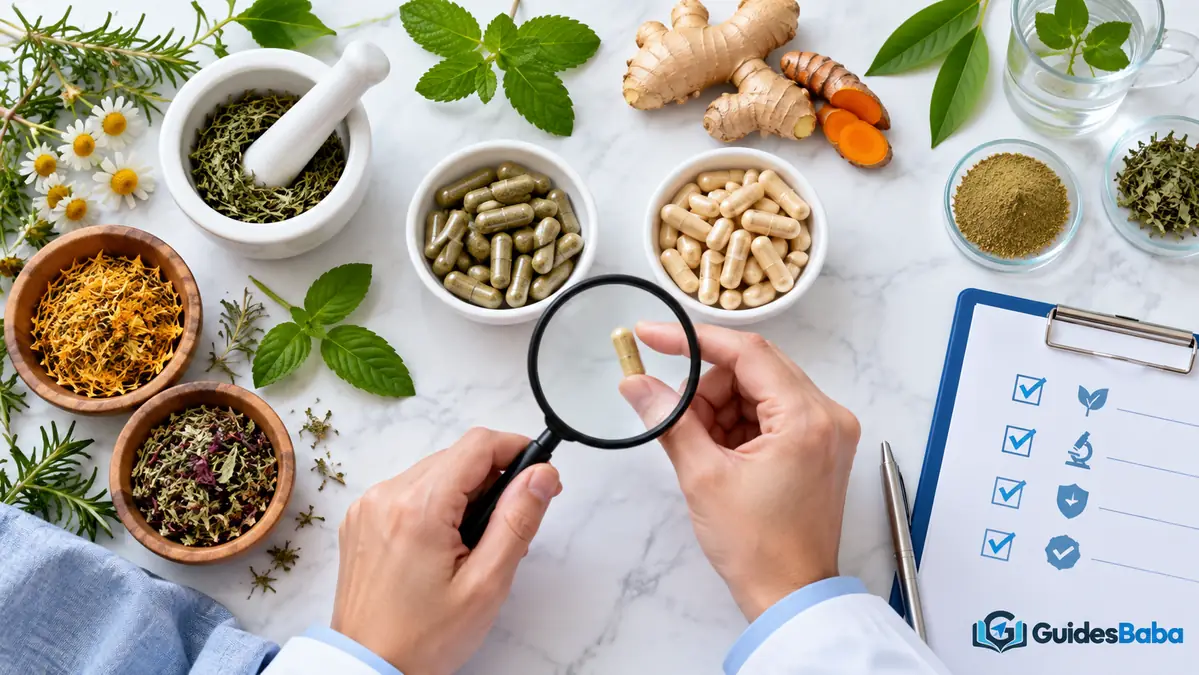
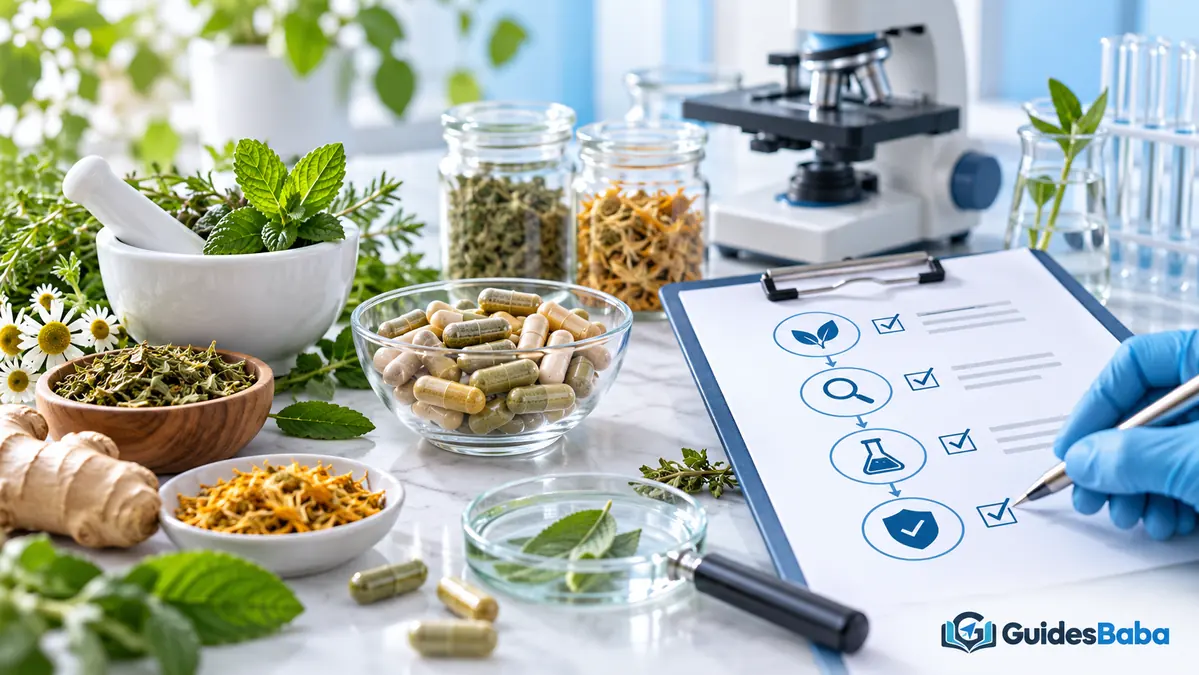
Some products contain less herb than claimed. Others hide fillers or contaminants inside. A few have been found spiked with drugs. Testing and honest labelling matter greatly. Trusted sellers reduce these dangers.
Look for independent third-party testing seals. Be wary of bold cures promised online. If a claim sounds magical, pause. Honest products rarely shout that loudly. Steady evidence beats flashy hype.

Dose still matters with herbs
Dose shapes safety just as it does with drugs. More is not always safer here. The right amount depends on you.
A gentle dose may soothe or help. A large dose of the same herb can harm. Some compounds build up in the body. Others strain the liver when overused. Balance protects you better than excess.
This guide gives no specific herb doses. A professional can suggest sensible amounts. Never copy a dose from an advert. Your safe level is a personal matter. Ask before you assume more helps.
Comparing herbal and conventional options
People often ask how the two compare. The honest comparison is herbal versus conventional. Each carries its own trade-offs.
| Herbal supplements | Conventional medicines |
|---|---|
| Doses can vary between products | Doses are tightly standardised |
| Testing rules are often lighter | Testing rules are strict |
| Evidence ranges widely by herb | Backed by regulated trials |
| Sold without a prescription | Often need a prescription |
Neither group is simply good or bad. Both can help and both can harm. Herbs deserve the same respect as drugs. Careful use is the shared rule.
Which people should be extra careful
Herbs affect some groups more strongly. These people need special caution. Their situations change the risks.
Pregnant and breastfeeding people should be very careful. Children respond differently from adults. Older adults may process herbs slowly. People on medicines face clash risks. Each case calls for professional advice.
Anyone facing surgery needs to speak up early. Some herbs affect bleeding and anaesthesia. Stop only under proper guidance. This is not medical advice. See a professional first.
Reading herbal supplement labels
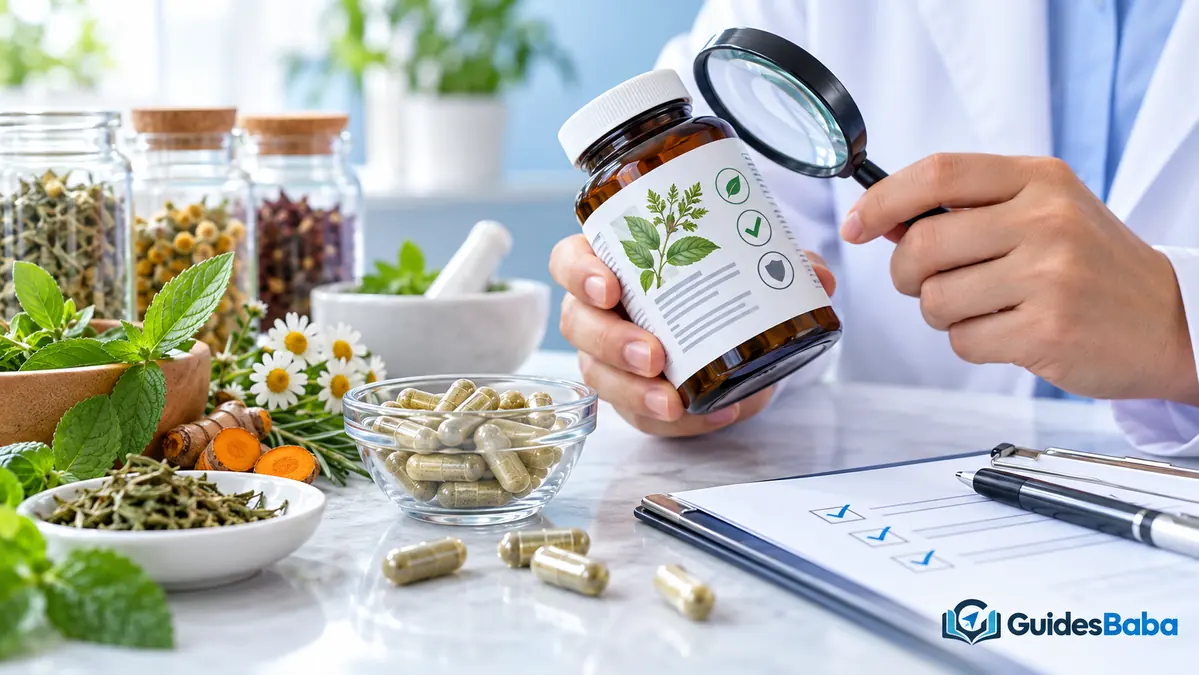
The label tells you more than the front claim. Yet many people never read it. That habit hides real risks.
Look for the plant name and the part used. Check the amount and any added extras. Watch for blends that hide the details. A clear, honest label builds trust. Vague products deserve more suspicion.
Warnings on the label are there for a reason. Read them before you take the first dose. Follow the guidance on timing and amount. Understanding beats blind faith here.
Common side effects to watch for
Even gentle herbs can cause reactions. Your body often signals when something is wrong. Learn to notice these signs.
Upset stomach, headaches, or rashes can appear. Some herbs cause drowsiness or restlessness. Allergic reactions are always possible. A few strain the liver over time. Pay attention and act with care.
Stop and seek advice if symptoms appear. Do not push through worrying signs. A professional can check what is happening. Your body is worth listening to.
Do herbal supplements really work
This is a fair and common question. The answer is that it varies. Evidence differs from herb to herb.
Some herbs show real, studied benefits. Others rest mostly on tradition alone. Marketing often overstates the proof. A benefit for one person is not a promise. Look for solid evidence, not just stories.
Remember that no herb replaces good habits. A balanced diet still leads the way. Sleep, movement, and rest matter greatly. Herbs are extras, not the foundation.
Herbs and a healthy everyday diet
Food should remain your main source of nutrients. Herbs cannot replace a good plate. They sit at the edges.
Vegetables, fruit, and protein build strong health. A capsule cannot copy that daily variety. Explore your essential nutrients from real meals. Food gives nutrients in helpful balance. Let whole foods lead your routine.
Treat herbal products as a careful choice. Use them only with clear reason. Keep whole foods at the centre. That balance serves your health well.
How herbal supplements are regulated
Rules for herbs differ from rules for drugs. In many places the checks are lighter. That gap shapes the risk.
Conventional medicines pass strict trials before sale. Many herbal products face far fewer hurdles. Makers may not prove strong benefits first. Safety checks can be looser than you expect. That is why buyer care matters.
Rules also change from country to country. A product legal in one place may not be elsewhere. Read labels and warnings closely. Buy only from sellers you can trust. Regulation is no substitute for your own caution.
Popular herbs and general cautions
Some herbs appear on shelves again and again. Each carries its own general cautions. None suits every single person.
Certain herbs are known to affect bleeding. Others may interact with sleep or mood drugs. A few can upset the stomach easily. Some are unsafe during pregnancy. General fame does not prove personal safety.
Do not treat popularity as proof of safety. A trending herb can still harm you. Match any herb to your own situation. This is not medical advice. See a professional first.
Common mistakes with herbal supplements
One common mistake is trusting the word natural. That single word hides real risk. Always look past the label.
Another mistake is hiding herbs from your doctor. Silence raises the chance of a clash. Some stack many herbs at once. That multiplies the risk of trouble. Slow and honest choices work better.
Some assume more herb means faster relief. That belief can cause quiet harm. Judge by evidence, not by hope. A calm, checked approach protects you best.
Set realistic expectations for herbs
Herbs are not instant miracle cures. They work slowly and within real limits. Honest hopes keep you grounded.
No herb can undo a poor diet. None can replace proper medical care. Beware of products promising dramatic change. Steady habits shape lasting health. Patience beats hype every time.
Give any change enough time to show. Track how you feel over the weeks. Stop if new problems appear. Honest self-checks guide better decisions.
When to talk to a professional
A professional ties all these checks together. They can review your whole situation. Their advice beats any bottle claim.
A doctor knows your history and medicines. A pharmacist can spot clashes quickly. Both can steer you away from harm. They can also confirm if an herb suits you. Their guidance carries no sales pressure.
Never feel shy about raising questions. Bring your list of herbs along. A short conversation can prevent real trouble. Ask before you start, not after.
Frequently asked questions
Are herbal supplements safe?
Some are safe for many people, but not all. Safety depends on the herb, dose, and your health.
Does natural mean risk free?
No, natural does not mean harmless. Many strong medicines and poisons come from plants.
Can herbs clash with medicines?
Yes, some herbs change how drugs work. Always ask a pharmacist before combining them.
Is more herb always better?
No, larger doses can raise the risk of harm. More is not safer or more effective.
How do I judge herbal quality?
Look for third-party testing and trusted sellers. Be wary of loud, magical health claims.
Should I tell my doctor about herbs?
Yes, always share every herb you take. This helps avoid clashes and surprises.
Who should avoid herbal supplements?
Pregnant people, children, and those on medicines need caution. Professional advice is important for them.
Do herbal supplements actually work?
Evidence varies widely from herb to herb. Some help, while others rest on tradition alone.
Can herbs cause side effects?
Yes, even gentle herbs can cause reactions. Watch for upset stomach, rashes, or drowsiness.
Where should I start overall?
Start with a balanced diet and a professional chat. Use herbs only with a clear reason.
The bottom line
So are herbal supplements safe? The answer is a careful it depends. Some help many people in real ways. Others carry risks or clash with drugs. Quality, dose, and your health all matter.
Remember that natural does not mean harmless. More is not always safer with herbs. Whole foods should still lead your plate. Herbs are extras, used with real care.
For more background, read this overview of herbal medicine and its history. You can also explore how a dietary supplement is defined. Use trusted sources to guide your choices.
This is not medical advice. See a professional for your personal needs. Talk to a doctor or pharmacist first. Then choose with care and confidence.