
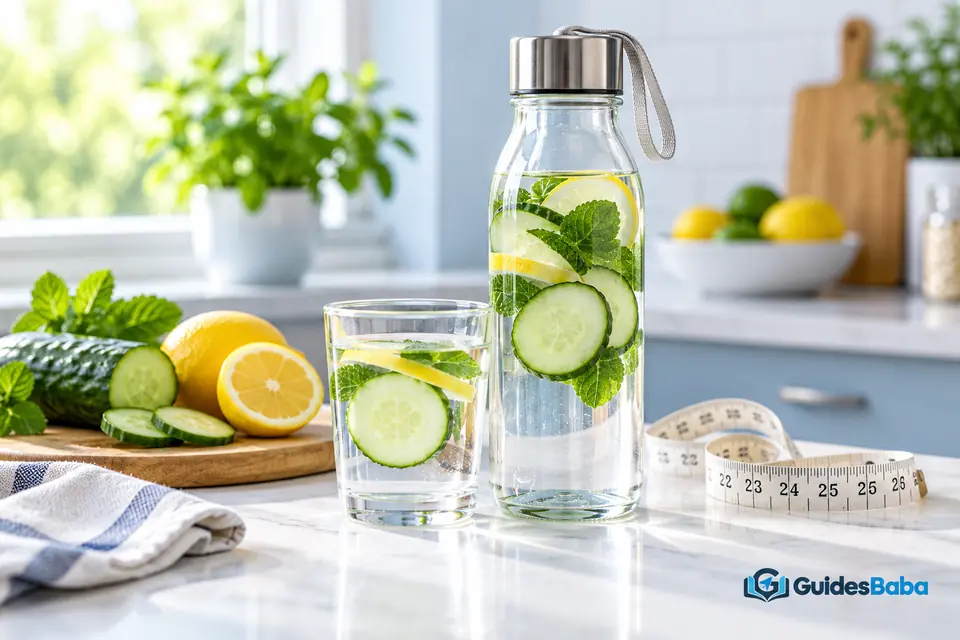

You fill your glass again and hope it helps your waistline. The scale barely moves. So does drinking water help reduce belly fat? The truth sits between hype and honest science.
Rather than chasing a magic drink, look at the whole picture. Water plays a helpful supporting role in weight loss. It does not melt fat from your belly on its own. Still, good hydration can nudge better habits.
Here is the honest answer. Water does not directly burn belly fat. No single drink targets fat in one spot. Yet water can support a calorie deficit gently. It curbs some hunger and replaces sugary drinks. Those small wins add up over many weeks.
This guide covers how water fits fat loss. You will learn what water can and cannot do. We compare water against sugary drinks clearly. This is not medical advice. See a professional.
So does drinking water help reduce belly fat?
The honest answer is yes, but only indirectly. Water supports the habits that trim fat. It is not a fat burner by itself.
Think of water as a quiet teammate. It does not score the goals alone. Instead it helps the whole team play better. Your eating and movement still do the real work.
Can water target your belly directly? No, spot reduction is a myth. Your body burns fat from everywhere at once. A steady calorie deficit shrinks belly fat over time. Water simply makes that deficit easier to reach.
Why water alone does not burn fat

Water carries no calories and no fat-burning power. It cannot dissolve fat from your stomach.
Fat loss follows a simple energy rule. You must use more energy than you eat. Water does not change that basic maths. It holds zero calories to add or subtract. Only your food and activity move the balance.
So water is a tool, not a cure. It helps you stick to smart choices. It cannot replace real diet changes. Expecting more sets you up for letdown.
How water supports weight loss habits

Water shines through the habits it encourages. It fills your stomach before meals. That can ease the urge to overeat.
Drinking water also replaces higher-calorie drinks. Every swapped soda saves real calories. Good hydration keeps your energy steady too. Tired bodies often reach for extra snacks. Steady energy helps you move more each day.
These effects are small on their own. Together they support a gentle calorie deficit. That deficit is what reduces belly fat. Learn how much water to drink each day for balance.
Did you know?
Water has zero calories and cannot target belly fat alone. It works by supporting better daily habits.
Water and appetite control
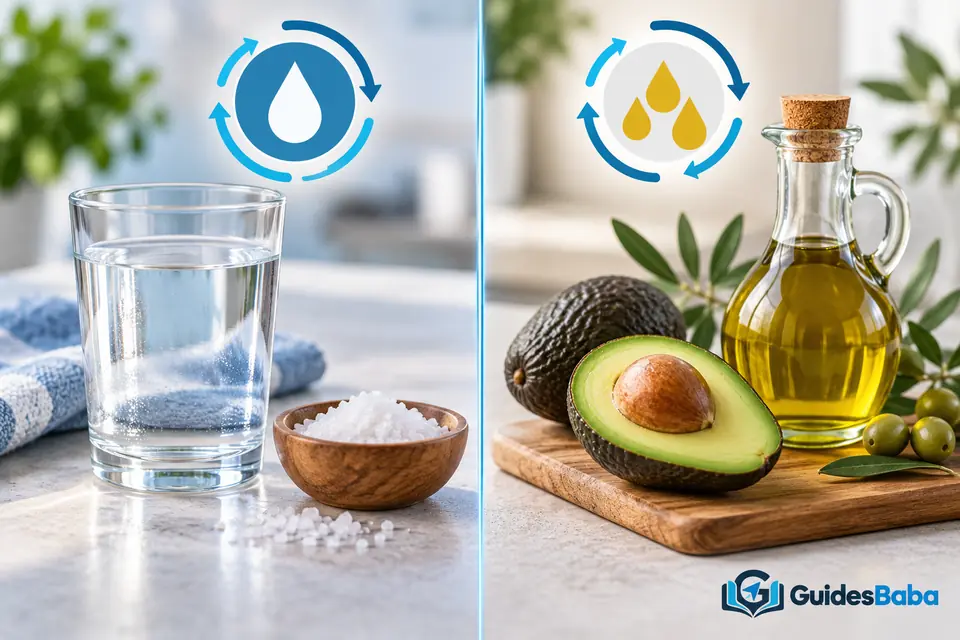
A glass of water can dull early hunger. Thirst and hunger often feel similar. People sometimes eat when they only need water.
Drinking water before a meal fills some space. That can lower how much you eat. The effect is modest and varies by person. It works best with fibre and protein. Real food still does the heavy lifting.
Use water as a simple hunger check. Sip first and wait a few minutes. You may find the craving fades. This trick costs nothing and takes seconds. It pairs well with filling whole foods.
Water instead of sugary drinks
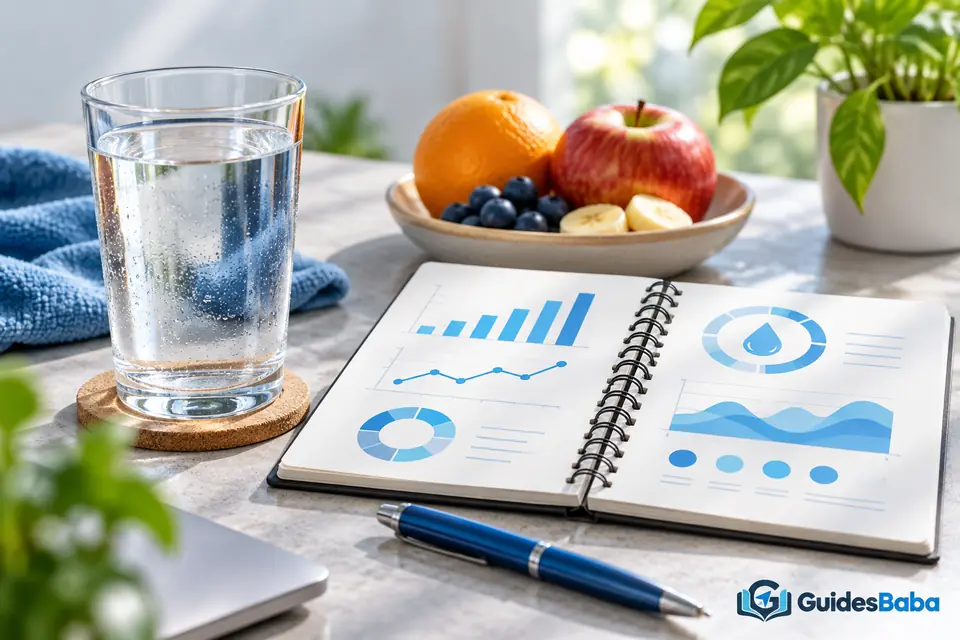
Sugary drinks add calories without filling you up. Soda, juice, and sweet coffee stack up fast. Swapping them for water saves a lot.
These liquid calories often slip by unnoticed. They do little to satisfy your hunger. Belly fat responds well to fewer added sugars. Water makes that swap easy and cheap.
Try replacing one sweet drink today. Then build the habit over a week. Your calorie total will quietly drop. Small swaps beat drastic crash plans.
Water and exercise performance

Good hydration helps you move and train better. Dehydration can leave you weak and dizzy. Water keeps your workouts on track.
When you feel strong, you exercise harder. Harder movement burns more energy overall. That supports the deficit you need for fat loss. Water also helps recovery between sessions. A hydrated body simply performs more reliably.
Drink before, during, and after activity. Do not wait until you feel parched. Thirst often lags behind real need. Steady sips keep performance steady.
Water and metabolism claims
Some claim water speeds up your metabolism greatly. The real effect is small and brief. It will not transform your waistline.
Cold water may cost a few extra calories. Your body warms it to your temperature. That burn is tiny over a day. Do not count on it for big change. Habits matter far more than this trick.
Treat metabolism claims with healthy doubt. Water helps mostly through appetite and swaps. The metabolism boost is a minor bonus. Keep your expectations grounded and calm.

How much water should you drink
There is no single number for everyone. Needs change with size, heat, and activity. Listen to your body and thirst.
A common guide suggests several glasses each day. Active people in warm places need more. Food and other drinks add water too. You do not have to force huge amounts. Steady, sensible sipping works best.
More water is not always better either. Very high intake can cause problems. Balance is the safer goal here. Ask a professional if you feel unsure.
Signs you are drinking enough
Your body gives clear hydration clues. Pale yellow urine is a good sign. Dark urine may mean you need more.
Feeling alert and steady also helps you judge. Frequent headaches or fatigue can signal low water. Dry mouth is another simple hint. Check these signals through the day. They guide you better than strict rules.
Do not wait for strong thirst. Thirst often arrives after you dip low. Sip regularly to stay ahead. Small habits keep hydration steady.
Comparing water and sugary drinks
People often ask which drink suits weight loss. The clear comparison is water versus sugary drinks. Each affects your belly very differently.
| Plain water | Sugary drinks |
|---|---|
| Zero calories per glass | Many hidden calories |
| Can ease early hunger | Rarely fills you up |
| Supports a calorie deficit | Works against a deficit |
| Cheap and always available | Costly and sugar heavy |
Water clearly supports your belly fat goal. Sugary drinks quietly push against it. The swap is one of the easiest wins. Fewer added sugars help your whole diet.
Common mistakes with water and weight
One mistake is expecting water to burn fat. That belief leads to disappointment. Water only supports your habits.
Another mistake is drinking far too much. Flooding your body brings no bonus fat loss. It can even feel uncomfortable. Some people also forget food still counts. Water cannot fix a poor overall diet.
People also drink sweetened water and count it. Flavoured syrups add the sugar back in. Keep your water plain when possible. Small errors slow honest progress.
Myths about water and belly fat
One myth says gallons of water melt fat. No amount of water dissolves belly fat. The claim ignores basic biology.
Another myth promises fast spot reduction. Drinking water cannot target one body area. Fat leaves from everywhere as you slim down. Detox water recipes make bold promises. Most of those promises lack real support.
A calmer view serves you far better. Water helps, but it is no miracle. Sustainable habits still rule fat loss. Doubt any drink that promises magic.
Sustainable habits that reduce belly fat
Real belly fat loss rests on steady habits. A modest calorie deficit leads the way. Water supports that plan gently.
Fill your plate with vegetables and lean protein. Choose whole grains over refined ones. Move your body most days of the week. Sleep well and manage daily stress. These pillars beat any single quick fix.
Pair these habits with regular hydration. Try gentle routines like intermittent fasting if it suits you. Slow, steady change lasts far longer. Avoid crash diets that never hold.
Who should ask a doctor first
General advice suits most healthy adults. Still, some people need personal guidance. Certain conditions change water needs.
Heart and kidney issues can affect safe intake. Some medicines also shift fluid balance. Pregnancy raises different questions too. Your doctor knows your full situation. Personal advice always beats broad rules.
This is not medical advice. See a professional for your own needs. Ask before making big diet changes. A short chat can prevent real problems.
Water, fibre, and feeling full
Water and fibre make a strong pairing. Fibre absorbs water and swells in your gut. That helps you feel full for longer.
High fibre foods need water to work well. Together they slow digestion and steady hunger. This combination supports a lower calorie intake. Fruit, beans, and oats fit this idea.
Drink water alongside fibre rich meals. See how fibre helps you feel full here. Fullness makes a deficit easier to hold.
Timing your water through the day
When you drink can shape the benefit. A glass on waking starts you hydrated. Water before meals may curb portions.
Spread your intake across all your hours. Sipping steadily beats gulping large amounts. Keep water near your desk or bag. Reduce big drinks right before bed.
Match your timing to your daily routine. Active mornings may need earlier hydration. Listen to your body and adjust.
Water within a balanced diet
Water works best inside a whole plan. It cannot rescue a poor diet alone. Food quality still leads the way.
Build meals around vegetables, protein, and fibre. These foods keep you full and steady. Water then supports your hunger control. A tidy plate makes hydration more useful. Balance across the week matters most.
Treat water as a helpful daily habit. Combine it with smart food choices. See what a balanced diet really looks like here. A rounded routine keeps results coming.
Frequently asked questions
Does drinking water reduce belly fat directly?
No, water does not burn belly fat directly. It supports habits that lower overall body fat.
Can water target fat in one area?
No, spot reduction is a myth for everyone. Your body loses fat from all areas together.
Does water before meals help?
Water before meals can ease early hunger. The effect is modest and varies by person.
How much water should I drink?
Needs vary with body size and activity. Use thirst and urine colour as gentle guides.
Does cold water burn more calories?
Cold water burns only a few extra calories. The effect is far too small to matter.
Is swapping soda for water useful?
Yes, swapping sugary drinks for water saves calories. This simple change supports a calorie deficit.
Can I drink too much water?
Yes, very high intake can cause problems. Aim for balance rather than extreme amounts.
Do detox waters melt fat?
No, detox waters cannot melt belly fat. Most bold detox claims lack solid support.
Does water replace exercise for fat loss?
No, water cannot replace movement or good food. It only supports those key habits.
When should I ask a doctor?
Ask a doctor if you have health conditions. Heart, kidney, or pregnancy needs deserve personal advice.
The bottom line
So does drinking water help reduce belly fat? Water supports the habits that trim fat. It does not burn belly fat on its own. It eases hunger and replaces sugary drinks. Those small wins add up over time.
Keep your hopes realistic and steady. No drink melts fat from one spot. A calorie deficit and movement do the work. Water simply makes that path a little smoother.
For more background, read this overview of body fat and how it works. You can also explore the role of water in the body. Use trusted sources to guide your choices.
This is not medical advice. See a professional for your personal needs. Drink water, eat well, and stay active. Then let steady habits reshape your waistline.