
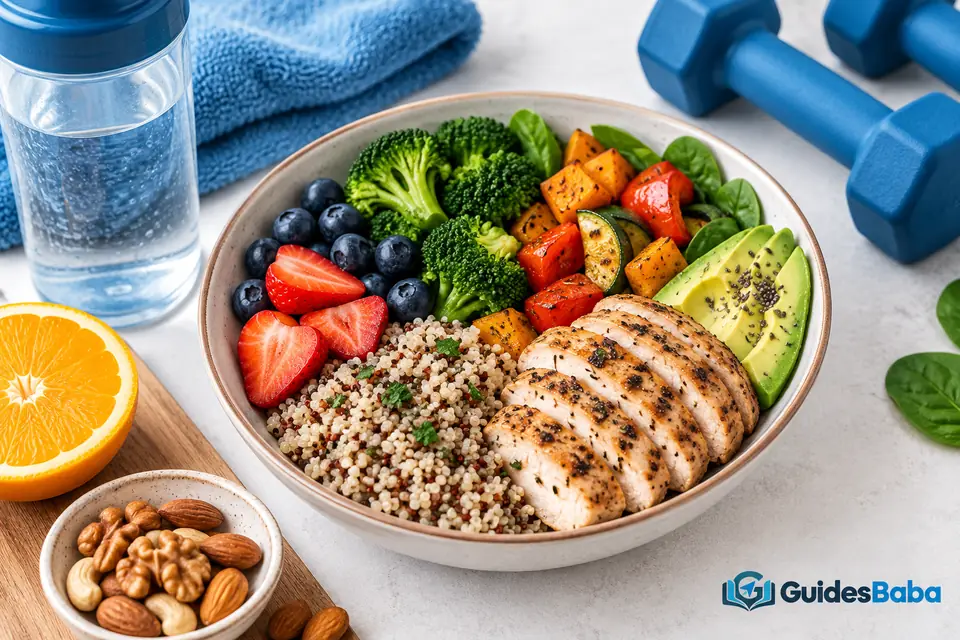
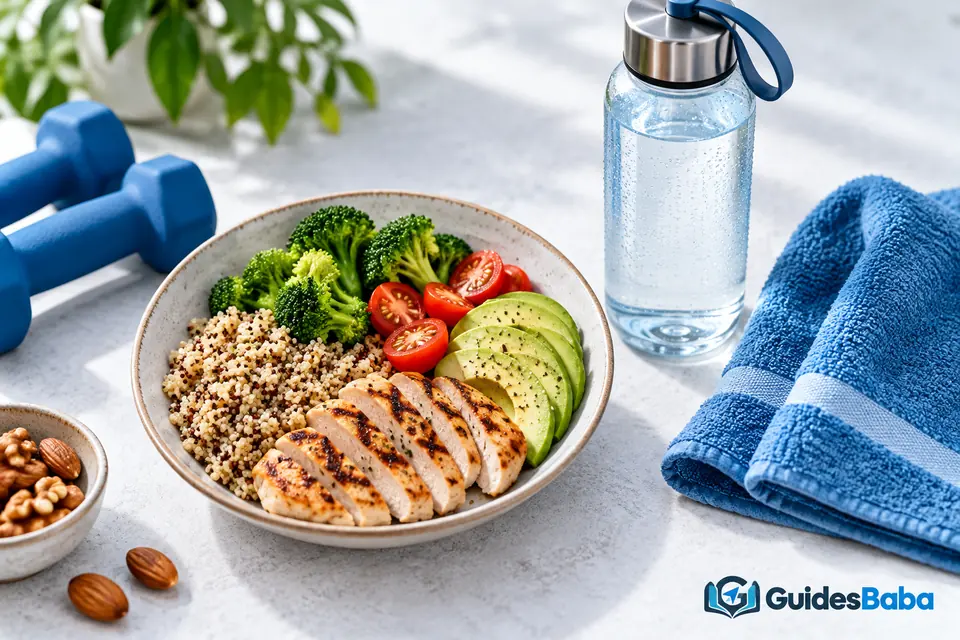
You finish a hard session and feel drained. Should you eat right away or wait? So what should you eat after a workout? The right food helps your body bounce back.
Rather than grabbing whatever is nearest, plan ahead. The best recovery food is simple. It rebuilds muscle and refills energy stores. Timing matters as much as the food. A little thought pays off later.
Here is the honest answer. Most people do well with protein and carbs together. Protein helps repair your muscles after effort. Carbs refill the energy you burned. Add some fluids to replace lost sweat. A simple snack or meal covers all three.
This guide covers what to eat and when. You will learn how to recover from different sessions. We compare quick snacks and full meals. This is not medical advice. See a professional.
So what should you eat after a workout?

The honest answer pairs protein with carbohydrates. Protein rebuilds the muscle you worked hard. Carbs top up your spent energy.
Think of recovery as repairing a busy road. Your muscles need materials to mend well. An empty plate slows that repair. A balanced snack speeds it along.
Do you always need to eat straight away? Not always, as it depends on the effort. Light sessions may need very little. Harder efforts benefit from prompt fuel. Match the food to the demand.
Why protein matters after exercise
Protein is the star of recovery. Your muscles use it to repair tiny tears. That process helps them grow stronger.
After training, your body is ready to rebuild. A modest serving of protein supports this. Think eggs, yoghurt, beans, or lean meat. These high-protein foods aid your recovery. Spread protein across your day for best results.
You do not need a huge amount at once. A steady, sensible serving works well. Very large portions offer little extra help. Keep it balanced and regular. Consistency beats one giant meal.
Did you know?
Your muscles stay primed to absorb nutrients after exercise. A balanced snack helps that repair window work well.
Why carbohydrates help you recover
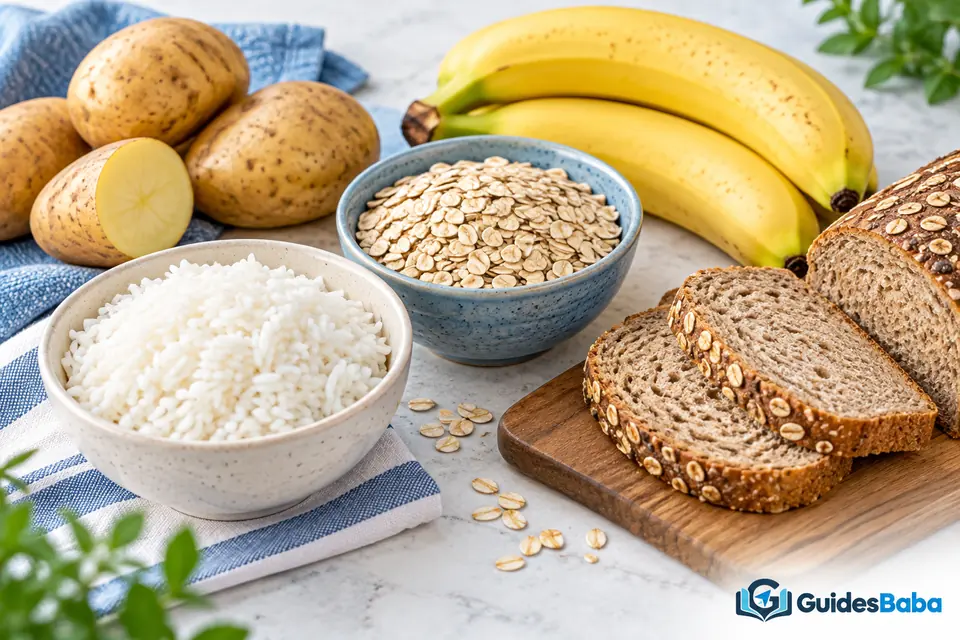
Carbohydrates refill the fuel you just burned. Your muscles store carbs as glycogen. Hard sessions drain that store fast.
Eating carbs after training tops up your tank. That leaves you ready for the next day. Good carbohydrate sources make recovery smoother. Rice, oats, fruit, and bread all help. Pair them with your protein.
The harder your session, the more carbs help. Endurance work drains more than light movement. A gentle stretch needs very little. Match the carbs to the effort. Balance keeps energy steady.
Why timing matters after training
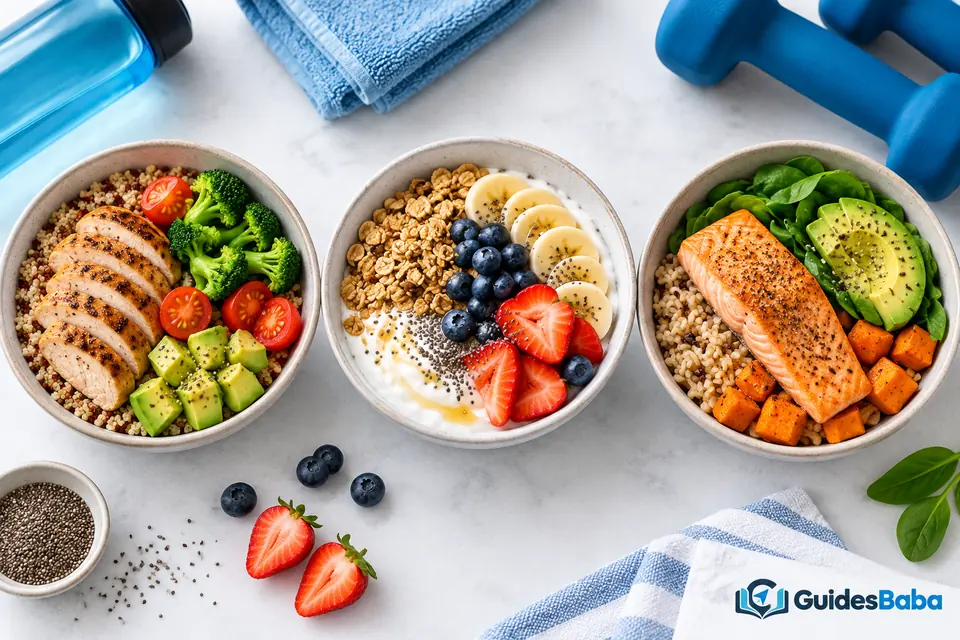
When you eat shapes how you recover. Eating fairly soon can help repair. A long delay may slow things down.
Aim to eat within a couple of hours. That window suits most training well. You need not rush a snack in seconds. A calm, sensible meal works fine. Timing supports steady recovery.
Everyone recovers at a slightly different pace. Some feel hungry right after exercise. Others prefer to wait a little while. Learn your own comfortable rhythm. Practice teaches you what works.
What to eat after a morning workout
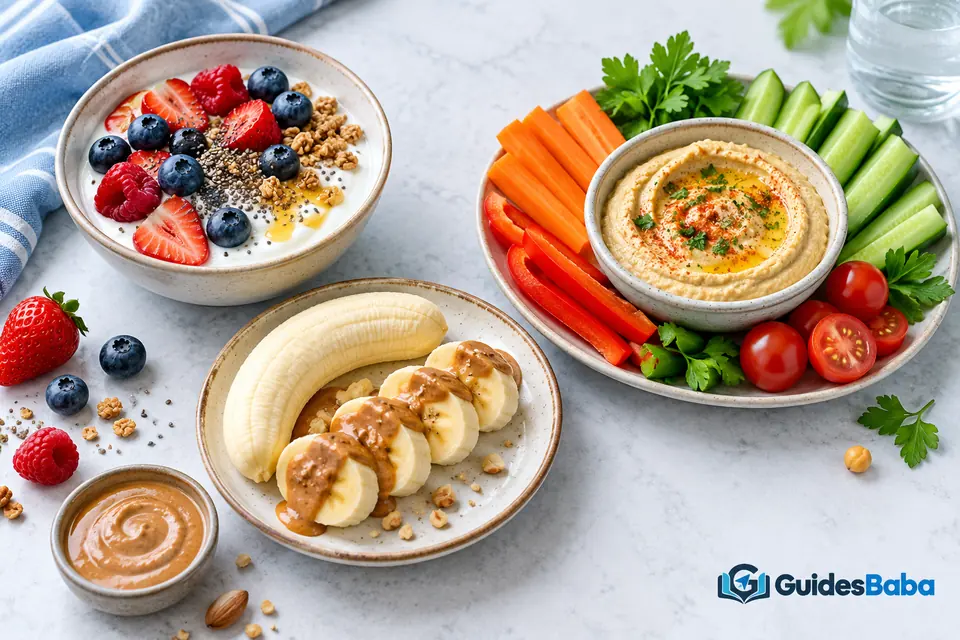
Morning sessions often lead into breakfast. That makes recovery food easy to plan. A balanced breakfast does the job well.
Eggs on toast blend protein and carbs. Yoghurt with fruit and oats works too. A smoothie can be quick and gentle. These options refill energy and repair muscle. Simple breakfasts recover you nicely.
If you trained fasted, food matters more. Your body waited through the session. A balanced meal helps it catch up. Do not skip your recovery fuel. Refuel to feel strong later.
What to eat after a long workout
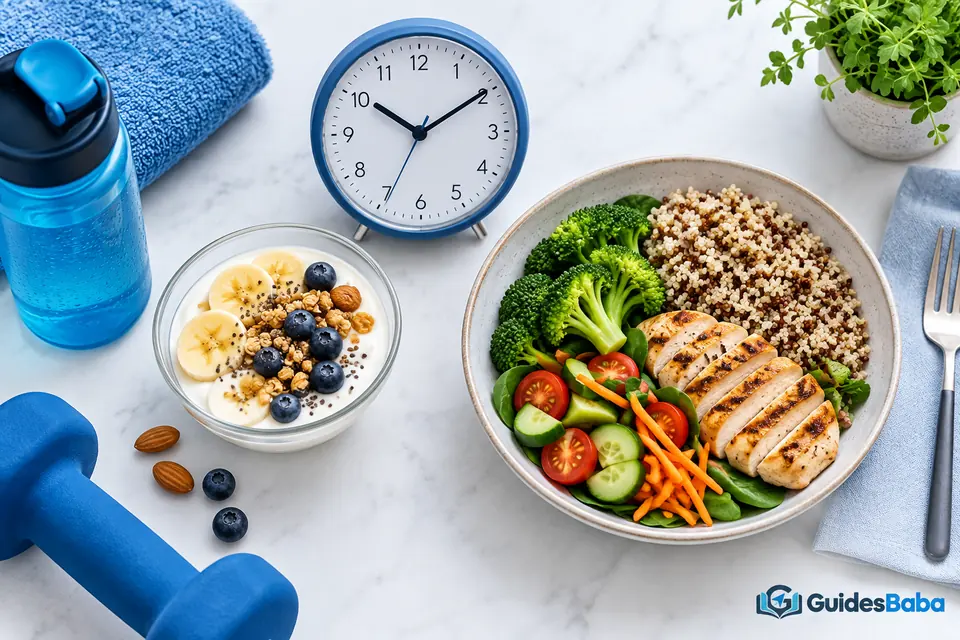
Longer sessions drain your energy stores deeply. Endurance efforts ask for solid recovery. A proper meal afterwards pays off.
Eat a balanced plate within a few hours. Include carbs, protein, and some vegetables. A balanced diet supports full recovery. That mix rebuilds and refuels together. Steady food carries you into tomorrow.
For very long efforts, start with a snack. A quick bite bridges the gap to a meal. Easy carbs and protein settle the body. Then follow with a fuller plate. Layered fuel aids deep recovery.

Why hydration matters after exercise
Food is only half the recovery story. Water replaces what you lost through sweat. Even mild dehydration can slow you.
Drink some water after your session. Sip steadily rather than gulping all at once. Learn how much water to drink each day. Your body works better when topped up. Rehydration supports the whole process.
Hot days and long efforts raise your needs. Sweat carries water and salts away. Replace both to feel restored. Plan your drinks around the conditions. Do not skip this simple step.
Why whole foods help recovery
Whole foods offer more than single nutrients. They bring vitamins, minerals, and fibre too. That fuller package supports your body.
A plate of real food beats a pill. It feeds recovery and general health together. Vegetables, grains, and lean protein work well. These choices refuel and nourish you. Variety keeps meals interesting.
Supplements can have a place for some. Still, most people recover on food alone. Build meals around simple ingredients first. Add extras only if truly needed. Real food leads the way.
How post-workout food affects results
The right recovery food shapes your progress. It repairs muscle and refills energy. That leaves you ready to train again.
Skipping fuel can slow your gains. Sore, tired muscles recover more slowly. A balanced snack supports steady improvement. It keeps your energy from crashing. Fuel and rest work together.
Still, more food is not always better. Overeating after exercise can undo your effort. The goal is enough, not excess. Find your comfortable middle ground. Balance beats extremes here.
Balancing food with your goals
Your goals shape your recovery choices. A casual exerciser needs little planning. A serious trainer may fine-tune more.
Weight goals also affect your portions. You can recover well without overeating. Choose quality protein and sensible carbs. Whole foods support most goals nicely. Balance keeps you on track.
None of this needs to feel strict. A flexible approach suits most people. Let your goals gently guide you.
Foods that make poor recovery choices
Some foods do little for recovery. Very greasy meals digest slowly and heavily. They can leave you sluggish.
Sugary treats alone give a quick spike. They lack the protein your muscles need. Pair any sweet with real food. Alcohol can also slow your recovery. Save heavy indulgences for another time.
This does not mean you must be perfect. An occasional treat will not ruin progress. Build most recovery meals around whole foods. Keep the balance tilted toward quality. Small habits add up.
Quick snack versus full meal
People often ask which option suits them. The clear comparison is a quick snack versus full meal. Each fits a different situation.
| Quick snack | Full meal |
|---|---|
| Eaten soon after training | Eaten within a few hours |
| Protein and easy carbs | Protein, carbs, and vegetables |
| Light and quick to eat | Fuller and more filling |
| Good after short sessions | Good after long sessions |
Choose the snack when a meal is far off. Choose the meal when the timing fits. Both can support solid recovery. Match the choice to your day.
Simple post-workout snack ideas
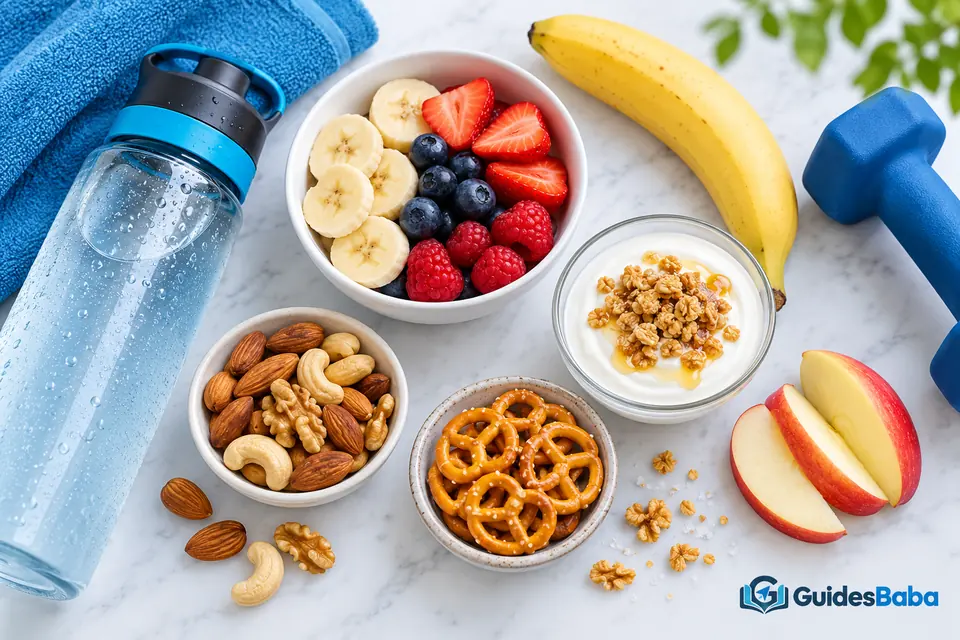
Good recovery snacks are simple and balanced. They combine protein with easy carbs. A little planning makes them easy.
Greek yoghurt with fruit is a classic. A glass of milk with a banana works. Wholegrain toast with eggs is filling. Hummus with bread offers plant-based protein. These plant-based protein sources suit many eaters.
Keep portions sensible after you move. You want recovery, not a heavy stomach. Test a few options over time. Find the snacks your body loves. Simple beats fancy here.
How different workouts change your needs
Not every session needs the same recovery. A gentle stretch asks very little. A hard interval session asks more.
Strength training benefits from protein and some carbs. Endurance work leans on refilling carbs. Easy movement may need only water. Match your recovery to the effort. The workout sets the menu.
Your goals also shape the choice. Building muscle differs from casual fitness. Adjust portions to your training load. Personal needs always vary a little. Tune it to yourself.
Common mistakes after a workout
One common mistake is skipping food entirely. Your body misses its recovery window. A simple snack fills the gap.
Another mistake is choosing sugar alone. Sweet treats lack the protein you need. Pair any sweet with real food. Overeating is also a common slip. Balance the plate instead of piling it.
Some people forget to drink any water. Others delay food far too long. Both errors slow your recovery. A little planning prevents them. Small habits protect your progress.
Who might need tailored guidance
General advice suits most healthy adults well. Still, some people need personal care. Certain situations change the picture.
Athletes, diabetics, and some patients differ greatly. Blood sugar needs careful handling for some. Your doctor understands your full history. Personal advice always beats general rules here.
This is not medical advice. See a professional for your own situation. Use these ideas as a friendly guide. A short chat can prevent bigger problems.
Building a post-workout routine
A steady routine takes the guesswork out. Pick a snack and timing that work. Repeat what leaves you feeling strong.
Note how each option makes you feel. Keep the winners and drop the rest. Adjust as your training changes. A simple routine saves daily thinking. Consistency builds real confidence.
Above all, listen to your own body. It signals hunger, fullness, and energy. These cues guide your best choices. Trust them over any strict rule.
Frequently asked questions
What should you eat after a workout?
Protein and carbs suit most people after exercise. Add some fluids to replace lost sweat.
How soon should I eat after training?
Eating within a couple of hours works well. You need not rush a snack in seconds.
Do I need protein after every workout?
Protein helps after most training sessions. Light movement may need only a normal meal.
What is a good quick recovery snack?
Greek yoghurt with fruit is a solid choice. Milk with a banana works well too.
Should I eat carbs after exercise?
Carbs refill the energy you burned. They pair well with your recovery protein.
What should I avoid after a workout?
Avoid sugary treats or heavy, greasy meals alone. They do little for real recovery.
What should I eat after a morning workout?
A balanced breakfast recovers you well. Eggs on toast or yoghurt with fruit work.
How much should I drink after exercise?
Sip water steadily to replace lost sweat. Hot days and long efforts raise your needs.
Can I have a full meal after training?
Yes, a balanced meal supports recovery well. Include protein, carbs, and some vegetables.
Do I need supplements to recover?
Most people recover on food alone. Build meals around simple whole ingredients first.
The bottom line
So what should you eat after a workout? Protein and carbs are the key pair for most people. Protein rebuilds the muscle you worked. Carbs refill the energy you burned. Add fluids and match the food to your session.
Do not forget to drink some water too. Eat within a sensible window after training. A quick snack bridges a gap before a meal. A full plate suits harder, longer efforts.
For more background, read this overview of protein in the diet. You can also explore how glycogen stores energy. Use trusted sources to guide your habits.
This is not medical advice. See a professional for your personal needs. Recover in a way that feels good to you. Then return to training stronger and steadier.