
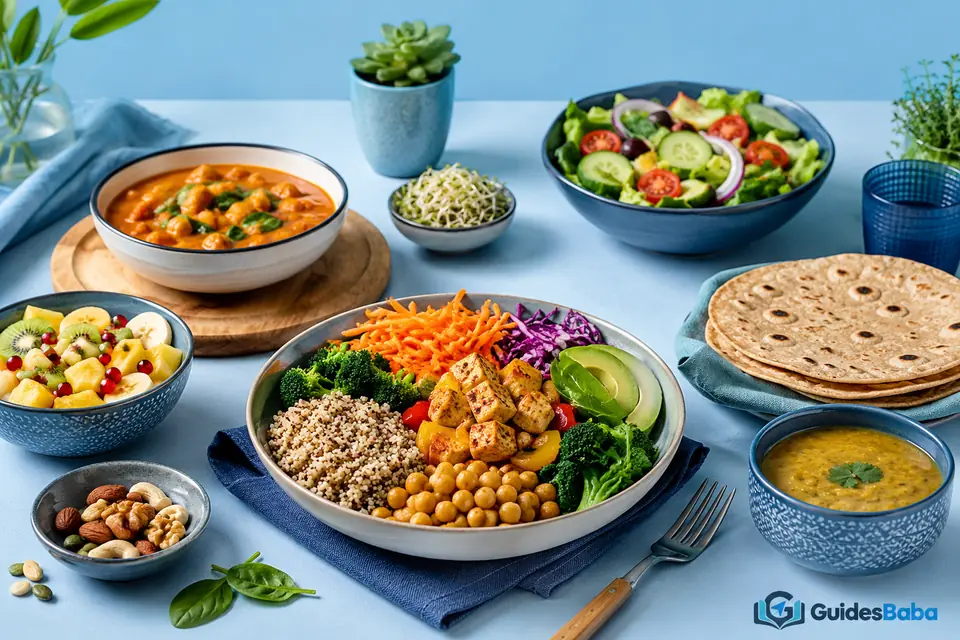
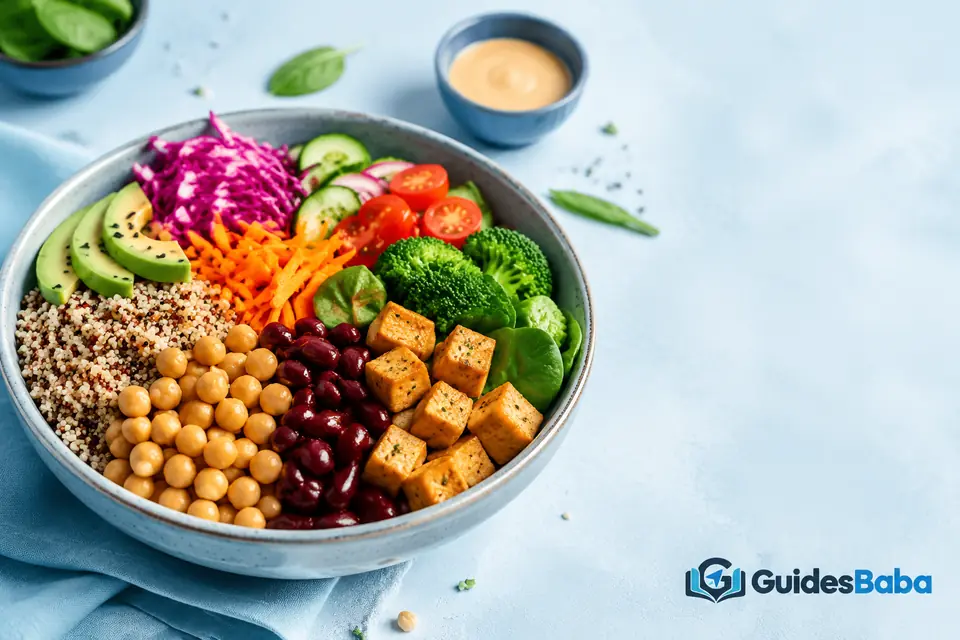
You skip the meat and wonder about balance. Are you still getting everything your body needs? So what is a balanced vegetarian diet? The answer is simpler than many people fear.
Rather than cutting things out blindly, plan with care. A balanced vegetarian diet covers all the key nutrients. It leans on plants for most of your food. Variety is the name of the game. A little thought keeps meals complete.
Here is the honest answer. A balanced vegetarian diet mixes many plant foods daily. It includes protein, grains, fruit, and plenty of vegetables. It adds healthy fats and key vitamins too. You cover the gaps meat once filled. Planning makes this easy over time.
This guide covers what balance really means here. You will learn which foods to include often. We compare vegetarian and vegan eating clearly. This is not medical advice. See a professional.
So what is a balanced vegetarian diet?
The honest answer centres on variety and planning. You eat a wide mix of plant foods. Each group brings something useful to the table.
Think of your plate as a simple team. Vegetables, grains, and protein each play a role. Miss one player and the team weakens. A full plate keeps you strong.
Do you need special foods to manage this? Not really, as everyday items work well. Beans, lentils, grains, and vegetables form the base. Fruit, nuts, and dairy fill the rest. Simple choices build a solid diet.
Why balance matters for vegetarians
Balance keeps your body running smoothly. Each nutrient supports a different job inside you. Skipping groups can leave small gaps.
A varied plate covers those gaps naturally. It blends energy, repair, and protection in one meal. A balanced diet matters just as much without meat. Variety does the heavy lifting here.
You do not need to track every bite. Aim for colour and variety instead. Different foods bring different nutrients along. Rotate your choices through the week. Balance grows from good habits.
Did you know?
Combining beans and grains gives your body a fuller protein profile. Many cultures have paired them for centuries.
Building your plate with vegetables
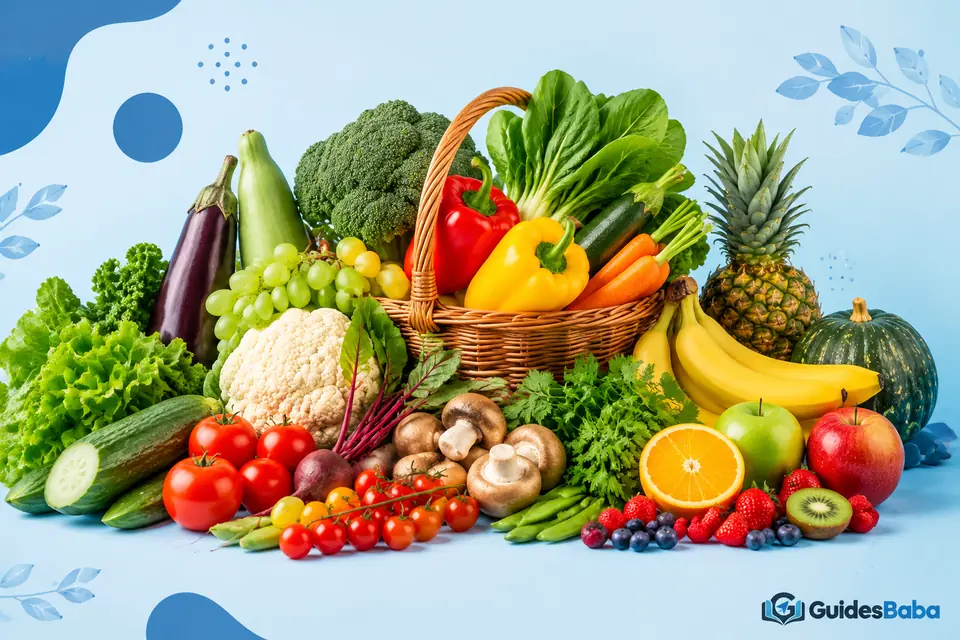
Vegetables form the heart of this diet. They bring fibre, vitamins, and gentle bulk. Your plate should feature them daily.
Fill half your plate with vegetables often. Mix leafy greens with colourful options too. These everyday foods steady your whole diet. Colour usually means a range of nutrients.
Cook them lightly to keep goodness intact. Steaming and roasting both work nicely. Raw salads add crunch and freshness. Aim for several kinds each day. Variety keeps vegetables interesting.
Getting enough protein without meat
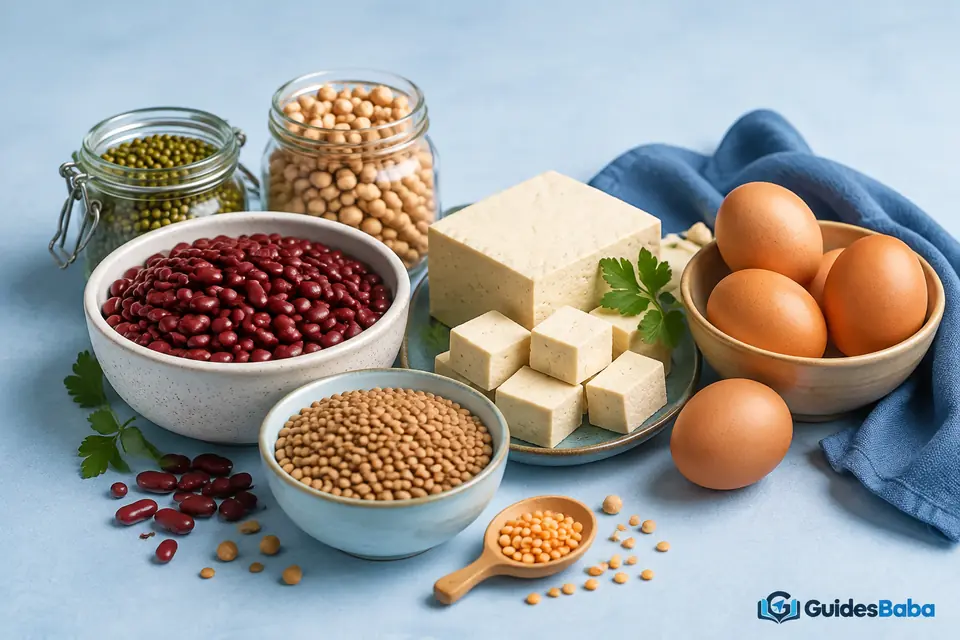
Protein worries many new vegetarians the most. The good news is that plants deliver plenty. You just spread it across the day.
Beans, lentils, and chickpeas lead the way. Tofu, tempeh, and edamame help too. Nuts, seeds, and dairy add more still. Learn about plant-based protein sources to plan meals. Small servings across meals add up fast.
You do not need meat for strong muscles. Many active people thrive on plants. Pair different protein foods through the day. That mix covers your needs well. Protein is rarely a real problem.
Including whole grains for energy
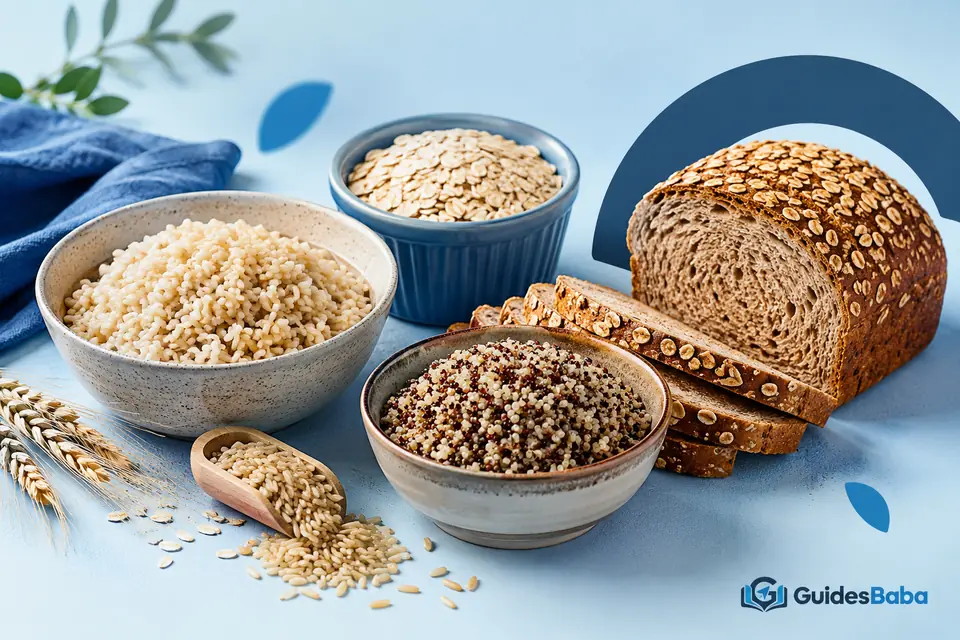
Whole grains give steady, lasting energy. They carry fibre, B vitamins, and minerals. They fuel your day without heavy dips.
Choose brown rice, oats, and whole wheat often. Quinoa and barley add useful variety too. These grains keep you full for longer. Steady energy supports better focus. Whole beats refined most of the time.
Refined grains lose much of their goodness. White bread and sugary cereals fade fast. Keep them as occasional treats instead. Build your base on whole grains. Your energy will feel more even.
Healthy fats in a vegetarian diet
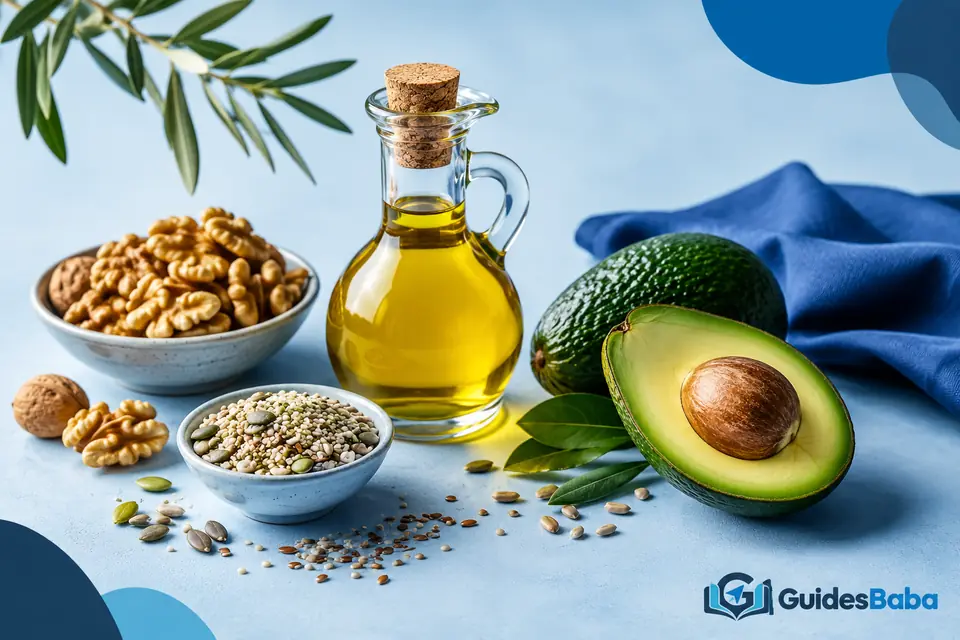
Fats are friends when you choose well. They support your brain and help absorption. Some vitamins need fat to work.
Nuts, seeds, and avocado offer great fats. Olive oil suits cooking and dressings nicely. A small handful of nuts makes a snack. These fats also add flavour and comfort. Quality matters more than quantity here.
Go easy on heavy fried foods though. They add little beyond extra calories. Choose whole sources of fat instead. A modest amount fits most days. Balance keeps fats working for you.
Fruits and their daily role
Fruit adds natural sweetness and useful nutrients. It brings vitamins, fibre, and water together. A piece or two each day helps.
Berries, apples, bananas, and oranges all count. Seasonal fruit tastes best and costs less. Whole fruit beats juice for fibre. Fibre slows sugar and keeps you full. Fresh fruit is a simple win.
Add fruit to breakfast or as a snack. It satisfies a sweet craving gently. Dried fruit works in small amounts too. Keep variety across the week. Colour guides you well again.

Key vitamins to watch
Some vitamins deserve extra attention here. Vitamin B12 is the classic example. Plants rarely provide it on their own.
Fortified foods and dairy can supply B12. Many people also use a simple supplement. Vitamin D matters through darker months too. Knowing your essential nutrients helps you plan. A quick check keeps gaps small.
Most other vitamins come easily from plants. Bright vegetables and fruit cover a lot. Whole grains add B vitamins as well. Variety handles most of your needs. Watch the few that need care.
Important minerals for vegetarians
Minerals also need a gentle plan. Iron and calcium top the list here. Plant sources can meet both with care.
Beans, lentils, and leafy greens carry iron. Pair them with vitamin C for absorption. Dairy, tofu, and greens offer calcium. A little planning covers both minerals. Balance again does the work.
Zinc comes from beans, nuts, and seeds. Spread these foods across your meals. Variety keeps mineral levels steady. You rarely need anything fancy. Everyday foods handle most minerals.
Dairy, eggs, and plant options
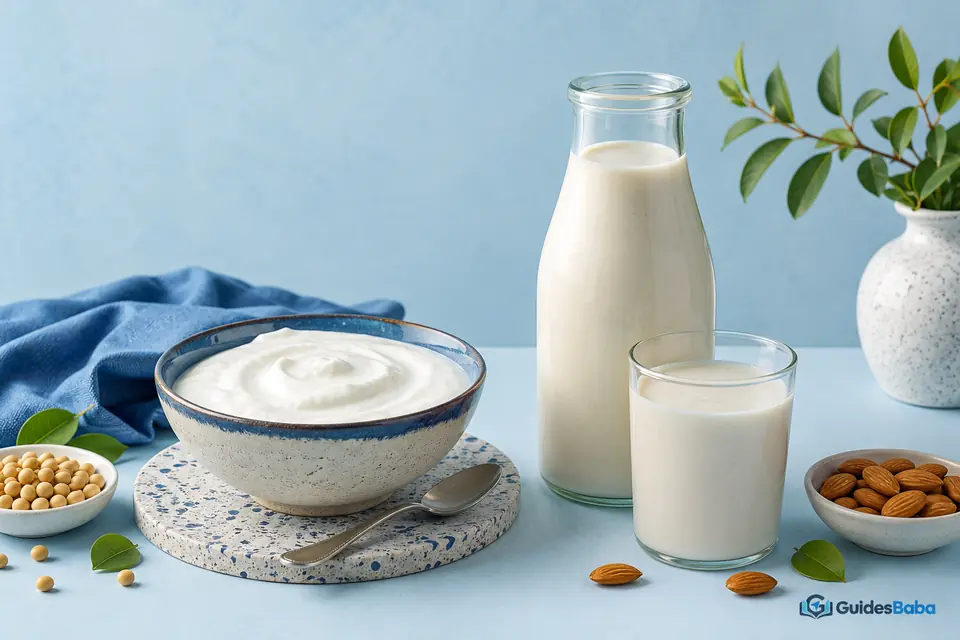
Vegetarian diets differ from person to person. Some include dairy and eggs freely. Others lean more toward plant versions.
Dairy and eggs add protein and calcium. They make balanced eating a little easier. Plant milks and yoghurts work well too. Choose fortified versions when you can. Both paths can be healthy.
Pick what suits your taste and values. There is no single right answer. Fortified plant foods fill many gaps. Read labels to compare options. Personal choice guides this part.
Vegetarian versus vegan eating
People often mix up these two styles. The clear comparison is vegetarian versus vegan eating. Each has its own shape and needs.
| Vegetarian eating | Vegan eating |
|---|---|
| Includes dairy and eggs | Avoids all animal foods |
| Protein from beans and dairy | Protein from plants only |
| B12 from dairy or eggs | B12 from fortified foods |
| Easier for beginners | Needs more careful planning |
Choose vegetarian for a gentler starting point. Choose vegan for a fully plant approach. Both can be balanced with care. Match the style to your goals.
Planning balanced vegetarian meals
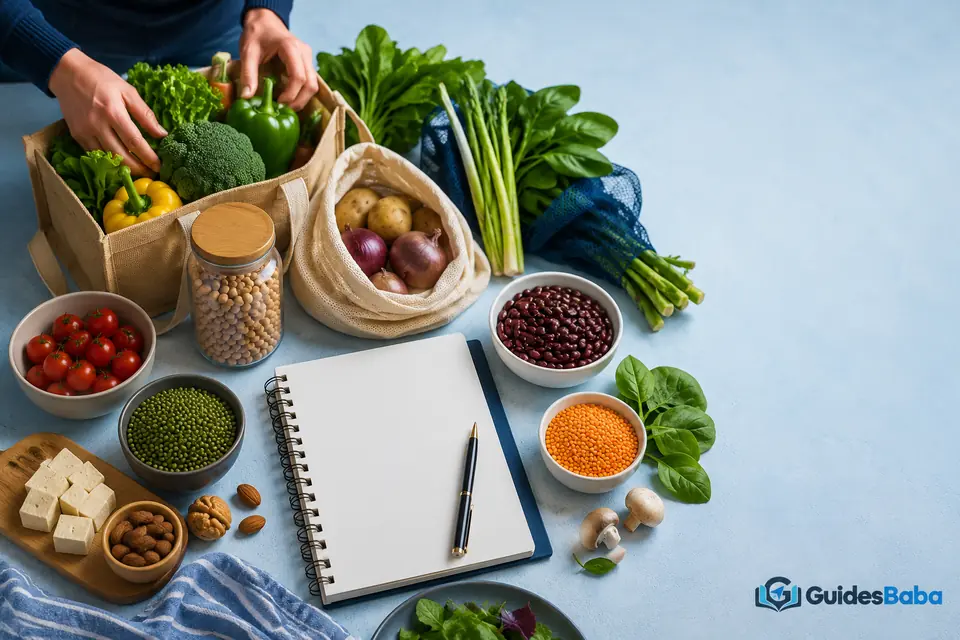
A little planning removes daily stress. Think in simple building blocks each meal. Aim for protein, grain, and vegetables together.
Start with a protein like beans or tofu. Add a whole grain for steady energy. Pile on vegetables for fibre and colour. A small fat rounds the plate off. This template fits almost any meal.
Batch cooking saves time on busy days. Prepare grains and beans in advance. Mix and match through the week. Leftovers become tomorrow’s quick lunch. Planning keeps balance effortless.
Snacks that fit a vegetarian diet
Snacks can support your balance too. Good ones add nutrients, not just calories. Choose whole foods where you can.
Try nuts, fruit, or plain yoghurt. Hummus with vegetable sticks works nicely. Roasted chickpeas make a crunchy option. These snacks bring protein and fibre along. Small bites keep energy steady.
Keep sugary snacks as occasional treats. They add little beyond quick energy. Whole food snacks satisfy for longer. Stock a few easy choices at home. Good snacks prevent hungry slip-ups.
Eating out as a vegetarian
Eating out no longer means limited choices. Most menus now offer vegetarian dishes. A little scanning finds good options.
Look for bean, lentil, or vegetable mains. Ask about swaps if needed politely. Many cuisines suit vegetarians beautifully. Indian and Mediterranean food shine here. Choice is wider than ever now.
Balance still matters when dining out. Add a salad or vegetable side. Watch heavy cheese and fried extras. Enjoy the meal without overthinking it. Balance can bend for special days.
Common mistakes vegetarians make
One common mistake is leaning on refined carbs. Bread, pasta, and snacks can crowd out variety. Whole foods deserve the bigger share.
Another mistake is ignoring protein planning. Skipping beans and tofu leaves gaps. Spread protein across each meal instead. A little attention fixes this. Habits beat willpower here.
Some people forget B12 and iron entirely. Fortified foods and pairing help greatly. Do not assume plants cover everything. Learn the few nutrients that need care. Small checks prevent bigger issues.
Who might need tailored guidance
General advice suits most healthy adults well. Still, some people need personal care. Certain stages change the picture.
Pregnant women, children, and athletes differ greatly. Their needs can rise in key nutrients. A professional understands your full situation. Personal advice beats general rules here.
This is not medical advice. See a professional for your own needs. Use these ideas as a friendly guide. A short chat can prevent problems.
Building lasting vegetarian habits
A steady routine makes balance simple. Pick meals and snacks that work for you. Repeat the ones you truly enjoy.
Note how different foods make you feel. Keep the winners and drop the rest. Adjust as your tastes change. A simple routine saves daily thinking. Consistency builds real confidence.
Above all, listen to your own body. It signals hunger, fullness, and energy. These cues guide your best choices. Trust them over any strict rule.
Frequently asked questions
What is a balanced vegetarian diet?
It mixes many plant foods across the day. This covers protein, grains, fruit, and vegetables well.
Can I get enough protein without meat?
Yes, beans, lentils, tofu, and dairy provide plenty. Spread protein foods across your meals.
Do vegetarians need supplements?
Many benefit from a simple B12 supplement. Others get enough from fortified foods and dairy.
Which vegetables should I eat most?
Mix leafy greens with colourful vegetables daily. Variety brings a wider range of nutrients.
Is a vegetarian diet good for weight?
It can support a healthy weight easily. Focus on whole foods and modest portions.
What about iron on a vegetarian diet?
Beans and leafy greens carry useful iron. Pair them with vitamin C for absorption.
Can children eat a vegetarian diet?
Yes, with careful planning and variety. A professional can guide growing needs safely.
How do I start eating vegetarian?
Swap one meal a day at first. Build up slowly as you gain confidence.
Are eggs part of a vegetarian diet?
Many vegetarians include eggs and dairy. Others prefer plant versions instead.
Is vegetarian food more expensive?
Beans, grains, and seasonal vegetables cost little. Simple plant meals are often cheaper.
The bottom line
So what is a balanced vegetarian diet? It is a varied mix of plant foods each day. It covers protein, grains, fruit, and vegetables well. It adds healthy fats and a few key nutrients. Planning and variety do most of the work.
Do not fear gaps if you eat widely. Watch B12, iron, and calcium with care. Beans and grains together build strong meals. Whole foods keep your energy steady.
For more background, read this overview of vegetarianism as an approach. You can also explore the wider plant-based diet idea. Use trusted sources to guide your habits.
This is not medical advice. See a professional for your personal needs. Build your plate in a way that feels good. Then enjoy varied, balanced vegetarian meals.