
You fill your plate with colourful plants each day. Yet one nutrient can slip through the cracks. So how can vegans get enough vitamin B12? This small vitamin is a big deal for health.
Rather than worrying, learn a few simple habits. B12 sits mainly in animal foods. Plant foods rarely supply it in reliable amounts. Vegans need a steady outside source. The good news is that solutions are easy.
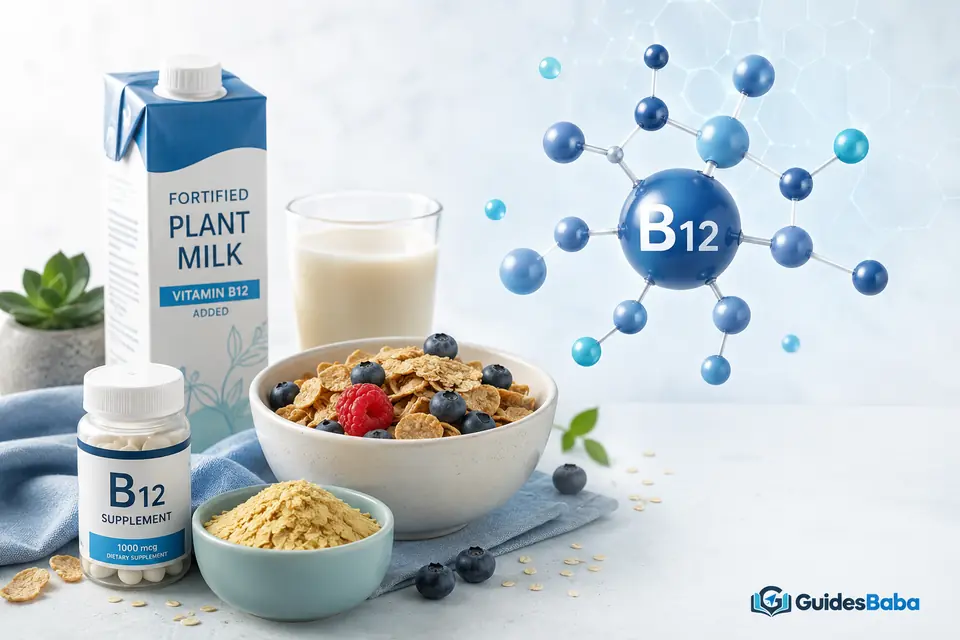
Here is the honest answer. Vegans should use fortified foods or a supplement. Plant foods alone will not reliably deliver B12. Fortified plant milks and cereals help each day. A regular supplement offers steady insurance. Both routes are cheap and simple.
This guide covers where B12 comes from. You will learn reliable vegan sources. We compare fortified foods and supplements. This is not medical advice. See a professional.
So how can vegans get enough vitamin B12?
The honest answer rests on two clear tools. Vegans use fortified foods or supplements. These provide the B12 that plants lack.
Think of B12 as a small daily deposit. Your body draws on it slowly over time. A reliable source keeps the balance topped up. Miss it for long and stores can fall. A steady habit protects you.
Do plant foods ever supply enough B12? Not reliably, so vegans should not depend on them. Fortified products and supplements do the real work. This one simple step covers your needs.
What vitamin B12 does in the body
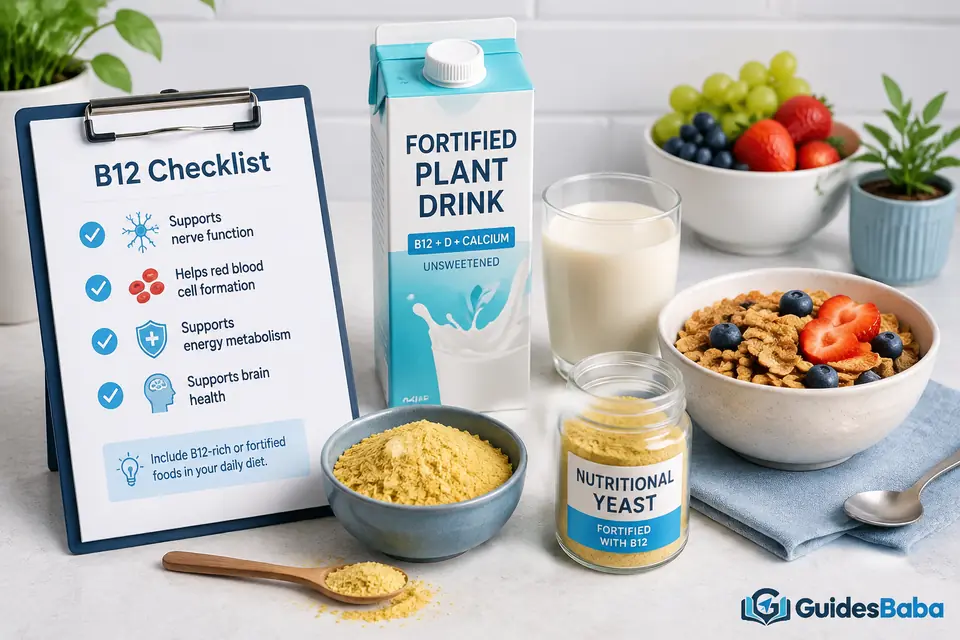
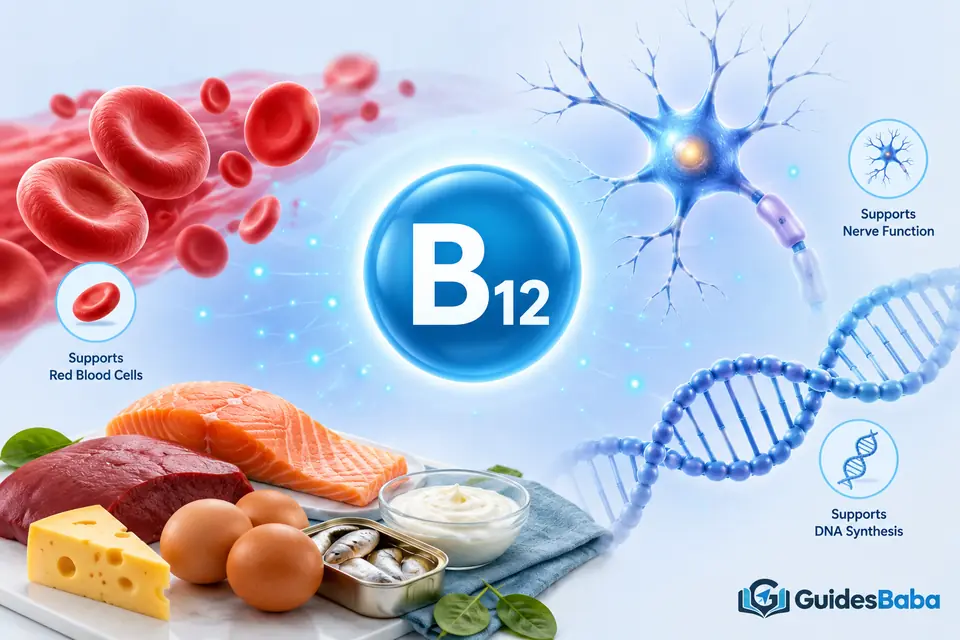
Vitamin B12 supports many vital jobs. It helps make healthy red blood cells. It also keeps nerves working well.
B12 plays a role in energy release. It supports normal brain and nerve function. Your body cannot make it alone. You must get it from your diet. That makes a reliable source important.
Low B12 can affect how you feel. Tiredness and weakness may appear over time. These vitamins your body needs every day matter greatly. B12 sits high on that list. It deserves your attention.
Why B12 is hard for vegans
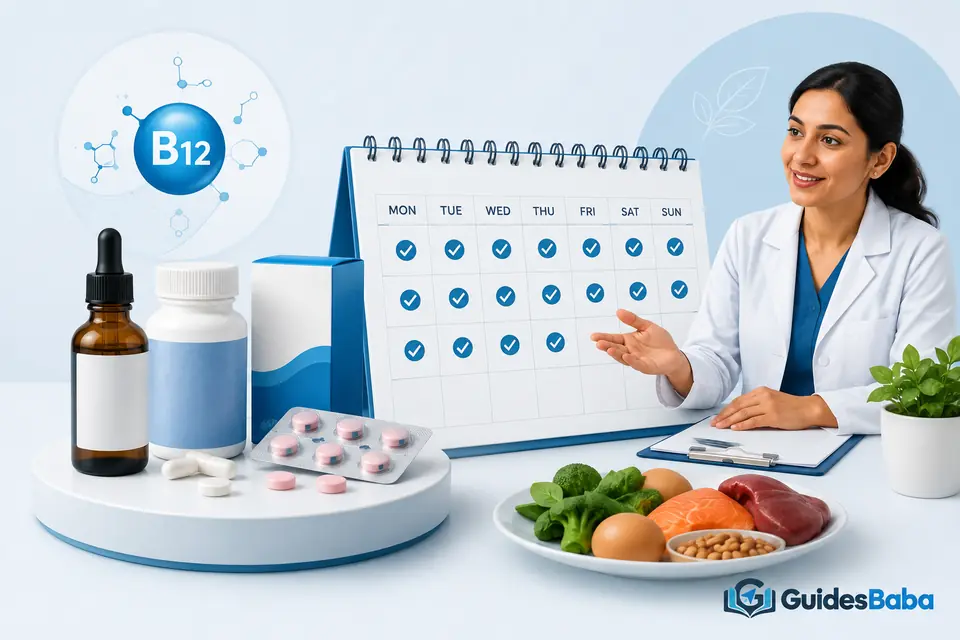
B12 comes almost entirely from animal foods. Meat, fish, eggs, and dairy supply it. Vegans skip all of these foods.
Plant foods do not make B12 themselves. The vitamin is produced by tiny microbes. Animals store it after eating those microbes. Plants rarely carry reliable amounts. So vegans face a natural gap here.
This gap is easy to close, though. Fortified foods add B12 during production. Supplements deliver it in a simple dose. These nutrients vegetarians pay attention to include B12. A little planning solves the issue.
Did you know?
Vitamin B12 is made by microbes, not plants or animals. Animals simply store it after eating those microbes.
Fortified foods as a B12 source
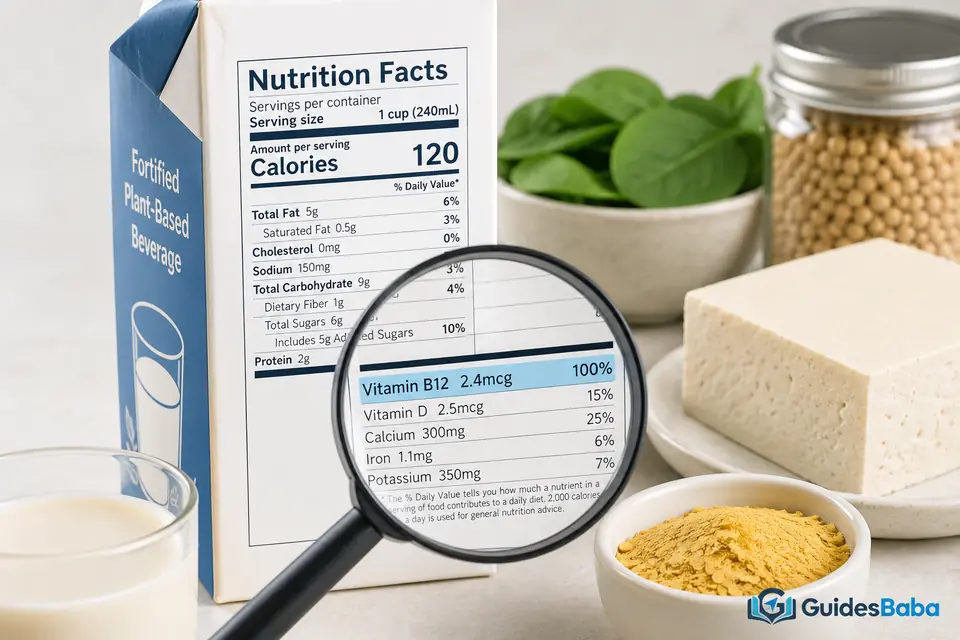
Fortified foods are a friendly first step. Makers add B12 during production. This gives vegans an easy daily source.
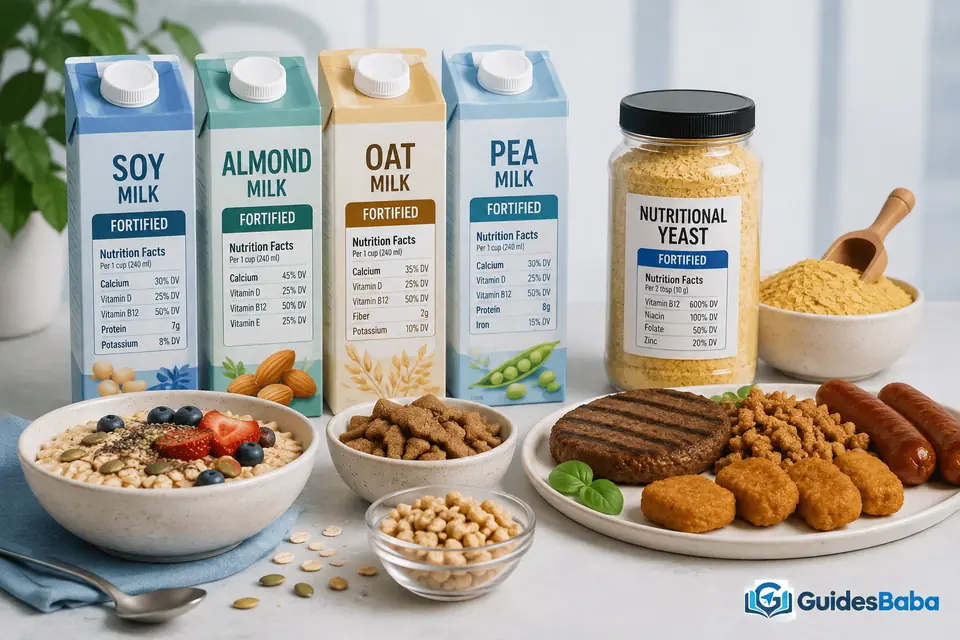
Many plant milks now carry added B12. Some breakfast cereals are fortified too. Certain nutritional yeast products include it as well. Check the label for the exact amount. Small servings can add up nicely.
Fortified foods fit naturally into meals. You get B12 while eating as usual. Spreading them across the day helps absorption. They work well beside a supplement. Together they build a safety net.
Supplements as a B12 source

Supplements are the most reliable option. They deliver a clear, measured dose. Many vegans use them as insurance.
B12 supplements come as tablets or drops. Some are chewable or dissolve under the tongue. They are widely available and affordable. A regular dose keeps your stores steady. Consistency matters more than perfection.
Your body absorbs B12 better in small amounts. A larger weekly dose can also work. A professional can suggest the right plan. Follow the product guidance carefully. Simple habits protect your health.
How much B12 vegans need
People often ask about the right amount. Needs are small but very real. A steady supply beats an occasional one.
Official guidelines set gentle daily targets. Fortified foods and supplements can meet them. Larger single doses are absorbed less efficiently. Spreading intake helps your body cope. Regularity is the real secret.
Avoid inventing your own strict numbers. Follow trusted guidance and product labels. A dietitian can confirm your needs. Your age and stage may change them. Personal advice keeps you safe.
Signs of low B12 to know
Low B12 can build up quietly. Symptoms may take a while to show. Knowing the signs helps you act early.
Tiredness and weakness are common early clues. Some people notice tingling in hands or feet. Others feel foggy or low in mood. These signs have many possible causes. Only a professional can confirm the reason.
Do not try to diagnose yourself. See a doctor if you feel unwell. A simple blood test can help. Early action prevents bigger problems. This is not medical advice.

How to check your B12 levels
You cannot feel your exact B12 level. A blood test gives a clear picture. Your doctor can arrange one easily.
Testing helps if you feel unwell. It also reassures long-term vegans. Results guide any change to your plan. A professional reads them in context. They see your full health history.
Do not adjust doses based on guesses. Let test results and advice lead you. Regular checks suit some people well. Ask your doctor what fits you.
Fortified foods versus supplements
People often weigh these two options. This clear comparison sets fortified foods against supplements. Many vegans happily use both together.
| Fortified foods | Supplements |
|---|---|
| B12 added to everyday foods | B12 in a measured dose |
| Eaten as part of meals | Taken as a tablet or drop |
| Amount varies by product | Amount is clear and fixed |
| Good daily background source | Reliable main insurance |
Use fortified foods for a gentle daily base. Add a supplement for steady insurance. Together they cover your needs well. Choose the mix that suits your routine.
Best fortified foods for vegans
Several everyday foods now carry added B12. They make a reliable source simple. Reading labels helps you spot them.
Fortified plant milks are a popular choice. Soy, oat, and almond versions often qualify. Some cereals list added B12 too. Certain nutritional yeasts include it as well. A varied plate covers many nutrients.
Pair these with other whole plant foods. Beans, grains, and vegetables round out meals. These essential nutrients work best together. Balance supports your overall health.
Choosing a B12 supplement
A B12 supplement need not be complex. Many simple options work well. Match the choice to your routine.
Look for a clear, labelled dose. Chewable and dissolving forms suit many people. Daily and weekly options both exist. Pick a schedule you can keep. Consistency matters more than the type.
Ask a pharmacist if you feel unsure. They can explain the choices clearly. A professional can confirm the right dose. Follow the product guidance carefully. Keep it simple and steady.
B12 for pregnant and breastfeeding vegans
Some life stages raise the stakes. Pregnancy and breastfeeding increase B12 importance. Extra care protects both mother and baby.
A reliable B12 source is vital here. Fortified foods and supplements both help. Needs may differ during these stages. A doctor or dietitian should guide you. Personal advice is essential now.
Do not guess your own doses here. Professional support keeps everyone safe. Regular checks can offer reassurance. This is a time for expert care. See a professional early.
B12 for vegan children and older adults
Children and older adults need special thought. Growing bodies rely on steady nutrients. Older bodies may absorb B12 less well.
Vegan children need a reliable B12 plan. A pediatrician or dietitian should design it. Never guess doses for a child. Older adults may need extra support too. Professional guidance keeps both groups safe.
A well-planned vegan diet can suit many people. Still, these groups deserve careful checks. Regular reviews catch any gaps early. A balanced vegetarian diet shares similar principles. Expert advice makes it safer.
Can plant foods provide any B12?
This question comes up very often. Some plant foods appear to contain B12. The reality is more complicated than that.
Certain foods carry inactive B12 look-alikes. These forms may not work in your body. Some can even block real B12. Seaweed and mushrooms are common examples. They cannot be trusted as sources.
So the safe answer stays the same. Rely on fortified foods and supplements only. Treat plant claims with healthy caution. A reliable source removes the doubt.
Common B12 mistakes to avoid
One common mistake is skipping B12 entirely. Some assume plants will provide it. That belief can cause real problems.
Another mistake is stopping supplements when you feel fine. Low B12 builds slowly and quietly. Symptoms may lag far behind. Keep your habit steady over time. Do not wait for warning signs.
Some rely on unreliable plant sources. Foods like seaweed are not dependable. Stick to fortified products and supplements. Guessing doses is another common error. Follow trusted guidance instead.
Building a simple B12 routine
A steady routine makes B12 effortless. Pick a source and a regular time. Repeat it until it feels automatic.
Link your supplement to a daily habit. Take it with breakfast or brushing teeth. Keep fortified foods stocked at home. Small cues keep the habit alive. Routine removes the daily guesswork.
Review your plan now and then. Adjust it as your life changes. A professional can check your progress. Simple systems protect long-term health. Consistency is your best ally.
Who should get personal advice
General tips suit many healthy vegans. Still, some people need tailored care. Certain situations change the picture.
Pregnant women and children need expert help. Older adults and some patients do too. Medical conditions can affect absorption. A dietitian can build a safe plan. Personal advice beats general rules here.
This is not medical advice. See a professional for your own situation. Use these ideas as a friendly guide. Regular checks keep you on track.
Frequently asked questions
Can vegans get B12 from plants alone?
Plant foods do not reliably supply B12. Vegans need fortified foods or a supplement.
What foods are fortified with B12?
Many plant milks and cereals add B12. Some nutritional yeast products include it too.
Do all vegans need a B12 supplement?
Most vegans benefit from a reliable supplement. Fortified foods can support it as well.
How often should I take B12?
A daily or weekly dose can work. Follow product guidance and professional advice.
What are signs of low B12?
Tiredness, weakness, and tingling can appear. Only a professional can confirm the cause.
Is seaweed a good B12 source?
Seaweed is not a reliable B12 source. Choose fortified foods and supplements instead.
Can I test my B12 levels?
Yes, a simple blood test helps. Your doctor can arrange one easily.
Is B12 important during pregnancy?
Yes, B12 matters greatly during pregnancy. A doctor should guide your plan.
Do vegan children need extra B12 care?
Yes, children need a reliable B12 plan. A pediatrician or dietitian should design it.
Can too much B12 be harmful?
B12 is generally safe in normal amounts. Follow guidance and ask a professional.
The bottom line
So how can vegans get enough vitamin B12? Use fortified foods or a supplement every day. Plant foods alone will not reliably deliver it. A steady source keeps your stores topped up. This one simple habit protects your health.
Fortified plant milks and cereals offer a daily base. A regular supplement adds reliable insurance. Together they cover your needs with ease. Check your levels if you ever feel unwell.
For more background, read this overview of vitamin B12 and its role. You can also explore cyanocobalamin, a common supplement form. Use trusted sources to guide your habits.
This is not medical advice. See a professional for your personal needs. Build a steady B12 routine that suits you. Then enjoy your plant-based meals with confidence.