


You skip milk yet still feel bloated after meals. So what foods contain lactose exactly? Where does this hidden sugar keep turning up? The answer covers more than an obvious glass of milk.
Rather than guessing at every meal, learn the basics. Lactose is a natural sugar found in dairy. It appears in milk from cows and other animals. Many everyday products carry small amounts too. Knowing the sources puts you back in control.
Here is the honest answer. Lactose lives mainly in milk and dairy foods. Cheese, yoghurt, cream, and butter all contain some. Many processed foods add milk ingredients too. Amounts vary widely across different products. Labels help you spot the hidden ones.
This guide covers where lactose hides in food. You will learn high and low lactose sources. We compare dairy types side by side. This is not medical advice. See a professional.
So what foods contain lactose?
The honest answer centres on dairy. Lactose is the natural sugar in milk. Anything made from milk can carry it.
Think of lactose as milk’s built-in sugar. Wherever real milk goes, lactose usually follows. That includes obvious foods and hidden ones. Processing can lower the amount, though. The level depends on the product.
Does every dairy food contain the same amount? Not at all, since processing changes things. Fresh milk sits high on the scale. Aged cheese often sits much lower.
What lactose actually is
Lactose is a sugar found only in milk. Your body breaks it down with an enzyme. That enzyme is called lactase.
Lactase splits lactose into two simpler sugars. Your gut then absorbs them easily. Some people make plenty of lactase. Others make less as they grow older. That difference shapes how they react.
You do not need to fear lactose itself. It is a normal part of milk. Many people digest it with no trouble. Others feel better limiting it. Your own body sets the pace.
Did you know?
Hard aged cheeses often contain very little lactose. Much of it is lost during long ripening.
Milk from every animal

Milk is the richest source of lactose. This is true across many animals. The sugar comes with the territory.
Cow’s milk is the most common example. Goat and sheep milk contain lactose too. So does buffalo milk used in some regions. Human breast milk also carries lactose. All fresh milk sits high on the scale.
You cannot avoid lactose by switching animal milk. The sugar appears in each of them. Plant drinks are a different story. They come from nuts, oats, or soy. Those contain no natural lactose.
Cheese and its varying levels

Cheese ranges widely in lactose content. Some types hold very little. Others carry a noticeable amount.
Hard aged cheeses lose lactose during ripening. Cheddar and parmesan often sit very low. Soft fresh cheeses tend to hold more. Cream cheese and ricotta are examples. Age is a strong clue here.
You may tolerate aged cheese more easily. Its lactose has largely broken down. Softer, fresher cheeses may cause more trouble. Reading the type helps you choose.
Yoghurt and cultured dairy

Yoghurt is dairy, so it contains lactose. Yet its levels can feel gentler. Live cultures play a helpful role.
The bacteria in yoghurt help break down lactose. This can make it easier on some stomachs. Plain, unsweetened versions are often best. Kefir works in a similar way. Cultures change how the sugar behaves.
You might handle yoghurt better than plain milk. Many people find this to be true. Still, responses differ from person to person. Start small and see how you feel. Personal testing beats broad rules.
Butter, cream, and ice cream
These foods sit at different points on the scale. Fat content often shapes the lactose level. The spread is wide across them.
Butter is mostly fat and holds little lactose. Cream carries more than butter does. Ice cream usually contains a fair amount. Added milk and sugar push it higher. Portion size matters a great deal.
You may tolerate a little butter easily. Larger servings of ice cream can bother you. Watch both the type and the amount. Small portions reduce the load. Moderation makes a real difference.
Hidden lactose in processed foods

Lactose hides in many packaged foods. Milk ingredients appear far beyond obvious dairy. This catches many people out.
Bread, cakes, and biscuits may contain milk. Some sauces, soups, and dressings do too. Processed meats sometimes include milk powder. Even certain crisps carry dairy ingredients. Labels reveal these hidden sources.
You should scan ingredient lists carefully. Watch for milk, whey, and milk solids. Curds and milk powder count too. These small additions add up. Careful reading protects your comfort.

Reading labels for lactose
Labels are your best tool here. They list every milk-based ingredient. A quick scan saves later discomfort.
Look for milk, cream, and butter first. Then watch for whey and milk powder. Curds and milk solids matter too. Learning to read a nutrition label helps a lot. Practice makes the habit fast.
You will soon spot dairy words instantly. Ingredient lists become easy to scan. This skill removes much of the guesswork. Confident reading keeps meals comfortable.
Foods that are naturally lactose-free
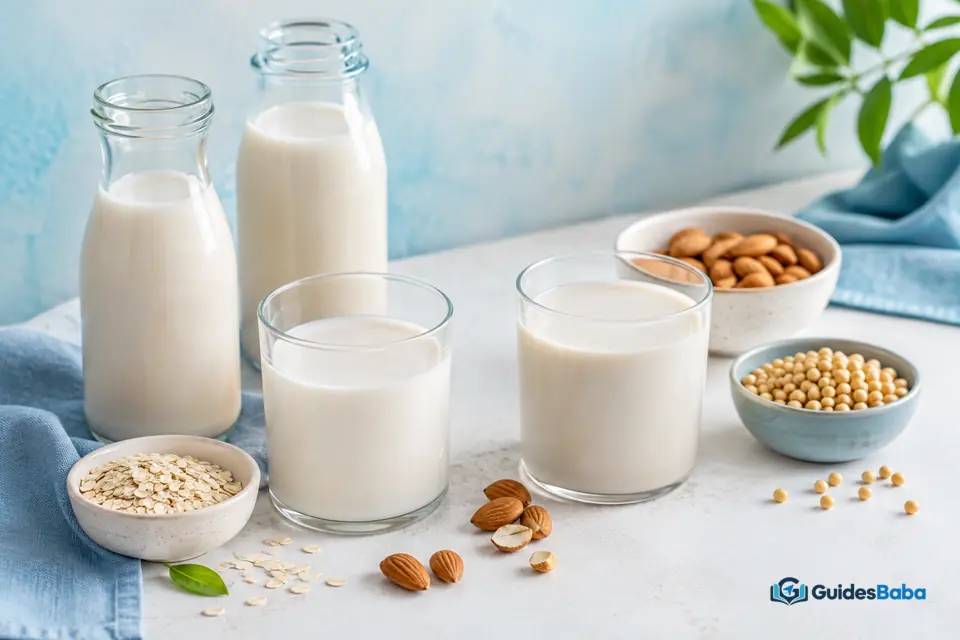
Plenty of foods contain no lactose at all. These form a reliable base. Variety keeps meals interesting.
Fruit, vegetables, and grains are naturally free. Meat, fish, and eggs contain none. Beans, nuts, and seeds are safe too. Plant drinks replace milk without lactose. A wide plate stays open to you.
You can build full meals without dairy. Whole foods make this simple. Plant-based swaps cover milk and cream. Choices are broader than they seem. Eating well stays easy.
Lactose and calcium concerns
Cutting dairy raises a fair question. Dairy is a well-known calcium source. So you plan for that nutrient.
Many non-dairy foods supply calcium too. Leafy greens and fortified drinks help. Some fish with bones add more. Choosing foods highest in calcium keeps bones supported. Planning fills any gap.
You do not need dairy for strong bones. Other sources cover the need well. Fortified plant drinks are handy. Variety keeps your calcium steady.
High-lactose versus low-lactose dairy
People often ask which dairy sits lower. The clear comparison groups them by level. Each side behaves differently in the gut.
| Higher-lactose dairy | Lower-lactose dairy |
|---|---|
| Fresh milk and cream | Hard aged cheeses |
| Soft fresh cheeses | Butter and ghee |
| Ice cream and milkshakes | Plain live yoghurt and kefir |
| Condensed and evaporated milk | Lactose-free labelled products |
Use this as a rough guide only. Your own tolerance is the real test. Start with lower-lactose options first. Then adjust based on how you feel.
Cooking and lactose
Cooking does not remove lactose from food. Heat alone leaves the sugar intact. This surprises many home cooks.
A cheese sauce still contains its lactose. Baking milk into a cake keeps it there. The sugar does not simply cook away. Only special processing lowers it. Recipes carry the dairy through.
You can still adapt recipes easily. Swap milk for a plant drink. Use lactose-free products where you like. Small changes keep dishes friendly.
Lactose intolerance basics

Some people struggle to digest lactose. Their bodies make less lactase enzyme. Symptoms follow when they eat dairy.
Common signs include bloating, gas, and cramps. They appear a while after eating. Learning about lactose intolerance explains the pattern. It also guides sensible food choices. Understanding the cause brings relief.
You should not self-diagnose from one bad day. Many foods cause similar feelings. A professional can confirm the cause. Testing rules out other conditions. Clarity leads to better choices.
Telling intolerance from allergy
Lactose intolerance is not a milk allergy. The two work in different ways. Mixing them up causes confusion.
Intolerance involves trouble digesting a sugar. A milk allergy involves the immune system. Allergy symptoms can be more serious. The difference between allergy and intolerance matters. Knowing which one you have guides care.
You should take any allergy seriously. It needs proper medical attention. Intolerance is usually about comfort. Still, a professional gives the clearest answer. Never guess with strong reactions.
Common mistakes people make
One common mistake is assuming all dairy is equal. Aged cheese and fresh milk differ greatly. Levels vary across products.
Another mistake is ignoring hidden lactose. People cut milk yet keep processed foods. Those foods still carry dairy ingredients. Labels reveal the real picture. Always check the ingredient list.
Some people cut all dairy without planning. They then miss calcium and other nutrients. Replace lost foods with good alternatives. Balance protects your overall health. Do not swap one gap for another.
Building balanced lactose-free meals
A balanced plate works without dairy. It combines protein, vegetables, and good carbs. Planning keeps meals complete.
Fill half your plate with plants. Add lean protein and a smart carb. Include a calcium source each day. Fortified drinks make this simple.
You can enjoy familiar meals with swaps. Plant milk suits many recipes. Lactose-free products fill other gaps. Small changes keep eating easy.
When to see a doctor
Some symptoms deserve professional attention. Ongoing discomfort should not be ignored. A doctor gives clear guidance.
Book a visit for persistent or severe symptoms. Seek help for weight loss or sharp pain. Mention how food affects your gut. These details guide proper testing. Early care prevents bigger problems.
This is not medical advice. See a professional for a real diagnosis. Use these ideas as a friendly starting point. Then let expert care take over.
Staying confident with food choices
Managing lactose gets easier with practice. Good habits remove most of the stress. Small routines make eating simple.
Stock naturally lactose-free foods at home. Keep a few reliable meals ready. Check labels when trying new products. Preparation turns worry into calm.
You can still eat out with ease. Ask questions and choose simple dishes. Most kitchens can offer safe options. A relaxed approach keeps life open.
Frequently asked questions
What foods contain lactose?
Milk and dairy foods contain lactose. That includes cheese, yoghurt, cream, butter, and ice cream.
Do all dairy foods have the same lactose?
No, levels vary widely across products. Aged cheese holds far less than fresh milk.
Is there lactose in butter?
Butter contains only a small amount. It is mostly fat, so the level is low.
Can lactose hide in processed foods?
Yes, many packaged foods add milk ingredients. Bread, sauces, and snacks can contain lactose.
Are plant milks lactose-free?
Yes, plant drinks contain no natural lactose. Oat, soy, and nut milks are common options.
Does cooking remove lactose?
No, heat does not remove lactose. The sugar stays in the cooked dish.
Is yoghurt easier to digest?
Often yes, since live cultures help. Many people tolerate plain yoghurt better than milk.
How do I find calcium without dairy?
Choose leafy greens and fortified plant drinks. Some fish with bones also supply calcium.
Is lactose intolerance the same as a milk allergy?
No, intolerance is about digesting a sugar. A milk allergy involves the immune system.
How do I spot lactose on labels?
Look for milk, whey, curds, and milk solids. These words all signal lactose.
The bottom line
So what foods contain lactose? Milk and dairy foods are the main sources. Cheese, yoghurt, cream, and butter all carry some. Many processed foods add milk ingredients too. Levels vary widely from high to very low.
You can find your own comfortable limit. Start with lower-lactose options and test slowly. Read labels to catch hidden dairy. Keep calcium steady with smart alternatives.
For more background, read this overview of lactose and where it occurs. You can also explore common dairy products and their makeup. Use trusted sources to guide your choices.
This is not medical advice. See a professional for your personal needs. A clear picture makes daily eating easier. Then let steady habits do the rest.