
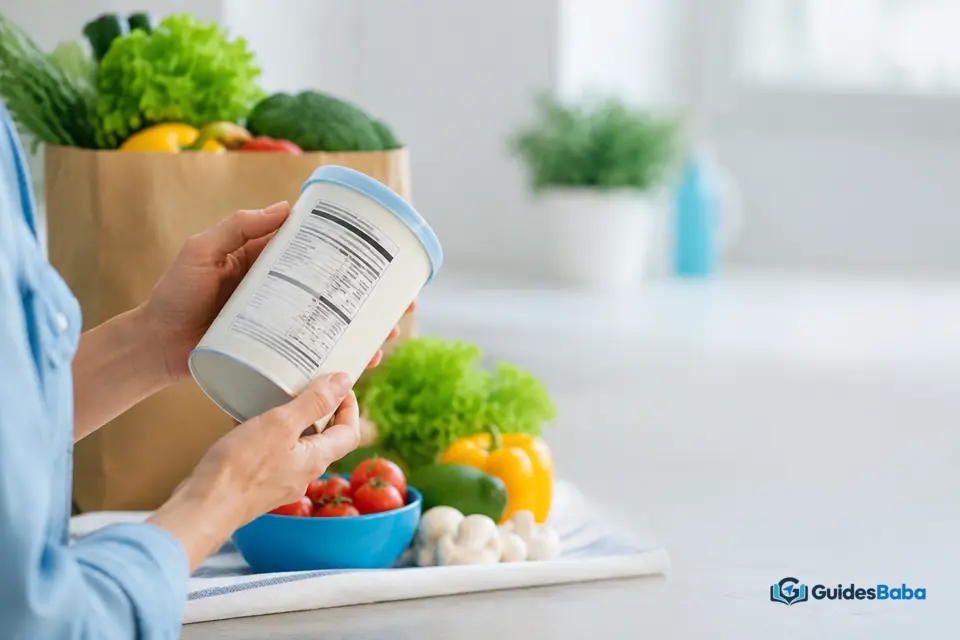
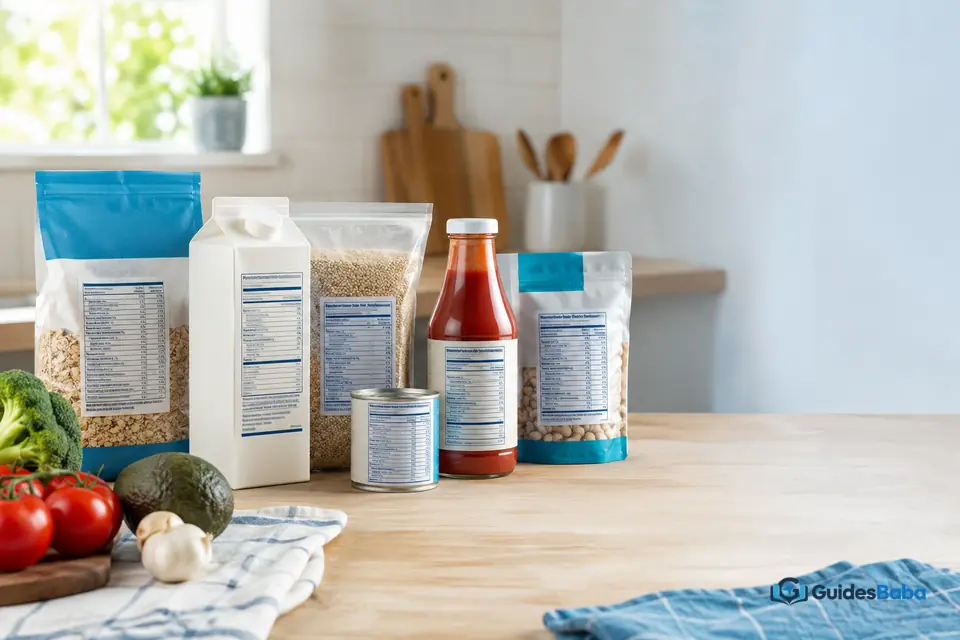
You flip a packet over and scan tiny print. So how do you read labels for food allergens? Where do you even start on a busy label? The skill is simpler than it first appears.
Rather than feeling overwhelmed at the shelf, learn a system. Food labels follow clear rules about allergens. Key ingredients are often highlighted for you. A short routine makes checking fast. Confidence grows every time you shop.
Here is the honest answer. You read the ingredient list from top to bottom. Common allergens are usually shown in bold. You also check any warning near the list. Watch for hidden names of familiar allergens. A calm, steady scan keeps you safe.
This guide covers how to read allergen labels. You will learn where allergens appear and hide. We compare packaged and loose food rules. This is not medical advice. See a professional.
So how do you read labels for food allergens?

The honest answer is a simple routine. You look at the ingredient list first. Then you scan any warning nearby.
Think of the label as a map. The ingredient list marks every component. Highlighted words point to common allergens. A warning line flags possible traces. Following the map keeps you safe.
Does this take a long time? Not once the habit forms. A quick scan covers the basics. Practice makes the routine second nature. Speed comes with repetition.
Why allergen labels matter

Allergen labels exist to protect people. A reaction can range from mild to serious. Clear labels help shoppers stay safe.
For some people, a small trace matters. Even hidden ingredients can cause trouble. Labels give you the information to decide. They turn guesswork into clear choices. That protection is genuinely valuable.
You benefit from labels even without an allergy. They help you understand your food. Reading them builds a useful habit. Knowledge supports better daily choices. Good information is always worth having.
Did you know?
Many regions require common allergens to be emphasised in the ingredient list. Bold text often marks them.
Where allergens appear on a label
Allergens live inside the ingredient list. They are not hidden in a separate corner. You find them among the components.
Each ingredient is listed by amount. The largest ingredients come first. Allergens appear wherever they belong in that order. Highlighting helps them stand out. The list is your main tool.
You may also see a summary statement. Some labels repeat allergens for clarity. A warning line can sit below the list. Together these give the full picture. Read every part with care.
The main allergens to watch
A handful of foods cause most reactions. These are the ones labels highlight. Knowing them speeds up your scan.
Milk, eggs, and fish are common culprits. Nuts, peanuts, and soy appear often too. Wheat and shellfish also feature widely. Learning the most common food allergens helps a lot. Familiar names catch your eye faster.
You will spot your triggers more quickly. The list becomes easy to scan. Your eye jumps to the key words. This makes shopping far smoother. Practice sharpens the skill.
Bold text and allergen highlighting
Many labels emphasise allergens visually. Bold text is the most common method. This helps them stand out fast.
Some labels use capital letters instead. Others underline the allergen word. The aim is always the same. They want the allergen to catch your eye. Highlighting speeds up safe choices.
You should still read the whole list. Highlighting helps, but it is not perfect. Some names can slip past a quick glance. A careful scan catches everything. Never rely on bold alone.
Precautionary “may contain” warnings

Some labels carry a cautious warning. It flags possible traces from shared equipment. These lines deserve attention.
A “may contain” note signals possible cross-contact. The allergen is not an ingredient. Yet traces might still be present. For sensitive people, this matters greatly. Take these warnings seriously.
You decide how cautious to be. Your doctor can guide that choice. Severe allergies call for extra care. When unsure, choose the safer option. Caution protects your health.
Hidden names for common allergens

Allergens sometimes appear under other names. This trips up many shoppers. Learning the aliases helps a lot.
Milk may show up as whey or curds. Eggs can appear as albumen. Wheat hides behind certain starch terms. Soy and nuts have their own aliases. Knowing these names prevents mistakes.
You build this knowledge over time. A short list in your phone helps. Each shop teaches you a new term. Soon the aliases feel familiar. Learning pays off quickly.

Reading the ingredient list step by step
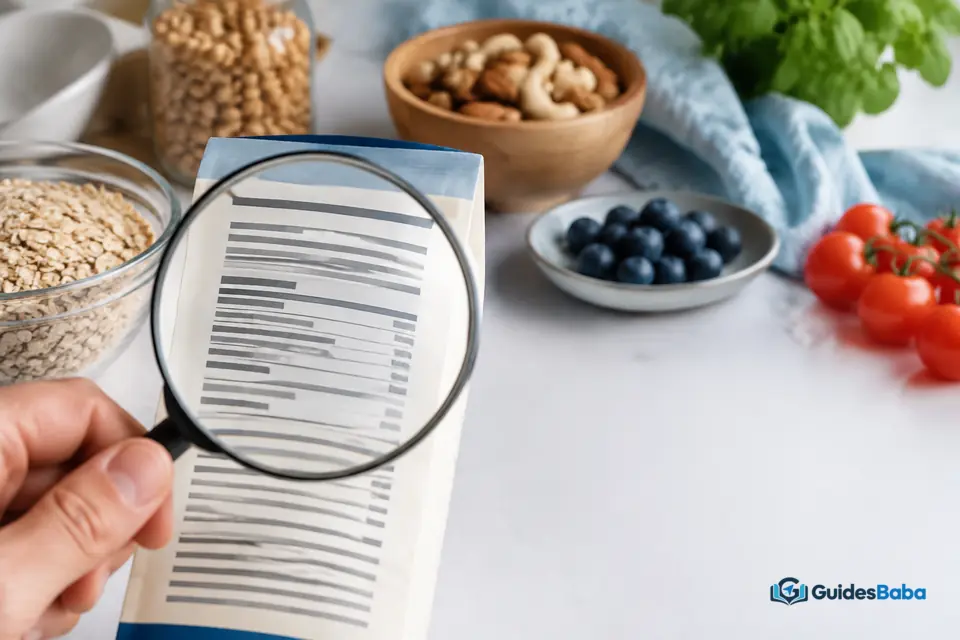
A steady method beats a rushed glance. You work through the list in order. Nothing gets missed that way.
Start at the top of the list. Read each ingredient one by one. Note any allergen and its aliases. Check the warning line at the end. A simple order keeps you thorough.
You can pair this with the nutrition panel. Learning to read a nutrition label adds context. It rounds out your understanding of the food. Both skills work well together. Reading becomes second nature.
Checking for cross-contamination notes
Cross-contact happens during production. Shared equipment can transfer traces. Labels often note this risk.
Look for phrases about shared lines. They mention the same factory or equipment. These notes sit near the ingredient list. For severe allergies, they matter greatly. Read them before you buy.
You weigh this risk with your doctor. Some people avoid these products entirely. Others accept a small chance. Your medical guidance sets the line. Personal advice always wins here.
Labels on loose and unpackaged food
Not all food comes prepacked. Bakery items and deli counters differ. Allergen information still applies to them.
Loose foods may show allergens on a sign. Staff can often provide the details. You may need to ask directly. The information should still be available. Never hesitate to request it.
You have every right to ask questions. A good seller answers them clearly. Written information is best when possible. Asking keeps you safe with loose food. Speak up without any worry.
Packaged versus loose food labels
People often ask how these differ. The clear comparison sets them side by side. Each follows its own approach.
| Packaged food labels | Loose food information |
|---|---|
| Full ingredient list printed on pack | Details often shown on a sign |
| Allergens usually emphasised in bold | Staff may provide the information |
| Warnings printed near the list | You may need to ask directly |
| Same message on every pack | Answers can vary by counter |
Both routes should give you the answers. Packaged labels are quick to scan. Loose food often needs a question. Either way, get clear information first.
Reading labels when eating out
Restaurants handle allergens in their own way. Menus may flag common allergens. Staff can share more detail.
Ask about ingredients before you order. Mention your allergy clearly and calmly. Request how the dish is prepared. Good kitchens welcome these questions. Clear communication keeps you safe.
You can also call ahead for busy places. This gives the kitchen time to plan. A quick chat prevents surprises. Preparation makes dining out easier. Speaking up is always wise.
Teaching family and carers to read labels
Allergen safety is a shared task. Family and carers benefit from the skill. Teaching them widens the safety net.
Show them where allergens appear on labels. Explain the highlighted words and warnings. Share the common hidden names too. A short lesson builds real confidence. Shared knowledge protects everyone.
You make life safer for the whole household. Carers can shop and cook with care. Children learn the habit early. Everyone reads with the same eye. Teamwork strengthens the routine.
Common mistakes people make
One common mistake is trusting memory alone. Recipes change without any notice. Always reread the current label.
Another mistake is skipping the warning line. People read ingredients but miss the caution. That warning can be crucial. Read the whole label every time. Nothing should be skipped.
Some confuse an allergy with an intolerance. The difference between allergy and intolerance matters. Each needs a different response. Know which one applies to you. Clarity keeps you safe.
Building a safe shopping routine

A steady routine makes shopping calm. You check every new product the same way. Consistency prevents slips.
Pick up the item and turn it over. Scan the ingredient list top to bottom. Check the highlighted allergens and warnings. Only then place it in your basket. A firm habit protects you.
You can keep a personal allergen list handy. It reminds you of hidden names. A phone note works perfectly. Quick reference speeds up shopping. Small tools make a big difference.
When to see a doctor
Allergies need professional guidance. Labels help, but they are not diagnosis. A doctor gives the clearest advice.
See a professional to confirm an allergy. Ask about the severity of your reactions. Discuss how strict you should be. They may suggest an action plan. Expert care keeps you safest.
This is not medical advice. See a professional for a real diagnosis. Use these label tips as practical support. Then let expert care lead the way.
Staying confident while shopping
Reading labels gets easier with practice. The routine soon feels automatic. Confidence replaces the early worry.
Keep your method simple and consistent. Trust the ingredient list and warnings. Ask questions whenever you feel unsure. Preparation turns stress into calm. Each shop builds your skill.
You can enjoy food with more freedom. Clear labels support better choices. A steady habit keeps you safe. Knowledge puts you in control. Good routines carry you through.
Keeping a personal allergen list
A written list keeps your allergens clear. You carry it while shopping or dining. It removes doubt in the moment.
Note each allergen and its hidden names. Keep the note on your phone. A quick glance settles the question.
Frequently asked questions
How do you read labels for food allergens?
Read the ingredient list from top to bottom. Check highlighted allergens and any warning line.
Where are allergens shown on a label?
They sit inside the ingredient list. Common allergens are often emphasised in bold.
What does “may contain” mean?
It warns of possible traces from shared equipment. The allergen is not a listed ingredient.
Which allergens should I watch for?
Milk, eggs, fish, nuts, peanuts, soy, wheat, and shellfish. These cause most reactions.
Can allergens have hidden names?
Yes, milk may appear as whey or curds. Learn the common aliases to stay safe.
Do I need to reread labels each time?
Yes, recipes and factory lines can change. Always check the current label before buying.
How do loose foods show allergens?
Details may appear on a sign. Staff can also provide the information directly.
How do I ask about allergens when eating out?
Tell staff your allergy clearly and calmly. Ask how the dish is prepared.
Is bold text always reliable?
It helps, but it is not perfect. Read the whole list to be sure.
Should I see a doctor about allergies?
Yes, a professional should confirm any allergy. They guide how strict to be.
The bottom line
So how do you read allergen labels? You scan the list from top to bottom. You watch for highlighted allergens in bold. You check any warning near the list. You also learn the hidden names of allergens.
You should reread every label before buying. Recipes and production lines can change. Ask staff about loose foods and restaurant dishes. A steady routine keeps you safe.
For more background, read this overview of food allergy and its signs. You can also learn what an allergen actually is. Use trusted sources to guide your choices.
This is not medical advice. See a professional for your personal needs. A clear routine makes shopping far calmer. Then let expert care support your safety.