
A single hidden ingredient can ruin your day. So how can you avoid accidental food-allergy exposure? Is truly careful eating even possible? Better safe than sorry always applies here.
Rather than living in constant fear, build habits. Allergens hide inside many everyday foods. Labels and questions become your best tools. Small routines protect you every single day. Awareness makes the real difference.
Here is the honest answer. You avoid exposure by reading every label. Ask questions before eating any unfamiliar food. Tell restaurants about your allergy very clearly. Watch closely for cross-contact in kitchens. Steady preparation keeps you far safer.
This guide covers practical habits step by step. You will learn how to read labels well. We compare home cooking with eating out. This is not medical advice. See a professional.
So how do you avoid accidental exposure?
The honest answer sits in daily habits. No single trick keeps you fully safe. Many small checks work together instead.
Think of it like locking several doors. Each habit closes one path to exposure. Reading labels closes one door firmly. Asking questions closes another one too. Together they protect you well.
Can you ever feel totally relaxed? Not entirely, and that is okay. Good routines lower the risk sharply. Vigilance becomes second nature over time. Confidence grows with steady practice. Each safe day builds a little more.
What counts as accidental exposure
Accidental exposure means eating an allergen unknowingly. It often hides in a trusted food. The source is not always obvious.
A sauce may contain a hidden nut. A shared spoon can carry traces across. A changed recipe can surprise a loyal buyer. Even a friendly gift can pose risk. Small oversights cause most incidents.
You cannot avoid what you never see. That is why checking matters so much. Assume nothing about an unfamiliar dish. Verify before every single bite. Careful eyes catch hidden dangers. A moment of doubt is worth respecting.
Did you know?
Ingredient recipes can change without warning. A safe product last month may not be safe today.
Why reading labels comes first
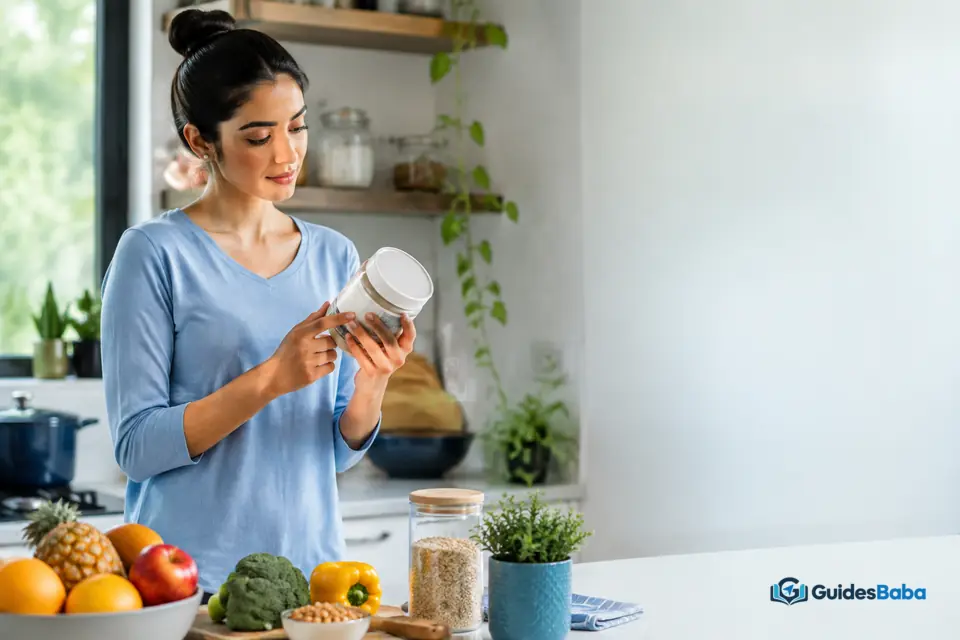
Labels are your clearest source of truth. They list ingredients and common allergens. Reading them becomes a vital habit.
Many regions require allergen highlighting on packs. Bold text often marks the main allergens. A quick scan reveals hidden risks. Following basic nutritional guidelines supports safe habits. Never skip the small print.
You should read the label every time. Recipes and suppliers can quietly change. A trusted brand may add an allergen. One skipped check can cause harm. Consistency keeps this habit strong. One glance can prevent real trouble.
How to spot hidden allergen names
Allergens sometimes hide behind technical names. A single food has many labels. Learning these names protects you.
Milk may appear as casein or whey. Wheat can hide as semolina or spelt. Eggs sometimes appear as albumin. Knowing the common food allergens helps greatly. These aliases trip up many people.
You can keep a small reference list. Check unfamiliar words against it often. Ask staff when a term confuses you. A quick search clears up doubt. Knowledge turns confusion into safety. A little study pays off daily.
The problem of cross-contact
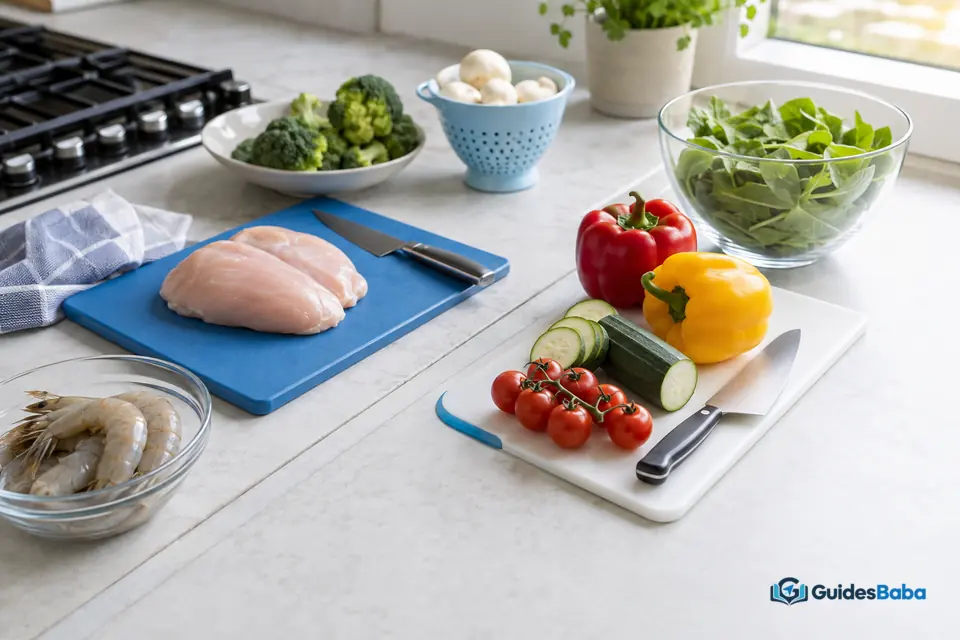
Cross-contact spreads allergens between different foods. It happens through shared tools or surfaces. Even tiny traces can cause reactions.
A shared knife can carry peanut butter. A busy fryer can mix many foods. A cutting board can hold hidden residue. Wiping alone may not remove allergens. Small traces still pose real danger.
You should ask how food is prepared. Separate tools and clean surfaces help most. Request fresh gloves when it matters. Careful handling reduces this common risk. Prevention beats treatment every time. Ask questions without any embarrassment.
Talking to restaurants clearly

Restaurants can accommodate allergies when informed early. Clear communication keeps everyone on track. Speak up before you order.
Tell your server about the allergy plainly. Ask which dishes are genuinely safe. Mention cross-contact risks in the kitchen. Confirm your request reaches the chef. Repeat it if the room is busy.
You can carry a short allergy card. It states your needs in plain words. Staff can read it without confusion. A written note prevents mix-ups. Preparation makes dining out easier.

Cooking safely at home
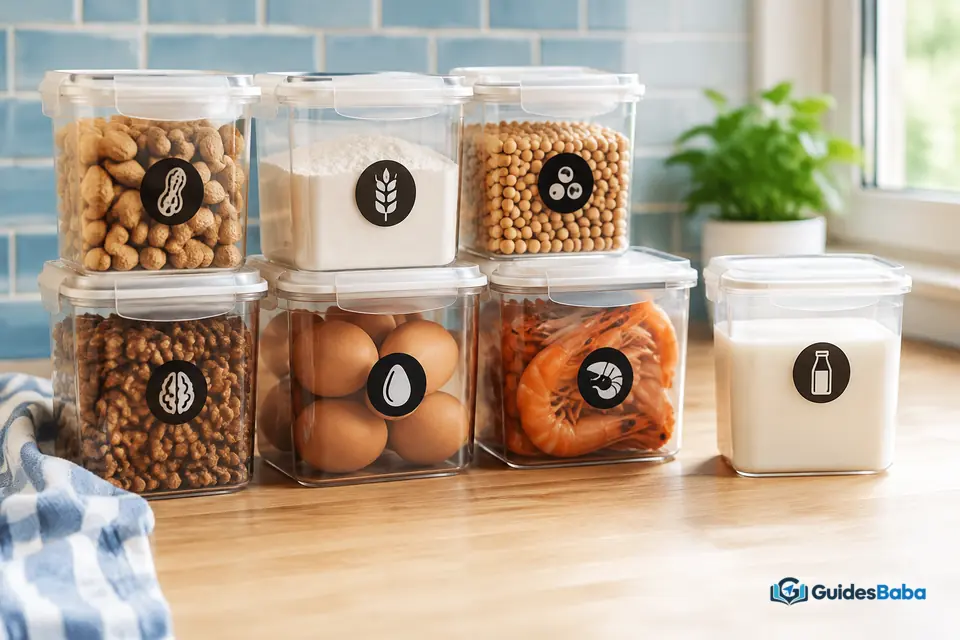
Home is where you control the risk. Careful habits keep your kitchen safe. Small steps prevent most problems.
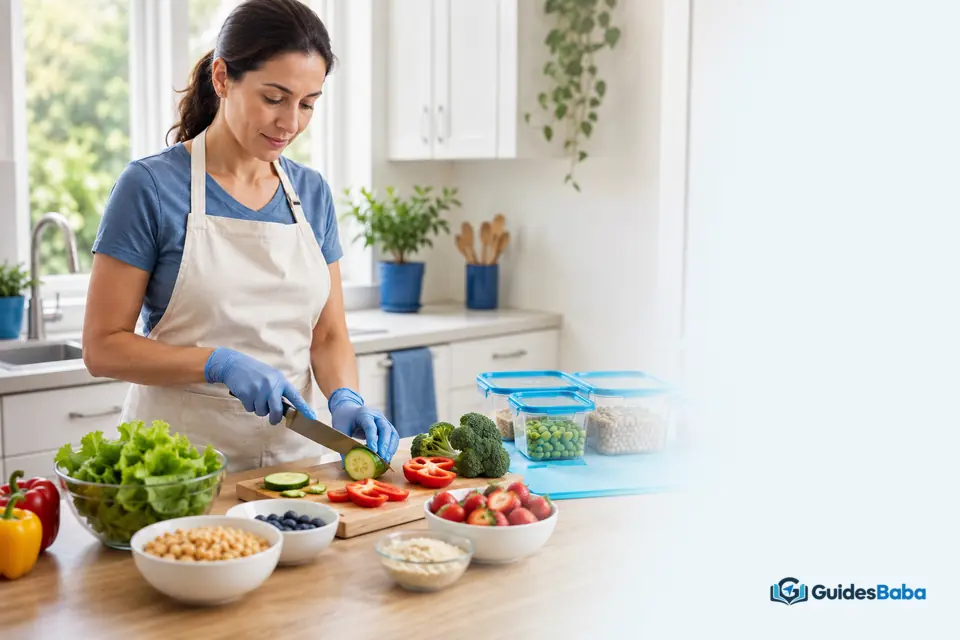
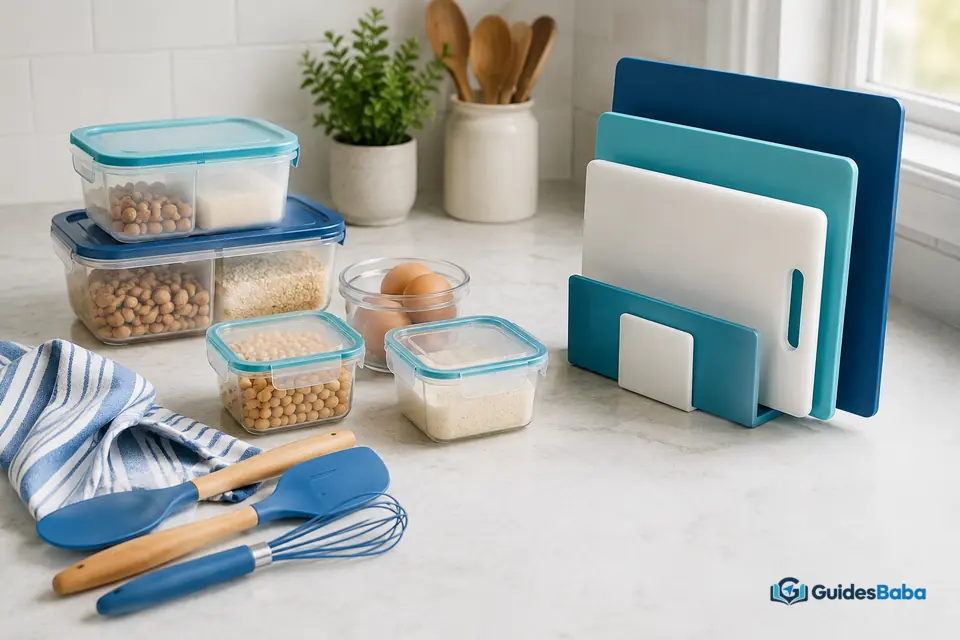
Store allergens in sealed, labelled containers. Wash hands and tools between tasks. Prepare safe food before risky food. Keep separate utensils where you can. Clean surfaces before you start cooking.
You can plan meals to reduce risk. Simple recipes limit surprise ingredients. Cook from whole foods when possible. Fewer processed items mean fewer hidden allergens. Control gives real peace of mind. Your own kitchen can feel truly safe.
Why shared kitchens need care
Shared kitchens raise the chance of contact. Many people use the same tools. Traces can travel between meals easily.
A flatmate may leave crumbs on counters. A shared toaster can hold gluten residue. A communal jar can pick up traces. Clear rules help everyone stay safe. Label your own safe items plainly.
You can keep a personal shelf apart. Use your own sealed tools daily. Wipe surfaces before you prepare food. A little planning prevents accidents. Shared spaces still work with care. Clear habits protect every housemate too.
Common allergens worth knowing
A handful of foods cause most reactions. Knowing them helps you stay alert. These appear across many products.
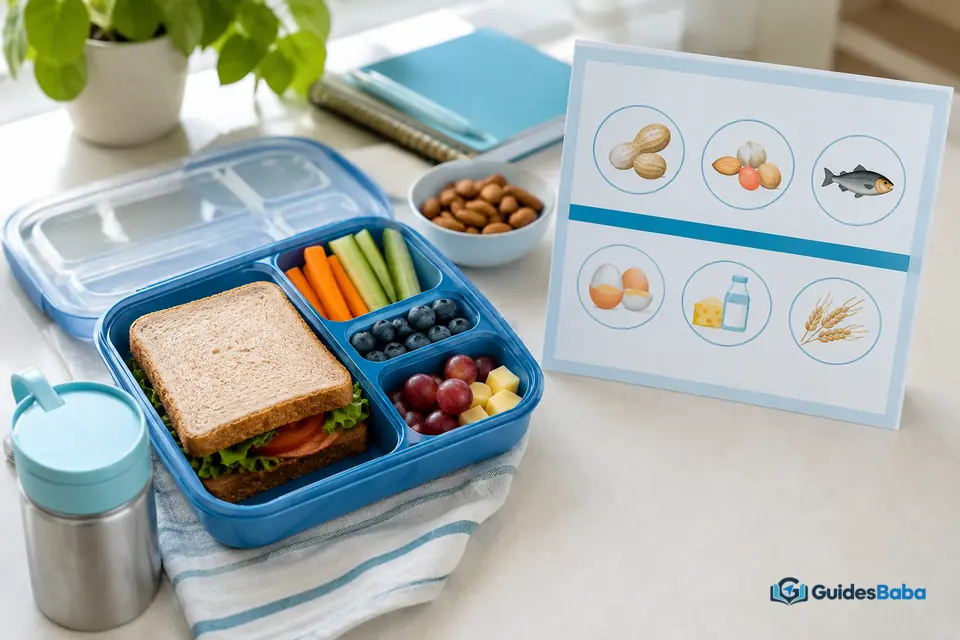
Peanuts, tree nuts, milk, and eggs are common. Fish, shellfish, soy, and wheat follow closely. Sesame also affects many people now. Learning the most common food allergens builds awareness. These foods deserve extra caution.
You can scan labels for these first. They hide in sauces and baked goods. Snacks often carry unexpected traces. A quick habit catches many risks. Focus your attention where it counts.
Eating out with more confidence
Dining out feels risky with an allergy. Good preparation makes it far easier. You can still enjoy meals safely.
Call the restaurant ahead when you can. Ask about their allergy handling steps. Choose simpler dishes with fewer ingredients. Building a healthier everyday diet supports these choices. Trust venues that take you seriously.
You can return to places that help. Loyal spots learn your needs over time. Kindness and clarity build good trust. A reliable venue reduces daily stress. Comfort grows with familiar kitchens. A trusted table feels genuinely relaxing.
Label reading versus asking staff
People weigh two main safety habits. The comparison is label reading versus asking staff. Each fits a different situation.
| Label reading | Asking staff |
|---|---|
| Best for packaged foods. | Best for freshly cooked meals. |
| Shows the full ingredient list. | Reveals kitchen handling and cross-contact. |
| Works quietly on your own. | Needs clear, confident conversation. |
| Can miss recipe changes. | Can miss busy-kitchen mistakes. |
Use both habits together for safety. Read labels whenever a pack exists. Ask staff whenever food is fresh. The two methods cover each other well.
Travelling with a food allergy
Travel adds new allergy challenges to manage. Unfamiliar foods and languages raise the risk. Planning ahead keeps trips safer.
Research local dishes before you arrive. Learn key allergen words in the language. Pack safe snacks for long journeys. A balanced approach echoes a balanced diet. Carry translated allergy cards everywhere.
You can choose accommodation with a kitchen. Cooking your own meals lowers risk. Locate nearby pharmacies on arrival. Know how to seek help quickly. Preparation turns travel into adventure.
Helping children stay safe
Children with allergies need extra support. They cannot always judge risk alone. Adults must guide them gently.
Teach them to refuse unknown foods. Explain why sharing snacks can be risky. Inform teachers and carers clearly. Provide safe options for school events. Practice simple rules until they stick.
You can build their confidence over time. Older children can read labels themselves. Encourage them to speak up early. Praise careful choices when you see them. Independence grows with steady guidance. Patience turns caution into a natural habit.
Common mistakes people make
One common mistake is skipping the label. Familiar packs feel safe but change. A quick check prevents surprises.
Another mistake is staying quiet at restaurants. Some people fear seeming difficult. That silence can lead to harm. Always mention your allergy clearly. Your safety matters more than comfort.
Some people forget about cross-contact entirely. They read labels but ignore shared tools. Traces then slip through unnoticed. Watch both ingredients and handling. Both paths deserve attention.
Carrying an emergency plan
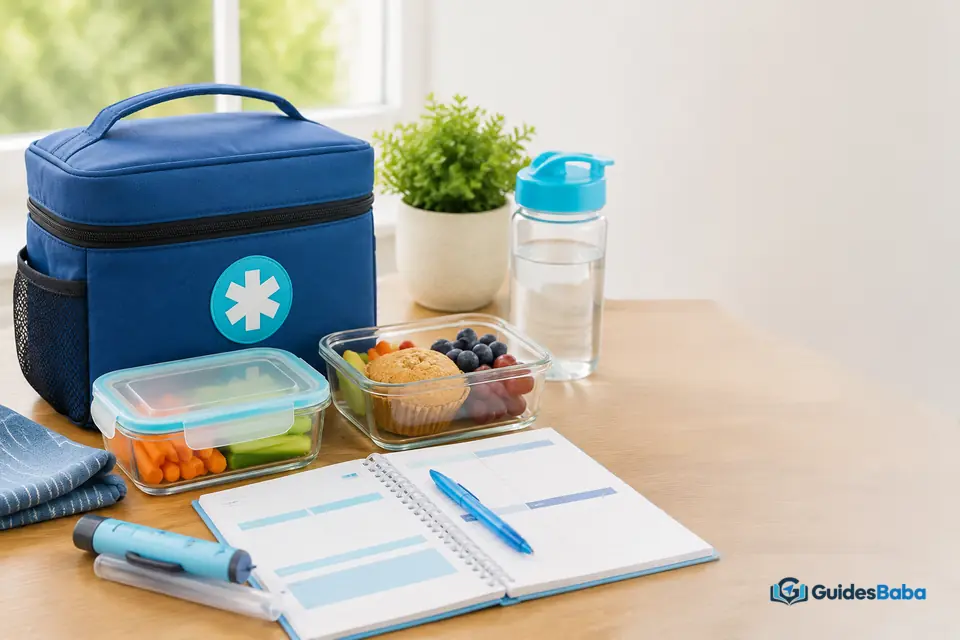
An emergency plan brings real reassurance. It guides you if a reaction starts. Preparation calms the worst moments.
Know your own warning signs early. Carry any medication your doctor advises. Tell friends how they can help. Keep emergency contacts easy to find. A clear plan saves precious time.
You should review the plan regularly. Replace expired items without delay. Practice the steps until they feel natural. Share the plan with close people. Readiness offers quiet confidence.
Who might need tailored guidance
General tips suit many people well. Still, some situations need personal care. Certain needs change the picture.
Severe allergies demand professional attention. Multiple allergies make planning harder. A dietitian can build a safe plan. Your doctor understands your full history. Personal advice always beats general rules.
This is not medical advice. See a professional before big changes. Use these ideas as a friendly guide. Then adapt them to your needs.
Building lasting safe habits
Lasting safety grows from steady routines. Small habits repeated daily work best. Consistency beats occasional big efforts.
Read every label out of habit. Ask questions without any hesitation. Keep your kitchen clean and organised. Carry your plan wherever you go. Repetition makes safety feel effortless.
Above all, trust your own caution. It protects you better than luck. Listen to any doubt you feel. Pause and check before eating. Careful habits keep you well. Trust the routine you have built.
Frequently asked questions
How can you avoid accidental food-allergy exposure?
Read every label and ask questions often. Watch closely for cross-contact in kitchens.
What is cross-contact?
It is when allergens spread between foods. Shared tools or surfaces usually cause it.
Why should I read labels every time?
Recipes and suppliers can change quietly. A trusted product may add an allergen.
How do allergens hide on labels?
They often use technical or alternate names. Milk may appear as casein or whey.
How do I tell a restaurant safely?
Speak clearly to your server before ordering. A written allergy card also helps a lot.
Can I cook safely at home?
Yes, use sealed containers and clean tools. Prepare safe food before any risky food.
Are shared kitchens risky?
They can be, through shared tools and crumbs. Keep your own shelf and clean surfaces first.
What foods cause most reactions?
Peanuts, tree nuts, milk, eggs, and wheat are common. Fish, shellfish, soy, and sesame follow.
How do I travel with an allergy?
Learn key allergen words and pack safe snacks. Carry translated cards and locate help nearby.
What should an emergency plan include?
Know your warning signs and any medication. Keep contacts handy and tell close friends.
The bottom line
So how do you avoid accidental exposure? You read every label with real care. You ask clear questions before eating. You watch closely for hidden cross-contact. Steady habits keep you far safer.
You do not need to live in fear. Build simple routines and repeat them daily. Speak up whenever food feels uncertain. Confidence grows with each careful choice.
For more background, read this overview of food allergy and its causes. You can also learn what an allergen actually is. Use trusted sources to guide your habits.
This is not medical advice. See a professional for your personal needs. Choose careful habits that fit your life. Then let steady routines protect you.