


New parents ask this all the time. So does a mother’s diet affect breast milk? Have you heard you must eat perfectly? The truth is more reassuring than that. Your body is wonderfully clever here.
Rather than chasing a flawless diet, eat well. Your milk stays remarkably steady overall. Some parts do shift with food. A varied, balanced diet supports you both. Your care team can guide the details.
Here is the honest answer. Your diet affects some parts of milk. It changes certain fats, vitamins, and flavours. Core nutrition stays fairly constant, though. Your body protects your baby first. Always follow your own doctor or midwife.
This guide covers how diet shapes milk. You will learn what changes and what stays. We also cover caffeine and alcohol. This is not medical advice. See a professional.
So does a mother’s diet affect breast milk?

The honest answer is partly yes. Some milk components respond to your food. Others stay steady no matter what. Your body works hard to balance this.
Think of your milk like a river. Small things floating on top may change. Fats, some vitamins, and flavours can shift. The core supply keeps flowing. Your baby still gets what they need. Balance is the quiet goal here.
Do you need a perfect diet? Not really, just good everyday choices. Focus on whole, fresh foods. Your lactation consultant can tailor advice. Personal guidance always comes first. No guide replaces your own team.
Why your milk stays remarkably steady
Your body prioritises your baby’s needs. It draws on your own stores. Milk quality stays fairly protected. This happens even on rough days.
Many core nutrients stay quite stable. Your body tops them up from reserves. That is why milk is reliable. It supports growth day after day. Even imperfect eating still nourishes well. Your baby remains the priority.
You do not need to be flawless. Aim for steady, sensible eating. Small good habits add up. Your care team will support you. Progress matters more than perfection.
Did you know?
Flavours from your meals can pass into milk. This early taste variety may shape later food acceptance.
What your diet does change
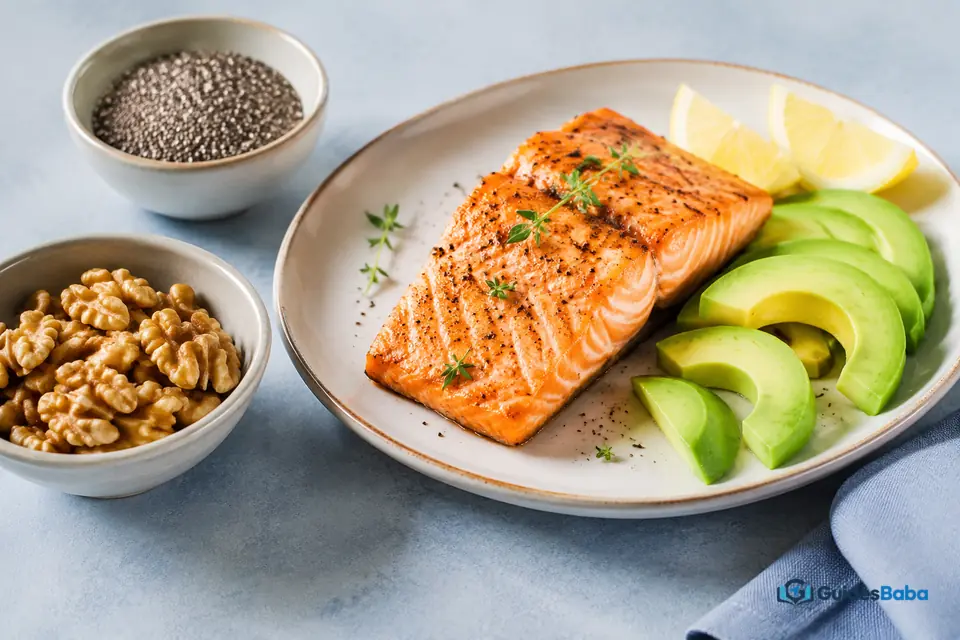
Some parts of milk do shift with food. Certain fats reflect what you eat. A few vitamins track your intake too. Flavours also carry through.
The types of fat can change gently. Some vitamin levels follow your diet. Strong food flavours may pass through. This is usually harmless and normal. Your baby often enjoys the variety. Learn what to eat while breastfeeding here.
You should not stress over each meal. Your body smooths out the rest. Aim for general balance instead. Your dietitian can explain more. Simple, steady eating works well.
Eating a balanced, varied diet
A balanced diet is your foundation. It covers most of your needs. Variety fills in the gaps. Together they cover a lot.
Fill your plate with different food groups. Include fruit, vegetables, and whole grains. Add protein and some dairy. Healthy fats belong there too. Learn about the essential nutrients you need.
You do not need fancy superfoods. Everyday whole foods work well. Your care team can adjust this. Simple food is often best.
Getting enough protein

Protein supports your own body now. It helps you feel steadier. Your needs rise a little while nursing. Regular sources keep you strong.
Good options are easy to find. Eggs, beans, lentils, and fish help. Lean meat and poultry work well. Dairy and nuts add more. These high-protein foods support you.
You should spread protein across meals. Include some at each sitting. This keeps your energy steady. Simple choices are usually enough. Your dietitian can advise amounts. Aim for a little regularly.

Fats and your breast milk
The fat in milk gives energy. Some fat types reflect your diet. Others your body makes itself. Balance is what matters here.
Oily fish supplies helpful omega-3 fats. Nuts and seeds offer good fats too. Olive oil is another gentle source. These can shape milk fat quality. Your body still fills the gaps. A varied diet does most work.
You should not fear healthy fats. They support you and your baby. Choose whole sources where you can. Your dietitian can guide choices.
Vitamins that track your diet

Some vitamins in milk follow your intake. Eating well keeps their levels good. A varied diet usually covers them. Food is the best start.
Fruit and vegetables supply many vitamins. Whole grains and dairy add more. Certain vitamins may need extra thought. Vitamin D is a common example. Your doctor may suggest a supplement. Never guess doses on your own.
You should follow professional advice here. Do not self-prescribe anything. Your care team knows your situation. This is not medical advice. Always ask before you start.
Minerals and your milk
Minerals support you and your baby. Many stay steady in your milk. Your body draws on stores for these. Eating well protects those reserves.
Iron, calcium, and zinc all matter. A balanced diet supplies most minerals. Dairy, greens, beans, and grains help. Your body manages the rest. Explore which foods are highest in calcium here.
You should not chase single minerals alone. A varied diet does the work. Supplements fill only specific gaps. Let a professional guide additions.
Staying well hydrated

Fluids matter a great deal now. Breastfeeding can leave you thirsty. Hydration supports your comfort and energy. It helps many body systems.
Plain water is the best choice. Sip it steadily through the day. Keep a bottle within easy reach. Drink when you feel thirsty. Milk supply relies on good fluids. Regular sips work better than gulps.
You do not need to overdrink. Extra water will not boost supply. Simply meet your thirst well. Your midwife can advise more.
Flavours that pass into milk
Strong flavours can reach your milk. Garlic and spices are classic examples. This is normal and usually harmless. Your baby may even enjoy it.
Early flavour variety can be helpful. It gently introduces new tastes. This may support later food acceptance. Most babies handle flavours well. You rarely need to avoid them.
You should watch your own baby. Some react to certain foods. If so, note the pattern. Then discuss it with a professional. Every baby is a little different.
Caffeine and your milk
Many parents wonder about caffeine now. A small amount does pass into milk. Most babies tolerate modest intake well. Moderation is the key idea.
Keep caffeine within sensible limits. Watch for a jittery or restless baby. Cut back if you notice this. Timing your drinks may help too. Everyone reacts a little differently. See how caffeine passes into breast milk here.
You should follow local guidance on limits. Your midwife can give clear advice. Do not guess at safe amounts. Ask a professional for your case. Advice can vary between people.
Alcohol and breastfeeding
Alcohol also passes into breast milk. Many parents choose to avoid it. Others follow careful timing advice. Professional guidance really matters here.
The safest option is no alcohol. If you do drink, plan timing carefully. Your midwife can explain safe gaps. Never rely on guesswork alone. This protects your baby best. Trusted advice beats old myths.
You should always check current guidance. Rules can differ between countries. Your care team knows the details. Confirm with a professional first. Safety comes before anything else.
Foods that may unsettle baby
Sometimes a baby seems a bit fussy. Parents often blame their own diet. Usually no single food is at fault. Patterns are worth watching, though.
A few babies react to certain foods. Dairy is one possible trigger. Keep a simple food and symptom note. Look for any clear pattern. Then share it with your doctor. Do not cut foods without advice.
You should avoid guessing big changes. Removing food groups can backfire. Your dietitian can guide safe steps. Get proper advice before restricting. Guesswork has no place here.
A steady diet versus a perfect diet
People often chase a flawless diet. The real comparison is steady versus perfect. One serves you far better.
| Steady balanced eating | Chasing a perfect diet |
|---|---|
| Wide range of foods | Cuts out food groups |
| Calm, sustainable habits | Stress and guilt |
| Covers many nutrients | Can miss key nutrients |
| Guided by your care team | Often done without advice |
Breastfeeding is no time for guilt. Focus on nourishing, balanced meals. Let professionals guide any changes. Your body handles the rest.
Common breastfeeding diet mistakes
One mistake is over-restricting food. Cutting groups can leave you drained. Quality and balance beat strictness. Restriction rarely helps your milk.
Another mistake is skipping meals entirely. That can sap your energy. Some parents take random supplements alone. Others panic over one fussy day. Both can cause problems. Guesswork has no place here.
You should avoid guessing at big changes. Base your choices on real advice. Your dietitian can correct myths. Trusted guidance keeps you safe. Reliable sources beat old wives’ tales.
When to seek professional advice

General tips suit many parents well. Still, every family is unique. Personal advice always matters most. Your needs are truly your own.
See your midwife or lactation consultant. Ask about supplements and food concerns. Some conditions need special diets. Allergies and reactions need extra care. Your team will tailor everything. Regular checks keep you on track.
This is not medical advice. See a professional for your own plan. Use these ideas as general background. Then follow your trusted care team. They know your full history.
Building simple daily habits
Good habits grow from small steps. Change one thing at a time. Build steadily through your week. Small shifts feel manageable.
Keep water beside your feeding chair. Prepare easy, balanced snacks ahead. Add one extra vegetable each day. Cook a little extra to freeze. Plan simple meals in advance. Small routines make a difference. Preparation removes daily stress.
Above all, listen to your body. It signals hunger and thirst. Rest and eat when you can. Lean on your care team. They are there to help you.
Frequently asked questions
Does a mother’s diet affect breast milk?
Yes, it changes some fats, vitamins, and flavours. Core nutrition stays fairly steady, though.
Do I need a perfect diet?
No, aim for steady, balanced eating. Your body smooths out the rest.
Can foods change how milk tastes?
Yes, strong flavours can pass into milk. This is normal and usually harmless.
Will my diet change milk supply?
Supply relies more on feeding and fluids. Ask a lactation consultant for advice.
Is caffeine safe while breastfeeding?
A modest amount is usually tolerated. Watch your baby and follow local guidance.
Should I avoid alcohol?
Avoiding it is the safest choice. If you drink, follow careful timing advice.
Can my diet cause a fussy baby?
Usually no single food is to blame. Note patterns and ask a professional.
Do I need supplements?
Ask your doctor or midwife first. They advise what is right for you.
Should I drink extra water?
Drink to meet your thirst. Extra water will not boost supply.
When should I seek advice?
See your midwife or lactation consultant. Ask about any concerns straight away.
The bottom line
So does a mother’s diet affect breast milk? In part, yes, but not entirely. It shifts some fats, vitamins, and flavours. Your core milk stays remarkably steady. Your body protects your baby first.
You do not need a flawless diet. Aim for balance, not perfection. Stay hydrated and eat regularly. Lean on your care team throughout.
For general background, read this overview of breast milk. You can also learn about the process of lactation. Use trusted sources alongside professional advice.
This is not medical advice. See a professional for your own care. Every parent and baby is different. Then let your trusted team guide you.