


New parents often feel unsure here. So are there foods you should avoid while breastfeeding? Have you heard a long list of bans? The truth is more freeing than that. Most foods are perfectly fine.
Rather than fearing your favourite meals, relax a little. Only a short list needs care. A varied, balanced diet supports you both. You can enjoy most things in moderation. Your care team can guide the details.
Here is the honest answer. Very few foods are truly off limits. Alcohol and high caffeine need care. High-mercury fish is best limited. Most other foods are fine to enjoy. Always follow your own doctor or midwife.
This guide covers foods to watch. You will learn what to limit and why. We also cover baby reactions and safety. This is not medical advice. See a professional.
So are there foods you should avoid while breastfeeding?
The honest answer is only a few. Most foods pose no problem at all. A short list simply needs care. You can enjoy a wide diet.
Think of it like a short caution list. It is not a long ban. A few items just need limits. Alcohol and high caffeine sit there. High-mercury fish belongs too. Beyond those, enjoy your meals. Most foods stay on the table. Balance is the quiet goal here.
Do you need to fear food now? Not really, just use gentle care. Focus on whole, varied foods. Your dietitian can tailor advice. Personal guidance always comes first. No guide replaces your own team.
Why most foods are fine
Your body handles food remarkably well. It filters what reaches your milk. Most meals pass through with no issue. Variety is usually a good thing.
Different flavours can reach your milk. This is normal and often helpful. It gently introduces your baby to tastes. Most babies handle this happily. You rarely need to avoid flavours. Enjoy your usual foods with confidence.
You do not need a bland diet. Aim for balanced, varied meals. Small good habits add up. Your care team will support you. Progress matters more than perfection.
Did you know?
Spicy and garlicky foods rarely need avoiding. Most babies happily accept these flavours in milk.
The short list to watch
Only a handful of items need care. Knowing them makes life easier. The list is shorter than many expect. Most of your diet stays open.
Alcohol is the main one to limit. High caffeine intake needs care too. Some fish are high in mercury. Certain foods may upset some babies. Otherwise your diet stays wide open. Learn what to eat while breastfeeding here.
You should not extend this list yourself. Cutting more foods rarely helps. Get advice before restricting anything. Your dietitian can guide you. Keep your diet wide.
Alcohol and breastfeeding
Alcohol passes into breast milk. Many parents choose to avoid it. Others follow careful timing advice. Professional guidance really matters here.
The safest option is no alcohol. If you do drink, plan the timing. Your midwife can explain safe gaps. Never rely on guesswork alone. This protects your baby best. Trusted advice beats old myths.
You should always check current guidance. Rules can differ between countries. Your care team knows the details. Confirm with a professional first. Safety comes before habit.
Caffeine in moderation

Many parents enjoy tea or coffee. A modest amount is usually fine. Very high caffeine is best avoided. Balance is the sensible aim.
Some caffeine passes into your milk. Most babies tolerate modest intake well. Watch for a restless or jittery baby. Cut back if you notice this. Timing your drinks may help too. See how caffeine passes into breast milk here.
You should follow local guidance on limits. Learn how much caffeine is too much here. Do not guess at safe amounts. Ask a professional for your case.
High-mercury fish
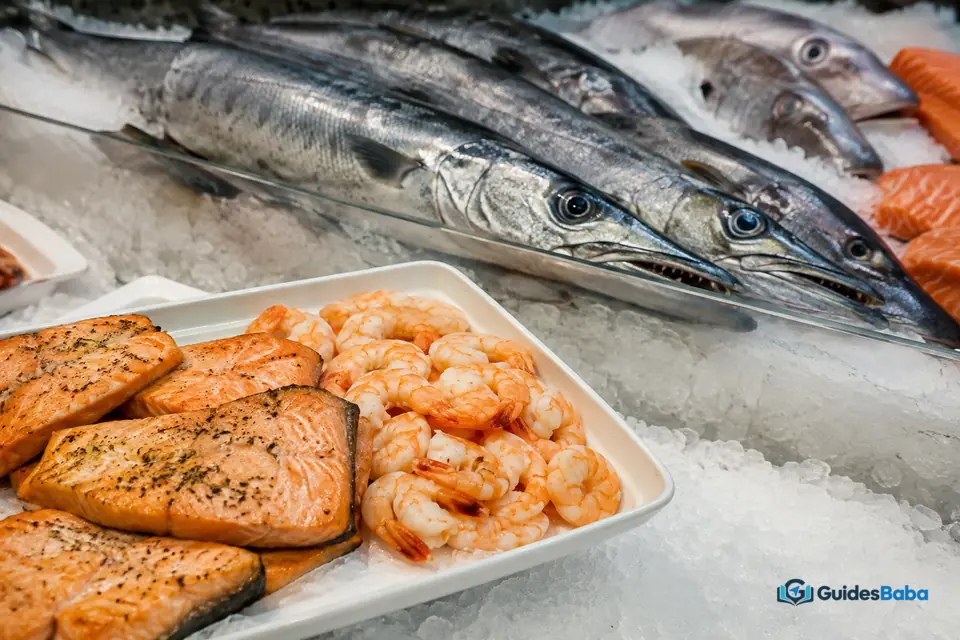
Fish is a healthy food overall. Most types are fine while nursing. A few carry higher mercury, though. These are best limited now.
Oily fish supplies helpful omega-3 fats. Most white fish is fine too. Some large fish hold more mercury. Shark and swordfish are examples. Limit these while breastfeeding. Choose lower-mercury options more often.
You should check local fish advice. Guidance can vary between places. Your midwife knows the details. Confirm safe choices with a professional. Simple swaps help here.

Watching your baby’s reactions

Every baby is a little different. A few react to certain foods. Watching gently helps you learn. Patterns matter more than one meal.
Notice any rash, fussiness, or tummy upset. Keep a simple food and symptom note. Look for a clear, repeated pattern. One bad day rarely means much. Share your notes with a professional. They can help you read the signs.
You should not cut foods on guesswork. Removing groups can affect nutrition. Get advice before making changes. Your dietitian can guide safe steps. Watch calmly and note patterns.
Common trigger foods
Some foods are more common triggers. Even so, most babies react to none. It helps to know the usual suspects. Watching calmly is the key.
Dairy is one possible trigger for some. Certain proteins can bother sensitive babies. Reactions are still fairly uncommon, though. Do not assume a problem exists. Watch for real, repeated signs. Then discuss them with your doctor.
You should not pre-emptively ban foods. That can harm your own nutrition. Base changes on real evidence. Your care team can advise.
Herbal teas and supplements
Herbal products can seem harmless. Not all are safe while nursing, though. Some herbs are not well studied. Caution is wise here.
Common teas are often fine in moderation. Some herbal blends need more care. Supplements can interact with your body. Never assume natural means safe. Check any product with a professional. Learn about the essential nutrients you need.
You should ask before taking new products. Your pharmacist can help you here. Your midwife knows your situation. Confirm safety with a professional.
Food safety and hygiene

Safe food matters for everyone now. Good hygiene protects you and baby. Simple habits lower any risk. They are always worth it.
Wash your hands before cooking. Keep raw and cooked foods apart. Cook meat and eggs thoroughly. Chill fresh food without delay. Store leftovers safely and promptly. Reheat food until piping hot.
You should follow use-by dates closely. Rinse fruit and salads well. Simple hygiene protects you both. Small care steps go far.
Allergies and family history
Family history can raise some questions. Strong allergies deserve extra thought. Still, avoidance is not always advised. Professional guidance is essential here.
Do not cut major foods on your own. Some avoidance can backfire badly. Current advice may differ from old rules. Your doctor can assess your history. They will suggest a safe plan. Personal advice is vital with allergies.
You should never guess with allergies. The stakes can be high. Always involve a professional. Your care team will guide you.
Eating a balanced, varied diet
A balanced diet is your foundation. It covers most of your needs. Variety fills in the gaps. Together they cover a lot.
Fill your plate with different food groups. Include fruit, vegetables, and whole grains. Add protein and some dairy. Healthy fats belong there too. This supports you and your milk. Variety serves you both well.
You do not need a strict diet. Everyday whole foods work well. Aim for colour and variety. Your care team can adjust this.
Myths about foods to avoid

Many food myths circulate widely. They can cause needless worry. Most are not backed by evidence. It helps to question them.
Some say spicy food harms your milk. Others ban whole food groups needlessly. Many such claims lack real support. They often add stress instead. Check advice against trusted sources. Your dietitian can bust these myths.
You should not follow every rumour. Base choices on real evidence. Your care team can help. Reliable sources beat old wives’ tales.
Limiting versus cutting food groups
People sometimes cut whole food groups. The clear comparison is gentle limiting versus cutting groups. One serves you far better.
| Gentle limiting with advice | Cutting whole food groups |
|---|---|
| Keeps your diet varied | Narrows your nutrition |
| Targets real triggers only | Bans foods on guesswork |
| Protects your nutrients | Risks missing nutrients |
| Guided by your care team | Often done without advice |
Gentle limiting is the wiser path. Keep your diet as varied as possible. Let professionals guide any cuts. Your nutrition stays protected.
Common breastfeeding food mistakes
One mistake is banning too many foods. That can harm your own nutrition. A varied diet supports you better. Over-restriction rarely helps your baby.
Another mistake is ignoring real reactions. Some parents dismiss clear patterns. Others panic over one fussy day. Both extremes cause trouble. Balance and observation work best. Guesswork has no place here.
You should avoid guessing at big changes. Base your choices on real advice. Your dietitian can correct myths. Trusted guidance keeps you safe. Reliable sources beat old wives’ tales.
When to seek professional advice
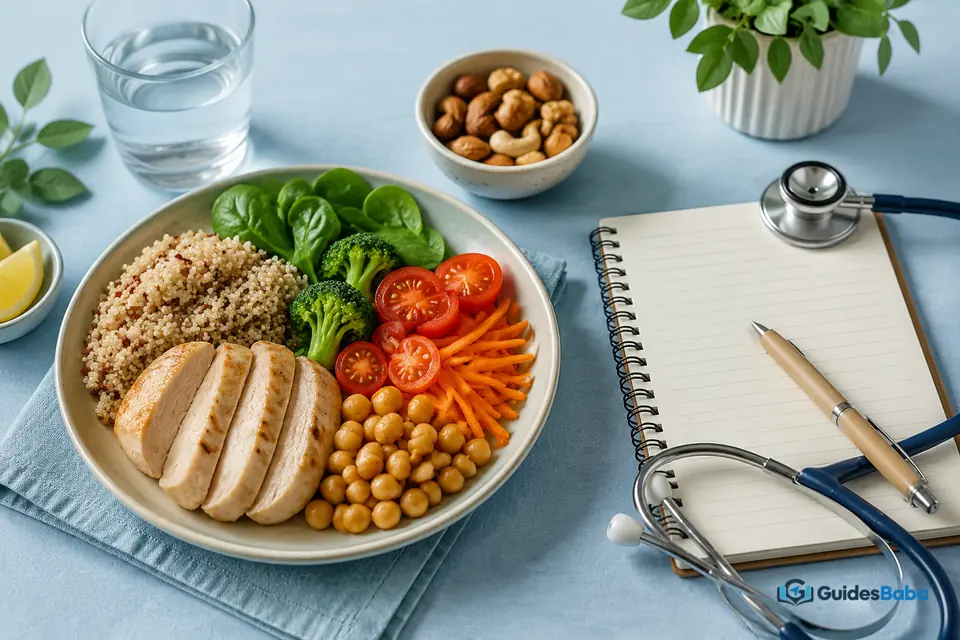
General tips suit many parents well. Still, every family is unique. Personal advice always matters most. Your needs are truly your own.
See your midwife or doctor regularly. Ask about foods, reactions, and safety. Some conditions need special diets. Allergies and reactions need extra care. Your team will tailor everything. Regular checks keep you on track.
This is not medical advice. See a professional for your own plan. Use these ideas as general background. Then follow your trusted care team. They know your full history.
Simple daily habits
Good habits grow from small steps. Change one thing at a time. Build steadily through your week. Small shifts feel manageable.
Enjoy a wide range of foods. Keep a note of any reactions. Store and cook food safely. Plan simple, balanced meals ahead. Ask before cutting anything out. Small routines make a difference.
Above all, listen to your body. It signals hunger and fullness. Rest and eat when you can. Lean on your care team. They are there to help you.
Frequently asked questions
Are there foods you should avoid while breastfeeding?
Very few foods are truly off limits. Limit alcohol, high caffeine, and high-mercury fish.
Do I need a bland diet?
No, most foods are perfectly fine. Enjoy a varied, balanced diet.
Is alcohol safe while nursing?
Avoiding it is the safest choice. If you drink, follow careful timing advice.
Can I have caffeine?
A modest amount is usually fine. Watch your baby and follow local guidance.
Which fish should I limit?
Limit high-mercury fish like shark and swordfish. Choose lower-mercury options more often.
Can my diet upset my baby?
A few babies react to certain foods. Watch for patterns and ask a professional.
Are spicy foods a problem?
Usually not, most babies accept them well. Enjoy your usual flavours with confidence.
Are herbal teas safe?
Some are fine, others need care. Check any product with a professional.
Should I cut dairy just in case?
No, do not cut foods on guesswork. Get advice before restricting anything.
When should I seek advice?
See your midwife or doctor regularly. Ask about any concerns straight away.
The bottom line
Are there foods you should avoid while breastfeeding? Only a short list needs real care. Limit alcohol, high caffeine, and high-mercury fish. Watch for any clear baby reactions. Most other foods are fine to enjoy.
You do not need a fearful diet. Keep your meals varied and balanced. Base any cuts on real advice. Lean on your care team throughout.
For general background, read this overview of breastfeeding. You can also learn about caffeine and its effects. Use trusted sources alongside professional advice.
This is not medical advice. See a professional for your own care. Every parent and baby is different. Then let your trusted team guide you.