
You have heard the whispers before a big trip. Some traveler swears a whole country turns cold the moment you arrive. So where are Americans not welcomed, really?
Rather than chase rumors, it helps to flip the question. The truth is less about borders and more about behavior. Reception is a mirror, not a wall.
Here is the honest answer. There is no place that simply rejects Americans by default. Warmth and courtesy exist almost everywhere you go. How you are received depends far more on your conduct than your passport. Individual behavior shapes the welcome, not sweeping national moods.
This guide covers why perceptions vary from place to place. You will learn the etiquette missteps that sour a welcome. You will see how to blend in and show respect. And why entry rules, not hostility, sometimes limit travel.
Where are Americans not welcomed?
No country greets every American with open arms or a closed door. Reception varies by person, mood, and moment. It shifts with how you treat the people around you. Kindness tends to be met with kindness.
Think of travel like a conversation, not a verdict. You speak first through your manners and your smile. The reply usually matches your tone.
So is any nation truly hostile to visitors? Almost never in the way rumors suggest. Respect opens far more doors than fear ever closes.
When in Rome, do as the Romans do. That old idiom still holds the real answer here. Blend in, and the welcome follows.
Reception depends on behavior, not your passport
Your nationality is a small first impression. People read your actions long before your documents. A warm, humble traveler is welcome nearly anywhere. A rude one struggles nearly anywhere too.
Locals rarely judge you as a country. They judge you as the person in front of them. That distinction changes everything.
So carry yourself with care and curiosity. The passport in your pocket matters less than your manners. Behavior is the true visa.
Did you know?
Surveys of travelers repeatedly find that friendly, respectful visitors report warm welcomes across very different cultures. The nationality on the passport matters far less than everyday courtesy.
Why perceptions of travelers vary
Every place forms ideas about visitors over time. News, media, and past encounters all feed those ideas. So a stereotype may reach you before you speak. It rarely survives a genuine, kind exchange.
Perceptions are like weather, not climate. They shift with events and fade with new experiences. One good visitor can change a mind.
Have you ever judged a stranger, then been proven wrong? Locals do the same and correct course fast. People are more open than headlines suggest.
So do not take a stereotype as a fact about you. Show up as yourself and let that speak. Warmth answers warmth.
The warm welcome waits almost everywhere
Hospitality is one of the most universal human traits. Nearly every culture prizes welcoming a guest. You will find kindness on almost every road.
Small kindnesses appear in the most unexpected corners. A shopkeeper points the way, a stranger shares food. These moments define real travel.
So expect goodwill rather than trouble. Most people are curious and generous toward guests. Meet them halfway and enjoy the exchange.

Learn a few local words
Language is the fastest bridge between strangers. A simple hello in the local tongue melts ice. It signals effort, humility, and respect. People notice and warm to you.
You do not need to be fluent at all. Please, thank you, and hello go a long way. Even a clumsy attempt earns a smile.
So learn a handful of words before you land. Practice them on your way through the airport. Small effort, big reward.
Dress with respect for the place
What you wear speaks before you say a word. Some sites and cultures expect modest, careful dress. Matching that expectation shows quiet respect. It helps you blend in rather than stand out.
Sacred places often ask for covered shoulders or knees. Packing a scarf solves this in seconds. A little planning avoids awkward moments.
So research local dress norms before you pack. Aim to honor the setting you visit. Respectful clothing opens respectful welcomes.
Read the room and mind your volume
Tone and volume carry meaning across cultures. What feels normal at home can feel loud elsewhere. Softening your voice reads as courtesy. It helps you match the mood of a place.
Watch how locals speak and move around you. Then mirror that rhythm gently. Observation is a quiet superpower.
So tune into the room before you fill it. A calmer presence invites a warmer response. Blend, do not blare.

Common etiquette missteps to avoid
Most friction comes from small, honest mistakes. A gesture that is friendly at home may offend abroad. Learning a few local norms prevents this. Awareness turns missteps into smooth moments.
Photographing people without asking is a frequent slip. So is ignoring a customary greeting or removing shoes indoors. Little rules carry big meaning.
So study the basics of local etiquette early. A short guide or a quick chat helps. Curiosity beats assumption every time.
How to blend in and show respect
Blending in means honoring, not hiding. You follow the local rhythm and its customs. You watch, listen, and adapt with an open mind. That posture earns trust fast.
Eat where locals eat and greet as they greet. Follow their cues at tables and temples. Imitation is a sincere compliment.
So arrive as a humble guest, not a critic. Treat the place as a home you are visiting. Respect is the passport that never expires.
Respectful habits versus careless habits
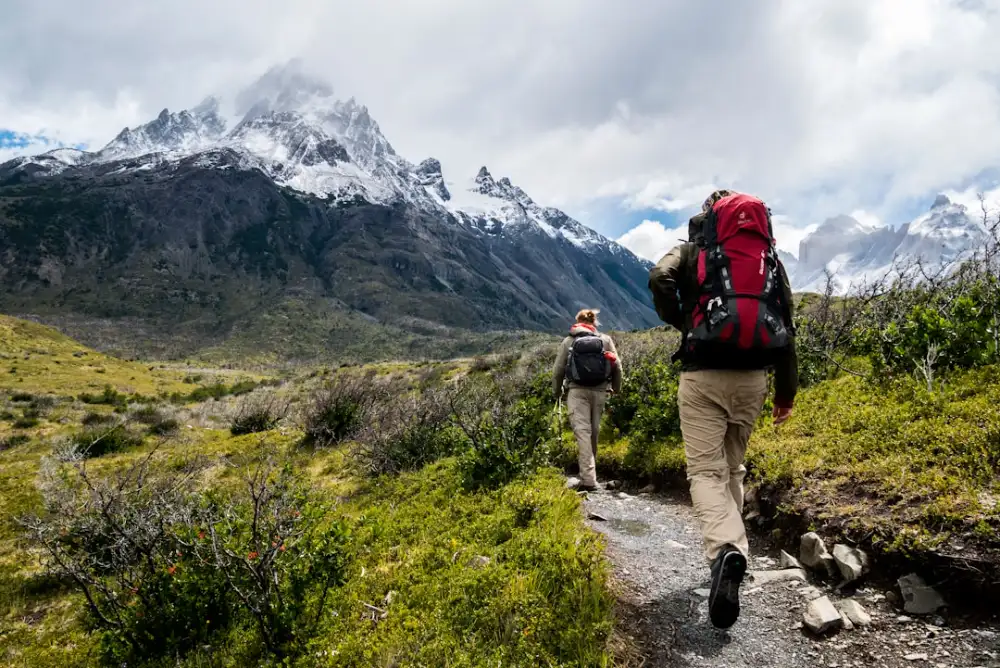
It helps to see the contrast clearly. Small choices decide how a place receives you. The table below sets respectful habits beside careless ones. Aim for the left column every time.
| Respectful habit | Careless habit |
|---|---|
| Greeting people in the local language | Assuming everyone speaks English |
| Asking before taking a photo | Snapping strangers without consent |
| Dressing to match the setting | Ignoring local dress customs |
| Speaking softly and listening first | Being loud and impatient |
When entry rules, not hostility, limit travel
Sometimes paperwork limits a trip, not mood. Visas, entry rules, and advisories can restrict any traveler. These are practical matters, not personal rejection. They apply to many nationalities at once.
An entry requirement is a form to complete, not a snub. Meeting it early keeps your plans smooth. Rules reward the prepared.
So confirm the facts from official sources before booking. Check current entry requirements and travel advisories directly. Paperwork is planning, not prejudice.
Money, tipping, and local customs
How money moves varies widely from place to place. Tipping is expected in some cultures and rare in others. Following the local norm shows care and awareness.
Bargaining is polite in some markets and rude in others. A quick question to a local settles it. Ask before you assume.
So learn the money customs of your destination. Small courtesies at the register build goodwill. Respect travels in every currency.
The language of body and gesture
Words are only half of communication anywhere. Gestures, eye contact, and personal space differ by culture. A friendly sign at home may confuse abroad. Learning the basics avoids accidental offense.
Some cultures value close contact, others prefer distance. Watch how people stand and greet each other. Then follow their lead.
So mind your gestures as much as your words. Body language speaks loudly in every country. Read it, and reply in kind.
Handle disagreements with grace
Even careful travelers hit awkward moments abroad. A mix-up or a tense exchange can happen. How you respond shapes the memory. Calm and courtesy defuse almost anything.
A sincere apology travels well across every border. So does patience when things go slowly. Grace is a universal language.
So meet friction with a steady, kind tone. Most tension fades when you stay respectful. Keep your cool and keep the welcome.

Show genuine curiosity about the culture
People love it when guests admire their home. Genuine interest in food, music, and history charms locals. Asking thoughtful questions builds instant rapport.
Try the local dish and praise it honestly. Ask about a festival or a landmark nearby. These small openings spark real friendship.
So travel with wonder, not just a checklist. Treat the culture as a teacher worth your time. Interest opens hearts everywhere.
Common mistakes travelers make
A few habits quietly cool a welcome. They are easy to drop once you spot them. A little awareness keeps you gracious. Small fixes make a big difference.
The first is assuming everyone speaks your language. The second is comparing everything to back home aloud. Both signal a closed mind.
The third is ignoring local customs out of haste. The fourth is treating service staff impatiently. Patience and humility solve all four.
What to do if you feel unwelcome
Now and then a single encounter feels cold. One grumpy person is not a whole country. Do not let it define your trip. Move on and keep your open heart.
Often a rough moment is a simple misunderstanding. A calm smile or a small phrase resets it. Give people the benefit of the doubt.
So shake off the rare sour exchange. The next street corner may hold real warmth. Kindness usually finds its way back to you.
Frequently asked questions
Are there countries where Americans are not welcome?
No country rejects visitors by default. Reception depends far more on your behavior and respect than on your nationality.
Does my nationality decide how I am treated abroad?
Rarely. People judge the person in front of them. Courtesy and humility matter far more than a passport.
How can I be a more welcome traveler?
Learn a few local words and dress with respect. Stay humble, observe local customs, and treat everyone with genuine kindness.
Why do perceptions of travelers vary so much?
Media, news, and past encounters shape local ideas. These impressions shift quickly once a kind, respectful visitor arrives.
What etiquette mistakes should I avoid?
Avoid photographing people without asking and ignoring local greetings. Skip loud behavior and always follow customs around dress and dining.
Do entry rules mean a country dislikes Americans?
No. Visas and entry rules are practical requirements. They apply to many nationalities and are not a sign of hostility.

How do I find reliable travel information?
Check official government sources for entry requirements. Read current travel advisories for facts rather than relying on rumors online.
Is learning the local language really necessary?
Fluency is not needed at all. A few polite phrases show effort and open warm, friendly responses almost everywhere you go.
What should I do if someone is rude to me?
Stay calm and move on gracefully. One cold encounter is not the whole country, and kindness usually returns to you.
Can one respectful visitor change local opinions?
Yes. Stereotypes fade fast after a genuine, kind exchange. A single thoughtful traveler often leaves a lasting positive impression.
The bottom line
So where are Americans not welcomed? Nowhere by default, and everywhere if you are rude. Reception rests on your behavior, not your passport. Warmth and respect wait almost everywhere you travel.
Learn a few words and dress for the setting. Stay humble, mind your volume, and honor local customs. Treat every stranger as a potential friend.
Remember that generalizations about nations are unreliable and unfair. This is general information, not a claim about any country. For facts, always check official entry requirements and current advisories. You can read more about how cultures value hospitality and how cross-cultural communication works.
Before you go, brush up on cultural etiquette for travelers. Then review the travel safety basics for first timers. Learn to blend in while traveling with ease. Travel with an open heart, and the world opens back.