
You have booked the trip and now you are thinking about cash. A quick question pops up before you pack. What currencies can you actually order before you fly?
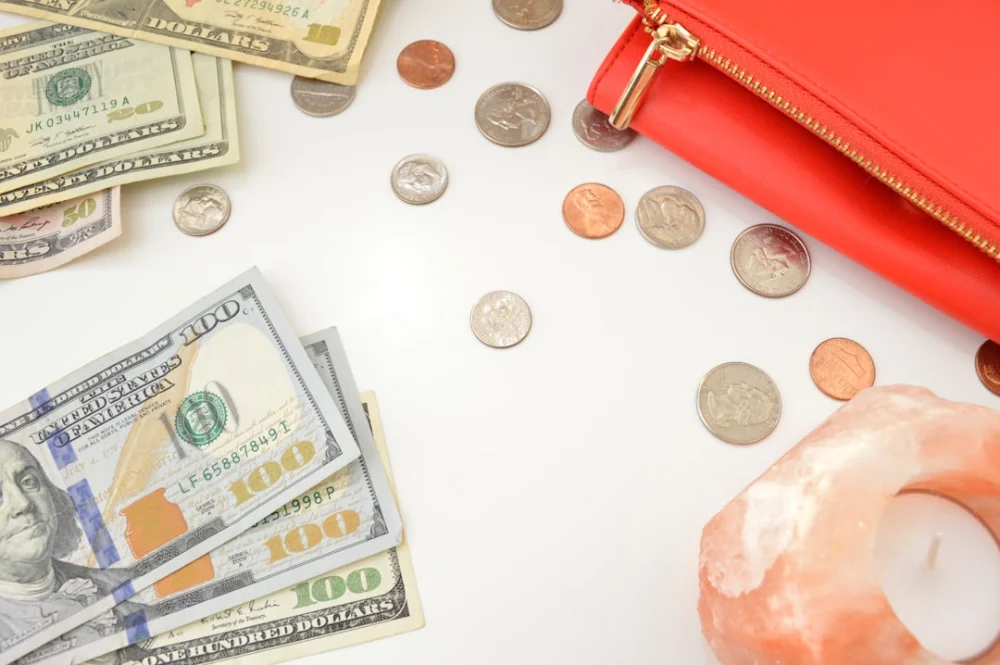
Rather than guess at the counter, it helps to plan ahead. Some money is easy to grab in advance. Other money is a real headache to find.
Here is the honest answer. Most major world currencies are simple to order at home. Many exotic or restricted currencies are hard to get. A few cannot leave their home country at all. You often buy those only after you land.
This guide covers the whole picture in plain words. You will learn which currencies are easy, which are tricky, and why. We are not financial advisors. This is general information, not financial advice.
What currencies can I order before a trip?
You can usually order the big, common currencies with ease. Think of the money used by large economies and popular destinations. Your bank or provider likely keeps these in steady stock.
Picture a supermarket shelf for money. The popular items sit right at the front. The rare items hide in a back room, if they are stocked at all.
So can you order any currency you like? Not always. Availability depends on your provider and your country.
Which currencies are usually easy to order
The most traded currencies are the easy ones. These belong to major economies and busy tourist regions. Providers hold them because so many travelers ask for them.
Common examples include the money of large Western nations. Popular holiday spots often use widely traded cash too. Demand keeps these currencies flowing through banks and bureaus.
Because demand is high, stock is usually reliable. You can often collect these notes within a day or two. Sometimes you can even get them on the spot.
Did you know?
A small handful of currencies handle most of the world’s exchange. That is why popular money is easy to order while rare money is not.
Why some currencies are harder to get
Not every currency sits ready on the shelf. Some belong to smaller or distant economies. Providers rarely stock money that few customers request.
Low demand is the main reason for the gap. A bureau will not tie up cash in rare notes. So those currencies get ordered in only when asked.
That special order can take extra days. It may also come with a bigger markup. Rarity tends to cost more, both in time and value.
When money is scarce at home, patience pays off. Order early and expect a wait.
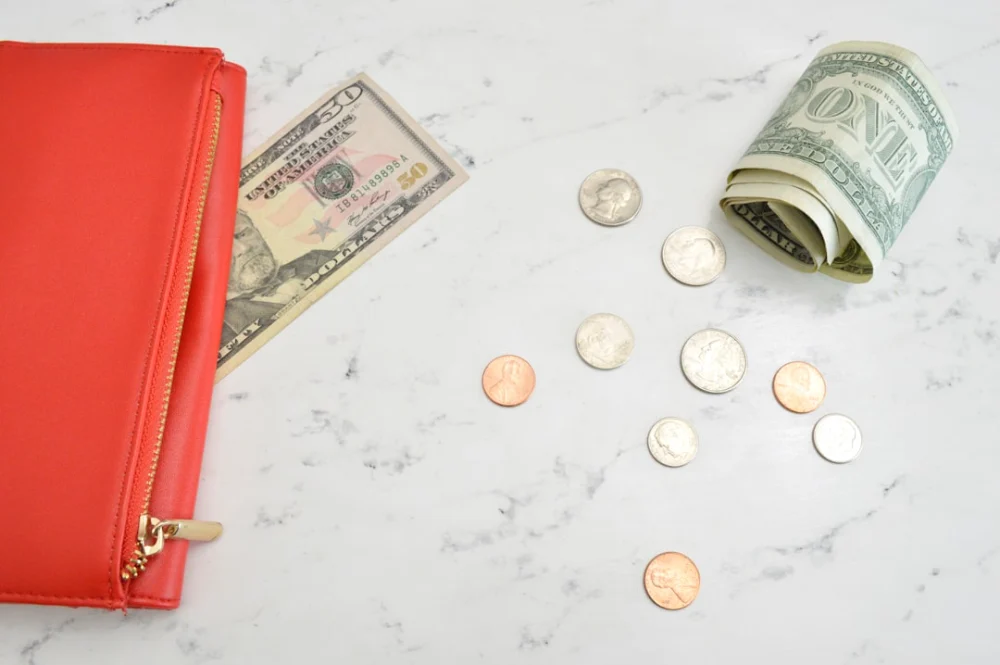
What a closed currency actually means
Some money is labeled closed, and that word matters. A closed currency cannot legally leave its home country. Governments restrict how it moves across borders.
This means you cannot order it before you travel. You also cannot carry it out when you leave. The rule protects the nation’s control over its money.
Closed currencies often belong to countries with tight financial rules. The list changes over time and varies by place. Always confirm the current rules for your destination.
Why closed currencies cannot cross borders
The reason comes down to control and stability. A government may want to manage its exchange rate. Limiting the flow of cash helps it do that.
Some nations also guard scarce foreign reserves this way. Keeping local money at home supports their wider policy. It is a national choice, not a traveler quirk.
For you, the effect is simple and clear. You wait until arrival to hold that currency. Then you change money through approved local channels.
Ordering foreign currency ahead of your trip
Ordering ahead is the classic, calm approach. You request your currency days before you travel. Then you collect it or have it delivered.
This method suits the major, easy currencies best. Stock is reliable and the process is smooth. You lock in your cash without last-minute stress.
Planning ahead also gives you room to compare. You can weigh your options without a plane to catch. A relaxed choice usually beats a rushed one.
For rare currencies, order as early as you can. The wait is longer and stock is thinner.

Airport counters as a backup option
Airport exchange counters are handy in a pinch. They sit right along your travel route. You can grab cash on the way to your gate.
The trade-off is usually the value you receive. Convenience at the airport often costs a little more. You pay for the easy access and the location.
Still, a backup counter has real worth. It can save the day if an order falls through. A small buffer of cash brings peace of mind.
Using cards and digital options abroad
Cash is not your only tool anymore. Cards and digital wallets work in many places. They can cover a large share of your spending.
Some travel cards let you hold several currencies at once. You load money in advance and tap as you go. This suits trips across easy, common currencies.
Cards do not fully solve the closed-currency problem. Many small vendors abroad still prefer cash. A blend of methods keeps you covered.
Order-ahead versus airport versus card
Each method has its own strengths and weak spots. Seeing them side by side makes the choice clearer. Here is a simple comparison to guide you.
| Method | Best suited for |
|---|---|
| Order ahead at home | Major currencies and calm, early planning |
| Airport counter | Last-minute backup cash on the move |
| Card or digital wallet | Everyday spending in card-friendly places |
| Exchange on arrival | Closed or rare currencies you cannot preorder |
No single method wins every time. The smart traveler mixes them to fit the trip. Match the tool to the currency and the moment.
How availability varies by country and provider
Where you live shapes what you can order. A currency common in one country may be rare elsewhere. Local demand drives what providers keep in stock.
Your provider matters just as much as your location. Big banks and bureaus differ in what they hold. One may stock a currency that another cannot.
Rules and stock also shift with the seasons. Holiday demand can empty popular currencies fast. Quiet periods may thin out the rarer notes.
Do you always need cash abroad?
Cash is not the must-have it once was. Many places now welcome cards and phones. Some travelers spend very little physical money.
Yet cash still rules in plenty of settings. Markets, tips, and small stalls often want notes. A little local money smooths those moments.
So the honest answer sits in the middle. Carry some cash, but do not rely on it alone. A balanced kit fits almost any trip.
How much currency to order before you go
Deciding an amount is a personal call. It depends on your trip, your habits, and your comfort. There is no single right number for everyone.
Many travelers carry some cash for early costs. Think transport, a meal, or a small tip on arrival. Cards can then handle the larger spending.
Carrying too much cash brings its own risks. Loss and theft become bigger worries with a fat wallet. Balance convenience against safety with care.
Getting local currency after you arrive
Sometimes buying on arrival is your only route. Closed and rare currencies often demand this approach. You change money once you reach the country.
Approved local channels are the safe way to do it. Banks, licensed bureaus, and machines usually serve travelers well. They follow the local rules you must respect.
Avoid unofficial street deals wherever you go. They can bring bad value or worse trouble. Stick to trusted, legal places for your exchange.
Why note sizes and denominations matter
The notes you receive can affect your trip. Very large notes can be tricky to spend. Small vendors may struggle to give change.
When you order, ask about the mix of notes. A blend of sizes tends to work best. Smaller notes ease those first purchases abroad.
Some destinations also prefer newer, cleaner bills. Worn or older notes can be refused in places. It pays to know the local habit.
Keeping your travel money safe
Once you hold cash, safety becomes the priority. Spreading money across bags reduces your risk. One lost wallet then does less damage.
A hotel safe can guard the bulk of your funds. Carry only what you need for the day. Keep the rest tucked away and out of sight.
Cards add a layer of backup protection too. Many can be frozen quickly if they vanish. That safety net is hard to match with cash.
Common mistakes when ordering currency
A few slips catch travelers off guard. Knowing them helps you dodge the trouble. A little care goes a long way here.
The first mistake is assuming every currency is available. Rare and closed money breaks that assumption. Always confirm before you build a plan around it.
The second is leaving the order to the last minute. Rare currencies need extra lead time. A late request may simply not arrive.
The third is ignoring the rules of your destination. Import limits and closed currencies exist for reasons. Check current official guidance before you fly.
A general word on rates and fees
Rates and fees change constantly across the market. We will not quote fixed numbers here. Those figures shift daily and vary by provider.
Instead, focus on comparing your own options. Look at what your bank or bureau offers. Then weigh convenience against the value you receive.
Remember that we are not financial advisors. This guide shares general ideas, not tailored advice. The final call rests with you.
Frequently asked questions
Can I order any currency I want?
Not always. Major currencies are usually easy, but rare or closed ones may be unavailable at home.

What is a closed currency?
It is money that cannot legally leave its home country. You buy it after you arrive there.
Why can’t I take some currencies across borders?
Some governments restrict the flow of their money. The rules support control over exchange rates and reserves.
Is it better to order ahead or at the airport?
Ordering ahead suits calm planning and common currencies. The airport works as a last-minute backup.
Can I just use my card abroad?
Often, yes, in card-friendly places. Many small vendors still prefer cash, so carry some too.
How early should I order rare currency?
As early as you reasonably can. Rare currencies need extra lead time to arrive.
How much cash should I order?
That is a personal choice based on your trip. Decide for yourself, weighing convenience against safety.
Where do I change closed currency?
Use approved local channels after you arrive. Banks and licensed bureaus are the safer options.
Do rates and fees really vary?
Yes, they change daily and differ by provider. Always check the current details before you commit.
Who should I ask about availability?
Ask your own bank or currency provider. Rules and stock change often and vary by country.
The bottom line
So what currencies can you order? Most major world currencies are easy to get at home. Rare and closed currencies are harder or impossible to preorder. You often buy those only after you arrive.
The best plan mixes methods to fit your trip. Order common cash ahead, keep a backup, and lean on cards. Always confirm rules and stock with your own provider first.
Read more on how a currency works around the world. Learn the idea of convertibility too. Then set your numbers with our realistic vacation budget guide. Sort your prep with our things to do before traveling list.
Weigh cover with how much travel insurance costs. Plan your gratuities using how much to tip a tour guide. Money handled well, and your trip starts on a calm note.