

The card machine lights up with a friendly question. Pay in your home currency, or the local one? It feels like a small favour. So should you pay in local currency or your home currency abroad?
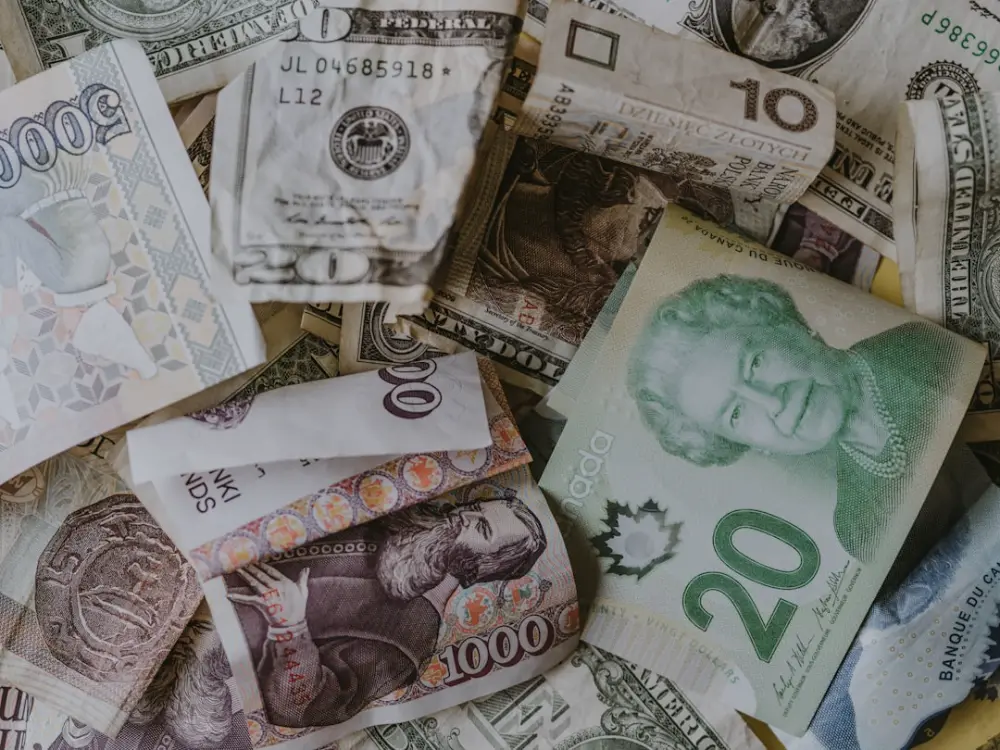
Rather than a kindness, that prompt is often a quiet sales pitch. The machine offers to do your currency math for you. But there is no such thing as a free lunch.
Here is the honest answer. In most cases, choosing the local currency is the better-value move. Letting the merchant convert adds their own margin on top. Your own bank or card handles the swap instead. That rate is often the fairer one. You stay in control of the cost.
This guide covers what that prompt really is. You will learn why local currency usually wins. You will see how the extra margin sneaks in. And how to handle the screen with calm confidence.
Should I pay in local currency or my home currency abroad?
So should you pay in local currency or your home currency abroad? In most places, the local currency is the smart pick. It lets your own card set the exchange rate.
Think of it like changing money at a market. The stall that converts for you often charges for the favour. The stall next door may offer a cleaner deal.
Is home currency ever fine? Sometimes, yes. But as a default, local currency tends to serve you better.
What dynamic currency conversion actually is
That prompt has a name. It is called dynamic currency conversion, often shortened to DCC. It appears at tills and cash machines around the world.
The idea sounds helpful on the surface. The merchant offers to show the price in your own money. You see a figure you recognise straight away.
Behind that comfort sits a choice about who converts. Either the merchant does it, or your bank does. That single choice can change what you pay.
Did you know?
The home-currency figure on the screen is set by the merchant, not your bank. That means the rate can differ from the one your own card would use.
Why local currency is usually the better call
The logic is simple once you see it. Pick local currency, and your bank does the conversion. Banks and card networks often use a broad, competitive rate.
Pick home currency, and the merchant does the conversion. They set the rate themselves. That rate tends to include a comfortable markup for them.
So the same purchase can carry two different costs. Choosing local currency usually skips that extra layer.
How the merchant conversion adds a margin
Picture a fee tucked quietly inside a rate. That is how a conversion margin works. It is baked into the exchange number, not shown as a line.
The merchant or their payment partner picks the rate. They can pad it a little above the true market rate. That padding is their share.
Because it hides in the rate, it is easy to miss. The screen simply shows a tidy home-currency total. You rarely see the markup spelled out.
Margins vary a lot and change over time. So no fixed figure holds everywhere.
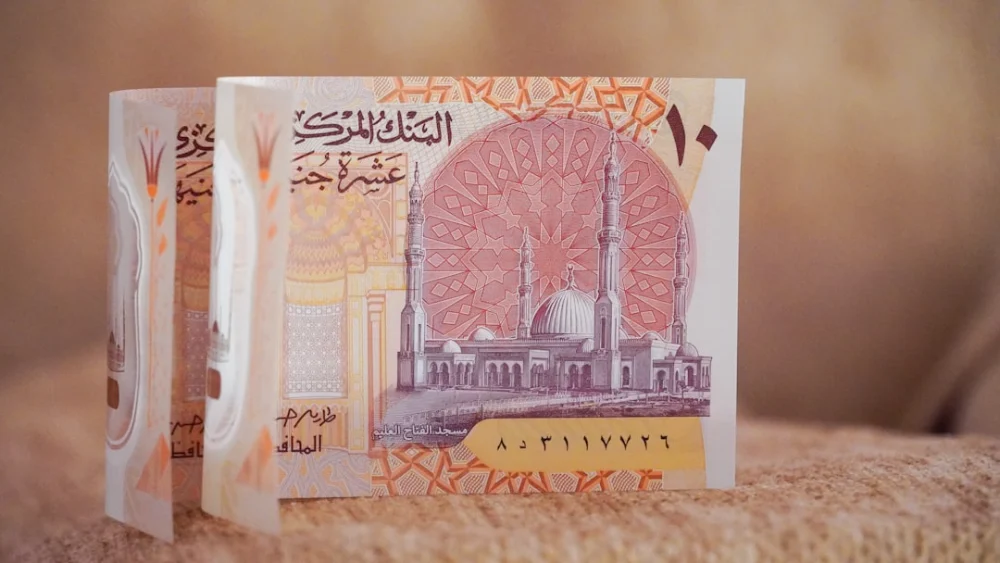
Where you will meet the DCC prompt
This prompt appears in many places. It is not a rare event. Once you know it, you spot it everywhere.
You meet it in shops, cafes, and hotels abroad. The card reader asks which currency you prefer. That is the moment to pay attention.
You also meet it at foreign cash machines. The ATM offers to convert your withdrawal for you. The same rule of thumb applies there.
At the card machine in a shop or restaurant
The counter is the classic setting. You tap or insert, and the screen asks a question. It offers home currency or local currency.
The home-currency option can feel reassuring in the moment. You see a number in money you understand. That comfort is exactly the hook.
The steadier move is to choose the local currency. Let your bank handle the maths behind the scenes. Then confirm and carry on.

At a foreign cash machine
ATMs abroad play the same game. You ask for cash, and a prompt appears. It offers to convert the amount into your home money.
The screen may frame it as a helpful guarantee. It might promise a locked rate for your comfort. That locked rate can still carry a margin.
The usual answer here is to decline the conversion. Choose to be charged in local currency. Your own bank then applies its own rate.
How to handle the prompt in the moment
Do not let the screen rush you. A short pause is all you need. Read the two options before you tap.
Find the choice that shows the local currency. That is the one you usually want. Confirm it and finish the payment.
If you tap the wrong one by accident, do not panic. It is a small lesson, not a disaster. You will catch it next time.
Checking your receipt after you pay
Your receipt tells the real story. It often notes which currency was charged. A quick glance confirms what happened.
Look for a line naming your home currency. If it appears, DCC may have been applied. That is worth knowing for next time.
Keep your receipts until your statement lands. Then you can compare the two with ease.
Pay in local currency versus pay in home currency
Here are the two choices compared. Seeing them together makes the difference clear. The table below keeps it simple.
| Pay in local currency | Pay in home currency |
|---|---|
| Your bank or card network converts | The merchant or ATM converts |
| Margin is usually smaller and clearer | An added markup you may not see |
| Screen shows the local price you pay | Screen shows a handy home figure |
| Often the better-value choice | Convenience that can cost more |
The pattern is easy to hold in your head. Local currency hands the maths to your bank. Home currency hands it to the merchant.
Why the home currency option feels so tempting
There is a real reason people tap it. It removes a moment of doubt. You see a number you fully understand.
That instant clarity feels like a gift while you travel. Your brain is already busy with a hundred things. A familiar figure is one less puzzle.
But comfort and value are not the same thing. The friendly number can quietly cost a touch more. Knowing that is half the battle.
Online shopping and dynamic currency conversion
DCC is not only a counter thing. It can appear when you shop online abroad. Some checkouts offer to bill you in home currency.
The choice sits on the payment page instead of a reader. You pick a currency before you confirm the order. The same logic still holds.
Where you can, choose the site local currency. Let your card do the conversion at its own rate. Then review the charge when it posts.
What your own card does with the exchange
Your card is quietly working in the background. When you pay in local currency, it converts for you. It uses a network rate to do so.
Different cards treat foreign spending in different ways. Some add their own foreign fee, and some do not. It pays to know your card before you fly.
A quick check of your card terms helps a lot. You learn how it handles overseas purchases. Then no surprise waits on your statement.
Common DCC mistakes to avoid
Most slip-ups here are easy to sidestep. They come from habit and haste, not bad luck. A little awareness fixes them.
The first is tapping home currency on autopilot. The familiar number feels safe, so you rush it. A short pause breaks that habit.
The second is letting staff choose for you. Sometimes a reader is handed over already set. A polite word lets you pick local currency.
The third is never reading the receipt. The proof is right there in your hand. Give it a glance before you walk off.
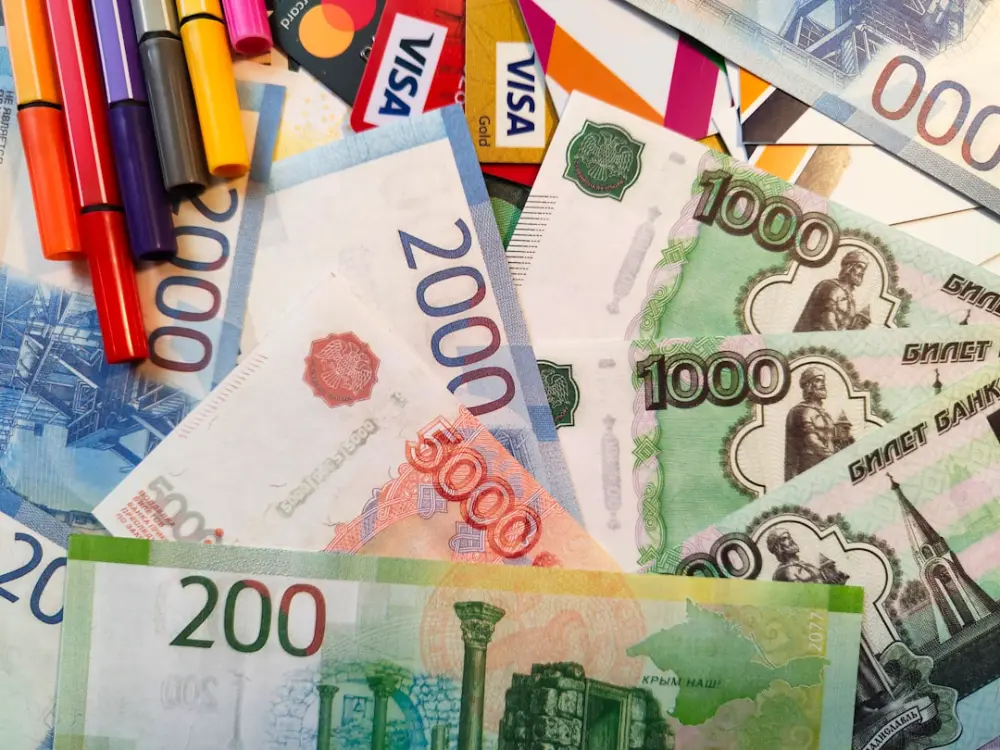
When home currency might actually suit you
Local currency wins most of the time. Still, it is not a law of nature. A few travellers may prefer the other path.
Some people value a fixed, familiar figure above all. They want certainty over squeezing out every last bit of value. That is a fair personal choice.
Others simply want the fastest tap and go. If the difference feels tiny to you, choose comfort. The point is that you decide, not the screen.
A quick word on money advice
Let us be clear about what this is. We are not financial advisors here at GuidesBaba. This is general information, not financial advice.
Rates, margins, and card terms change all the time. What is true this month may shift next month. So treat everything here as a general guide.
The final call is always yours to make. You decide for yourself based on your own situation. When in doubt, check your bank and your card terms.
A simple habit that saves you money
Boil this whole topic down to one move. When a screen asks about currency, pick local. Do that, and you handle most cases well.
Pair it with two quick checks. Know your card before the trip. Glance at your receipt after each buy.
These small habits cost you nothing extra. They just keep more of your money in your pocket.
Frequently asked questions
Should I pay in local currency or my home currency abroad?
In most cases, choose the local currency. It lets your own bank set the exchange rate.

What is dynamic currency conversion?
It is when a merchant offers to charge you in your home currency. Your bank would otherwise do that conversion.
Why is paying in local currency usually cheaper?
Your bank converts using a broad network rate. The merchant option often adds an extra margin on top.
Does home currency ever make sense?
Sometimes, if you value a fixed, familiar figure. The choice is yours based on what you prefer.
How do I see DCC at a card machine?
The reader asks if you want home or local currency. Choose the local currency option to continue.
What about foreign cash machines?
ATMs often offer to convert your withdrawal. Decline that and choose to be charged in local currency.
Can I tell after paying what happened?
Yes, your receipt often names the currency charged. A quick glance shows if DCC was applied.
Does DCC happen when shopping online?
It can, at some checkouts abroad. Pick the site local currency where the option exists.
Do all cards handle foreign spending the same way?
No, terms differ between cards. Check your own card for any foreign transaction fees.
How much does the merchant margin add?
It varies widely and changes over time. We cannot quote a fixed figure as fact.
The bottom line
So should you pay in local currency or your home currency abroad? For most people, in most places, choose local. It hands the conversion to your own bank.
The screen is designed to feel helpful. The friendly home-currency number is the tempting part. A calm pause and the local option keep you in control. You can read more about dynamic currency conversion and how an exchange rate is set.
Fold this into the rest of your money prep. Learn the best way to carry money abroad next. See whether to use cash or card abroad too. Then plan the spending with our realistic vacation budget guide.
Remember, we are not financial advisors and this is general information. Rates and terms shift, so you decide for yourself. Pick local, check your receipt, and travel with a lighter mind.