
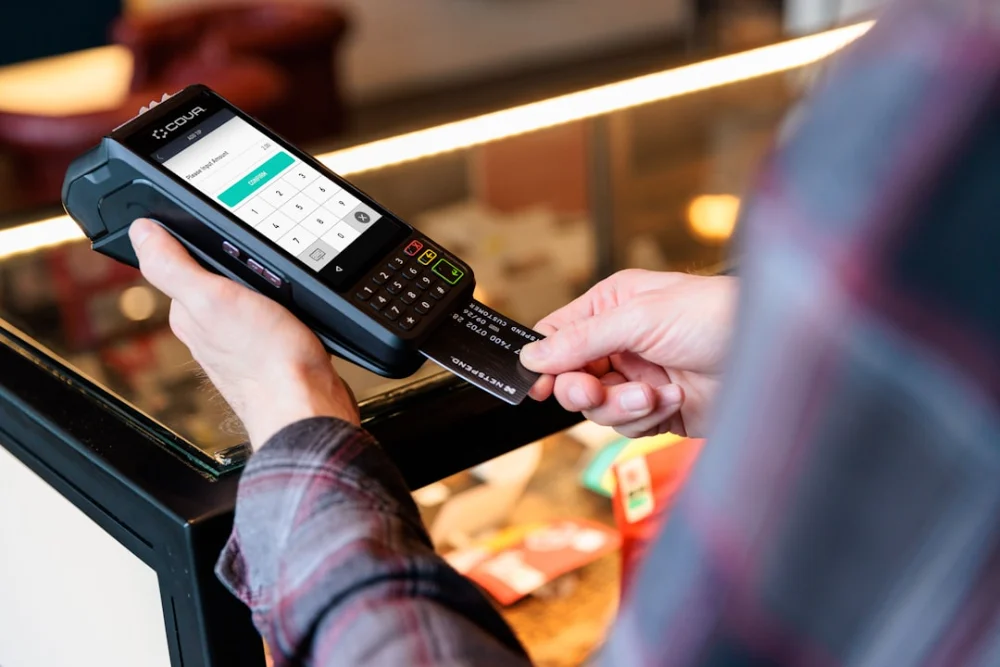
You paid for a tour that never showed up. Your card was charged twice at a shady counter. So where do you report travel scams and get help?

Rather than panic, treat this as a checklist. A calm, ordered response beats a frantic one. The right report can start a real recovery.
Here is the honest answer. Report the scam in more than one place at once. Tell the local police first for a case number. Alert your bank or card issuer fast to freeze losses. Then contact the platform, your insurer, and your embassy if needed.
This guide covers who to tell, how to gather proof, and how chargebacks work. We also cover timelines, online scams, and common mistakes to skip.
What counts as a travel scam?
A travel scam is any trick that takes your money unfairly. It can be a fake tour or a rigged taxi meter. It might be a phantom rental or a cloned website.
Some scams are bold and obvious in the moment. Others feel smooth and only sting you later. Both kinds are worth reporting in full.
If it felt wrong and cost you, it likely qualifies. Do not talk yourself out of a valid report. Trust the sinking feeling you had.
Where do you report a travel scam?
You report to several bodies at the same time. No single office fixes everything. Think of it like casting a wide net, not one line.
Start with the local or tourist police for an official record. Then move quickly to your bank or card provider. Money moves fast, so speed matters here.
Should you also tell the booking platform? Yes, if the scam happened through an app or site. Each report builds your paper trail.
So the short version is simple. Report widely, keep records, and act within hours where you can.
Why fast reporting changes the outcome
Time is not on your side after a scam. Funds can clear and vanish quickly. The sooner you flag it, the better your odds.
Banks often have stronger tools when a charge is still pending. A pending charge is easier to dispute than a settled one. Delay can shrink your options.
Reporting early also strengthens your story. Fresh details are clearer and more convincing. Memory fades, and so does useful evidence.
Did you know?
Many card networks set strict windows for disputes. Acting within days, not weeks, keeps more recovery routes open for you.
Report to the local or tourist police
The local police are usually your first stop. In many tourist zones there is a dedicated tourist police unit. They often speak some English and handle these cases.
Ask for a written report and a case or reference number. This number matters for later claims. Insurers and banks may ask to see it.
Be clear and factual about what happened. Give dates, amounts, and locations if you can. Learning to spot a travel scam also helps you explain it.
Contact your bank or card issuer
Your bank or card issuer is a key ally. Call the number on the back of your card. Many issuers run a 24-hour fraud line.
Explain that a charge was fraudulent or a service was never delivered. Ask them to block the card if needed. A new card can be issued fast.
Request a formal dispute or fraud claim on the record. Note the agent name and the time you called. These notes protect you later. Ask for a written confirmation of the claim if possible.
Report to the booking platform or website
Many scams run through booking apps and websites. If yours did, report it inside that platform. Look for a help, safety, or dispute link.
Platforms sometimes hold funds or offer their own protection. They may refund or intervene when a seller cheats. Reporting also warns future travelers.
Keep every message inside the platform where you can. Avoid moving the chat to private email. On-platform records are stronger evidence.
Reach out to your embassy or consulate
Your embassy or consulate can help in serious cases. This is vital if documents or safety are involved. They guide you toward local resources.
They will not act as your lawyer or bank. Still, they can point you to trusted contacts. That direction alone can save real time.
If a scam overlaps with theft, the stakes rise fast. Read our guide on what to do if your passport is stolen. It walks through the urgent steps.
National consumer and fraud bodies
Most countries run a consumer protection or fraud reporting body. These offices collect reports and track scam patterns. Your report may help stop repeat offenders.
Search for the official national fraud or consumer agency. Use the country you were scammed in, and your home country too. Both may accept a report.
These bodies rarely recover cash for you directly. Their value is in records and enforcement. Still, filing adds weight to your case. Your report may protect the next traveler too.
Tell your travel insurer
Travel insurance sometimes covers scam-related losses. Coverage varies a lot between policies. Read your terms before you assume anything.
Call your insurer and ask what your policy allows. Provide the police case number and any receipts. Clear proof speeds the claim along.
We are not financial advisors. Decide for yourself what claim to pursue. Outcomes vary by policy and situation.


How to document the evidence
Strong evidence is the backbone of any claim. Gather it before details slip away. A clear record makes every report easier.
Save receipts, tickets, and booking confirmations in one folder. Screenshot chats, listings, and payment pages too. Photos of the location can help.
Write a short timeline of what happened and when. Note names, amounts, and any witnesses present. Keep the police case number with it all.
Back up everything to your phone and the cloud. Copies protect you if a device is lost.
Chargebacks and getting money back
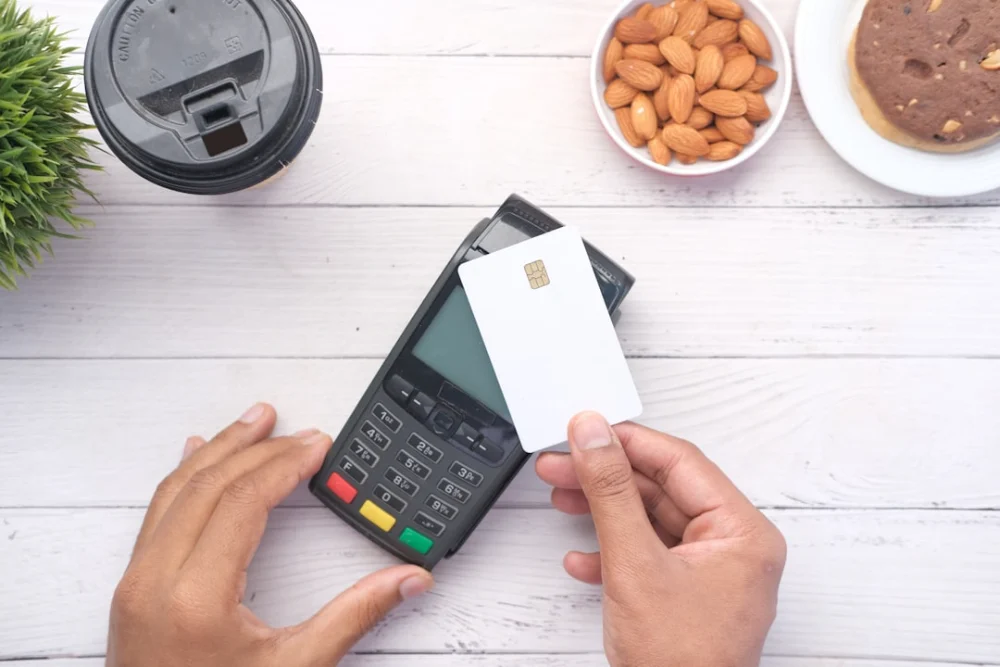
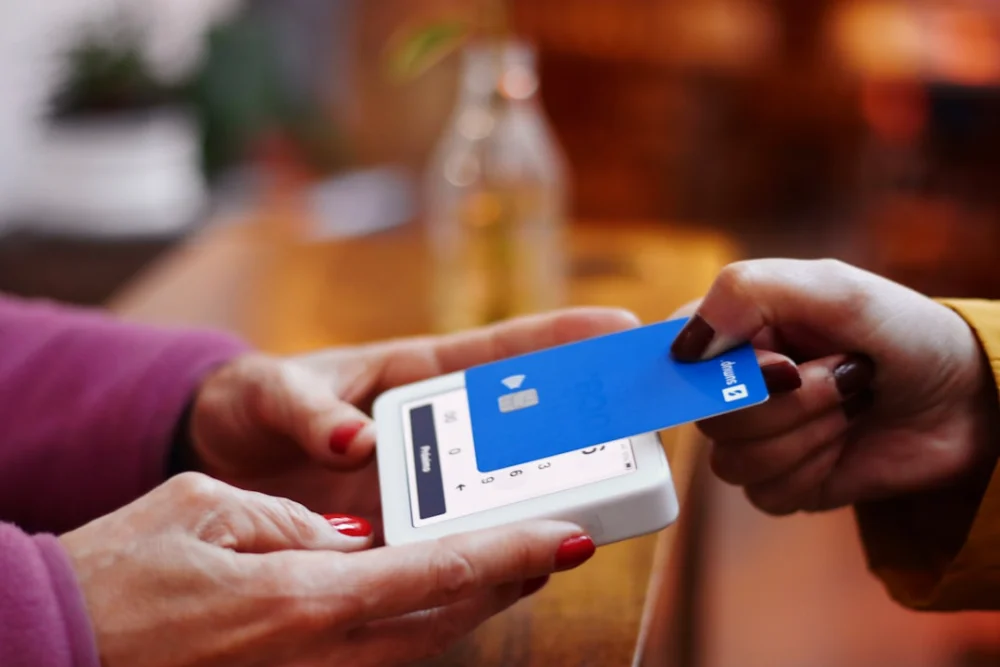
A chargeback can reverse a card payment. It applies when goods or services were not delivered. It also covers clearly fraudulent charges. This tool is often your strongest path back to cash.
Contact your card issuer and request a chargeback specifically. Explain what you paid for and what went wrong. Attach your evidence to the claim.
Credit cards often give stronger protection than debit cards. That is one reason many travelers pay by credit. Common ATM scams abroad can drain a debit card fast.
Chargebacks are not guaranteed, and rules differ by network. Still, it is often your best recovery tool.
Understanding timelines and deadlines
Every recovery route has its own clock. Card disputes usually have firm deadlines. Missing a window can close the door.
Fraud reports are best filed within hours, not days. Insurance claims may allow more time. Even so, sooner is almost always better.
Ask each body about its exact deadline. Write those dates down where you will see them. Do not rely on memory here.
Reporting online and digital scams
Not every travel scam happens face to face. Fake booking sites and phishing emails are common. These need reporting too.
Report the fraud to the platform where it started. Flag phishing emails to your provider and the real company. Your bank should hear about it fast.
Change passwords if you shared any login details. Turn on two-factor security where you can. This limits further damage. Keep an eye on linked accounts for a while.
Comparing your reporting routes
Different routes serve different goals. Some create records, and some recover money. The table below sorts them at a glance.
| Reporting route | Best for |
|---|---|
| Local or tourist police | Official case number and records |
| Bank or card issuer | Freezing funds and chargebacks |
| Booking platform | Refunds and seller action |
| Travel insurer | Covered losses under your policy |
Gathering witnesses and extra details
Witnesses can turn a shaky claim into a solid one. Ask nearby travelers if they saw what happened. A short note from them can carry weight.
Jot down names, contact details, and rough descriptions. Note the exact spot and the time of day. Small facts add up in an investigation.
Do not confront the scammer to gather proof. Your safety comes before any receipt. Let the police handle direct contact.
When to seek local legal help
Most travel scams never need a lawyer. Still, larger losses can change that math. A local legal aid office may guide you.
Ask your embassy for a list of trusted contacts. Some cities offer free or low-cost advice. Weigh the cost against what you lost.
We are not lawyers, and this is general guidance only. Rules differ widely from place to place. Seek proper local advice for big claims.
What to expect after you report
Reporting is the start, not the finish. Investigations take time and patience. Responses can be slower than you hope.
You may need to answer follow-up questions. Keep your evidence handy for each request. Prompt replies keep your case moving. A tidy folder makes those replies far easier.
Not every case ends in a refund. That is a hard but honest truth. Outcomes vary widely by situation.
Protecting your accounts after a scam
A scam can expose more than one payment. Assume the worst and lock things down. Prevention now saves pain later.
Watch your statements closely for a few weeks. Report any new odd charge at once. Small test charges often come first.
Consider fresh passwords and updated security settings. Staying alert also helps you dodge pickpockets in Europe and beyond. Awareness is your best defense.
Common mistakes people make
Some errors quietly weaken a strong case. The most common is waiting too long. Delay costs both money and proof.
Another mistake is reporting to only one body. One report rarely covers every angle. Spread your reports wisely.
People also delete messages and receipts too soon. Keep everything until the case fully closes. You never know what an investigator needs.
Frequently asked questions
Where do I report a travel scam first?
Start with the local or tourist police for a record. Then alert your bank or card issuer quickly.
Can I really get my money back?
Sometimes, through a chargeback or insurance claim. Outcomes vary, and recovery is never guaranteed.
How fast should I act after a scam?
Act within hours if you can manage it. Fast reporting keeps more recovery routes open.
What is a chargeback?
It is a reversal of a card payment. Your card issuer handles the dispute process.

Do I need a police report?
Often yes, since insurers and banks may request it. The case number supports your later claims.
Should I tell the booking platform?
Yes, if the scam ran through their app or site. They may refund or take seller action.
Is a credit card safer than a debit card?
Credit cards often offer stronger dispute protection. Many travelers prefer them for larger bookings.
What evidence should I keep?
Save receipts, screenshots, chats, and a written timeline. Keep the police case number with them.
Can my embassy get my money back?
No, embassies do not recover funds directly. They can point you toward useful local resources.
What if the scam was online?
Report it to the platform and your bank. Change passwords and enable two-factor security fast.
The bottom line
Reporting a travel scam is rarely about one call. You report widely and keep clear records. That combination gives you the best shot.
Move fast with your bank and the police. Then work the platform, insurer, and consumer bodies. General consumer protection rules can support your case.
Learn how a chargeback works before you travel again. Knowing the steps calms the panic later. Preparation is quiet power.
This is not legal or financial advice. Outcomes vary by country, policy, and situation. Stay calm, stay organized, and keep going.