
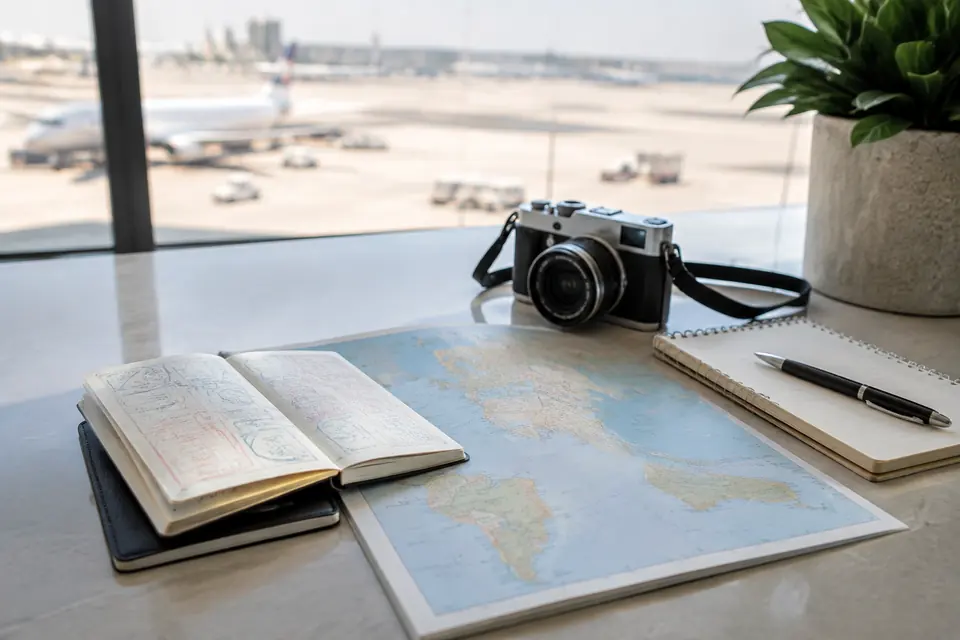
The safest countries for Americans to visit in 2026 include Iceland, New Zealand, Switzerland, Slovenia, Ireland, Austria, Portugal, Singapore, Finland, and Japan. These countries fill the top ten places in the 2026 Global Peace Index. Each also has a Level 1 U.S. travel advisory.
That combination offers a strong starting point. It does not promise a risk-free trip. Weather, road conditions, petty theft, local laws, and personal health still matter. Safety is a layered map, not one gold medal.
This guide compares official U.S. advice with peace rankings and practical travel risks. Use it to build a shortlist. Then check the latest country advisory before paying for anything.
How We Chose the Safest Countries for Americans
No single score tells the whole story. We used several signals because one number can hide important details. As the saying goes, don’t put all your eggs in one basket.
U.S. State Department Travel Advisory Levels
We gave the most weight to current U.S. State Department guidance. A Level 1 notice means travelers should exercise normal precautions. Level 2 signals extra risks. Levels 3 and 4 require much stronger caution.
Global Peace Index Rankings
The 2026 Global Peace Index ranks 163 countries and territories. It measures social safety, ongoing conflict, and militarization. It helps show national stability, but it is not a tourist safety score.
Crime and Personal Safety
Low violent crime matters, yet tourist crime needs separate attention. Pickpocketing can remain common in peaceful capitals. We therefore considered typical visitor risks, not national crime alone.
Political Stability and Conflict Risk
Stable institutions and low conflict risk make disruptions less likely. However, demonstrations and regional tensions can develop quickly. Travelers should watch alerts after booking, not only before departure.
Healthcare and Emergency Services
Reliable hospitals, ambulances, and emergency systems can turn a crisis around. Coverage also matters. U.S. health insurance may offer limited protection overseas.
Transportation and Road Safety
Safe rail networks can lower driving risks. Road quality, traffic rules, weather, and driving sides differ widely. A peaceful country can still have dangerous roads.
Natural Disaster and Weather Risks
Earthquakes, volcanoes, wildfires, floods, and severe weather shaped our practical assessment. Nature does not read crime statistics. Travelers need destination-specific plans.
Safest Countries for Americans at a Glance
The table uses U.S. advisory levels checked on August 29, 2026. Rankings come from the 2026 Global Peace Index. Always recheck both sources before travel.
| Country | U.S. advisory | 2026 GPI position | Main practical concern | Best suited to |
|---|---|---|---|---|
| Iceland | Level 1 | 1 | Fast-changing weather and volcanic hazards | Nature trips and solo travel |
| New Zealand | Level 1 | 2 | Earthquakes, weather, and long drives | Outdoors and families |
| Switzerland | Level 1 | 3 | Alpine weather and high costs | First trips and rail travel |
| Slovenia | Level 1 | 4 | Mountain conditions | Outdoors and quieter Europe trips |
| Ireland | Level 1 | 5 | Narrow roads and changing weather | English-speaking first trips |
| Austria | Level 1 | 6 | Alpine risks and petty theft | Culture, families, and rail travel |
| Portugal | Level 1 | 7 | Pickpocketing and heat | Seniors, families, and city breaks |
| Singapore | Level 1 | 8 | Strict local laws and tropical heat | Solo travelers and easy transit |
| Finland | Level 1 | 9 | Winter weather and remote distances | Solo travelers and nature trips |
| Japan | Level 1 | 10 | Earthquakes, typhoons, and strict medication rules | Solo and first-time travelers |
| Canada | Level 1 | Outside top ten | Wildfires, winter weather, and remote areas | Families and road trips |
| Australia | Level 1 | Outside top ten | Heat, wildfires, surf, and long distances | English-speaking adventure trips |
| Norway | Level 1 | Outside top ten | Mountain weather and winter roads | Scenic and outdoor travel |
| Vietnam | Level 1 | Outside top ten | Road traffic and petty theft | Experienced budget travelers |
| South Korea | Level 1 | Outside top ten | Dense traffic and regional tension | City travel and public transit |
| Luxembourg | Level 1 | Outside top ten | Petty theft and cross-border planning | Short European trips |
Top Safe Destinations
Iceland
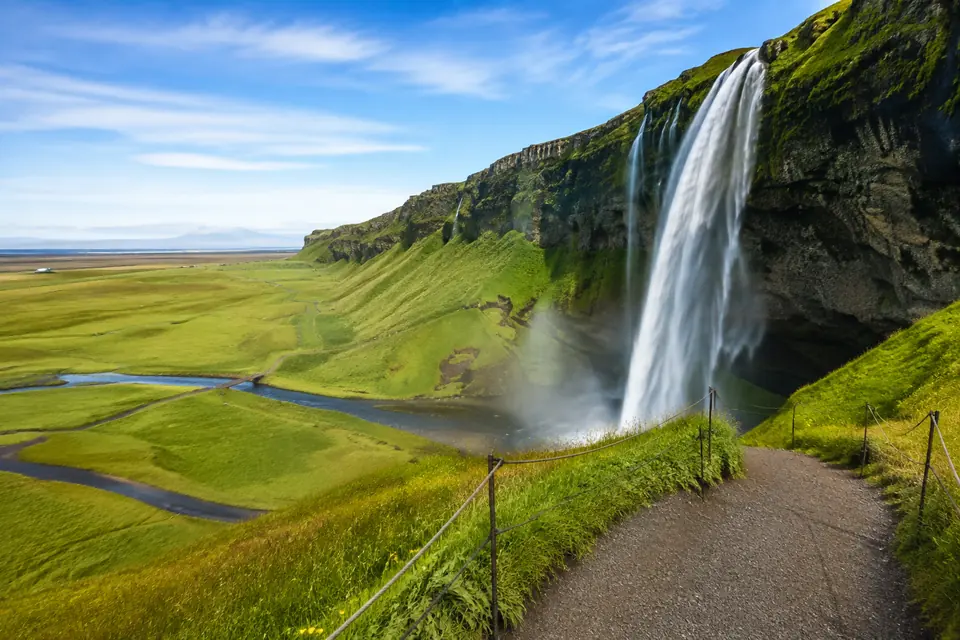
Iceland leads the 2026 Global Peace Index. The State Department also places it at Level 1. Violent crime is low, and tourist services are well developed.
Nature creates the bigger risk. Weather changes quickly, and volcanic activity can affect roads. Check official alerts before driving beyond Reykjavík.
Canada
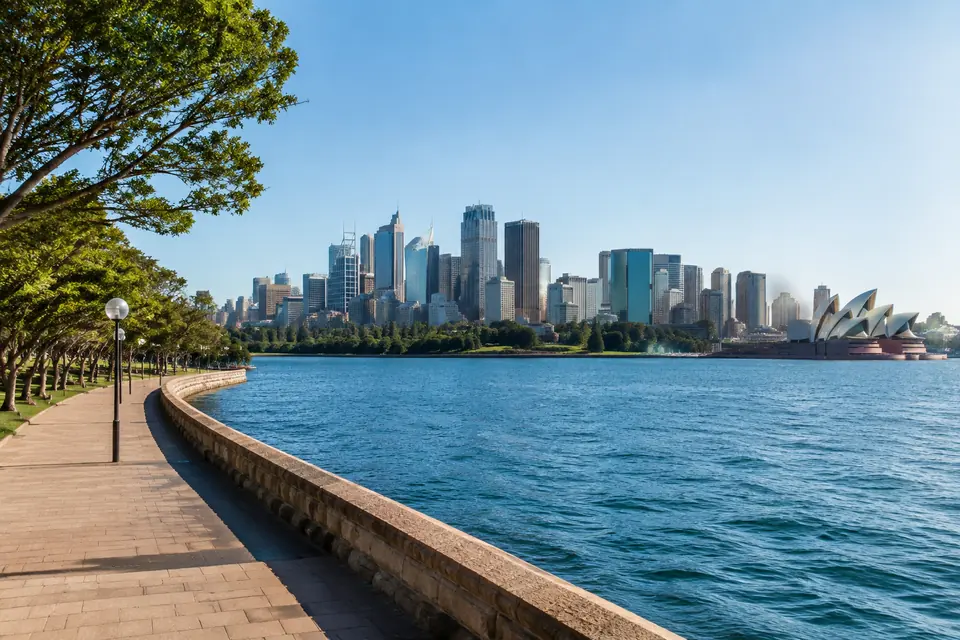
Canada feels familiar for many Americans. English is widely used, healthcare systems are strong, and cross-border travel is simple. Its advisory sits at Level 1.
Distance can fool visitors. Wildfires, snow, and remote highways need planning. Do not treat a Canadian road trip like a quick drive next door.
Switzerland
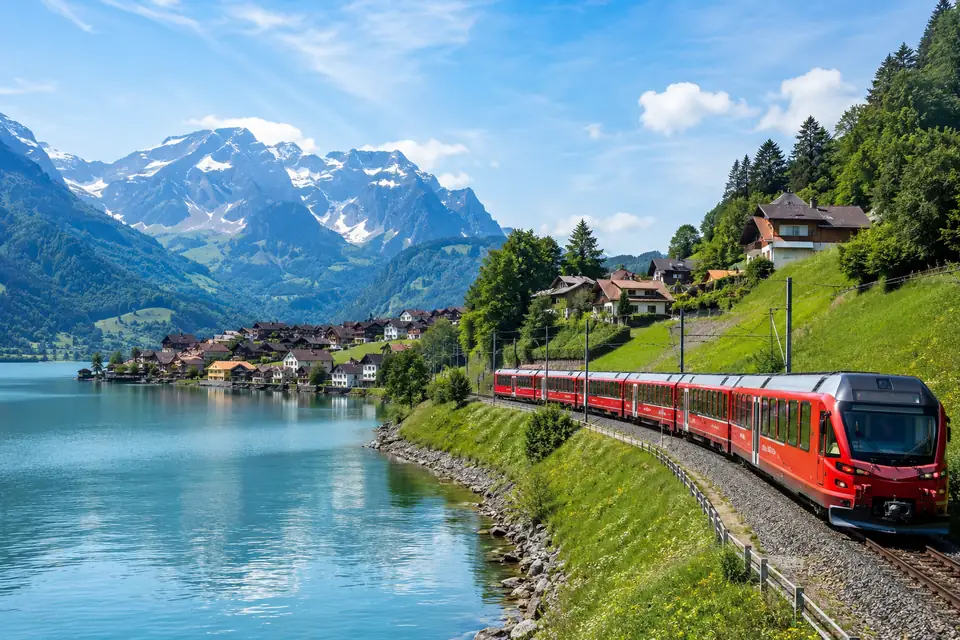
Switzerland ranks third in the 2026 GPI. Its trains, emergency systems, and orderly cities make travel easier. It works especially well for first international trips.
Mountain weather remains serious. Follow marked routes and local forecasts. Strong infrastructure is a safety net, not a magic shield.
Australia
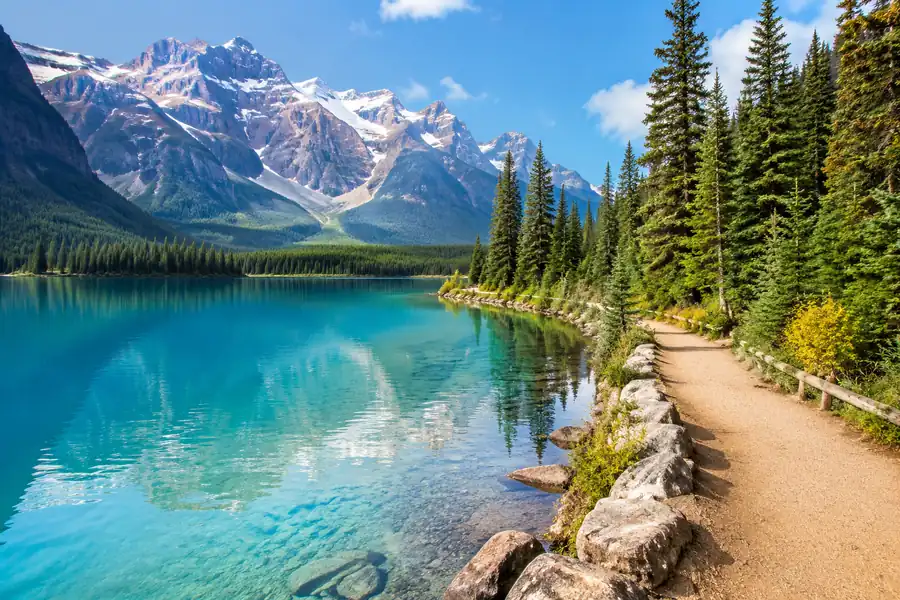
Australia has a Level 1 advisory and strong tourist systems. English removes one common barrier. Cities offer dependable healthcare and public transportation.
Heat, surf, wildfires, and long rural distances require care. Follow beach flags and local warnings. Carry enough water on remote journeys.
New Zealand
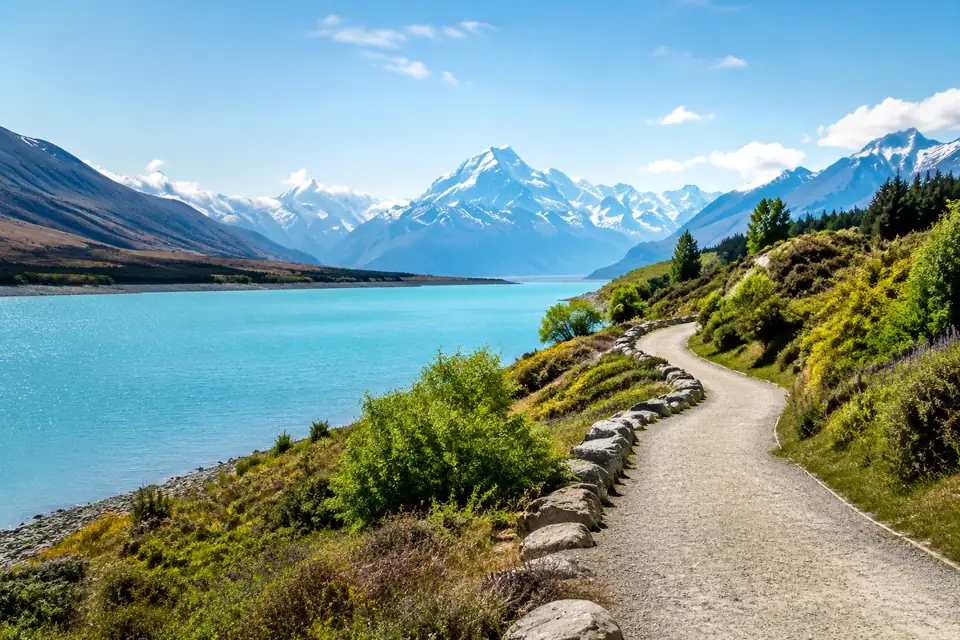
New Zealand ranks second globally in 2026. It combines low conflict risk with friendly tourism systems. It suits families, solo travelers, and outdoor visitors.
Earthquakes and sudden weather deserve respect. Long drives can also cause fatigue. Slow and steady wins the race on winding roads.
Japan
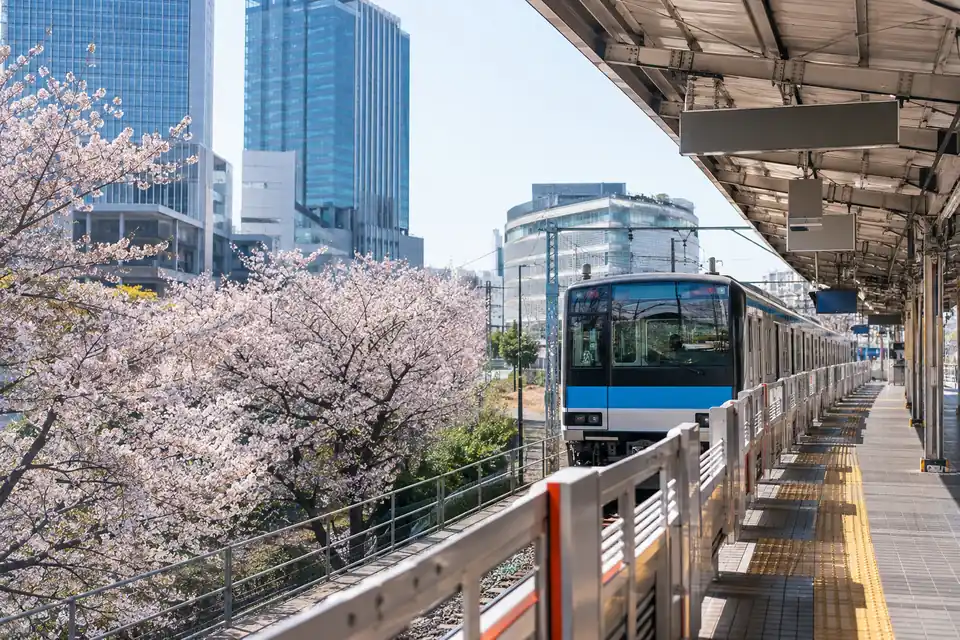
Japan ranks tenth and holds a Level 1 advisory. Clean transit, low violent crime, and clear systems support independent travel. Major cities remain easy to navigate.
Earthquakes and typhoons are real risks. Medication laws are also strict. Some legal U.S. prescriptions are restricted or prohibited in Japan.
Singapore
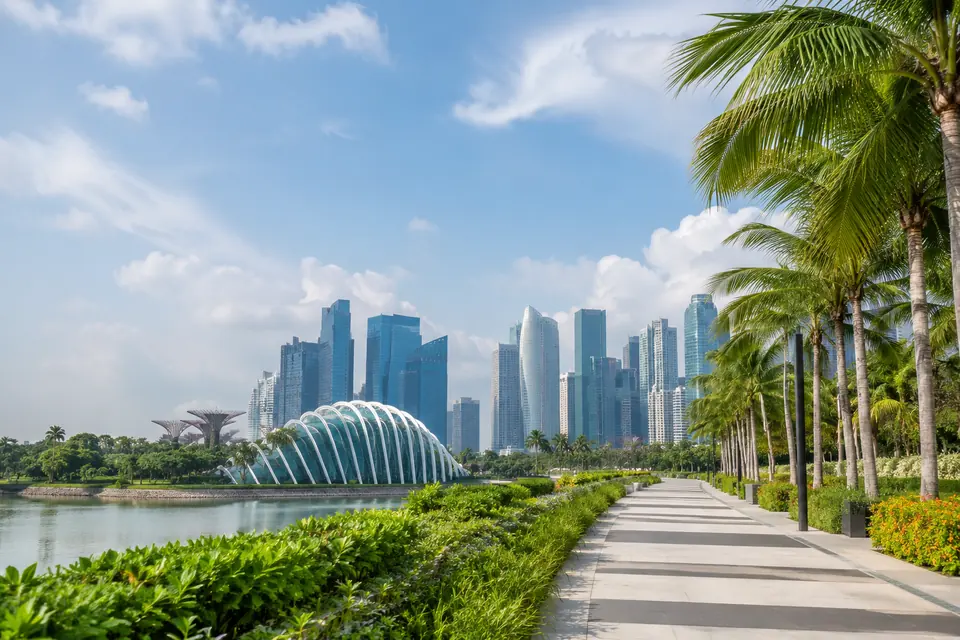
Singapore ranks eighth in the 2026 GPI. Its transit, hospitals, and public spaces are highly organized. It is a strong choice for solo travelers.
Local laws can surprise visitors. Read official rules before arrival. Also prepare for high heat, humidity, and sudden heavy rain.
Norway
Norway combines a Level 1 advisory with excellent public services. Its transport works well in cities. Scenic routes attract careful, independent travelers.
Winter roads and mountain weather are the main concerns. Conditions change quickly outside cities. Check closures before every long route.
Oman: Important 2026 Safety Update
Oman should not appear as a current “safest country” recommendation. The State Department raised it to Level 3. Americans are advised to reconsider travel because of terrorism and armed conflict risks.
The Yemen border carries a stronger warning. This example shows why old lists become dangerous. Check live advice instead of trusting last year’s ranking.
Vietnam
Vietnam currently has a Level 1 advisory. Most tourist visits are trouble-free. The main everyday risks include petty theft and serious road traffic.
Urban traffic can feel like a moving puzzle. Use reputable transport and wear required safety gear. Avoid unknown metal objects in undeveloped areas.
South Korea
South Korea has a Level 1 advisory. Efficient trains, modern hospitals, and extensive city services help travelers. Seoul is manageable without a car.
Regional tensions can change the picture. Follow official alerts and local instructions. Crowded districts also require normal care with valuables.
Luxembourg
Luxembourg has a Level 1 advisory and dependable infrastructure. Its compact size supports easy day trips. Public transport reduces road stress.
Petty theft can still occur around crowded transport areas. The country works best within a wider European itinerary.
Other Safe Countries to Consider in 2026
Slovenia
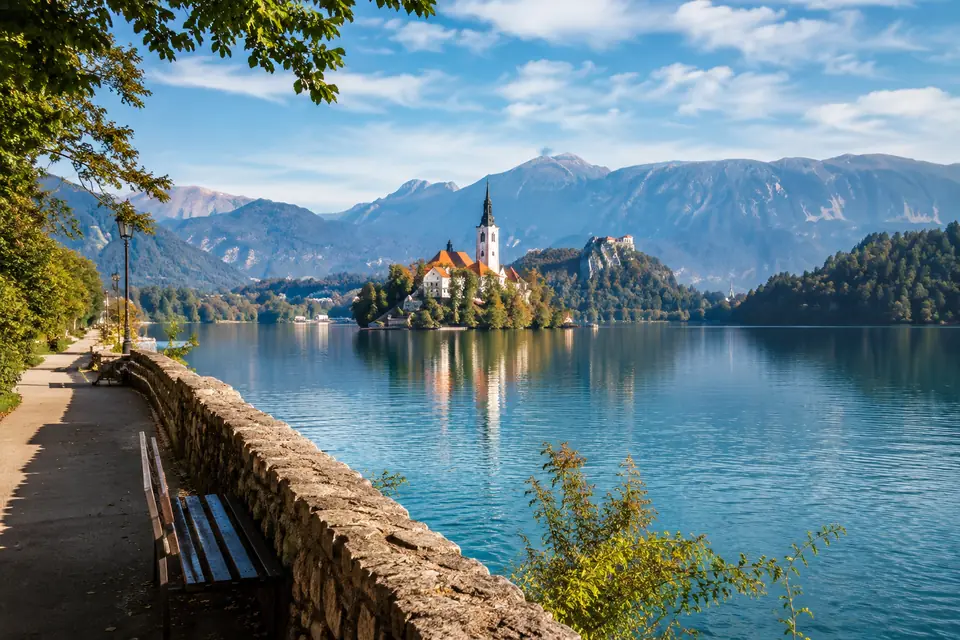
Slovenia ranks fourth and holds a Level 1 advisory. Ljubljana feels manageable, while rail and bus links support easy planning. In the Julian Alps, follow weather guidance and never hike alone.
Ireland
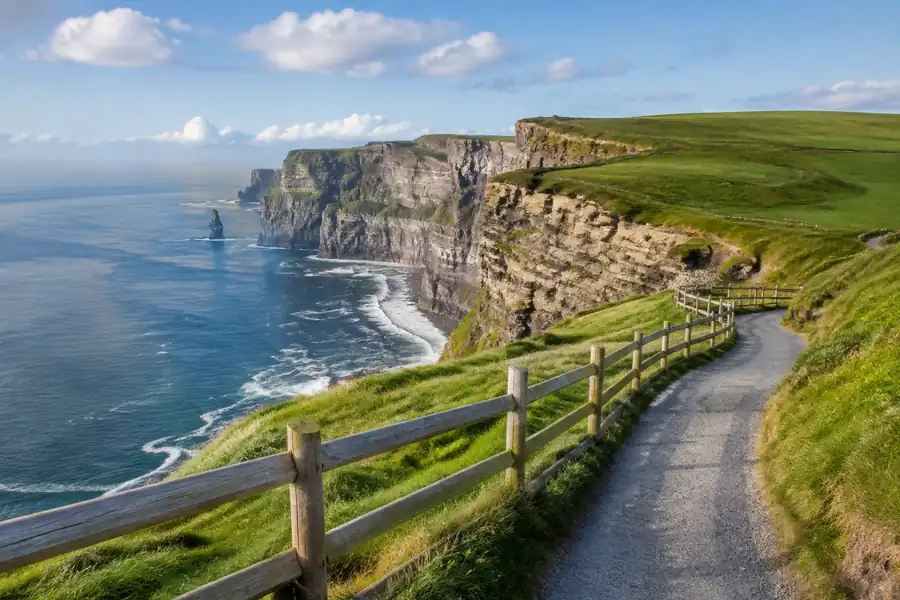
Ireland ranks fifth and has a Level 1 advisory. English, familiar services, and welcoming tourism systems help first-time travelers. Rural roads can be narrow, so choose rail or guided transport when unsure.
Austria

Austria ranks sixth and has a Level 1 advisory. Vienna offers strong transit and healthcare. Alpine areas need weather checks, suitable clothing, and sensible route choices.
Portugal
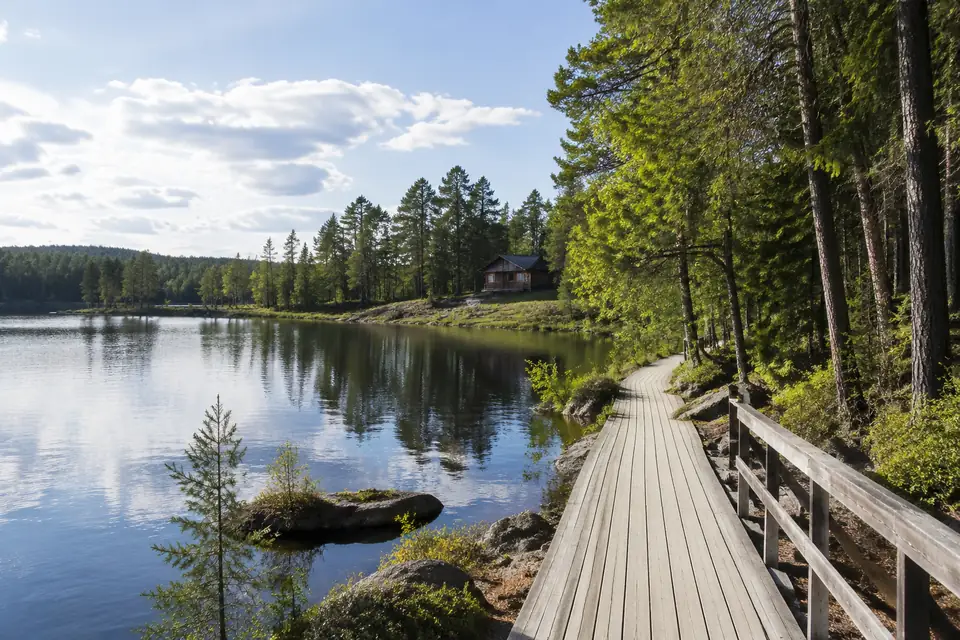
Portugal ranks seventh and holds a Level 1 advisory. It works well for families, seniors, and solo visitors. Pickpocketing, heat, and ocean conditions remain common concerns.
Finland

Finland ranks ninth with a Level 1 advisory. Calm cities and dependable services support independent travel. Winter cold and long remote distances need proper preparation.
What Makes a Country Safe for American Travelers?
Low Violent Crime Rates
Low violent crime reduces one major risk. Yet it does not remove theft, scams, or unsafe neighborhoods. Read city-level guidance before choosing accommodation.
Political Stability and Low Conflict Risk
Stable government supports transport, hospitals, and emergency responses. Low conflict risk also reduces sudden border or airspace disruption. Still, conditions can turn on a dime.
Reliable Transportation and Emergency Services

Clear transit systems reduce driving mistakes. Strong police, ambulance, and rescue services improve emergency support. These systems matter most when plans go sideways.
Healthcare and Tourist-Friendly Infrastructure
Quality hospitals, clear signs, digital payments, and trained tourism staff reduce friction. Good infrastructure helps travelers solve small problems before they grow.
Safest Regions of the World for American Travelers
Safest Countries in Europe
Europe dominates the top of the 2026 GPI. Iceland, Switzerland, Slovenia, Ireland, Austria, Portugal, and Finland all rank within the top ten. Many also offer strong rail networks.
Safest Countries in Asia
Singapore and Japan lead the safest Asian choices in this guide. Both rank within the global top ten. South Korea and Vietnam also carry Level 1 advisories.
Safest Countries in Oceania
New Zealand ranks second globally. Australia offers familiar language and strong services. Both require planning for weather, natural hazards, and long distances.
Safest Countries in North America
Canada is the clearest low-friction choice for many Americans. Familiar language and proximity help. Wildfires, winter storms, and remote travel can still disrupt plans.
Safest Countries for Different Types of American Travelers
Solo Travelers
Japan, Singapore, Iceland, and Finland suit solo travelers. Their transit and public systems reduce dependence on strangers. Solo travel still requires regular check-ins and careful lodging choices.
Solo Female Travelers
Iceland, Finland, Switzerland, Singapore, and Japan offer strong starting points. No destination removes harassment or theft risks. Use reviewed accommodation and trusted late-night transport.
Families
Canada, New Zealand, Switzerland, Austria, and Portugal work well for families. They combine healthcare access with manageable transport. Match activities to each child’s ability.
First-Time International Travelers
Canada, Ireland, Australia, and New Zealand reduce language barriers. Switzerland and Singapore also offer easy systems. Why make a first trip harder than needed?
Senior Travelers
Switzerland, Portugal, Austria, Singapore, and Canada offer useful infrastructure. Check walking demands, medication rules, insurance, and hospital access before booking.
Safest English-Speaking Countries for Americans
Canada, Australia, New Zealand, and Ireland are strong choices. Shared language helps with signs, pharmacies, and emergency calls. It does not replace local research.
Canada offers the shortest adjustment. Australia and New Zealand suit longer trips. Ireland pairs easy communication with compact access to Europe.
Common Safety Risks Even in the Safest Countries
Pickpocketing, Petty Theft, and Scams
Crowded stations and attractions create opportunities. Keep valuables secured and avoid displaying extra cash. Confirm prices before accepting rides or services.
Transportation and Road Accidents
Road rules, driving sides, and speeds differ. Fatigue makes long drives worse. Public transport may be the safer choice in unfamiliar places.
Extreme Weather and Natural Disasters
Check official forecasts daily. Learn shelter and evacuation guidance after arrival. A blue sky can change its mind quickly.
Cybersecurity and Public Wi-Fi
Avoid sensitive banking on open networks. Use mobile data or a trusted connection. Keep device updates and account protection active.
Local Laws and Cultural Differences
Medication, photography, clothing, speech, and public behavior rules vary. “Legal at home” is not a defense abroad. Read embassy guidance before packing.
Understanding U.S. Travel Advisory Levels
Level 1: Exercise Normal Precautions
This is the lowest level. Some risk still exists in every international trip.
Level 2: Exercise Increased Caution
Specific safety risks are higher. Read the advisory’s reasons and location details.
Level 3: Reconsider Travel
Serious risks exist. Travelers should reconsider whether the trip is necessary.
Level 4: Do Not Travel
This is the strongest warning. U.S. support may be limited during emergencies.
Why Advisories Can Change Quickly
Conflict, unrest, disease, disasters, and embassy capacity can change. Review advice before booking, before departure, and during the trip.
Global Peace Index vs. Travel Safety
What the Global Peace Index Measures
The GPI measures peacefulness across safety, conflict, and militarization. It is useful for comparing broad national conditions.
Why Peaceful Does Not Mean Risk-Free
The index does not replace city crime data, weather warnings, or health advice. A peaceful country can still challenge hikers, drivers, or careless tourists.
Why Americans Should Check U.S. Advisories Too
State Department notices focus on risks affecting U.S. travelers. The best approach uses both tools. Think of them as two lenses on one camera.
Entry and Travel Requirements for Americans
Passport Validity and Visas
Many countries require passport validity beyond departure. Rules vary by destination. Some countries require visas or electronic travel authorizations before boarding.
Travel Insurance
Choose coverage for medical care, cancellation, delay, and evacuation. Read exclusions carefully. Cheap coverage can become expensive when it excludes your main risk.
Medication and Prescription Rules
Confirm rules with the destination’s embassy. Carry medicine in original packaging. Bring prescription copies and necessary medical letters.
Local Laws Americans Should Know
Drug, driving, photography, and public behavior laws may differ sharply. Review the State Department destination page before travel.
Safety Tips for Travelers
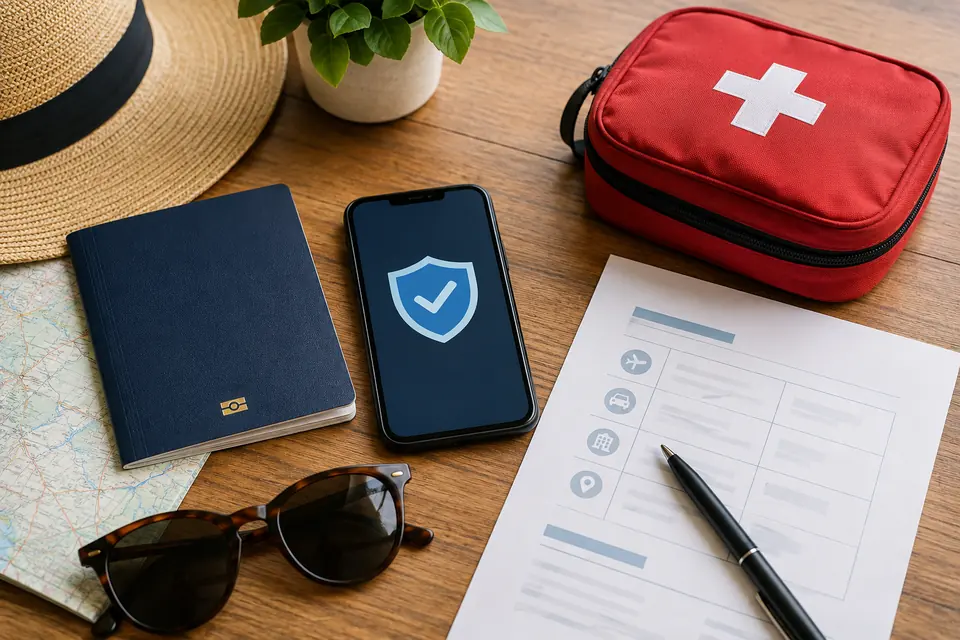
Check the Latest Advisory Before Booking
Open the official country page. Read the national level, regional warnings, and risk reasons. Recheck it shortly before departure.
Enroll in STEP
The Smart Traveler Enrollment Program is free. It sends embassy and consulate alerts by email. It can also help officials contact you during emergencies.
Prepare Insurance, Documents, and Contacts
Keep secure paper and digital document copies. Save local emergency numbers and U.S. embassy details. Share your itinerary with a trusted person.
Protect Money and Valuables
Use secure bags and separate backup payment methods. Stay alert in tourist areas. Avoid placing phones or wallets on open tables.
Research Transportation Before Arrival
Know how you will leave the airport. Use official taxi stands or recognized services. Check late-night transit options before plans run late.
What to Keep in Mind
No country is completely safe. Risk varies by city, neighborhood, season, and activity. Your travel style can raise or lower exposure.
Natural hazards can matter more than crime. Local laws may also surprise Americans. Keep checking reliable sources after booking.
How to Choose the Safest Country for Your Trip
Start with the current advisory. Compare peacefulness, crime, healthcare, weather, transport, and language. Then match those facts to your needs.
A confident city traveler may enjoy Japan. A nervous first-timer may prefer Canada or Ireland. The safest choice is personal, not universal.
Want more practical travel guides without the noise? Join the GuidesBaba newsletter. You’ll get clear checklists and timely planning advice.
Frequently Asked Questions About the Safest Countries for Americans
What is the safest country for Americans to visit in 2026?
Iceland is the strongest overall answer. It ranks first in the 2026 GPI and has a Level 1 advisory.
What countries are safest for U.S. citizens?
Strong choices include Iceland, New Zealand, Switzerland, Slovenia, Ireland, Austria, Portugal, Singapore, Finland, and Japan.
What is the safest European country for Americans?
Iceland ranks first globally. Switzerland, Slovenia, Ireland, Austria, Portugal, and Finland also rank in the top ten.
What is the safest Asian country for American tourists?
Singapore ranks eighth globally, while Japan ranks tenth. Both currently have Level 1 advisories.
What are the safest English-speaking countries?
Canada, Ireland, Australia, and New Zealand are strong options. All currently carry Level 1 advisories.
What is safest for Americans traveling alone?
Japan, Singapore, Iceland, and Finland are practical choices. Their public systems make independent travel easier.
Which countries have Level 1 advisories?
Many countries do. Every recommended country in this guide currently has Level 1 status. Oman is excluded because it is Level 3.
Is Europe safe for Americans in 2026?
Many European countries are safe, but conditions vary. Check each country and any regional warnings before booking.
Is Asia safe for American tourists?
Safety varies widely across Asia. Singapore, Japan, South Korea, and Vietnam currently hold Level 1 advisories.
Is Canada safe for American tourists?
Canada has a Level 1 advisory. Travelers should still prepare for weather, wildfires, remote distances, and road conditions.
Is Japan safe for American tourists?
Japan has a Level 1 advisory and ranks tenth in the 2026 GPI. Check disaster and medication guidance.
How can Americans check country safety?
Use the State Department advisory, embassy alerts, STEP, health guidance, and local weather services. Recheck them during travel.
Should travelers use the Global Peace Index?
Yes, as one comparison tool. Pair it with travel advisories and destination-specific risks.
Does travel insurance cover safety emergencies abroad?
Some policies cover medical care, evacuation, or disruption. Coverage varies, so read limits and exclusions before buying.
Final Word
The safest trip starts with a suitable destination and current facts. Iceland leads this year, while nine more countries complete the GPI top ten.
Choose the place that fits your health, confidence, language needs, and travel style. Then build a simple safety plan. Better safe than sorry.
Save this guide and recheck official advice before booking. Join the GuidesBaba newsletter for more clear, practical travel planning guides.
Sources and Update Notes
- U.S. Department of State, Travel Advisories: U.S. Department of State Travel Advisories
- U.S. Department of State, Smart Traveler Enrollment Program: Smart Traveler Enrollment Program
- Institute for Economics & Peace, Global Peace Index 2026: Global Peace Index 2026
- Centers for Disease Control and Prevention, Travelers’ Health: CDC Travelers’ Health
Advisory levels were checked on August 29, 2026. Conditions can change without notice.