
Family life gets busy and the days blur together. A trip breaks that spell like nothing else. So what are the real benefits of family travel?
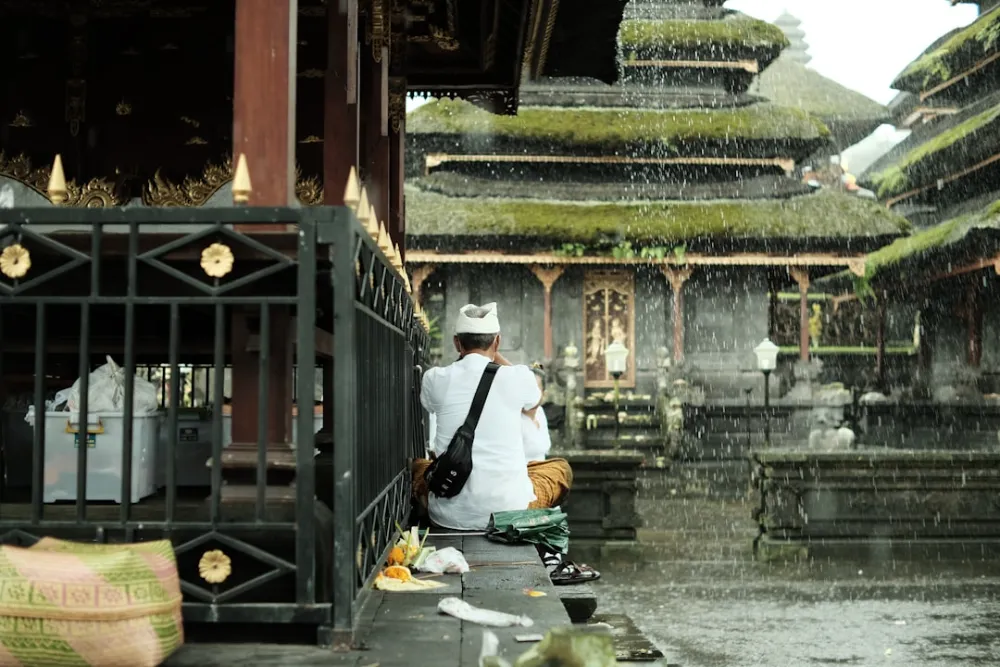
The rewards go far beyond a nice photo. Travel shapes children in quiet, lasting ways. It brings the whole family closer too.
Here is the honest answer. Family travel builds bonds, teaches children, and reduces stress. It creates memories that outlast any toy. Shared trips grow empathy, confidence, and curiosity. The reward is connection, and any trip counts, near or far.
This guide walks through each benefit. You will see how travel helps children grow. You will learn why the memories matter. And why the effort is always worth it.
What are the benefits of family travel?
Family travel builds stronger bonds and lasting memories. It teaches children about the world firsthand. Shared trips grow empathy, resilience, and confidence. And they give everyone a healthy break from routine.
Think of it as planting seeds. The lessons grow for years. The memories last a lifetime.
So is it just a holiday? Far from it. It is an investment in your family.
The best things in life are not things, as the saying goes. Family trips prove it true. Experiences beat possessions every time.
Why family travel matters
Everyday life pulls families in every direction. Work, school, and screens divide us. Travel pulls everyone back together.
On a trip, you share every moment. You face small challenges as a team. Closeness grows naturally.
These shared days become your family story. You retell them for years. Bonds deepen with each telling.
So travel matters more than it seems. It is time you cannot buy back. Those days are precious.
Did you know?
Studies suggest people remember experiences far more fondly than possessions. Family trips often become the memories children treasure most as adults.
It builds stronger family bonds
Travel puts the family in one shared world. You eat, explore, and rest together. Bonds grow with every hour.
Away from routine, you truly connect. There are no chores pulling you apart. Just each other and the day.
Small moments become treasured ones. A shared sunset or silly mishap sticks. These threads tie a family tight.
So travel weaves you closer together. It is bonding at its purest. Nothing else quite matches it. The closeness you build lingers long after you return home.
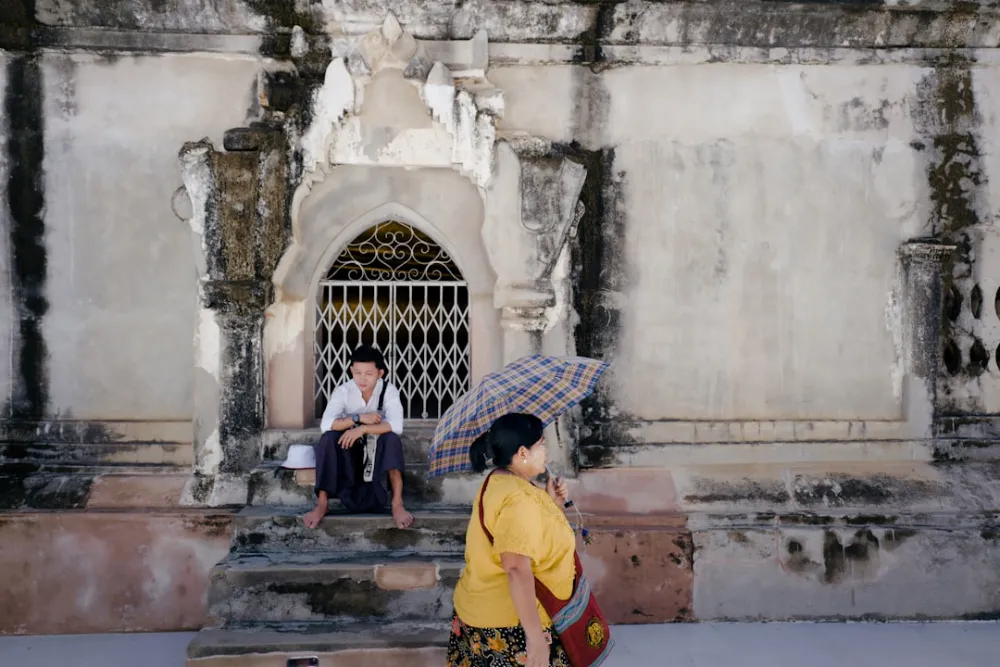
It creates lasting memories
Toys break and clothes wear out. Memories only grow richer with time. That is the magic of travel.
Children may forget a birthday gift. They rarely forget their first beach. Experiences carve deep marks.
These memories become family treasures. You revisit them in stories for years. They warm you long after.
So you are making memories, not just trips. They outlast any possession. That is a priceless gift.

It teaches children about the world
A classroom teaches facts about places. Travel lets children live them. The world becomes their teacher.
They taste new foods and hear new languages. They see how others live. Understanding grows firsthand.
This kind of learning sticks for life. It is real, not just pages. Experience beats any textbook.
So travel is a moving classroom. Children learn by doing and seeing. Lessons come alive on the road.
It builds resilience and adaptability
Trips rarely go exactly to plan. A delay or wrong turn happens. Children learn to roll with it.
They adapt to new beds and foods. They handle small hiccups calmly. Flexibility becomes second nature.
These skills serve them far beyond travel. Life throws curveballs too. Adaptable children cope well.
So travel quietly builds resilience. Each small challenge strengthens them. They grow tougher and calmer.
It improves communication
Travel gives families endless things to discuss. You plan, decide, and solve together. Talking flows naturally.
Children ask questions about all they see. Parents answer and explain. Conversation deepens daily.
Without screens, you actually talk more. Meals become real chats. Connection grows through words.
So travel gets the family talking. It sharpens young communication skills. Words and bonds both grow.
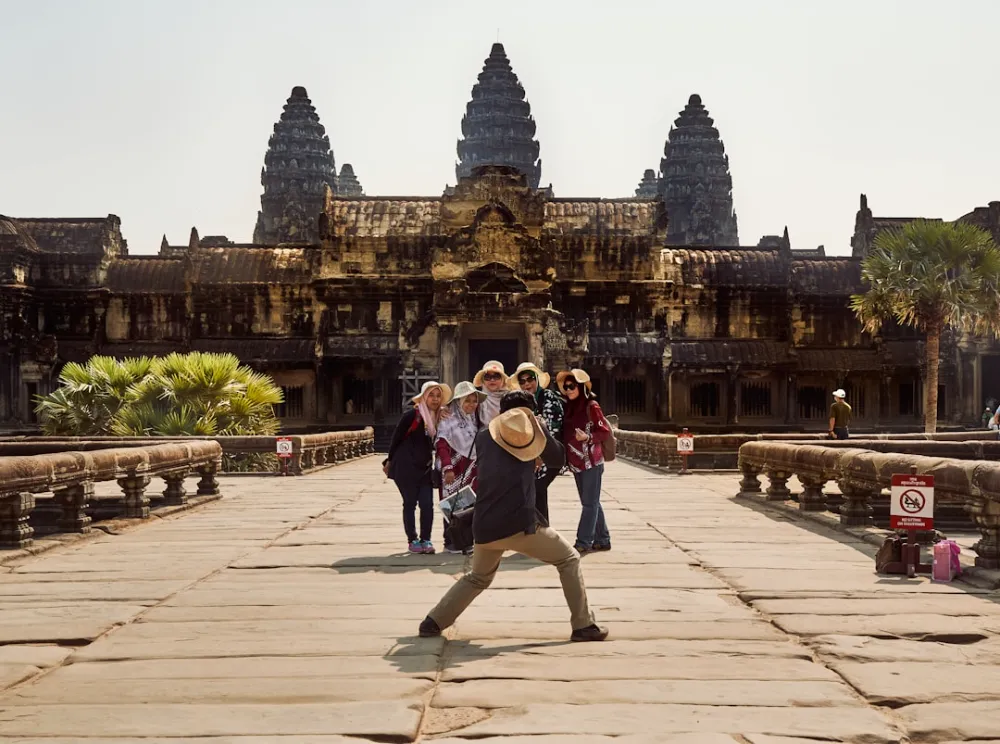
It sparks curiosity and learning
New places fill children with questions. Why is that building old? What language is that? Curiosity awakens.
This hunger to know is precious. It fuels a lifetime of learning. Travel feeds it well.
Curious children become curious adults. They keep exploring the world. Wonder never leaves them.
So travel lights a curious spark. It teaches children to ask and seek. That gift lasts forever.
It teaches empathy and kindness
Meeting new people opens young hearts. Children see different ways of living. Understanding replaces judgement.
They learn that difference is not scary. It is interesting and rich. Empathy grows with every meeting.
This kindness shapes who they become. They grow into caring adults. The world needs more of that.
So travel plants empathy early. Children learn to value others. Compassion takes root and blooms.
It builds confidence and independence
New places stretch children gently. They try foods and speak to strangers. Confidence grows with each try.
Small wins add up quickly. Ordering a meal feels brave. Independence follows naturally.
A confident child faces the world boldly. Travel gives them that early. Self-belief becomes a habit.
So travel builds quiet confidence. Children learn they can cope anywhere. That strength stays with them.
It breaks the daily routine
Routine keeps life running smoothly. But it can also feel like a rut. Travel breaks the spell.
A new place resets everyone’s mind. Worries shrink and joy returns. The change refreshes the soul.
You return home lighter and closer. The break did its quiet work. Everyone feels renewed.
So travel is a healthy reset. It lifts the family out of the grind. Fresh air for the mind.
It boosts everyone’s wellbeing
Time away lowers stress for all. Parents unwind and children relax. Wellbeing rises together.
Outdoor trips bring fresh air and movement. Bodies and minds both benefit. Health follows adventure.
Laughter and play come easily on trips. Joy is good medicine. Everyone feels the lift.
So travel is good for you. It heals the body and mind. A happy family is a healthy one.
It values experiences over things
Children are taught to want more toys. Travel teaches a wiser lesson. Experiences matter more.
A trip cannot be outgrown or broken. It lives on inside them. Memories never gather dust.
This lesson shapes their values early. They chase moments, not just money. That is a rich mindset.
So travel reorders what matters. It puts people and moments first. A gift beyond any price.
Near trips versus far trips
Family travel does not mean far-flung flights. A trip an hour away counts too. Both offer real rewards.
Here is a simple comparison of the two styles.
| Factor | Near trips | Far trips |
|---|---|---|
| Cost | Usually low | Often higher |
| Travel time | Short and easy | Long, needs planning |
| Novelty | Familiar comforts | Big new experiences |
| Best for | Young kids, quick breaks | Older kids, big memories |
Both build bonds and memories. The best choice fits your family. Distance is not the point.
Any trip counts
Parents often think travel must be grand. That myth stops many families. The truth is simpler.
A day trip or camping weekend counts. So does visiting family far away. The reward is togetherness.
Do not wait for the perfect big holiday. Start small and start now. Memories begin anywhere.
So let go of the grand-trip idea. Any journey together matters. Just go, near or far.
Benefits for different ages
Travel gives each age its own gift. Toddlers soak up sights and sounds. Wonder fills their world.
Older children learn history and culture. They connect lessons to real places. Understanding deepens.
Teenagers gain independence and perspective. They see life beyond their bubble. Growth accelerates.
So travel grows with your children. Each stage brings fresh rewards. The gift keeps giving. No age is ever too young or too old to benefit.
How to make the most of it
You do not need a big budget. You need presence and patience. Those matter most of all.
Involve the children in planning the trip. Let them choose a few things. Excitement and ownership grow.
Slow down and follow their wonder. Do not cram the schedule. Space leaves room for magic.
So keep it simple and present. Connection is the real goal. The rest takes care of itself. A phone left in your pocket is worth more than any plan.
Common myths about family travel
Some myths keep families home. The first says kids are too young. But even babies benefit from togetherness.
The second says travel is too costly. Yet near trips and camping cost little. Budgets can flex.
The third says it is too stressful. Good planning smooths most bumps. Preparation calms the chaos.
So do not let myths stop you. The rewards far outweigh the worries. Just take the first step.
Travel becomes a family tradition
Repeated trips grow into treasured traditions. The yearly holiday becomes a ritual. Children count down to it.
Traditions give families a shared rhythm. They anchor the year with joy. Everyone looks forward together.
These rituals bond generations too. Grandparents join and stories pass down. The tradition grows richer.
So each trip can start a tradition. It gives your family something to hold. Roots and wings at once.
Lessons that last into adulthood
The gifts of travel do not fade. Grown children carry them for life. The lessons run deep.
They become open-minded, curious adults. They value people over possessions. Travel shaped that early.
Many pass the love of travel on. They take their own children exploring. The circle continues.
So you are shaping their whole future. Travel plants values that endure. A gift across generations.
Frequently asked questions
What are the main benefits of family travel?
It builds bonds, creates lasting memories, and teaches children about the world. It also lowers stress and grows empathy and confidence.
Is family travel good for child development?
Yes. Travel builds resilience, curiosity, and communication skills. Children learn firsthand in ways no classroom can fully match.
At what age should we start travelling with kids?
Any age works, even babies. Younger children benefit from togetherness, while older ones gain learning and independence.
Does family travel have to be expensive?
Not at all. Near trips, camping, and day outings cost little. The reward is togetherness, not distance or price.
How does travel help children learn?
They taste new foods, hear new languages, and see how others live. This real experience sticks far better than textbooks.
Why are memories better than gifts?
Toys break and are outgrown. Memories only grow richer with time and become treasured family stories for years.

Does family travel really reduce stress?
Yes. A break from routine lowers stress for everyone. Fresh air, play, and laughter lift the whole family.
Can short trips count as family travel?
Absolutely. A day trip or weekend away builds bonds and memories just like a big holiday does.
How does travel build confidence in kids?
New places gently stretch children. Small wins like ordering food build self-belief that stays with them.
How do I make family trips more meaningful?
Involve the kids in planning, slow the pace, and stay present. Connection matters far more than a packed schedule.
The bottom line
So what are the benefits of family travel? It builds bonds and creates lasting memories. It teaches children through real learning by doing. And it lowers stress for everyone.
Travel grows empathy, confidence, and curiosity. It values experiences over things. And it brings the whole family closer together.
Ready to start planning? Learn how to travel with kids and see the best family travel destinations. You can even do it on a budget.
The best time to start is now. Any trip counts, near or far. Just go, and let the memories begin.