

Imagine landing somewhere new and hungry. If I visit your country, what’s the one meal I shouldn’t miss? It’s the question every curious traveler asks.
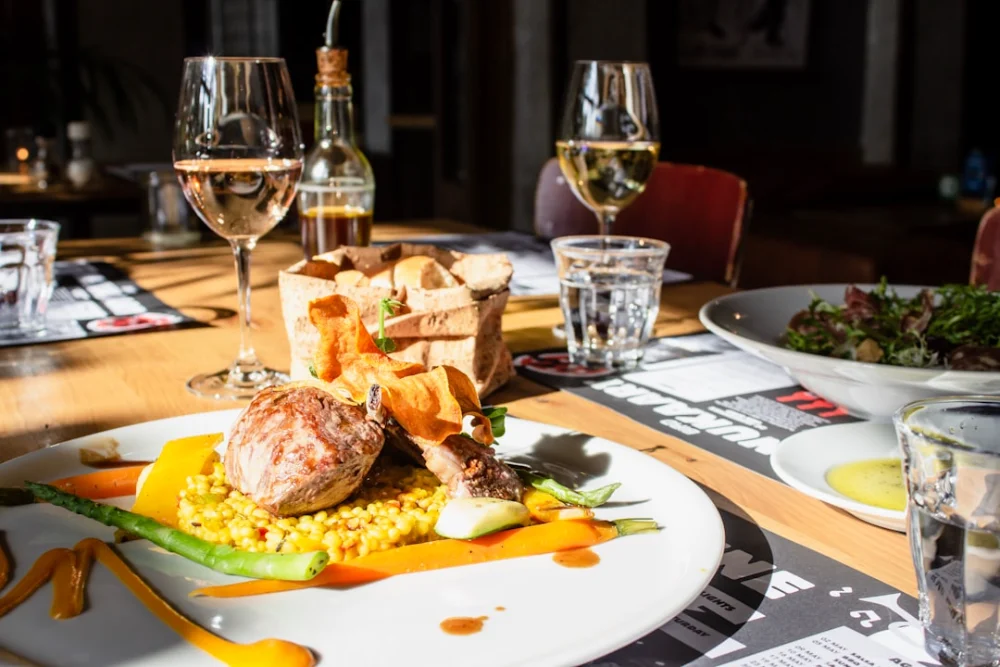
Rather than eating whatever’s nearest, you can chase the real thing. Every place has a dish that tells its story. When in Rome, you eat like the Romans.
Here is the honest answer. Every country has a signature dish. Some are famous worldwide. Others hide in tiny kitchens. You can find them with a little effort. The trick is knowing where to look.
This guide covers how to find that must-try meal. We’ll cover national dishes, street food, and markets. For ideas, see our picks for the best countries to visit in Asia. You’ll learn to choose a dish respectfully too.
So, which meal can’t you miss?
The one that locals brag about. Every country has a dish it loves. Think of it like a handshake on a plate. It says hello better than words.
Would you visit a place and skip its heart? Probably not on purpose. Food is culture you can taste. Missing it means missing the story.
The good news is simple. That signature meal is rarely a secret. Locals will point you straight to it. You just have to ask the right people. A warm smile opens most kitchens fast.
Why one signature dish matters
A signature dish is more than lunch. It carries history, climate, and pride. People cook it for family and festivals. It shows who they are.
Skip it, and you miss the point of the trip. You came for the real place, right? A famous dish is a shortcut to that. It opens doors fast.
Think of food as a friendly guide. One plate can teach you plenty. It beats any museum tour. A shared meal builds instant trust. Strangers become hosts over good food.
Did you know?
Many national dishes began as peasant food from cheap, local ingredients. Hard times often shaped a country’s most loved recipes.
Start with what locals eat daily
Locals know the good stuff. Watch what fills their tables every day. The everyday plate is often the real gem. Fancy tourist menus can mislead.
Busy lunch spots are a great sign. A packed room means the food delivers. Empty places near landmarks rarely do. Follow the crowd of workers.
Ask people where they eat, not tourists. A taxi driver’s tip beats a glossy brochure. Real advice comes from real habits. Locals eat for value and taste. Their favorite spot is often a gem.
Look for the national dish
Most countries have a national dish. It’s the meal people name with pride. A quick search reveals it fast. Start there and you rarely go wrong.
National dishes vary widely by region. The capital’s version may differ from a village. Both count as the real thing. Try more than one if you can.
Don’t stop at the headline dish either. Sides and drinks matter just as much. They round out the whole experience. A great meal is a full picture. Local sauces and pickles add real magic.
Follow your nose to street food
Street food tells the truth. It’s cheap, fast, and deeply local. Vendors cook the same dish all day. That practice makes it excellent.
Look for stalls with long local lines. Turnover means fresh food and fair prices. A busy grill is a good omen. Trust the queue of regulars.
Watch how food is handled before buying. Fresh ingredients and hot cooking are key. Your stomach will thank you. Pick stalls that cook to order. Steam and sizzle are your friends. Skip anything sitting out and cold.
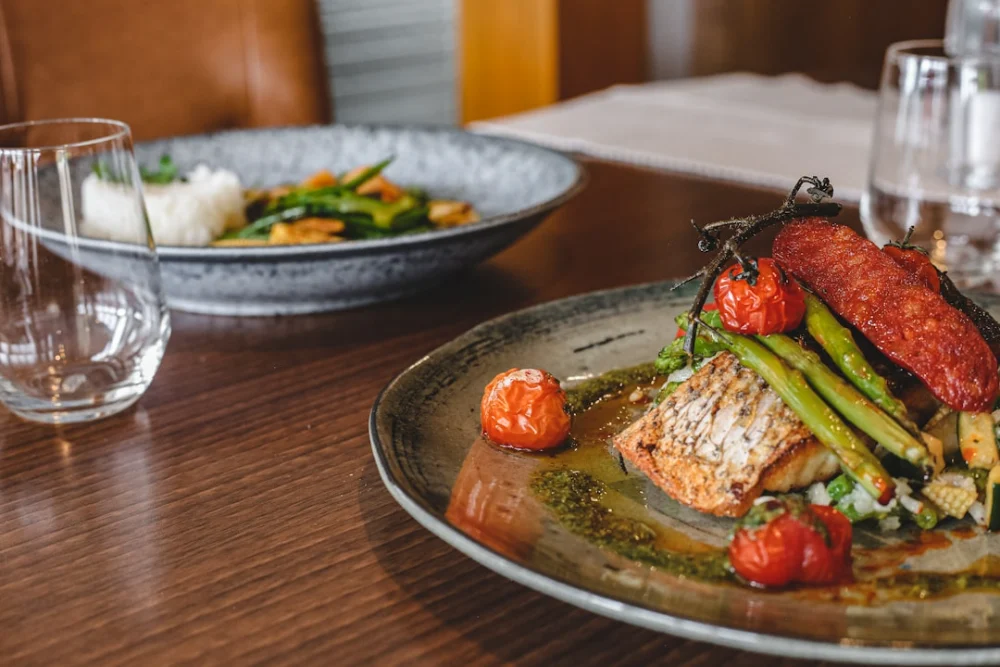
Ask a local, not only guidebooks
Guidebooks are a decent start. Still, they lag behind real life. Locals know what’s good this month. Their advice stays fresh.
Try a simple, friendly question. Where do you eat your favorite meal? Most people love to share. Food pride crosses every border.
Hotel staff can help too. Ask where they eat on a day off. That answer skips the tourist traps. It points you to honest kitchens. Small family spots often top their list.
Read reviews with a careful eye
Reviews help, but read them smartly. Look for notes from local diners. Their word carries the most weight. Tourists often praise the wrong things.
Watch for patterns, not single rants. Many happy locals mean a solid spot. One angry review means little. Trends tell the real story.
Photos reveal a lot too. Real plates look better than staged ones. Guest snaps rarely lie. Sort by recent reviews first. Kitchens change over time.
Timing and season shape the plate
Some dishes shine only in season. Fresh produce follows the calendar. A summer fruit tastes flat in winter. Timing changes everything.
Festivals bring special foods too. Certain meals appear only on holidays. Plan around them if you can. You’ll taste something rare.
Meal times matter as well. Locals eat lunch and dinner on their own clock. Match their hours for the freshest food. Kitchens cook best when busy.

Markets tell the real story
Local markets are living cookbooks. You see what people actually buy. Stalls sell snacks and full meals. It’s a feast for the senses.
Wander first, then eat second. Watch which stall draws a crowd. That’s usually where the magic is. Let your eyes lead you.
Vendors love curious visitors. Point, smile, and try something new. A few coins buy a memory. Markets reward the brave eater. Come hungry and taste your way around.
Signature dishes around the world
Every region has its stars. Asia offers noodles, rice, and rich curries. The Mediterranean loves olive oil and fresh bread. Each tells a local tale.
Latin America brings bold grilled meats and corn. Africa serves hearty stews and flatbreads. No single list can hold them all. That’s the fun of it.
Don’t chase only the famous names. Small towns hide their own treasures. A humble dish can steal the show. Stay open to happy surprises. The best plate is often the simplest.
When you have dietary needs
Dietary needs don’t have to limit you. Many cuisines offer vegetarian gems. Ask clearly and kindly about ingredients. Most cooks want to help.
Learn key phrases before you travel. Words for meat, nuts, or dairy help a lot. A written card can save trouble. Clear communication keeps you safe.
Allergies deserve extra care abroad. Explain them simply and double-check. When unsure, choose a safer plate. Your health comes first, always. This is not medical advice. See a professional.

How to choose a dish, compared
Different methods suit different travelers. Here’s how the main approaches stack up. Pick the mix that fits your trip.
| Way to choose | When it works best |
|---|---|
| National dish | A safe, famous starting point anywhere |
| Street food | Cheap, fresh, and deeply local flavors |
| Local advice | Hidden gems that guidebooks always miss |
| Market stalls | Variety and small tastes in one place |
Eating respectfully as a guest
Food is personal to every culture. Approach each dish with an open mind. Curiosity beats judgment every time. You are a guest, after all.
Try before you decide you dislike it. One honest bite shows respect. Locals notice a willing eater. Kindness travels far here.
Avoid loud complaints about flavors. What seems strange to you is beloved elsewhere. Keep your comments gentle and warm. Respect earns you a warmer welcome.
Table manners that travel well
Every country has its own table rules. Some eat with hands, others with chopsticks. Watch locals and follow their lead. Copying is the safest bet.
Little gestures carry big meaning. How you hold a cup can matter. A quick look around teaches fast. Mirror what you see nearby.
When unsure, just ask politely. People happily explain their customs. Your effort will be appreciated. Trying counts more than perfection. A little humility charms every host.
Tipping and paying customs
Tipping rules change by country. In some places it’s expected. In others it’s rare or built in. Check the local norm first.
Cash is still king at small stalls. Carry small notes for quick meals. Cards may not work everywhere. Being ready avoids awkward moments.
Watch how locals pay and follow suit. A simple thank you goes far. Good manners cost nothing. They make every meal smoother. Learn the local word for thanks.
When a dish surprises your palate
New flavors can catch you off guard. That’s part of the adventure. Give bold tastes a fair chance. Your palate learns fast.
Start with small bites of the unfamiliar. Ease in rather than diving deep. You can always order more later. Slow tasting builds real appreciation.
Some dishes grow on you quickly. What shocks at first can become a craving. Keep an open, playful mind. The best memories start with a leap.
Common mistakes to avoid
The biggest mistake is playing it too safe. Eating only familiar food wastes the trip. Step outside your comfort zone. That’s where the joy hides.
Another slip is chasing only fame. The most photographed dish isn’t always the best. Local favorites often beat it. Trust the crowd of residents.
Some travelers skip street food from fear. Smart caution is fine, but total avoidance costs you. Pick busy, fresh stalls instead. You’ll eat well and safely.
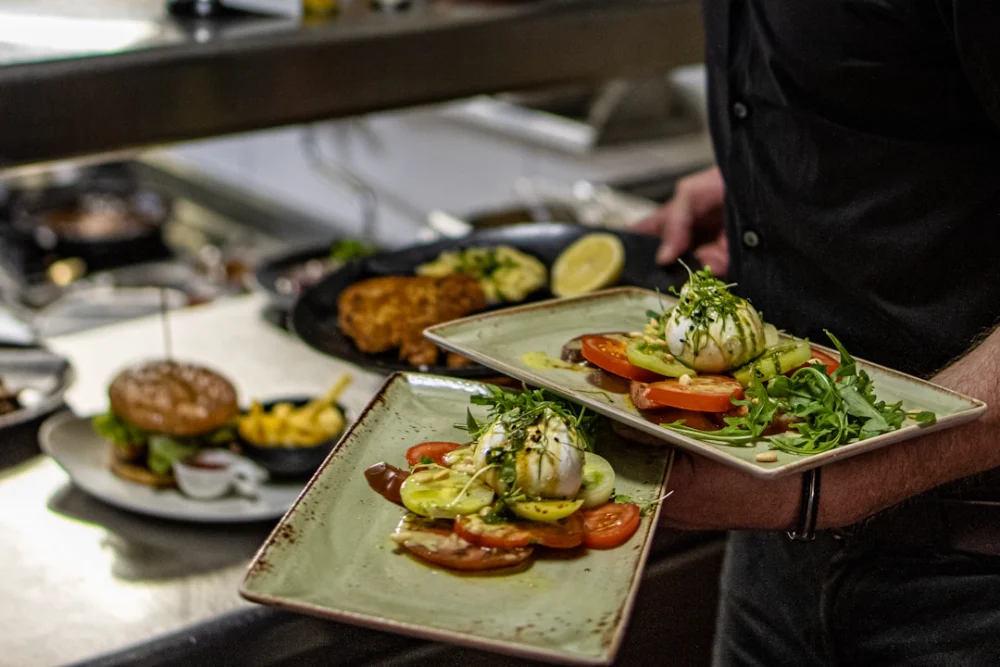
Turning a meal into a memory
A great meal sticks with you for years. Slow down and savor each bite. Notice the smells and sounds around you. Presence makes the moment last.
Chat with the cook if you can. A shared smile deepens the memory. People are half the flavor. Connection turns food into a story.
Jot down what you loved later. A quick note helps you recreate it. You can chase that taste back home. Memories feed you long after. Snap a photo of the menu too. A good meal deserves a second life.
Frequently asked questions
How do I find a country’s must-try meal?
Ask locals and search the national dish. Then follow busy stalls and packed lunch spots.
Is street food safe to eat abroad?
Usually yes at busy, fresh stalls. Pick places that cook to order and draw crowds.
What if I have dietary restrictions?
Learn key food words before you go. Ask clearly and carry a written allergy card.
Should I trust online food reviews?
Read them, but favor local voices. Look for patterns rather than single angry rants.

How do I order without the local language?
Point, smile, and learn a few words. A translation app also helps a lot.
Is the national dish always the best choice?
It’s a safe start, not the only one. Small local favorites often surprise you more.
How much should I tip when eating out?
Check the local custom first. Some countries expect it, others include it already.
What if I dislike the signature dish?
Try one honest bite, then move on. Your effort still shows real respect.
When is the best time to try seasonal food?
Eat dishes when their ingredients are in season. Festivals also bring rare, special meals.
How do I eat respectfully as a guest?
Watch locals and copy their manners. Keep comments kind and stay curious throughout.
The bottom line
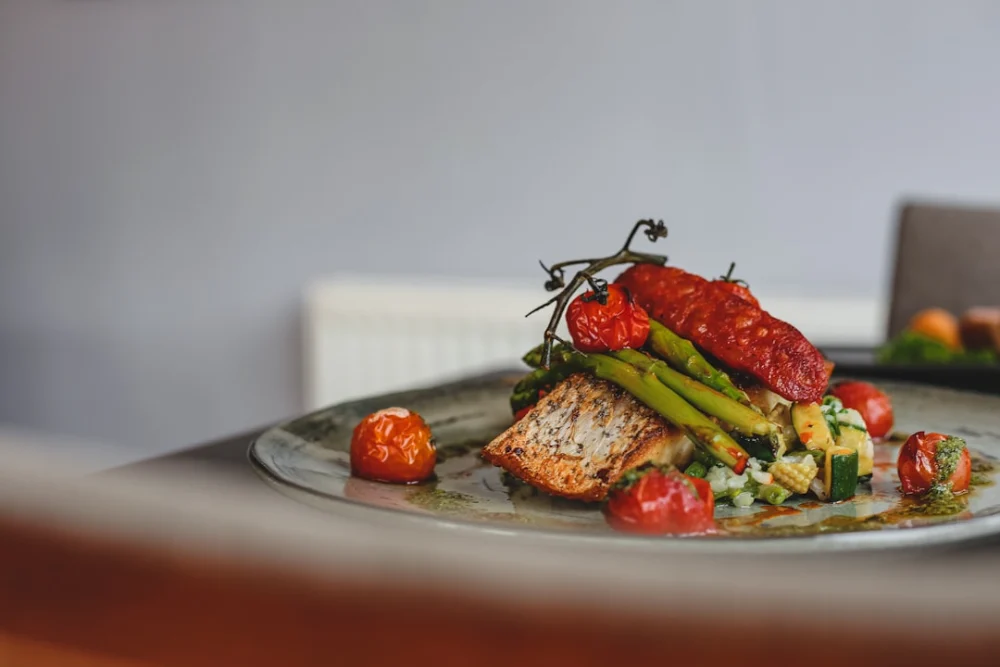
So, which meal can’t you miss? The one locals cherish and share with pride. Find it by asking, watching, and tasting. A little curiosity goes a long way.
Start with the national dish, then wander wider. Chase street food, markets, and local tips. Planning your route? See our take on the best country to visit in Europe. Solo diners can read the benefits of traveling alone too.
Food-rich cities reward the hungry explorer. Curious about one? Read whether Istanbul is worth visiting for its flavors. For background, browse the national dish and street food pages on Wikipedia.
Eat boldly, ask kindly, and stay curious. Your next trip can taste like its true home.