

You’ve snapped the famous tower and the busy main square. So what should I photograph besides landmarks on a trip? There’s more than meets the eye.

Rather than collecting the same postcard shots, curious travelers dig deeper. They look for the real heartbeat of a place. That shift changes your whole gallery.
Here is the honest answer. The best photos often hide in plain sight. Shoot street life and local faces. Capture food, textures, and quiet details. Chase light, shadow, and small moments. These frames tell the true story.
This guide covers people, food, and small details. We’ll cover light, patterns, and candid moments. You’ll learn to see a place, not just its map. Let’s fill your camera roll with soul.
So, what should I photograph besides landmarks?
You shoot the life happening around the landmarks. Point your lens at people, food, and light. Think of a city as a living character. You capture its mood.
Would a friend’s story be only their street address? Of course not. A place is its people and rhythms. Details carry the real meaning. Small scenes speak loudest.
The core subjects are easy to remember. Shoot faces, hands, and street corners. Frame food, doors, and shifting light. Follow color, motion, and quiet moments. Those subjects fill a rich album. None of them need a famous name.
Why look beyond the famous landmarks
Everyone photographs the same monuments the same way. Your gallery starts to look like a postcard rack. Fresh subjects make your work stand out. They feel truly yours.
Landmarks tell you where you were. Everyday scenes tell you how it felt. That feeling is what you remember later. Emotion beats a checklist every time.
Looking wider also slows you down. You notice the small wonders others miss. A quiet alley can beat a big square. Curiosity is your best lens. The reward is a story only you saw. Your future self will thank you for it.
What “beyond landmarks” really means
It means shooting the texture of daily life. You aim for mood over monuments. You trade the map for the moment. That mindset guides every frame.
It also means slowing down and watching. Great scenes unfold when you wait. Patience turns a street into a stage. Awareness is the real skill.
Think of it as portrait of a place. You gather its people, colors, and habits. Nothing staged, just honest life. That balance defines strong travel photos. It is a habit worth building.
Did you know?
Many pro travel photographers shoot people and food far more than monuments. Everyday scenes often win the most awards.
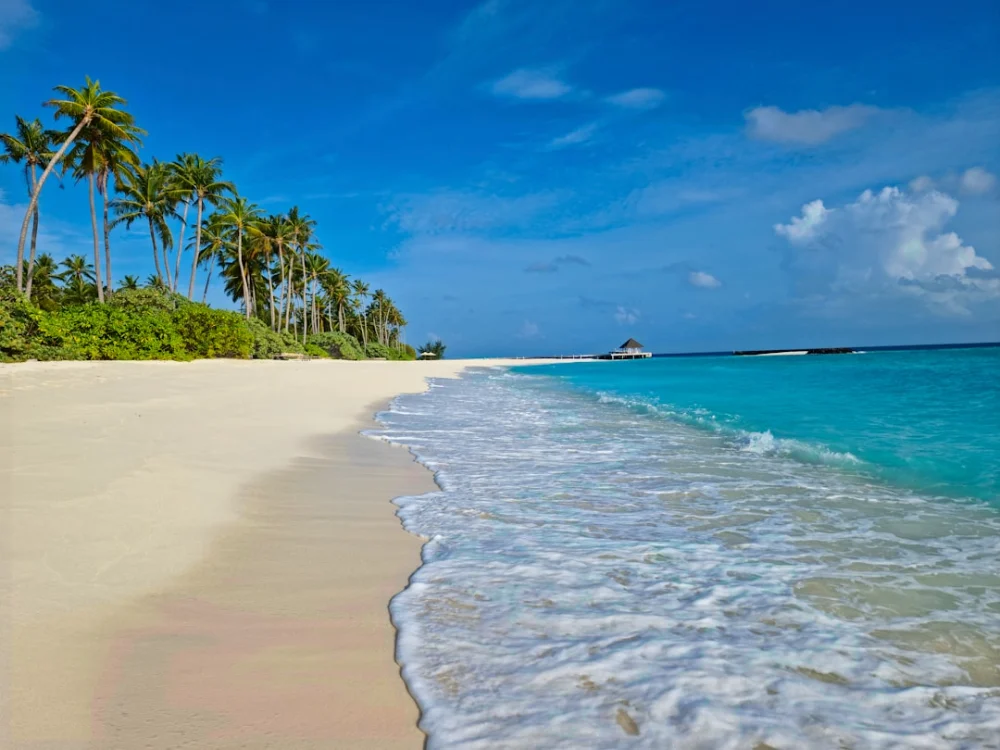
Everyday street life and locals
Street life is the soul of any place. People walking, talking, and working tell a story. These candid scenes feel alive. They never look staged.
Look for small human moments everywhere. A vendor laughing or a child playing works well. Wait for the gesture to happen. Real feeling makes the frame.
Blend in and shoot with respect. Keep a little distance at first. Let life unfold naturally around you. Quiet patience earns honest shots. The street rewards a calm observer.
Local food and bustling markets
Food photos capture a culture in one frame. Steam, color, and hands tell the story. Markets buzz with life and detail. They are a goldmine.
Shoot the stalls, spices, and street snacks. Catch a cook mid flip if you can. Bright produce makes striking colors. Get close for texture.
Ask before you photograph a vendor’s stall. A smile usually earns a yes. Buy a little something in return. Kindness opens more doors. Good manners make better pictures. A warm hello often beats a big lens.
Small details, textures, and objects
Tiny details often carry the biggest charm. A rusty handle or peeling paint tells history. These textures add depth to your album. They feel intimate.
Train your eye on the little things. Look at tiles, fabrics, and worn steps. Fill the frame with pattern and grain. Simplicity can be powerful.
Details also break up a photo series nicely. They give the viewer’s eye a rest. Mix wide scenes with close ones. Variety keeps a gallery fresh. Small things carry a place’s fingerprint.
Hands, faces, and human portraits
Faces hold emotion like nothing else. A weathered face tells a whole life. Portraits connect the viewer to a place. They feel deeply human.
Hands tell quiet stories too. A potter shaping clay reveals real skill. Watch for hands at work everywhere. They add honest motion.
Always ask permission for a close portrait. A nod and smile go a long way. Share the photo if you can. Respect builds warm moments. People remember how you treated them.


Light, shadow, and reflections
Light can turn a plain scene into art. Golden hour warms everything it touches. Long shadows add drama and shape. Chase the good light daily.
Reflections open a whole new view. Puddles, windows, and mirrors double the world. Look down and around for them. They add clever depth.
Shoot early morning or late afternoon when you can. Harsh noon light flattens most scenes. Soft light flatters faces and streets. Timing is half the magic. Light is the free tool everyone forgets.
Ways to photograph a place, compared
Different subjects suit different moods. Here’s how a few choices stack up. Pick the approach that fits your story.
| Subject beyond landmarks | Why it works |
|---|---|
| Street life and people | Shows real emotion and daily rhythm |
| Food and markets | Captures culture, color, and warmth |
| Details and textures | Adds depth and an intimate mood |
| Light and reflections | Turns plain scenes into striking art |
Doors, windows, and architecture details
Doors and windows carry a place’s character. Bright paint and old wood catch the eye. You skip the wide monument shot. You find charm instead.
Look for repeating shapes and frames. A row of shutters makes a clean pattern. Small details reveal local style. They feel authentic and quiet.
Frame a doorway with someone passing by. The mix of stone and life sings. Wait for the right moment. A little patience pays off. Ordinary corners can steal the show.
Nature, plants, and animals
Nature adds calm to a busy travel album. A stray cat or a garden softens things. These frames feel gentle and honest. They balance the noise.
Look for green corners inside the city. Flowers, trees, and parks offer color. Animals bring surprise and personality. Keep your camera ready.
Respect wildlife and never crowd it. Use a zoom to keep your distance. Let the scene stay natural. Calm shots look the best. Nature rewards a patient, gentle eye. Even a small park can surprise you.

Transport and daily movement
Buses, bikes, and boats show how a place moves. Motion adds energy to your photos. These scenes feel real and busy. They capture the pulse.
Try a slower shutter for gentle blur. A passing tram can streak with light. Motion tells a lively story. Experiment and have fun.
Stations and stops are full of moments. People waiting reveal quiet emotion. Watch the flow and shoot. Timing catches the magic. Movement is a city breathing.
Signs, colors, and patterns
Signs and colors give a place its flavor. A neon glow or old script pops. These frames feel graphic and bold. They add strong style.
Hunt for repeating patterns everywhere. Tiles, stairs, and railings line up nicely. Symmetry pleases the eye. Simple shapes work wonders.
Bright walls make a great backdrop too. Place a person against the color. The contrast brings the frame alive. Color guides the viewer’s eye. Patterns turn clutter into order.
Candid moments and real emotion
Candid shots capture life as it truly is. A shared laugh beats any pose. These honest moments age beautifully. They feel timeless.
Keep your camera ready at all times. The best moments arrive without warning. Stay alert and observe quietly. Anticipation is everything.
Do not force a scene to happen. Let people forget the camera exists. Real emotion cannot be staged. Patience delivers the gold. Honest frames always win hearts.
Night scenes and the blue hour
Cities change completely after dark. Lights, neon, and shadows create new moods. Night opens a fresh gallery. It feels cinematic.
The blue hour offers soft, magic light. It sits just after sunset each day. Skies glow deep and rich. Colors turn dreamy then.
Steady your camera on a wall or rail. Slow shutters need a stable base. Let the city lights shine. Calm hands make sharp frames. Night doubles your creative options.
Respecting people and their privacy
Good travel photos never come at someone’s cost. Always treat people with real respect. A camera is not a free pass. Kindness comes first.
Ask before shooting a close portrait. A smile and gesture usually work. Skip photos where someone feels uneasy. Read the room carefully.
Avoid shooting private or sensitive moments. Never mock a subject for a laugh. Dignity matters more than any shot. Respect earns trust everywhere. People open up to a kind traveler.
Telling a story with a photo series
One strong photo is nice. A series tells a full story. Think in chapters, not single frames. Your album gains real depth.
Mix wide scenes with tight details. Add a portrait and a quiet moment. Variety keeps the viewer curious. Balance is the secret.
Pick a simple theme for the day. Maybe doors, faces, or morning light. A theme sharpens your eye. Focus makes stronger sets. A good series feels like a short film.
Common mistakes to avoid
The biggest slip is shooting only monuments. You miss the life all around them. Slow down and look wider. The real story is nearby.
Another mistake is rushing every shot. Great frames need patience and timing. Skipping that wastes good moments. Give scenes room to unfold.
Some travelers ignore people’s comfort. They shoot without asking or caring. Small lapses harm real trust. Kindness covers every frame. Respect makes you a better photographer.
Frequently asked questions

What should I photograph besides landmarks?
Shoot street life, food, and local faces. Capture details, light, and candid moments.
How do I take good street photos?
Blend in and wait for real moments. Keep a respectful distance at first.
Do I need permission to photograph people?
Ask before any close portrait shot. A smile usually earns a warm yes.
What is the best light for travel photos?
Golden hour and the blue hour shine. Soft light flatters faces and streets.

How do I photograph local food well?
Get close for steam, color, and texture. Ask the vendor before you shoot.
Why should I shoot small details?
Details add depth and an intimate mood. They break up a photo series nicely.
How can I make my photos tell a story?
Shoot a series with a simple theme. Mix wide scenes with close details.
Is it okay to take candid photos?
Yes, if you stay kind and respectful. Avoid private or sensitive moments.

What gear do I need for this?
Any camera or phone works fine. Your eye matters far more than gear.
How do I avoid boring travel photos?
Look beyond the famous monuments daily. Chase people, light, and small moments.
The bottom line
So, what should I photograph besides landmarks? You shoot the life that surrounds them. Capture people, food, and shifting light. Chase details, motion, and honest moments.
Let a place inspire your next trip too. See the best city in Europe to visit for photo ideas. You can also explore what to see in Yosemite for wild scenes. Wondering is Istanbul worth visiting for street life? These spots reward a curious lens.
Want the background? Read about travel photography and street photography on Wikipedia. A little curiosity goes far. Great photos are everywhere you look.
Slow down, look closer, and stay kind. Your camera roll will thank you later. The best frames are never the obvious ones.