

Your first weekend away feels thrilling. Yet it’s easy to bite off more than you can chew. So what is the biggest mistake first-time weekend travelers make? Most people try to do far too much. They pack two days like a two-week trip.

Rather than savour one place, beginners chase a long checklist. They race from sight to sight without a breath. The weekend blurs into a tiring sprint. Sound familiar to anyone?
Here is the honest answer. The biggest mistake is cramming too much in. New travelers underestimate travel time between stops. They skip rest and skimp on sleep. They arrive home more tired than before. A short break should recharge you, not wreck you.
This guide covers why this happens and how to fix it. We will look at planning, pace, packing, and budget. You will learn simple habits for a calmer weekend. It also helps to keep your itinerary flexible.
So what is the biggest mistake?
The biggest mistake is trying to see everything at once. A weekend is short, and time runs out fast. Doing less usually means enjoying more.
Think of a weekend like a small cup. Pour in too much and it spills over. A few good moments beat a dozen rushed ones.
Want the trip to actually feel restful? Then leave gaps in your plan on purpose. Space to breathe is where the magic lives. Slow down and enjoy the view.
Why cramming too much backfires
A packed plan looks exciting on paper. In real life it wears you down quickly. You spend the day watching the clock instead.
Every extra stop adds travel, queues, and stress. Those small delays pile up faster than you expect.
Ever finished a trip needing a holiday from your holiday? That is overpacking your schedule in action. Less really can be more here. Give yourself room to relax.
Did you know?
Many travelers say their best memories were unplanned moments. Slow, simple hours often beat a jam-packed schedule.
The real cost of an overstuffed plan
An overstuffed plan costs more than money. It drains your energy and your patience too. You miss small joys while rushing to the next thing.
Tight timing also breeds stress between travel buddies. Nobody enjoys being hurried from place to place.
What good is a famous view if you barely glance at it? A relaxed pace lets each moment sink in. That is the real return on your time.
How far should you really go?
Distance is a sneaky trap for weekend trips. A far-off spot eats your whole first day. Then travel steals your last day too.
Closer places give you more time on the ground. You swap long transit for actual enjoyment.
Chasing somewhere impressive but far away? Ask if the travel time is worth it. Often a nearer gem wins hands down. Save the epic trek for later.
Planning versus wandering
Some travelers over-plan every single minute. Others wing it and waste hours being lost. The sweet spot sits neatly between the two.
A light plan gives shape without a straitjacket. You know your must-sees but stay open to surprises.
Prefer a loose, easy vibe? Then pick two or three anchors per day. Let the rest of the time unfold naturally. Wandering is half the fun.


Packing light for a short trip
Overpacking your bag mirrors overpacking your plan. You lug things you never even touch. A short trip needs surprisingly little.
One small bag keeps you nimble and free. You skip check-in queues and move with ease.
Not sure what to leave behind? Lay it all out, then remove half. You’ll rarely miss the extras. A light bag frees your hands and mind. Travel light and thank yourself later.
Leaving room for downtime
Downtime is not wasted time at all. It is where a trip truly recharges you. A slow coffee can beat another museum.
Your body and mind need pauses to reset. Rest keeps your mood bright for the whole weekend. A short nap can turn the day around.
Feeling guilty about doing nothing? Don’t be, because rest is part of the plan. Try building in downtime on purpose. Your future self will cheer.
Underestimating travel time
Travel time is the silent weekend killer. Maps show the drive, not the real day. Traffic, parking, and detours all add up.
Connections and check-ins eat hours you forgot to count. Then your tight plan starts to crumble. Weekends have no spare day to catch up. One missed train can undo the whole afternoon.
Always running late on trips? Pad every journey with extra buffer time. A calm arrival beats a frantic dash. Give delays some breathing room.
Money and a short break
Money slips away fast on a rushed weekend. Panic buys and last-minute fares cost more. A simple budget keeps you calm.
Doing less often costs less as well. Fewer paid sights means more spare cash. That leftover money buys a treat or two.
Not sure how much to bring? Plan a rough daily spend before you go. Setting a realistic vacation budget removes a lot of stress.
Booking too late or too early
Timing your bookings trips up many beginners. Book too late and prices can jump. Book too early and plans may change.
A short break gives less wiggle room to fix mistakes. So a little care upfront pays off.
Feeling unsure when to book? Lock in beds early, but stay flexible on extras. Balance saves both money and worry. Aim for the middle ground.
Comparing weekend planning styles
There is no single right way to plan a weekend. Each style trades freedom for structure differently. The table below sizes them up fast.
See how a lighter plan tends to lower stress. Match the style to your own mood and group.
| Planning style | Best for |
|---|---|
| Packed every minute | Seeing the most sights fast |
| Light anchor plan | Relaxed days with room to breathe |
| Fully spontaneous | Easygoing trips with no pressure |
| One base, short trips | Less packing and simple logistics |

Ignoring rest and sleep
Sleep is the first thing beginners sacrifice. Early trains and late nights add up fast. Soon you feel foggy and cranky.
Good rest sharpens every sense on your trip. Colors look brighter and food tastes better. You also stay kinder to your travel buddies.
Tempted to squeeze in one more late night? Sometimes an early bed is the smarter win. Rested travelers simply have more fun.
Forgetting the journey home
Many people plan the trip out but not the return. The last day then feels like a scramble. You end on stress instead of joy.
A calm buffer before heading back changes everything. You leave relaxed, not frazzled. Pack your bag the night before if you can.
Dreading the Monday slump already? Keep the final hours gentle and slow. A soft landing beats a wild rush home.
Weather and the wrong season
Weather can make or break a short break. Beginners often ignore the forecast entirely. Then rain washes out the whole plan.
A quick check helps you pack and plan wisely. You can swap outdoor days for cozy indoor ones.
Chasing a specific season or event? Book early and have a backup idea ready. Flexible plans handle surprises with ease.
Getting around a new place
Transport confuses many first-time weekenders. They plan sights but forget how to reach them. Then they waste time and money on the go.
A quick look at local transit saves the day. Buses, trains, and walking routes are worth a glance.
Not sure how to move around town? Learn one simple route before you arrive. A little prep beats standing lost. Confidence grows with each easy trip.
Making two short days count
Two days sound tiny, and they truly are. Yet a calm plan makes them feel roomy. The trick is quality over sheer quantity.
Pick moments that matter most to you. One great meal can outshine five rushed ones.
Want a weekend you will remember fondly? Then chase feelings, not a packed checklist. Memories come from savoring, not sprinting. Keep it simple and sweet.
Trying to please everyone
Group trips add another tricky layer. Everyone wants something a little different. Please all and you please none.
Too many voices can stretch the plan thin. A short weekend cannot fit every single wish.
Traveling as a group this time? Agree on a few shared musts upfront. Then let people split off freely. Compromise keeps the peace.

Choosing where to stay
Your base shapes the whole weekend feel. A central spot cuts travel time in half. A remote deal can cost you hours instead.
Comfort matters more on a short trip. You want easy sleep and a simple morning start. A good bed sets up a great day.
Torn between price and location? On a weekend, closer usually wins the day. Time saved is time enjoyed. Pick a base you will love returning to each evening.
Common mistakes to avoid
The top mistake is doing too much, as we said. Close behind is underestimating travel time. Both leave you rushed and worn out.
Skipping rest and overpacking your bag rank high too. So does ignoring the weather forecast.
Booking badly rounds out the list. Slow down, plan lightly, and pad your time. Small tweaks fix nearly all of these.
How to fix it next time
Fixing this is refreshingly simple. Choose fewer stops and give each one room. Build in rest before you think you need it.
Pick a closer spot to save precious travel hours. Pack light and check the forecast first.
Ready for a calmer weekend away? Plan loosely, rest often, and stay flexible. That single mindset shift changes everything. Your next trip will feel golden.
Frequently asked questions
What is the biggest mistake weekend travelers make?
Trying to do too much in too little time. Cramming the schedule leaves you rushed and tired.
How many places should I visit in a weekend?
Fewer than you think, often just one or two spots. Depth beats a long, hurried checklist.
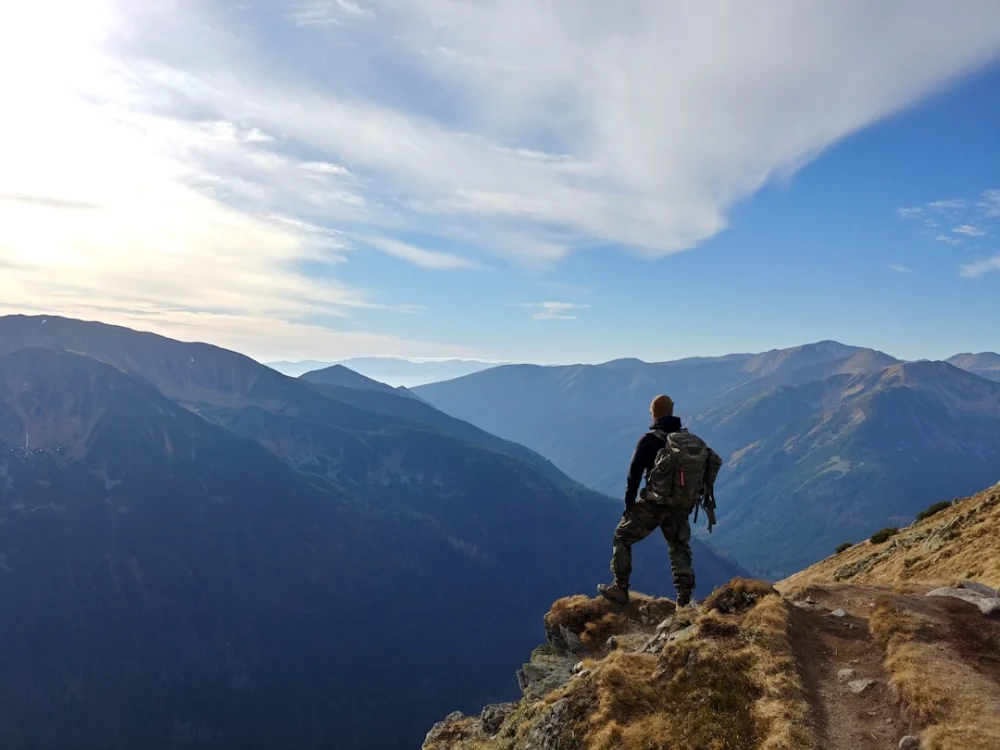
How far should I travel for a weekend?
Somewhere close enough to spend real time there. Long transit steals your short weekend fast.
Should I plan every hour of the trip?
No, a light plan with a few anchors works best. Leave gaps for rest and surprises.
How much should I pack for a weekend?
One small bag is usually plenty for two days. Lay it out, then remove half.
Why do I feel tired after a short trip?
Often you packed too much and skipped rest. A slower pace fixes that tired feeling.
When should I book a weekend trip?
Book beds early but stay flexible on extra plans. This balances price and freedom well.
How do I avoid overspending on a weekend?
Set a rough daily budget before you leave. Fewer paid sights also keep costs down.
Is it okay to do nothing on a trip?
Yes, downtime is part of a good break. Rest recharges you for the rest of the trip.
How do I plan a group weekend?
Agree on a few shared musts, then split off freely. Compromise keeps everyone happy and calm.
The bottom line
So what is the biggest mistake first-time weekend travelers make? They simply try to do too much. Choose fewer stops and give each real time. A short break should recharge you, not drain you.
Go somewhere closer, pack light, and build in rest. Check the weather and pad your travel time. Then relax and enjoy the slow moments. That mix turns a rushed weekend into a real treat.
Curious about the science of tiredness? This guide to how jet lag works is a handy read. You can also skim the basics of tourism for wider context. To plan smarter, see how detailed your itinerary should be before you pack.