

You heard about the 3-2-1 rule. It sounds catchy. But what is the 3-2-1 rule for studying, really?

Here is the short answer. It is a simple memory trick. You read a concept 3 times, say it 2 times, and write it 1 time.
That is it. Three easy steps for one idea. This mix of reading, speaking, and writing locks facts into your brain.
This guide breaks down each step. Then it shows why it works so well. As the old line goes, tell me and I forget, teach me and I remember.
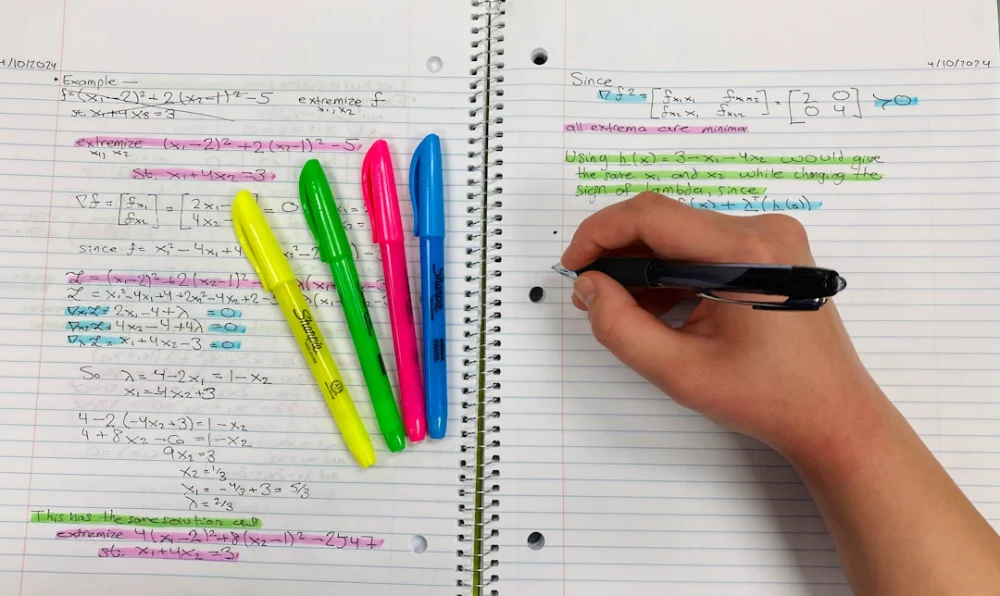
What is the 3-2-1 rule for studying?
The 3-2-1 rule is a study method built on active recall. You pull facts from memory instead of just rereading. That effort is the secret.
The name comes from three simple counts. Read three times. Speak two times. Write one time. Each step uses a different sense.
You use it on one small concept at a time. A single definition, a formula, or one key fact. Small chunks make it work.
Then you check your work and move on. It feels quick, yet it beats hours of passive reading. Small effort, big memory.
Did you know?
Rereading your notes feels productive, but it is one of the weakest ways to study. Writing a fact from memory just once can beat reading it ten times.

How to do the 3-2-1 method step by step
The method is easy to follow. Grab your notes and a blank sheet. Then work through these steps for one concept.
After the three steps, check your writing against your notes. Fix any gaps, then move to the next concept. Repeat until your topic is done.

Why the 3-2-1 rule works so well
This method is not magic. It rests on solid brain science. Two big ideas power it.
The first is active recall. Speaking and writing from memory forces your brain to work. That struggle builds strong memory paths.
The second is using many senses. You see the words, hear them, and write them. Three senses beat one every time.
Together they beat the testing effect trap of passive reading. You stop fooling yourself that rereading equals learning. You prove what you truly know.

When to use the 3-2-1 study rule
This rule shines for facts you must memorize. It is not for every task. Here is when to reach for it.
See how focused it is? Use it for memory work, not light reading. For big topics, break them into small concepts first.
Want to turn your notes into neat concepts fast? A free study guide made with AI can do that in minutes. Then run each point through the 3-2-1 rule.

Tips to get more from the 3-2-1 method
A few small tweaks make it even stronger. These tips help the facts stick for longer.
Space it out over days. Do a concept today, then review it again in two days. Spacing beats cramming every time.
Say the words with feeling. A flat voice bores your brain. A lively voice helps the memory stick.
Write by hand, not by typing. Handwriting slows you down in a good way. That extra effort deepens the memory.
Pair it with the right tools. A flashcard app can hold your tricky points. See our pick for the number one study app to store them.
Common mistakes with the 3-2-1 rule
The method is simple, but people still slip. Dodge these mistakes to get the full benefit.
The first mistake is peeking. If you glance at your notes while speaking, you cheat your brain. Cover them fully.
The second is using huge chunks. One giant paragraph is too much. Break it into small, single ideas.
The third is skipping the check. Always compare your writing to your notes. That is how you catch and fix gaps.
The last is doing it only once. One pass helps, but spaced repeats seal the deal. Come back to hard facts again.
Frequently asked questions
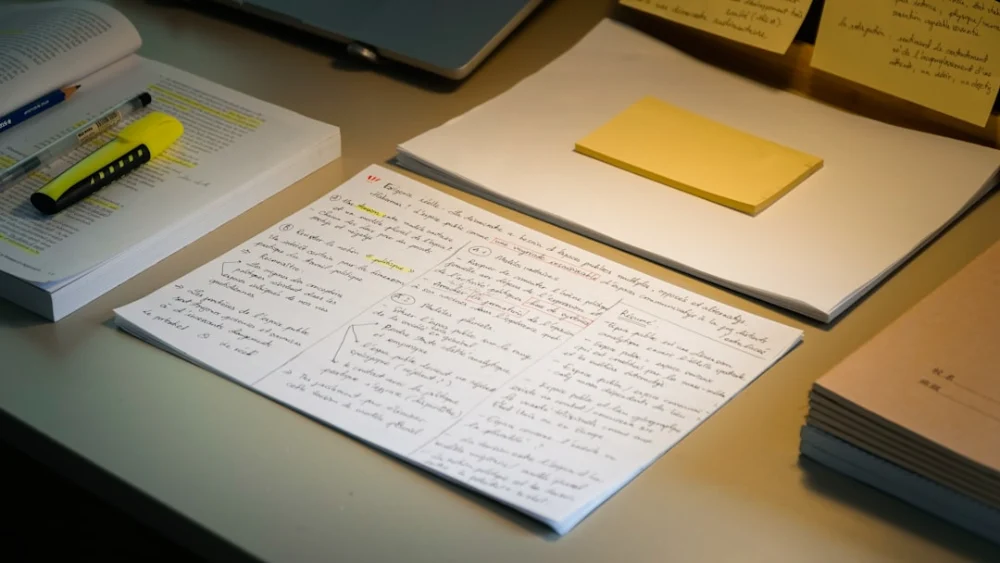
What is the 3-2-1 rule for studying?
It is an active recall method. You read a concept three times, say it twice from memory, and write it once.
Does the 3-2-1 study method actually work?
Yes. It uses active recall and several senses. Both are proven to beat plain rereading.
How long does the 3-2-1 method take?
Just a few minutes per concept. It feels quick because you focus on one small idea at a time.
Is the 3-2-1 rule good for exams?
Yes. It is great for locking in facts before a test. Pair it with practice papers for best results.
Can I use the 3-2-1 method for any subject?
Yes, for anything you must memorize. It works for science terms, history dates, and language words alike.
How often should I repeat it?
Review each concept a few times over several days. Spaced repeats make the memory last far longer.
Want more free ways to study smarter? Browse our list of the best free study websites to pair with this rule.
So, what is the 3-2-1 rule for studying? Read three times, say it twice, write it once. Simple, fast, and backed by real brain science.
Try it on one concept today. You will feel the difference by your next test. Small daily reps are how top students quietly win.