
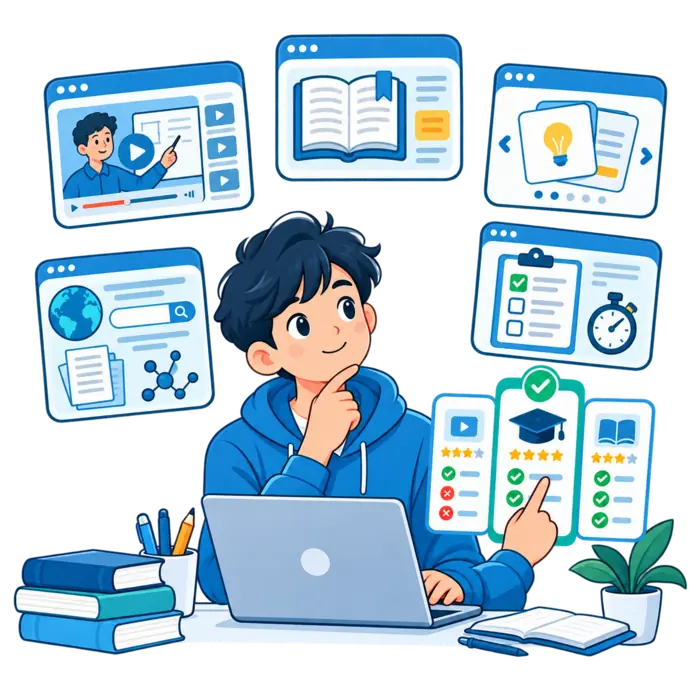
The best free study website depends on what you need. One site may teach a full subject. Another may provide textbooks, flashcards, research, or exam practice.

This guide compares the main types and explains where each fits. It also shows how to check free-plan limits, accuracy, privacy, accessibility, and current content.
What is the best website for free studying?
Khan Academy is a strong general starting point for structured lessons and practice. OpenStax works well for free textbooks. MIT OpenCourseWare supports independent course-level learning.
Quizlet and similar tools help with flashcards and short recall, though free features can change. Official exam websites remain best for exact test objectives and rules.
No single site wins every category. One size does not fit all.
Did you know?
The strongest free study setup often combines one teaching source, one practice tool, and the official course or exam outline.
How to compare free study websites
Begin with learning goal and level. A beginner needs teaching and guided practice. An advanced learner may need a textbook, lecture notes, or a question bank.
Check whether the core material is permanently free. Some sites offer only a trial. Others limit practice, uploads, exports, or advanced explanations.
Review author information, sources, update dates, accessibility, and privacy. A shiny interface cannot rescue inaccurate content.
Finally, test one real topic. The proof is in the pudding.
Match the site with the task
Use lesson sites to learn. Use textbooks to read deeply. Use flashcards to recall. Use research tools to locate evidence.
A mismatch wastes time. Watching another video may not improve a skill that needs practice.
Check what “free” means
Look for usage limits, advertisements, locked answers, trials, and renewal terms. Check whether you need a payment card.
Free access can change. Confirm current terms on the website before building your whole plan.
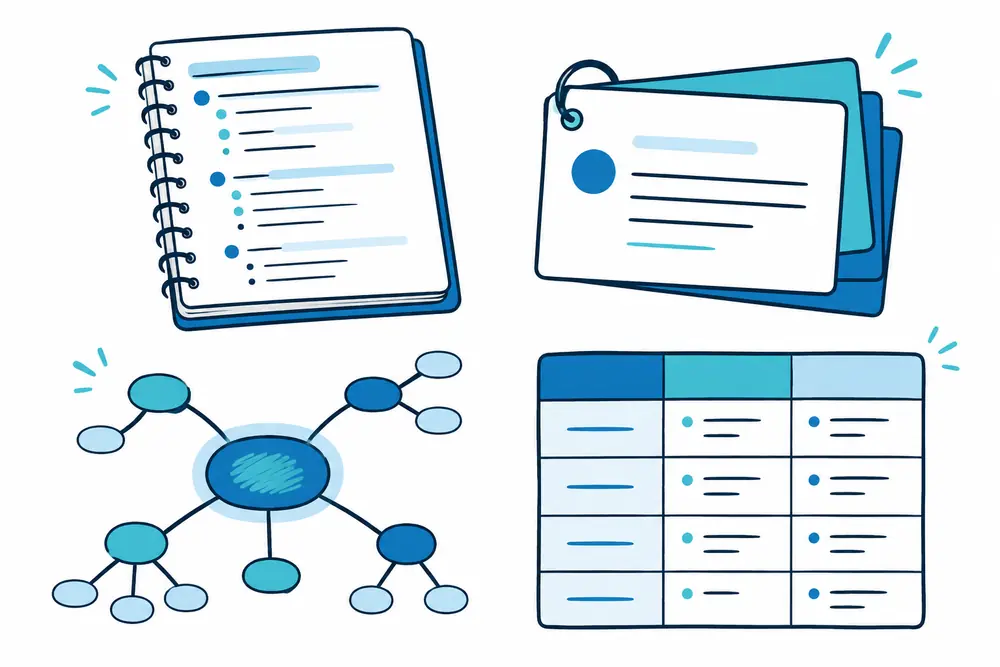

Khan Academy for structured lessons
Khan Academy offers lessons and practice across many school subjects. Its clear sequences can help learners rebuild foundations or review a unit.
Use the skill path instead of jumping between random videos. Attempt practice questions before replaying explanations.
Coverage varies by subject and level. Check your syllabus because a general course may not follow your teacher’s exact order.
Khan Academy works best as a teacher and practice partner. It should not replace official exam rules or assigned course material.
OpenStax for free textbooks
OpenStax publishes openly licensed textbooks for many high school and college subjects. Books provide structured chapters, examples, and review material.
The site describes itself as a publisher of open educational resources. Visit OpenStax to check current subjects and formats.
Turn each chapter into questions and practice. Reading alone can feel familiar without proving recall.
Textbooks are detailed. Use the course goals to choose pages. Do not try to swallow the ocean.
MIT OpenCourseWare for independent learning
MIT OpenCourseWare shares material from many MIT courses. Resources may include notes, assignments, exams, and reading lists.
It suits independent learners who can plan their own path. Material may assume strong background knowledge.
Start with the course description and prerequisites. Choose selected units when you only need one topic.
A university course archive is not personal tutoring. Use another explanation when a leap feels too large. Horses for courses.
Quizlet and flashcard websites for recall
Flashcard sites help with terms, formulas, dates, and short concepts. They work best when you answer before revealing the back.
User-created sets can contain errors. Compare cards with your notes or official source. Edit or build your own set when possible.
Free and paid features may change. Check current limits on study modes, tests, and explanations.
Flashcards are a hammer, not a full toolbox. Long problems and essays need another method.
Official exam websites for test preparation
Official exam sites provide the current handbook, objectives, sample questions, and rules. They should anchor every exam plan.
Official samples may be limited. Add teaching and practice from another trusted source when needed.
Our guide to finding exam study guides gives a complete search order. It also shows how to confirm an exam code and version.
Do not let a third-party platform redefine the target. The buck stops with the exam owner.
Library websites for premium resources at no cost
Public libraries may provide ebooks, research databases, test prep, language tools, and live help. Access often requires a library card.
Search the library’s digital resources page. Ask a librarian which database covers your subject or exam.
Loan limits and availability may apply. Reserve popular books early and record return dates.
Library access is one of the strongest ways to use paid-quality material without buying each product. A penny saved is a penny earned.
Free websites for research and writing
Google Scholar helps locate academic papers and citations. University libraries and government websites provide authoritative reports and guidance.
Finding a paper does not guarantee free full text. Look for legal open versions or use library access.
Check the author, publication, date, method, and evidence. Do not cite a search snippet as the source.
Keep a simple source log with title, author, link, and key point. A place for everything and everything in its place.
Free tools for planning and focus
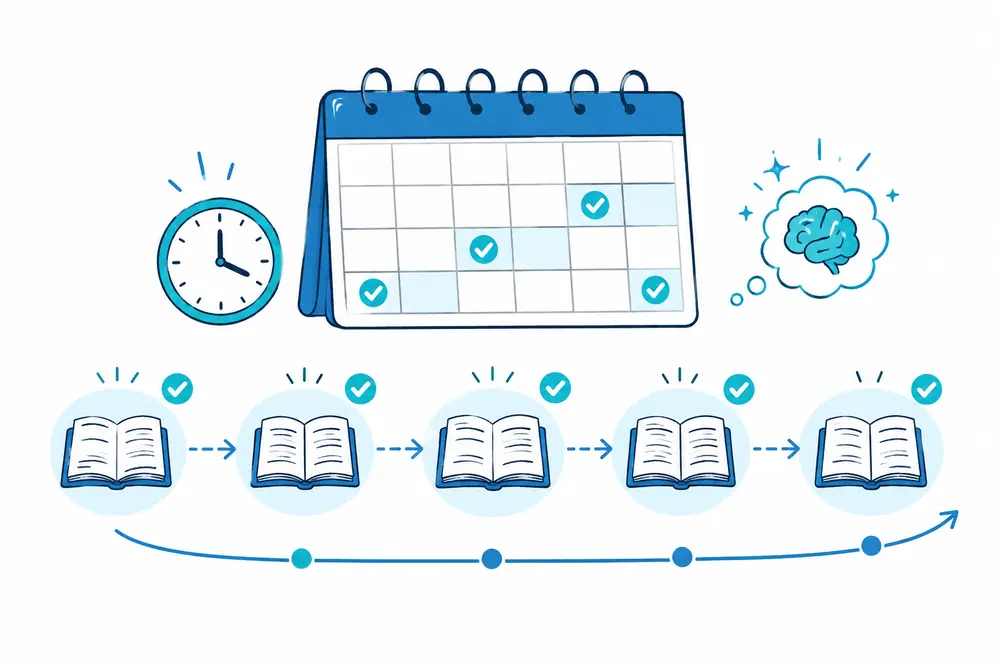
A calendar, timer, and task list can support study. They do not teach content, but they help protect time.
Create short sessions linked to learning goals. Add breaks and review dates. Avoid building a complex system that needs constant maintenance.
Use notifications carefully. A focus tool that sends many alerts can become another distraction.
The best planner is the one you check. Keep it simple.
How to combine free study websites
Choose one source for teaching, one for practice, and the official source for truth. Add a planner only when scheduling is difficult.
For example, read a free textbook chapter, watch one explanation, and answer questions without notes. Then record errors in your own guide.
Our article about making a study guide for free shows how to connect these sources.
Do not collect platforms like trophies. Too many tabs create a maze instead of a map.
How to verify online study content
Check the author, publisher, sources, and update date. Compare important facts with the assigned course or official provider.
Work sample questions and inspect answer reasons. Watch for repeated errors, missing explanations, and outdated terminology.
User-created material needs extra review. Treat it as a useful lead, not automatic truth.
Accuracy matters more than popularity. All that glitters is not gold.

Protect your privacy on free study websites
Share only the information needed to use the service. Use a strong unique password when creating an account.
Do not upload student records, identification, or protected course files. Remove names and private comments from notes when possible.
Review sharing settings. A study set may become public by default. Confirm visibility before adding class material.
Delete unused accounts and exports when appropriate. Better safe than sorry.
Check accessibility and offline use
Look for captions, transcripts, keyboard navigation, clear contrast, and adjustable text. These features help many learners.
Check whether resources work on your phone and connection. Download legal offline copies when the platform allows it.
A site may be excellent but unusable during a commute or weak connection. Choose tools that fit real conditions.
Test one lesson before committing. Look before you leap.
Best free study websites for math
Choose a site that combines explanation with problems. Videos can introduce a method, but solving reveals whether you can use it.
Match the lesson level with your course. Keep the assigned formula sheet and notation nearby because platforms may use different symbols.
Work problems before viewing solutions. Record the reason behind each error and solve a similar item.
A calculator can check arithmetic, but it cannot replace reasoning. Practise what the exam expects.
Best free study websites for science
Use structured lessons or open textbooks for concepts. Add simulations or diagrams when they clarify systems and change.
Check whether the content matches your course level. Advanced detail can distract from the required model.
Rebuild diagrams from memory and explain cause-and-effect relationships. Watching an animation is only the first step.
Verify current scientific claims through textbooks, universities, or government sources. Facts first.
Best free websites for history and humanities
Look for clear authorship, primary sources, context, and references. Strong resources separate evidence from interpretation.
Use timelines for order, then ask why events happened and how people experienced them differently.
University course archives and museum collections can add depth. Compare them with the class syllabus before expanding the scope.
Do not confuse a short summary with a complete argument. Every story has more than one chapter.
Best free websites for language learning
Choose tools that include words in context, useful grammar, listening, speaking, and feedback. A vocabulary game alone covers only one part.
Use official or trusted audio for pronunciation. Repeat short phrases and create new sentences from the same pattern.
Check whether the course teaches the variety of language you need. Regional wording and pronunciation may differ.
Regular short practice beats an occasional long session. Little and often fills the purse.
Best free study websites for college students
Open textbooks, university course archives, academic databases, and library portals provide strong college-level support.
Begin with the syllabus and assigned reading. Use free resources to explain difficult ideas or add practice, not replace required work blindly.
Google Scholar can help locate research. Check whether your library provides full-text access and citation support.
Keep a source log and follow academic integrity rules. Honesty is the best policy.
Best free websites for exam preparation
The official exam website is best for objectives, rules, and sample items. Library resources and trusted practice sites can add volume.
Match every practice set with the current exam version. Check explanations, not only scores.
Use one diagnostic test, targeted learning, and later mixed practice. Do not burn through every test before learning from mistakes.
Keep your eye on the ball. The exam outline remains the target.
Common limits on free study websites
Free plans may limit questions, uploads, exports, explanations, storage, or daily use. Some show advertisements or require an account.
Check whether access is a trial and whether it renews automatically. Do not add payment details unless you understand the terms.
Export your own permitted notes before access changes. Keep the official source and core study plan outside one platform.
Build around stable learning actions, not one company’s feature list. Do not put all your eggs in one basket.
How to evaluate free AI study websites
AI tools can summarize notes, create questions, and explain ideas. They may also invent facts or provide weak answer keys.
Test the tool with material you already understand. Check citations and compare output with the original source.
Give narrow prompts and request separate answers. Avoid uploading private class files, personal records, or protected content.
Use AI as a drafting partner, not the final authority. Trust, but verify.

Build a routine around free websites
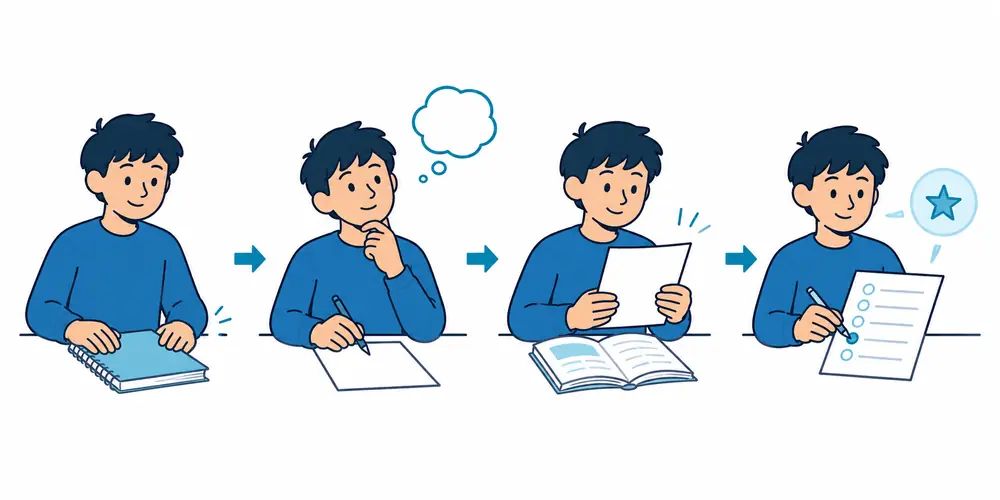
Start each session with a learning goal and a recall attempt. Use the website only to close the identified gap.
Complete practice without notes. Record errors, then schedule another attempt after a gap.
Limit platform switching during one session. Open only the teaching source, practice source, and your error guide.
End by writing the next action. A clear finish line makes tomorrow easier.
When can a free website replace a paid tool?
A free website may be enough when it covers the correct level, provides useful practice, and remains accessible during your timeline.
Paid tools may add tutoring, deeper analytics, more questions, or organized courses. Pay only when that feature solves a measured gap.
Compare results from a one-week free setup before buying. Track recall, errors, completed practice, and time saved.
The cheapest option is not always the best value. Still, a good workman does not blame the tools.
Use a quick website quality checklist
Confirm the publisher, author, update date, sources, intended level, and coverage. Check whether the site separates fact from user-created material.
Test one lesson and several questions. Inspect the answer reasons, navigation, captions, contrast, and mobile layout.
Read the free-access, renewal, and privacy terms. Check whether notes or study sets become public by default.
Keep the site only when it solves a clear learning problem. Look before you leap.
Avoid distraction while studying online
Open the exact lesson or practice set before the session. Close unrelated tabs and silence unnecessary notifications.
Write the learning goal on paper or inside your guide. Stop browsing when you find a source that meets the need.
Use a timer for focused work and a planned break. Do not turn tool comparison into a substitute for practice.
The internet is an ocean. A clear route keeps the boat moving.
Review your free study stack each month
Check whether each website still provides value, accurate content, and needed free access. Remove tools you stopped using.
Replace broken links and export allowed personal notes. Update passwords and sharing settings for active accounts.
Keep one teaching source, one practice source, and the official course or exam source whenever possible.
A small maintained stack beats a long forgotten bookmark folder.
Free study website FAQ
Is Khan Academy completely free?
Its core learning resources are offered without a normal student subscription. Check the official site for current access and account details.
Are free flashcard websites reliable?
The platform may work well, but user-created cards can contain errors. Verify them against trusted course material.
Can free websites replace a teacher?
They can explain and provide practice. Teachers add context, feedback, and support that a general website may not provide.
Which site is best for college textbooks?
OpenStax is a strong starting point for subjects it covers. Libraries and open course sites can fill other needs.
Read next
Find free study guides from reliable sources.

The final takeaway
Review your platform choices when the course changes or free limits move. Keep personal notes portable so one website never controls the entire study plan.
Choose tools through evidence, not popularity. A smaller platform can be the better fit when it teaches the exact skill you need.
Khan Academy is a useful general starting point, but the best website changes with the task. OpenStax supports textbooks. MIT OpenCourseWare supports independent course learning.
Use official exam sites for rules and objectives. Build a small study stack instead of searching for one perfect platform. Why ask one tool to carry the whole backpack?
For a broader format decision, read which study guide is best. Match each resource with a clear learning action.
