

You can make a useful study guide for free with a document, notebook, spreadsheet, presentation, or flashcard tool. The software matters less than the learning structure.
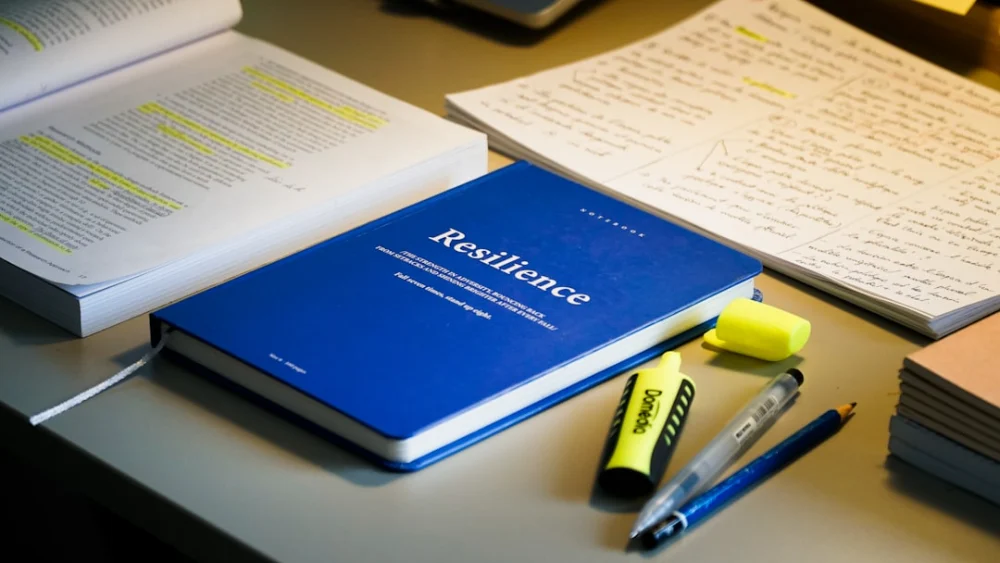
This guide shows a complete no-cost process. You will turn course goals into summaries, questions, examples, and a review plan without buying a template.
Where can I make a study guide for free?
You can use a free document editor, note app, spreadsheet, presentation tool, or paper. Pick a format that lets you organize topics and hide answers.
Use documents for outlines, spreadsheets for comparisons, slides for visual cards, and flashcard tools for short recall. A plain notebook also works.
Do not choose a tool before defining the goal. Form should follow function.
Did you know?
The act of selecting and organizing material can support learning before you even start reviewing the guide.
Choose the right free format
An outline works for topics with a clear hierarchy. Question-and-answer pages support recall. Tables help comparisons. Concept maps show relationships.
Math and science often need worked examples and blank practice. History benefits from timelines and evidence charts. Language study needs words inside useful sentences.
Our study guide examples show layouts for common subjects. Horses for courses.
Choose one main format. Add a second only when it teaches a different skill. Too many formats can make the guide harder to use.
Use a document for flexible guides
Documents support headings, lists, tables, images, and page breaks. They work for most subjects and print easily.
Use heading styles instead of manual bold text. Clear structure improves navigation and accessibility.
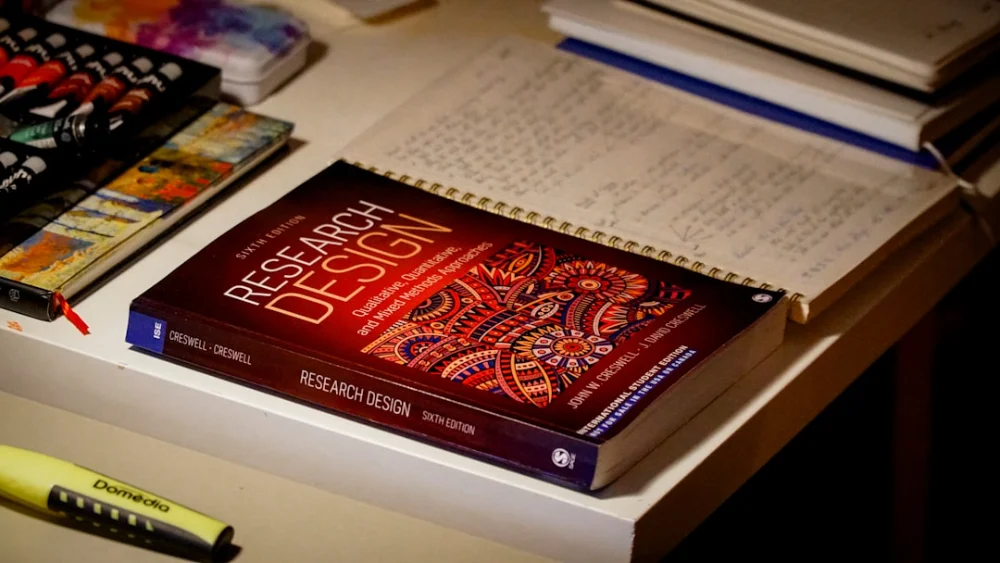
Use a spreadsheet for comparisons
Spreadsheets work well for formulas, categories, timelines, and side-by-side facts. Keep each row focused on one item.
Freeze the header and use filters only when they save time. A simple table beats a dashboard nobody understands.

Collect reliable source material
Start with the syllabus, learning goals, teacher notes, assigned readings, and feedback. These sources define the expected level.
Add official exam objectives when preparing for a test. Use outside explanations only when the course material leaves a gap.
Record the source beside facts, formulas, and quotations. This habit makes updates easier and prevents accidental copying.
Do not upload private class files to public tools without permission. Better safe than sorry.
Utah State University also explains a practical process for creating study guides from course material.
Build the guide structure first
Create one section for each learning goal. Add a short explanation, example, recall question, and confidence mark.
Keep the answer key separate. Easy answers tempt the eyes. A real attempt gives useful feedback.
Use consistent labels. Try goal, key idea, example, question, answer, and review date. A place for everything and everything in its place.
Our guide to what a good study guide includes gives a complete content checklist.

Write short, clear summaries
Read one small source section. Close it and explain the idea in your own words. Reopen the source and correct missing meaning.
Keep exact terms when the course requires them. Do not replace a technical word with a vague phrase.
Use short paragraphs and meaningful headings. A summary should reduce the material without removing the logic.
Ask whether each sentence helps recall or application. If not, trim it. Less can be more.
Add active-recall questions
Write questions before looking at an online question bank. Ask for definitions, explanations, comparisons, steps, and applications.
Hide the answer and respond aloud or in writing. Check only after a complete attempt. Mark the reason behind each miss.
Change headings into prompts. “Cell division” becomes “How does cell division produce new cells?” Questions create a job for the mind.
Use our explanation of what a study guide is to connect organization with practice.
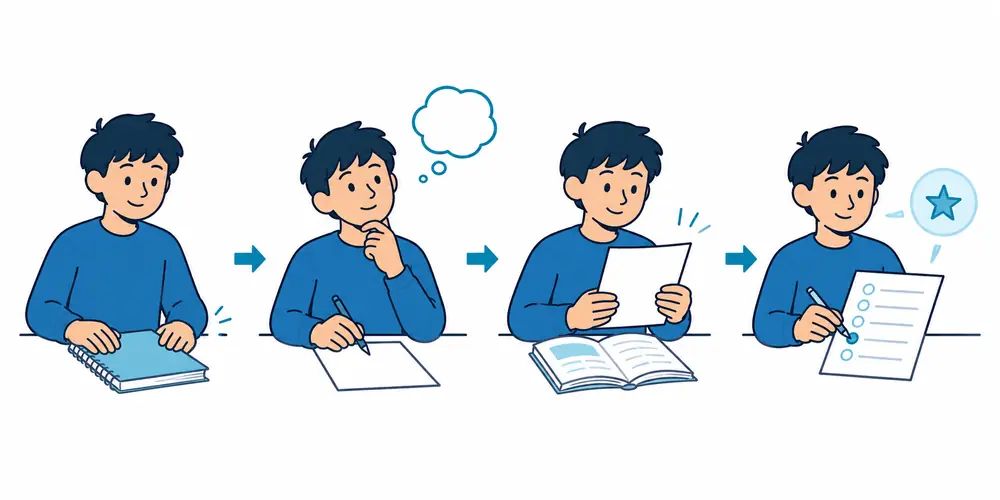
Add examples and fresh practice
Include one worked example when a process has several steps. Explain the reason for each step, not only the final result.
Then add a fresh problem without the solution. Change the numbers, context, or evidence. Real learning survives a new example.
For reading subjects, add a short claim and supporting evidence. For languages, place words in sentences and short conversations.
Do not copy protected questions from commercial books. Create original practice from the learning goal. Honesty is the best policy.
Can AI make a study guide for free?
Some AI tools offer free access or limited free use. They can organize notes, suggest questions, create tables, and explain ideas.
AI can also invent facts or miss course priorities. Check every important statement against the original material.
Give the tool a narrow task. Ask for five recall questions from your verified notes. Keep answers separate and request simple wording.
Never upload private student records, protected course files, or personal identification. A shortcut should not create a privacy problem.
Should you use a free study guide template?
A template can save setup time. It should include goals, key ideas, examples, questions, answers, weak topics, and review dates.
Remove boxes that do not serve the subject. Add space for diagrams or calculations when needed.
A template is a frame, not the painting. Content choices still determine quality.
Test one topic before building the whole guide. Fix the layout while changes are easy. A stitch in time saves nine.

Make the guide easy to read
Use clear headings, readable text, and strong color contrast. Do not shrink text to fit more material.
Use color for categories, not decoration. Add labels because color alone may not communicate meaning.
Keep images relevant and provide descriptive alt text in digital guides. Explain important diagrams in nearby words.
Check the guide on a phone and printed page when both formats matter. The devil is in the details.
Check accuracy before studying
Compare each learning goal with the syllabus or official outline. Confirm names, dates, formulas, and definitions.
Work the practice questions and verify the key. Ask a teacher about unclear disagreements.
Mark material that may change. Add a source link and last-checked date. This matters for technology, law, health, and current exams.
Do not let polished design create false trust. All that glitters is not gold.
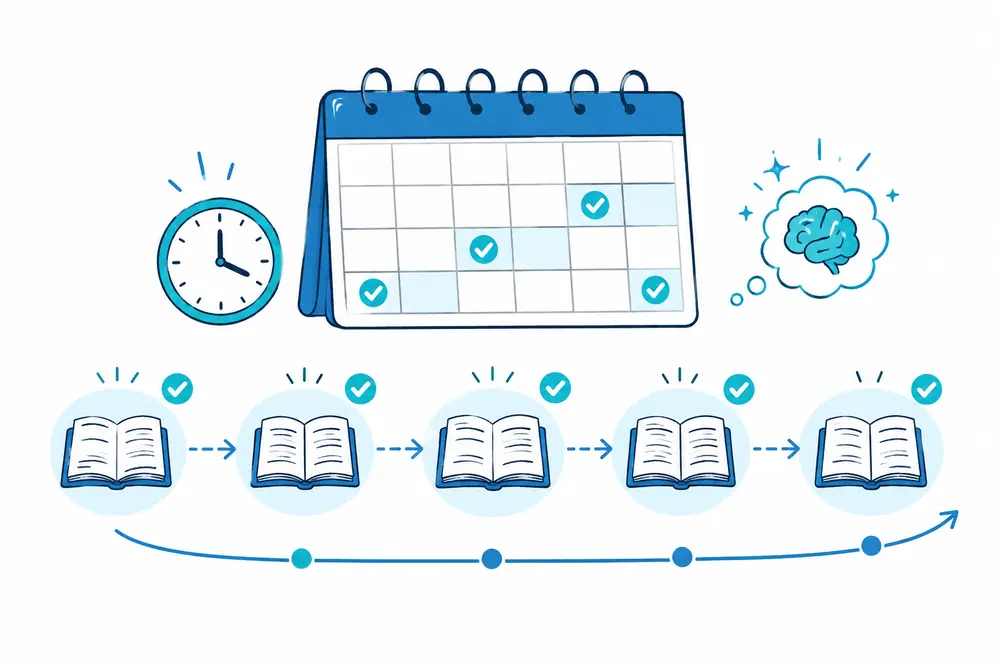
Schedule spaced reviews
Set the first review soon after building the guide. Begin with recall, not rereading.
Return after a growing gap. Focus on unsure and not-ready topics. Remove mastered material only after success across several sessions.
Mix question types near the exam. This forces you to choose the method without a heading giving it away.
Keep sessions short enough to stay focused. Slow and steady wins the race.
Cornell University outlines effective study strategies that include retrieval and distributed practice.
Export and back up your study guide
Save an editable copy and a stable export. A PDF preserves layout, while the original file supports updates.
Use clear names with the subject and version. Keep one current file instead of several confusing copies.
Store a backup in a trusted location. Check sharing permissions before sending a link.
Remove private notes before sharing publicly. Better safe than sorry.
Common mistakes when making a free guide
Copying every note creates a shorter textbook, not a guide. Select the material tied to learning goals.
Designing before planning wastes time. Build questions and examples first. Improve the appearance later.
Checking answers too quickly weakens practice. Give yourself a fair attempt. The proof is in the pudding.
Using one unverified AI output can spread errors. Check the source material every time.
Make a free math study guide
List formulas with the meaning of each symbol. Add one worked example that explains every operation.
Create fresh problems without visible answers. Mix straightforward questions with word problems and unfamiliar layouts.
Keep an error section for signs, units, skipped steps, and misunderstood rules. Correct the reason, not only the answer.
Use a spreadsheet when tables or repeated calculations help. Practice makes perfect when feedback stays honest.
Make a free science study guide
Organize the guide around systems, processes, causes, evidence, and key vocabulary. Add diagrams when location or sequence matters.
Cover labels and rebuild each diagram from memory. Explain what changes when one part of the system changes.
Keep calculations with units and worked reasoning. Separate observed evidence from the explanation built from it.
Verify current facts against assigned material. Do not let a colorful diagram hide a missing concept.
Make a free history study guide
Use a timeline for order, then add causes, consequences, and evidence. Dates are anchors, not the whole story.
Create comparison tables for events, leaders, policies, or movements. Add questions that require a claim and supporting facts.
Record short source references beside key evidence. Avoid copying long passages when a focused note will work.
Ask why an event mattered and who experienced it differently. Every coin has two sides.
Make a free language study guide
Group words by situation and meaning. Place each word inside a sentence instead of studying an isolated list.
Add grammar patterns with two examples and one new prompt. Include listening and speaking when the course tests those skills.
Practise recall in both directions. Explain the target language, then create it from an idea.
Use trusted audio for pronunciation. Actions speak louder than words.
Make a one-page study guide
Choose one small unit. Divide the page into goals, key ideas, examples, questions, errors, and next review.
Use short wording and readable text. Remove repeated examples instead of shrinking the font.
Leave useful blank space for calculations or recall. A crowded page makes priorities harder to see.
If the topic does not fit, split it. Do not force ten pounds into a five-pound bag.
Build a free guide with a study group
Assign sections by learning goal. Give every member the same source and formatting rules.
Review each section together for accuracy and overlap. One person should check the final structure and answer key.
Use comments for questions instead of silently changing uncertain facts. Track the source beside important claims.
Test each other without notes after the guide is complete. Many hands make light work.
Revise the guide after practice
Mark missed questions and weak explanations. Add one correction and a fresh question for each repeated error.
Remove clutter that never supports recall or application. Shorten sections you already understand well.
Update examples when the original becomes too familiar. Memory of the page can hide weak understanding.
Let evidence shape the next version. What gets measured gets managed.

Share a study guide safely and legally
Share only material you created or have permission to distribute. Link to copyrighted sources instead of copying them.
Remove names, grades, teacher comments, and private account details. Check link visibility before sending it.
Explain the guide’s course, level, date, and limits. Another learner should know whether it matches their goal.
Keep an editable master and share a stable copy. Better safe than sorry.
Test the finished study guide
Confirm that every learning goal has an explanation and practice. Check that every practice item has useful feedback.
Complete a section without notes. Notice whether the guide supports recall, explanation, and application.
Ask a classmate or teacher to inspect one sample section. Fresh eyes can spot unclear wording.
Fix the weakest part before decorating the guide. The proof is in the pudding.
Keep the guide useful over time
Add new material after each lesson or assignment. Small updates prevent a last-minute rebuilding job.
Record a version date. Archive old copies when course objectives change, but keep one clear current file.
Review sharing permissions and broken links. Replace sources that are no longer available or current.
A well-maintained guide becomes a working map, not a dusty snapshot. A stitch in time saves nine.
Convert messy notes into a clean guide
Work through one lesson at a time. Highlight the goal, key idea, example, teacher feedback, and unresolved question.
Move only those parts into the guide. Rewrite ideas without looking, then compare your version with the original notes.
Combine repeated points and remove classroom details that do not support the goal. Keep exact wording where definitions require it.
Turn the final headings into questions. Order creates calm from the chaos.

Make a guide from a textbook chapter
Read the objectives, headings, summary, diagrams, and review questions first. These features reveal the chapter structure.
Choose the sections tied to your course. Write a short explanation and one recall question after each small part.
Add page references for details you may need later. Do not copy whole paragraphs into the guide.
Finish with a blank diagram, comparison, or fresh problem. Reading is the doorway, not the destination.
Make a guide from lecture material
Review slides, notes, examples, and teacher emphasis. Mark ideas repeated across several lessons.
Connect each example with the rule it demonstrates. Add questions that use the same skill with new details.
Record unclear points for the next class or office hour. Do not guess when the source can clarify.
Update the guide soon after the lecture. Strike while the iron is hot.
Final quality checklist
Confirm every learning goal has a clear explanation, useful example, recall prompt, practice, and feedback. Check important facts against trusted sources.
Hide answers and complete a real attempt. Mark weak topics and schedule another review after a gap.
Test readability on the device or page you will use. Check alt text, captions, contrast, links, and sharing permissions.
Remove anything that never helps learning. A clean guide should point toward action.
Free study guide maker FAQ
What is the easiest free tool?
A basic document editor works for most learners. It supports headings, tables, images, questions, and printing.
Can I make a study guide on my phone?
Yes. Use a note or document app with syncing. Keep the layout simple and test it on the small screen.
Can I make a printable guide for free?
Yes. Export a document or presentation as a PDF. Check margins and page breaks before printing.
Is a free AI guide reliable?
It can help with structure and questions. Verify facts, examples, and answer keys against trusted course sources.
Read next
Find trustworthy free material for your new guide.

The final takeaway
Begin with one lesson today. A small complete guide section teaches more than an empty template covering twenty future chapters.
Keep the editable source and one clean export. Update both after important corrections, then remove confusing duplicate versions from your study folder.
The finished guide should make the next action obvious. A clear question, honest attempt, useful check, and planned review form the learning loop.
You do not need paid software to make a strong study guide. Start with goals, verified sources, clear summaries, recall questions, and fresh practice.
Choose the simplest tool that supports those actions. Test one topic, improve the structure, and schedule the next review. Why build a fancy container before checking what belongs inside?