

You may have heard the word cruciferous tossed around. It sounds technical, a little clinical, and vague. So what are cruciferous vegetables, and why the fuss? The honest answer is simpler than it sounds.
Rather than memorize a science term, picture your plate. Broccoli, cabbage, and kale are the stars. They all belong to one big family. This links to the most nutrient-dense leafy greens.
Here is the honest answer. Cruciferous vegetables are a plant family with cross-shaped flowers. The group includes broccoli, cauliflower, cabbage, and kale. They are rich in fiber, vitamins, and plant compounds. Many carry special sulfur compounds too. They are among the most studied vegetables around.
This guide covers what makes them special. You will meet the main family members. We will bust a few common myths too. It pairs well with a look at the best vegetables to eat.
So what are cruciferous vegetables?
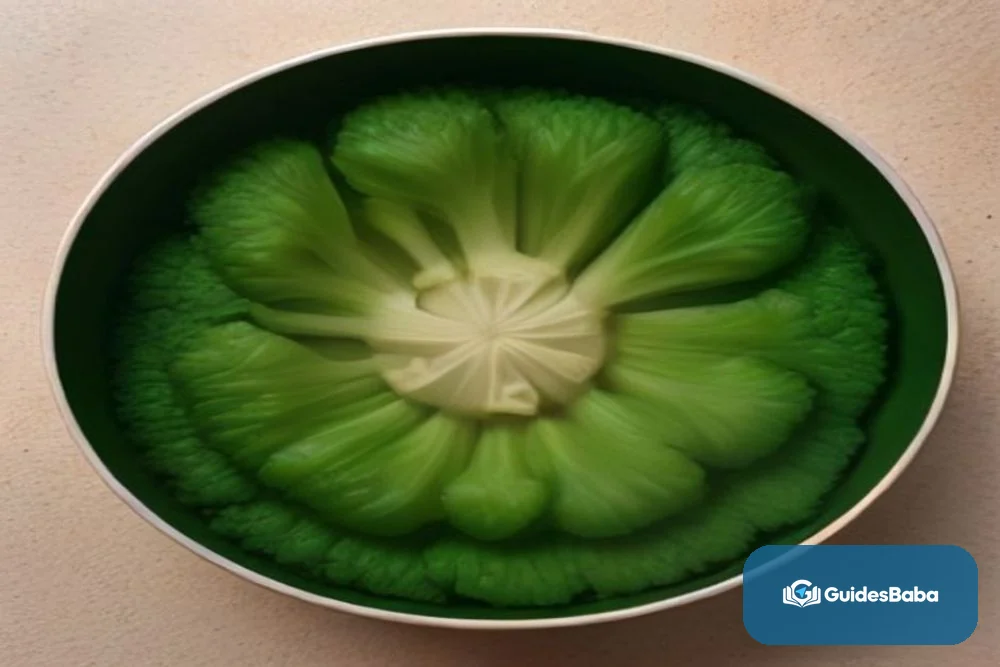
The honest answer is a plant family name. They belong to the brassica group of plants. Their flowers form a small cross shape. That cross gives the family its name. Broccoli and cabbage are classic members.
Think of them as close cousins on a plate. They share a similar taste and structure. Many have a mild peppery bite. That flavor comes from natural plant compounds.
Are they all green and leafy? Not really, since the family is quite varied. It includes roots, buds, and leaves. Radishes and turnips join the club too.
Why the cruciferous family stands out
Cruciferous vegetables get a lot of attention. Researchers study them more than most vegetables. Their unique compounds spark real curiosity.
They pack fiber and vitamins into few calories. They also carry sulfur-based plant compounds. Those compounds give the sharp smell and taste. They set this family apart.
So the family earns its healthy reputation. It offers variety across many dishes. You can eat a different one daily. Few vegetable groups are so flexible.
Did you know?
The name cruciferous comes from the Latin for cross. Their four petals form a small cross shape.
Broccoli: the familiar favorite
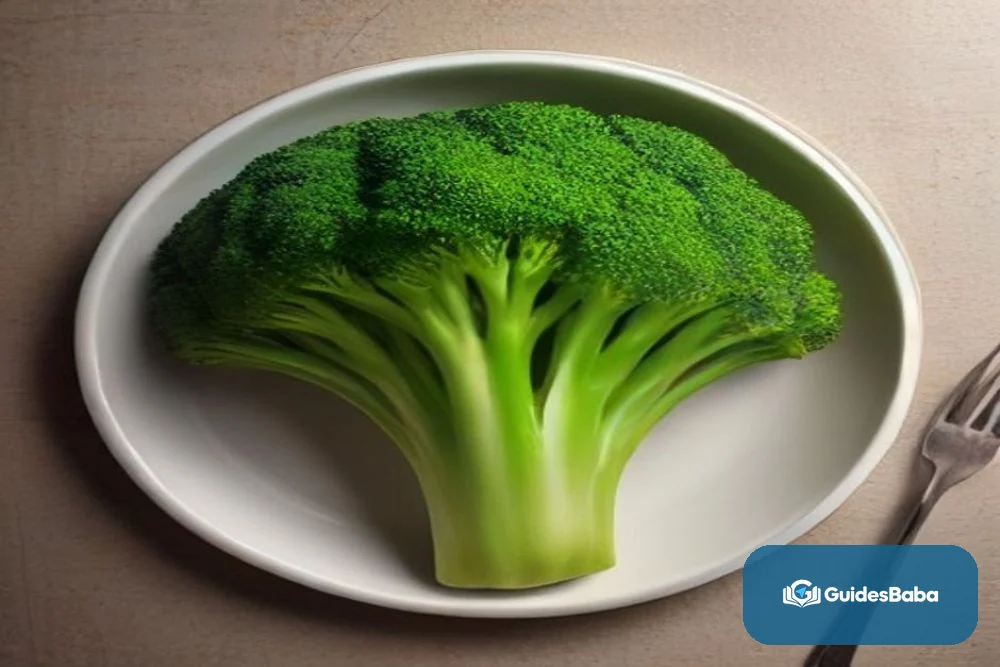
Broccoli is the poster child of the family. Most people know its little green trees. It is easy to find everywhere.
Broccoli brings fiber, vitamin C, and folate. It also carries the famous sulfur compounds. Light steaming keeps it bright and tender. Do not boil it into mush.
Steam broccoli and add a squeeze of lemon. Roast it for a nutty, crisp edge. Toss it into pasta or stir-fry. A little seasoning goes a long way. Even picky eaters often warm to roasted broccoli.
Cauliflower: the versatile cousin
Cauliflower is broccoli’s pale, mild cousin. Its gentle flavor suits many dishes. It has become a kitchen favorite.
Cauliflower blends into soups and mashes well. It roasts into golden, tasty florets. People use it as a rice swap. Its mild taste welcomes bold spices.
Roast cauliflower with a little oil and salt. Blend it into a creamy soup. Grate it as a light rice substitute. This vegetable adapts to almost anything. Its neutral taste soaks up any seasoning.
Cabbage: humble and hardy

Cabbage is cheap, sturdy, and long-lasting. It keeps for weeks in the fridge. That makes it a reliable staple.
Cabbage brings fiber, vitamin C, and crunch. Green, red, and savoy types all count. Raw cabbage adds bite to slaws. Cooked cabbage turns soft and sweet.
Shred cabbage into a fresh, crunchy slaw. Stir-fry it with garlic and oil. Add it to soups and stews. A single head stretches across many meals. Cabbage rewards a tight grocery budget.
Kale and other leafy crucifers
Kale carried the healthy-food spotlight for years. It is sturdy, leafy, and deeply green. Other leafy crucifers deserve attention too.
Kale, collards, and bok choy belong here. They pack fiber and useful plant compounds. Massaging kale softens its tough leaves. A little oil tames the bitterness.
Toss kale into soups near the end. Bake it into crisp little chips. Add bok choy to a quick stir-fry. Leafy crucifers reward a gentle touch.
Brussels sprouts and their comeback

Brussels sprouts once had a bad name. Overboiling made them soft and bitter. Roasting has fixed their reputation nicely.
Sprouts bring fiber, vitamin C, and flavor. High heat brings out a sweet, nutty side. Crisp edges make them genuinely craveable. Do not boil them to mush.
Halve the sprouts and roast them hot. Finish with a splash of vinegar. Even old skeptics come around fast. A little char changes everything. The crispy outer leaves are the best part.
Radishes, turnips, and root crucifers
The family reaches underground as well. Radishes, turnips, and rutabaga all belong. They add variety beyond the green tops.
Radishes bring a crisp, peppery bite. Turnips turn sweet and mellow when roasted. These roots store well for weeks. They stretch a grocery budget nicely.
Slice radishes thinly over salads and tacos. Roast turnips alongside other vegetables. These roots deserve a spot too. They bring color and gentle spice. Roasting mellows their sharp raw edge.

The nutrients cruciferous vegetables offer
Cruciferous vegetables punch above their weight. They carry fiber for your gut. They also bring vitamins and minerals.
Many hold vitamin C, vitamin K, and folate. They add potassium and gentle plant compounds. All this comes with very few calories. That combination is hard to beat.
So a serving does a lot of work. It fills you up and feeds you well. Variety across the family widens the benefit. Different members bring different gifts. A rotating mix keeps your plate interesting.
The famous sulfur compounds
These vegetables carry special sulfur compounds. Scientists call them glucosinolates. They give the sharp smell and peppery taste.
Chopping and chewing activate these compounds. Researchers study them with great interest. The base vegetable stays wholesome regardless. Enjoy the flavor they provide.
So the strong aroma is a feature. It signals the family’s unique chemistry. This is not medical advice. See a professional. Simply enjoy these vegetables as food.
Raw versus cooked cruciferous vegetables
People ask whether to eat these raw or cooked. The honest comparison is about methods, not brands. Both approaches have real merits.
| Raw cruciferous vegetables | Cooked cruciferous vegetables |
|---|---|
| Keeps heat-sensitive vitamin C | Softer and easier to digest |
| Crunchy with a sharp bite | Milder and sweeter in flavor |
| Great in slaws and salads | Great roasted, steamed, or stir-fried |
| Can feel harsh for some guts | Gentler on a sensitive stomach |
Neither method is the clear winner. Raw keeps crunch and certain vitamins. Cooking softens texture and eases digestion. Mixing both gives you the best of each.
How to cook them without the smell
The strong smell puts some people off. Overcooking is usually the real culprit. Gentle methods keep things pleasant.
Steam lightly instead of boiling long. Roast at high heat for sweetness. Stir-fry quickly to keep them crisp. Short cooking times reduce the odor.
Add garlic, lemon, or spices for lift. Do not walk away and overcook. A few minutes is often enough. Bright flavor replaces any harsh smell. A hot oven does most of the work.
Digestion and the gas question

Some people notice gas after eating them. The fiber and compounds can cause this. It is common and usually harmless.
Cooking makes them easier to digest. Start with smaller portions if needed. Chew slowly and drink water alongside. Your gut adjusts over time. Patience usually solves the problem.
Build up your intake gradually. Pair them with familiar, gentle foods. Most people settle in quickly. Comfort improves as the habit grows. A slow start makes the transition smooth.
A quick history of cruciferous vegetables
Humans have eaten these vegetables for ages. Wild cabbage is the shared ancestor. Farmers shaped it into many forms.
Broccoli, cauliflower, and kale share that origin. Careful breeding created their different shapes. One plant became a whole family. That story is genuinely remarkable.
So your plate holds real history. These vegetables traveled across continents and centuries. They fed countless generations before us. Tradition and nutrition meet on the plate.
Buying and storing cruciferous vegetables
Smart buying keeps these vegetables fresh longer. Look for firm heads and bright color. Avoid yellowing leaves and soft spots.
Store most crucifers in the fridge crisper. Keep them dry to prevent spoilage. Use leafy types within a few days. Sturdy cabbage lasts much longer.
Buy a mix of quick and hardy types. Eat the delicate ones first. Save cabbage and roots for later. A little planning cuts waste. This simple order keeps your fridge tidy.
Easy ways to eat more
Adding these vegetables can be simple. Roast a tray to keep in the fridge. Toss them into meals all week.
Blend cauliflower into a creamy soup. Shred cabbage for a quick slaw. Add broccoli to pasta and rice bowls. Small moves build a steady habit.
Keep frozen florets on hand too. See the foods to eat every day for ideas. Easy access keeps the habit alive.
Common mistakes people make
One common mistake is boiling them too long. Overcooking creates the strong smell and mush. Light steaming or roasting works better. Treat these vegetables gently.
Another mistake is drowning them in heavy sauce. Rich toppings can cancel the benefit. Use herbs, lemon, and light oil instead. Let the natural flavor shine.
Some people also give up after one bad dish. A single soggy plate is not the verdict. Try a new cooking method next. Roasting often wins skeptics over.
Who should take extra care
Most healthy adults can enjoy these freely. Still, everyone has unique needs and goals. Some people manage thyroid or gut conditions. A general guide cannot cover every case.
Certain conditions and medicines change the picture. Some people limit very large amounts. Your doctor knows your situation best. Personal advice beats any generic plan.
Use this guide as a friendly starting point. Adjust it to fit your life. Explore how colours provide different nutrients too. Make the habit truly yours.
Frequently asked questions
What counts as a cruciferous vegetable?
Broccoli, cauliflower, cabbage, and kale all count. Brussels sprouts, radishes, and turnips join them.
Why are they called cruciferous?
The name comes from the Latin for cross. Their four petals form a small cross.
Are cruciferous vegetables good for you?
They offer fiber, vitamins, and plant compounds. Most people benefit from eating them regularly.
Should I eat them raw or cooked?
Both work well and offer different perks. Mixing raw and cooked gives balanced benefits.
Why do they cause gas?
Their fiber and compounds can create gas. Cooking and smaller portions usually help.
How do I stop the strong smell?
Avoid overboiling these vegetables. Steam lightly or roast them at high heat.
Is broccoli the healthiest cruciferous vegetable?
Broccoli is excellent but not the only star. Variety across the family serves you best.
Can I eat them every day?
Most people can enjoy them daily. Balance them with other colorful vegetables.
Are frozen cruciferous vegetables healthy?
Yes, frozen florets are a great choice. They often match fresh for nutrients.
How much should I eat?
Aim for a few servings across the week. See a professional for personal advice.
The bottom line
So what are cruciferous vegetables? They are a plant family with cross-shaped flowers. The group includes broccoli, cauliflower, cabbage, and kale. They bring fiber, vitamins, and unique sulfur compounds.
You do not need to eat them perfectly. Roast, steam, or shred them your way. Mix several members across the week. Small habits truly do add up.
For more background, see this overview of cruciferous vegetables as a group. You can also read about the brassica plant genus. Trusted sources help guide smart choices.
This is general information and not medical advice. See a professional for your personal needs. Roast a tray of broccoli today. Build the habit one plate at a time. Your future self will thank you.