
Walk past any vegetable stall and the colours pop. Reds, greens, oranges, and purples fight for attention. So do different colours of vegetables provide different nutrients? The honest answer is a cheerful yes.
Rather than picking one colour, think like a painter. Each shade tends to carry its own gifts. Eating a range covers more ground. This ties into the benefits of fruits and vegetables.
Here is the honest answer. Yes, colour often signals a different mix of nutrients. Green, red, orange, purple, and white each lean toward certain compounds. No single colour covers everything you need. Eating a rainbow fills the gaps naturally. Variety matters far more than any single shade.
This guide covers what each vegetable colour offers. You will see why the rainbow idea works. We will bust a few colour myths too. It pairs well with a look at essential nutrients.
So do different colours of vegetables provide different nutrients?
The honest answer is a clear yes. Colour comes from natural plant pigments. Those pigments often carry helpful compounds. Different colours mean different pigment families. So each shade leans toward its own gifts.
Think of colour as a friendly label. It hints at what is inside. No colour is complete on its own. The gaps close when you mix them.
Does one colour beat all the rest? Not really, and variety serves you best. Each shade brings something the others lack. Aim for a rainbow across the week.
Why colour signals nutrients
Plant colours come from natural pigments. These pigments are more than pretty paint. Many double as helpful plant compounds.
Green comes from chlorophyll in leaves. Red and purple come from other pigment families. Orange comes from carotenoid pigments. Each family tends to bring its own benefits.
So colour works as a quick shortcut. A varied palette means varied nutrients. Just do not expect one magic shade. Real health grows from many small choices.
Did you know?
The pigments that colour vegetables are often plant compounds themselves. Eating many colours gathers many of these compounds.
Green vegetables and their gifts
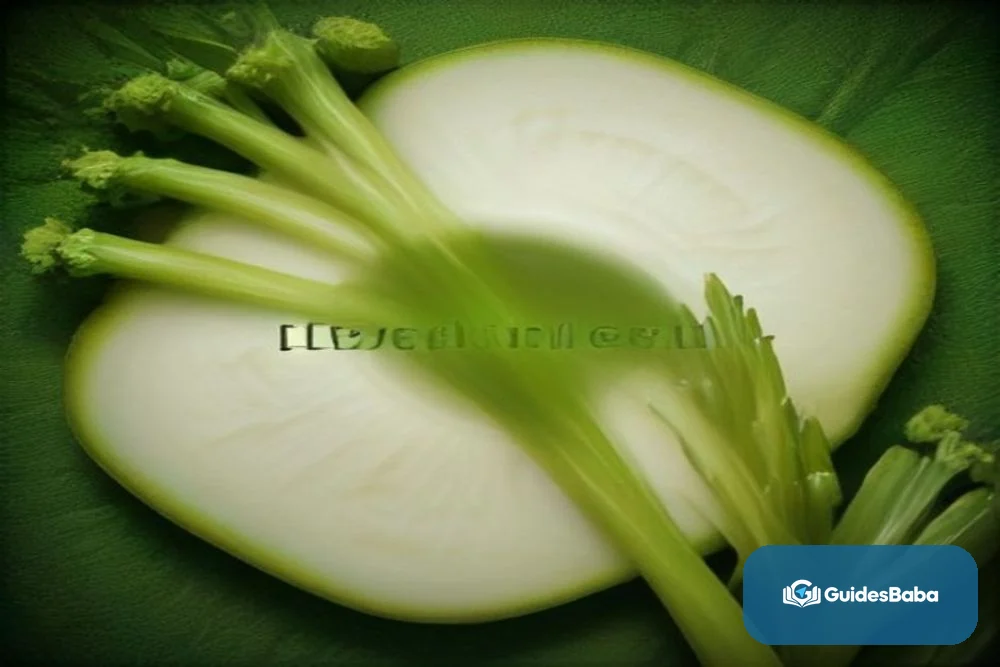
Green is the classic health colour. It comes from chlorophyll in the leaves. Think spinach, broccoli, and green beans.
Green vegetables often carry folate and vitamin K. Many leafy greens add fiber and calcium. Darker greens usually pack the most. Broccoli even brings a little protein.
Fill part of your plate with green. Steam broccoli or saute some spinach. Green pairs well with almost anything. It is an easy daily win. Frozen green beans keep this simple.
Red vegetables and their pigments
Red vegetables bring bold, cheerful colour. Tomatoes, red peppers, and radishes lead the group. Their colour comes from red pigments.
Tomatoes are famous for a pigment called lycopene. Red peppers add a big dose of vitamin C. Cooking tomatoes can boost their lycopene. A little oil helps absorption.
Roast red peppers for a sweet treat. Simmer tomatoes into a simple sauce. Red adds warmth to any plate. It brightens both flavor and looks. Radishes add a crisp, peppery bite.
Orange and yellow vegetables
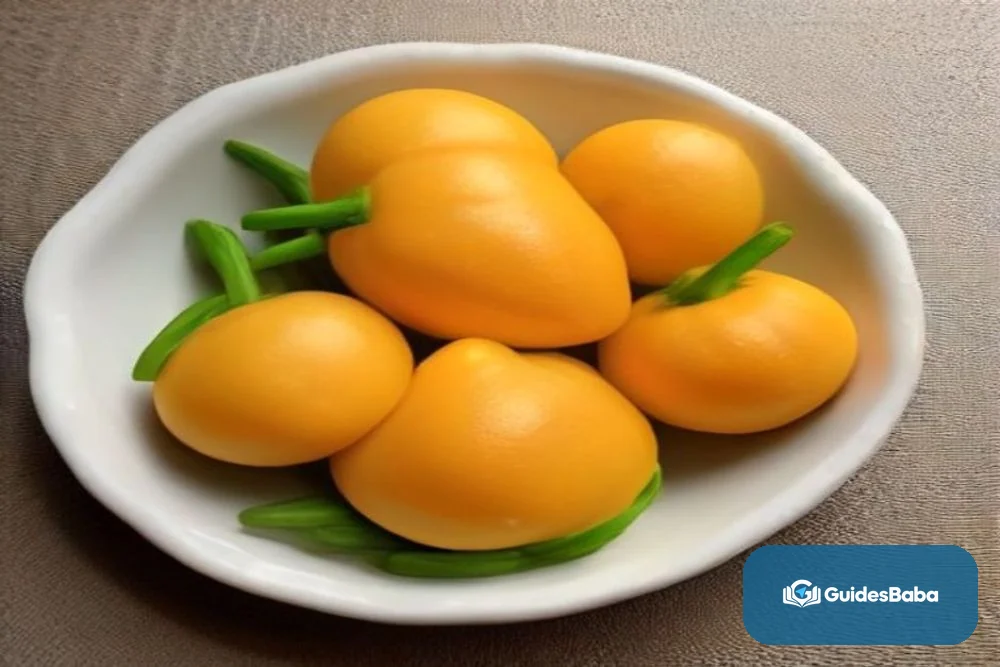
Orange and yellow vegetables glow with warmth. Carrots, sweet potatoes, and squash lead here. Their colour comes from carotenoid pigments.
These pigments help the body make vitamin A. Carrots and sweet potatoes are rich sources. A little fat improves absorption a lot. Roasting brings out their natural sweetness.
Roast carrots and squash until tender. Bake a sweet potato for dinner. Orange vegetables feel cozy and filling. They suit both savory and sweet dishes. Grated carrot brightens almost any salad.
Purple and blue vegetables
Purple vegetables look dramatic and rich. Purple cabbage, eggplant, and beets stand out. Their colour comes from anthocyanin pigments.
These deep pigments act as plant antioxidants. Purple cabbage adds crunch and vitamin C. Beets bring fiber and an earthy sweetness. The bold colour hints at plant compounds.
Shred purple cabbage into a slaw. Roast beets until soft and sweet. Purple makes a plate feel special. It also pairs nicely with green. Eggplant soaks up sauce beautifully.
White and brown vegetables
White vegetables get unfairly overlooked. Cauliflower, onions, garlic, and mushrooms belong here. Pale does not mean empty.
Onions and garlic carry helpful sulfur compounds. Cauliflower adds fiber and vitamin C. Mushrooms bring an earthy, savory depth. This group flavors many dishes.
Roast cauliflower until golden and crisp. Build a base with onion and garlic. White vegetables anchor many meals. They deserve a spot on your plate. Mushrooms add a meaty, savory depth.
What phytonutrients actually are
Phytonutrients are natural plant compounds. The word simply means plant nutrients. Many give vegetables their colour.
These compounds are not classic vitamins. They still seem to support good health. Different colours carry different phytonutrient families. Variety gathers a wider range.
So chasing colour is a smart shortcut. It quietly spreads your phytonutrient net wide. This connects to the cruciferous vegetables family too.

The idea of eating a rainbow

Eating a rainbow is a simple slogan. It means choosing many vegetable colours. The idea is easy to remember.
Each colour fills a different nutrient gap. Together they cover a wide range. You do not need every colour daily. Aim for a spread across the week.
Picture your plate as an artist palette. Add a green, a red, an orange. A colourful plate is usually a balanced one. The eyes and body both win. Children often eat more when plates look fun.
How many colours per day
People often ask for a colour target. There is no strict daily rule. A simple aim helps you start.
Try for two or three colours each meal. Reach for four or five across the day. Do not stress over a perfect count. Spread the colours through the week.
Keep the goal loose and playful. A colourful plate beats careful math. Progress matters more than precision. Small wins add up fast. Treat each new colour as a small victory. Momentum keeps the habit alive.
Does cooking change the colours?

Cooking can shift both colour and nutrients. Some pigments fade with long heat. Others become easier to absorb.
Gentle cooking keeps colours bright and lively. Overcooking dulls the shade and texture. Some compounds, like lycopene, rise with heat. There is no single perfect method.
Steam or roast to protect the colour. Eat some vegetables raw for balance. Mixing methods gives the best of both. Variety wins here as well. A little oil helps some pigments absorb. Do not fear a quick saute.
Do the colours mean specific benefits?
Colours hint at benefits, but gently. A shade is a clue, not a promise. Real bodies are wonderfully complex.
No single colour cures or fixes anything. Benefits come from a varied whole diet. Treat colour as a helpful guide. Do not expect miracles from one shade.
This is not medical advice. See a professional. Use colour to inspire variety. Let balance do the heavy lifting.
Eating by colour versus eating by food group

People sort vegetables in two main ways. One tracks colours across the plate. The other counts classic food groups.
| Eating by colour approach | Eating by food group approach |
|---|---|
| Aim for many pigment shades | Aim for balanced classic groups |
| Visual and easy to remember | Structured and familiar to many |
| Spreads phytonutrients naturally | Ensures balance across the day |
| Fun and playful for families | Clear for planning full meals |
Eating by colour is simple and visual. Eating by group keeps meals balanced. Many people happily blend both. Use whichever keeps you eating well. The best method is the one you follow.
Building a colourful plate
A colourful plate is easier than it sounds. Start with a green base. Add one warm colour next.
Toss in a red or orange vegetable. Finish with a purple or white pick. Suddenly your plate looks like a rainbow. The variety takes care of itself. A mixed stir-fry does this in minutes. Leftover vegetables work perfectly here.
Keep mixed vegetables ready in the fridge. A quick stir-fry can hit four colours. See the foods to eat every day too.
Common colour myths and mistakes
One common myth says one colour is best. No single shade wins every category. Variety beats any single favorite. Balance quietly does the real work.
Another mistake is ignoring pale vegetables. White and brown picks still count. Onions, garlic, and cauliflower bring real value. Do not skip them for looks.
Some people also overcook their vegetables. Long boiling dulls colour and nutrients. Cook briefly to keep the shade bright. Bright colour usually means better texture.
Colourful eating on a budget
A rainbow does not require big spending. Frozen mixed vegetables bring several colours. They cost less and cut waste.
Seasonal vegetables are cheaper and tastier. Cabbage, carrots, and onions stretch far. Canned tomatoes add red for little cost. Buy in season and freeze extras.
Plan simple meals around sales. Grab whatever colours are affordable. Smart shopping keeps the rainbow easy. A stocked kitchen prevents last-minute junk. Frozen bags mean colour is always ready.
Do supplements match real colour?
Some people hope pills can replace vegetables. Supplements cannot fully copy whole produce. Real colour brings far more together.
Whole vegetables carry pigments, fiber, and water. Pills isolate only a few compounds. Food delivers them in helpful combinations. Chewing and fullness matter too.
Use supplements only to fill real gaps. They support a diet, not replace it. This links to the best and worst vegetables to eat.
Who might need to adjust choices
Colourful vegetables suit most healthy adults well. Still, everyone has unique needs and goals. Some conditions change which foods fit. Certain vegetables are high in vitamin K.
People on some medications should stay consistent. Sudden big changes can matter for treatment. Your doctor knows your situation best. Personal advice beats any generic plan.
Use this guide as a friendly starting point. Adjust it to fit your life. Listen to your body and tastes. Make the habit truly yours.
Frequently asked questions
Do vegetable colours really mean different nutrients?
Yes, colours often signal different plant compounds. Eating a range covers more nutrients.
What do green vegetables give me?
Green vegetables often carry folate and vitamin K. Many also add fiber and calcium.
Why are orange vegetables good?
Orange vegetables carry carotenoid pigments. The body uses them to make vitamin A.
What makes purple vegetables special?
Purple vegetables carry anthocyanin pigments. These deep pigments act as plant antioxidants.
Do white vegetables count?
Yes, white vegetables count fully. Onions, garlic, and cauliflower bring real value.
What does eating a rainbow mean?
It means choosing many vegetable colours. Each colour fills a different nutrient gap.
Does cooking destroy the nutrients?
Cooking changes some nutrients, not all. Light cooking can even boost certain ones.
How many colours should I eat daily?
Aim for two or three colours per meal. Spread more across the whole week.
Are supplements as good as colourful vegetables?
No, supplements cannot fully replace produce. Whole food brings far more together.
Which colour is the healthiest?
No single colour wins overall. Variety across colours matters most of all.
The bottom line
So do different colours of vegetables provide different nutrients? Yes, each shade leans toward its own gifts. Green, red, orange, purple, and white all differ. No single colour covers everything you need.
Colour is a helpful guide, not a strict rule. Chase variety instead of any single shade. A plate full of colours beats a plain one. Small habits truly do add up.
For more background, see this overview of a phytochemical. You can also read about carotenoids and their pigments. Trusted sources help guide smart choices.
This is general information and not medical advice. See a professional for your personal needs. Start by adding one new colour today. Build the habit one bright plate at a time. Your future self will thank you.