
Protein powders line every shop shelf, yet real food often wins. So what foods are naturally high in protein? Many people reach for supplements first. Whole foods can do the heavy lifting instead. Your kitchen already holds plenty of options.
Rather than chase fancy products, start with your plate. Nature packs protein into many everyday foods. Some come from animals, others from plants. Variety covers your needs with ease.
Here is the honest answer. Naturally high-protein foods include eggs, dairy, meat, and fish. Beans, lentils, tofu, nuts, and seeds join them. Some grains and vegetables add smaller amounts. Mixing these covers your daily needs. You rarely need a powder at all.
This guide covers the best natural protein foods. You will see animal and plant options. We will compare the two broad approaches. Think of it as a simple shopping map.
So what foods are naturally high in protein?

The honest answer spans many food groups. Animal foods top the list for density. Plants offer plenty of protein too. Together they cover every need.
Think of protein foods as a broad toolbox. Each tool suits a different job. No single food has to do everything. The mix gets the work done. Your plate holds every tool you need.
Do you need meat for enough protein? Not at all, and that surprises many. Plants can carry serious protein weight. Many people underrate how much they offer.
What counts as a high-protein food
A high-protein food packs protein per serving. It gives real protein for its calories. Some foods are almost pure protein. Others mix protein with fats or carbs.
Animal foods usually rank as complete proteins. They hold every essential amino acid. Many plant foods are strong too. Combining plants fills any gaps.
You can explore a food that is almost pure protein here. It shows how dense protein can get. Density is only part of the story. Variety and balance matter just as much.
Did you know?
Some humble beans rival meat for protein per serving. Nature hides protein in surprising places.
Eggs and dairy
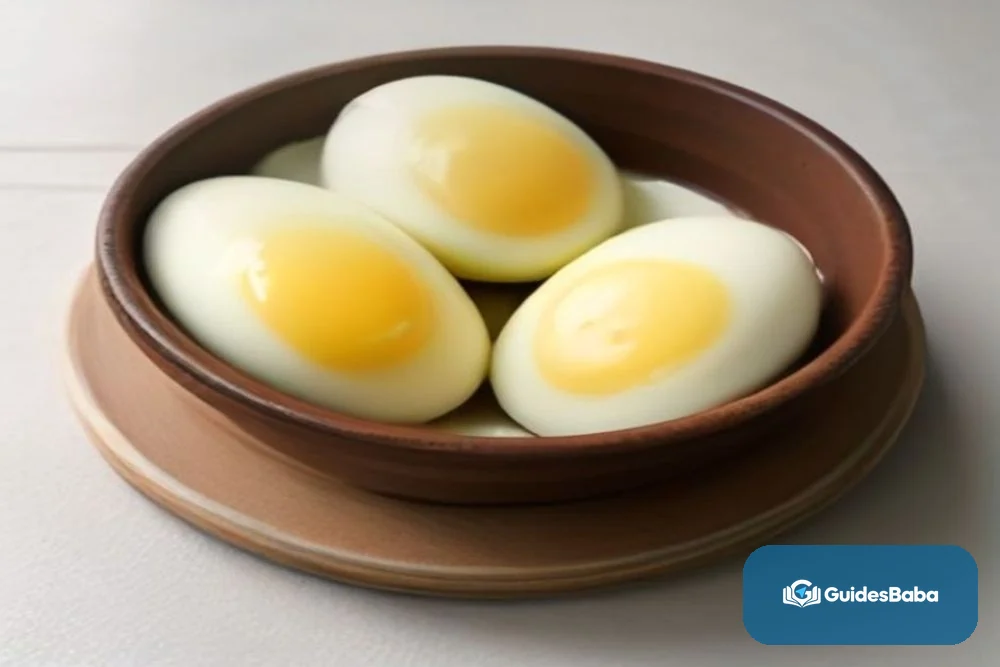
Eggs are a classic natural protein food. They are cheap, simple, and complete. One egg holds around six grams. Two eggs make a solid start. They cook in just minutes.
Dairy foods bring protein and calcium together. Milk, cheese, and yogurt all count. They fit easily into daily meals. A glass of milk adds real protein. Yogurt makes a handy snack too.
These foods suit many vegetarian eaters well. They pair nicely with plant proteins. Choose plain options where you can. Simple versions keep sugar low. That keeps the focus on protein.
Poultry and lean meats
Poultry is a protein powerhouse. Chicken and turkey pack dense protein. They carry little fat when lean. That makes them a popular choice.
Lean red meat provides protein too. It also brings iron and other minerals. Choose leaner cuts where possible. Moderation keeps the balance right.
These foods are complete proteins by nature. They support muscle repair well. A palm-sized portion suits most meals. Quality matters more than sheer size. Lean cuts give protein without excess fat.
Fish and seafood

Fish is a superb natural protein source. It delivers protein with healthy fats. Oily fish adds omega-3 fats too. That combination supports overall health.
Options range from salmon to humble tinned tuna. Shellfish also pack solid protein. Canned fish makes a cheap, quick choice. It stores well in any cupboard.
Aim to include fish across the week. It varies your protein sources nicely. Two servings a week is a common goal. This is general guidance, not medical advice.
Beans and lentils
Beans and lentils are plant protein stars. They pack protein with plenty of fiber. That fiber keeps you full and steady. Few foods offer such good value.
Chickpeas, black beans, and kidney beans all count. Lentils cook fast and taste great. They stretch meals and budgets alike. A can of beans is a quick win. Keep a few tins in the cupboard.
These foods are naturally low in fat. They suit vegetarian and vegan plates. Pair them with grains for balance. Together they round out amino acids. This classic pairing works around the world.
Tofu and soy foods
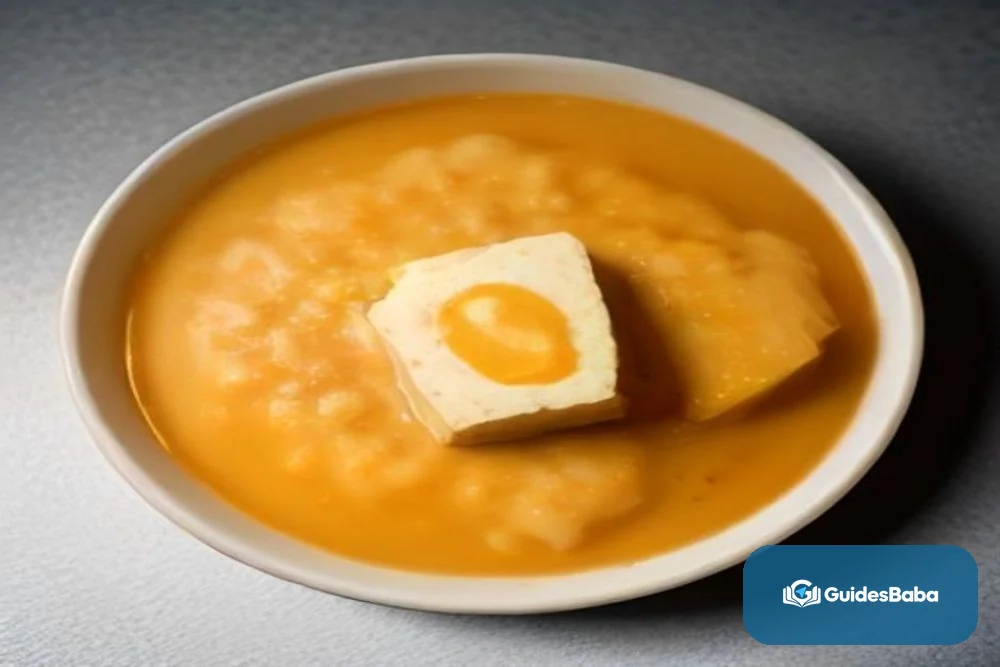
Soy foods stand out among plant proteins. Tofu is a complete protein source. It holds every essential amino acid. That is rare for a plant food.
Tempeh and edamame join the soy family. Each brings solid protein per serving. They soak up flavor beautifully. That makes them easy to cook. A quick marinade transforms plain tofu.
Soy foods suit vegan and vegetarian diets. They replace meat in many dishes. See more plant-based protein sources here. Variety keeps meals interesting.
Nuts and seeds
Nuts and seeds add protein and crunch. They carry healthy fats as well. A small handful makes a smart snack. They travel easily anywhere.
Almonds, peanuts, and pumpkin seeds all help. Chia and hemp seeds pack protein too. Nut butters spread protein onto toast. Small amounts still add up.
These foods are calorie dense, so watch portions. A handful is usually plenty. They boost the protein in many meals. Sprinkle them over yogurt or salad. A little adds protein and texture.

Whole grains with protein
Grains are not just carbohydrates. Many whole grains carry useful protein. They add smaller amounts than beans. Still, those amounts add up.
Quinoa is a standout among grains. It is a rare complete plant protein. Oats and whole wheat contribute too. They fuel you and feed your protein.
Pair grains with beans for a stronger plate. The two complete each other nicely. This classic combo works worldwide. Rice and beans is a fine example. Cultures worldwide rely on this pairing.
Greek yogurt and cottage cheese
Some dairy foods are protein superstars. Greek yogurt packs extra protein per serving. Cottage cheese does the same. Both make easy protein snacks.
These foods suit breakfast and snacks well. They pair with fruit or nuts. Plain versions keep added sugar low. A bowl of yogurt fills a gap fast.
They also bring calcium to the table. That supports bones alongside muscle. Keep some in the fridge always. Quick protein is then within reach. A spoonful covers a hungry moment.
High-protein vegetables
Vegetables are not big protein sources. Still, some carry more than others. Peas, broccoli, and spinach lead the pack. Every gram adds to your total.
These vegetables bring fiber and vitamins too. They round out a protein-rich plate. Their protein supports your daily total. Small contributions still matter. Every source adds to the total.
Do not rely on vegetables alone for protein. Pair them with denser sources. They shine as supporting players. Together the plate hits your target. Vegetables round out the meal nicely.
Animal protein versus plant protein
People often ask which protein type wins. The honest comparison is about categories, not brands. Animal and plant proteins each bring strengths.
| Animal-protein approach | Plant-protein approach |
|---|---|
| Usually complete on its own | Often needs mixing for completeness |
| Very dense protein per serving | Adds fiber along with protein |
| Brings iron, zinc, and B12 | Brings fiber and plant compounds |
| Can be higher in saturated fat | Usually lower in saturated fat |
Neither approach is simply better. A mix of both often works best. Choose foods that fit your life. Your tastes and budget should guide you.
Combining plant proteins
Most plant foods miss some amino acids. Combining them fixes that easily. Beans plus grains form a complete profile. This trick has fed people for ages.
You do not need to combine at each meal. Your daily total is what counts. Eat a variety across the day. The gaps fill themselves in.
Learn the difference between complete and incomplete protein here. It makes plant eating simpler. Variety is the quiet secret. Eat a broad range across the week.
High-protein snacks
Snacks are a great protein opportunity. The right ones lift your daily total. They also curb hunger between meals. Smart snacks work hard for you.
Try Greek yogurt or a boiled egg. A handful of nuts works too. Roasted chickpeas make a crunchy option. Each brings real protein along.
Keep a few options ready to grab. Preparation beats last-minute vending machines. Simple choices keep you on track. Protein snacks are easy wins. They keep hunger at bay too.
Building a high-protein plate
A high-protein plate starts with one anchor. Pick a dense protein food first. Build the rest of the meal around it. The plan stays simple.
Add vegetables and a whole grain next. Include a little healthy fat for flavor. This shape hits protein and balance. It works for almost any meal. Breakfast, lunch, and dinner all fit.
Spread protein across all your meals. That beats one giant serving. See foods worth eating in the protein-rich category here. Steady habits carry you forward.
Common mistakes people make
One common mistake is relying only on powders. Whole foods bring more nutrients along. Use supplements as a backup, not a base. Real food should lead. Powders only fill occasional gaps.
Another mistake is ignoring plant proteins. They are cheap, filling, and healthy. Skipping them narrows your options. Variety keeps meals interesting.
Some people also cram protein into one meal. Spreading it works better. Aim for protein at each meal. Balance beats a single big hit. Even amounts serve your body better.
Who should get personal advice
This general picture suits many healthy adults. Still, everyone brings unique needs to the table. Some people manage allergies or medical conditions. A general guide cannot cover every case.
Pregnancy, illness, and intense training change the picture. Protein needs can rise sharply then. Your doctor or dietitian knows your situation. Personal advice always beats a generic plan.
Use this guide as a friendly starting point. Adjust it to fit your body and life. This is general information, not medical advice. See a professional for your needs.
Frequently asked questions
What foods are naturally high in protein?
Eggs, dairy, meat, fish, beans, lentils, tofu, nuts, and seeds all qualify. Some grains help too.
What is the highest protein food?
Lean meats, fish, and eggs rank very high. Some soy foods lead among plants.
Can I get enough protein from plants?
Yes, varied plant diets meet protein needs well. Combine beans with grains for balance.
Are beans a good protein source?
Yes, beans pack protein and fiber together. They offer great value per serving.
Is fish a high-protein food?
Yes, fish delivers dense protein and healthy fats. Oily fish adds omega-3 fats too.
Do vegetables have protein?
Some do, like peas, broccoli, and spinach. They add smaller amounts to your total.
Which snacks are high in protein?
Greek yogurt, boiled eggs, and nuts work well. Roasted chickpeas make a crunchy option.
Is Greek yogurt high in protein?
Yes, Greek yogurt packs extra protein per serving. Plain versions keep added sugar low.
Do I need protein powder?
Most people meet needs with whole foods. Powders are a backup, not a base.
How do I build a high-protein meal?
Anchor the plate with one dense protein food. Add vegetables, a grain, and healthy fat.
The bottom line
So what foods are naturally high in protein? Eggs, dairy, meat, and fish lead the list. Beans, lentils, tofu, nuts, and seeds follow closely. Some grains and vegetables add more.
Build meals around these natural foods. Mix animal and plant sources for variety. Spread protein across your whole day. Real food rarely needs a powder. Nature already stocks your protein shelf.
For more background, read this overview of protein in nutrition. You can also learn about complete protein. Use trusted sources to guide your choices.
This is general information and not medical advice. See a professional for your personal needs. Pick one new protein food today. Your future self will thank you.