
Protein powders promise big numbers on the label. Some claim to be nearly pure protein. So which food is almost 100% protein? The truth is more interesting than the hype.
Rather than trusting flashy marketing, look at the real numbers. A few foods truly do sit near the top. They pack protein with very little else. That makes them stand out sharply.
Here is the honest answer. Egg white powder is close to pure protein. Whey and soy isolates also reach very high levels. Plain gelatin is nearly all protein by weight. Among whole foods, dried egg whites lead the pack. Very lean dried fish comes close behind.
This guide covers the near-pure protein champions in detail. You will learn how percentages are measured fairly. We will separate real value from empty hype. Many tips connect back to foods naturally high in protein.
So which food is almost 100% protein?

The honest answer points to a few foods. Egg white powder tops the natural list. It is almost all protein once dried. Very little fat or carbohydrate remains.
Think of these foods as protein in its purest form. They strip away the water and filler. What stays is mostly the muscle-building part. That focus is exactly the point. It is protein with almost nothing else.
Does any fresh food hit 100 percent? Not really, and water is the reason. Fresh foods carry moisture that lowers the percentage. Drying is what pushes the number higher.
What almost 100% protein really means
The phrase describes protein by dry weight. It means protein dominates the food. Fat, carbs, and water barely register.
Most whole foods hold a lot of water. That water lowers the protein percentage sharply. Drying or isolating removes it. The protein share then climbs near the top.
So near-pure protein usually means a processed form. A powder or an isolate fits this idea. Nature rarely offers it straight up. Even so, a few dried foods come close.
Did you know?
A fresh egg white is mostly water inside. Once dried, that same egg white becomes almost pure protein.
Egg white powder, the natural champion
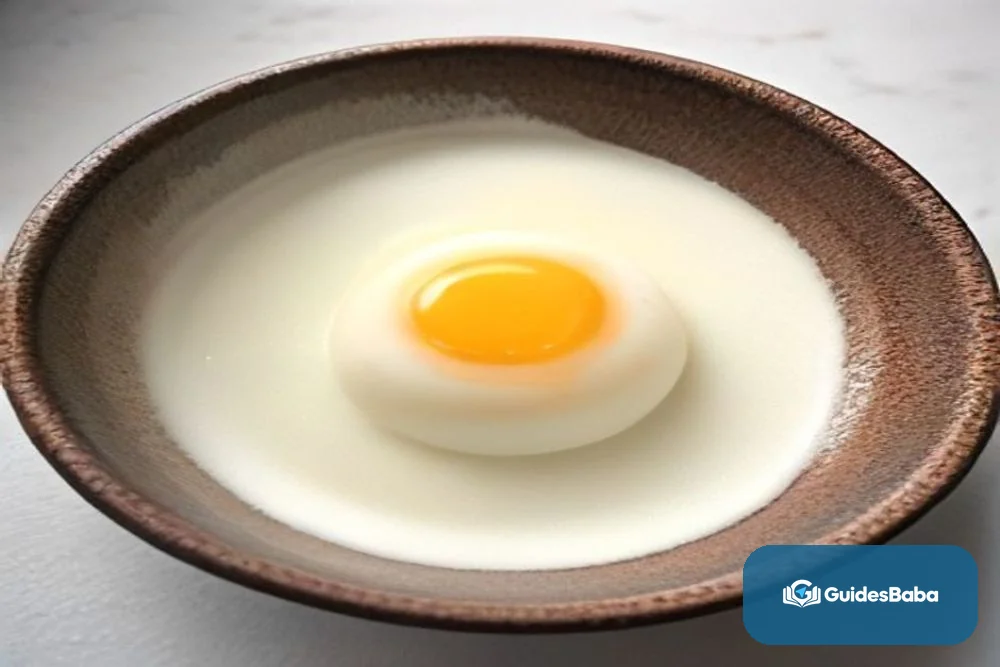
Egg white powder is a standout near-pure protein. It is simply dried egg whites. Remove the water and protein remains.
By dry weight, it sits very close to pure. It carries almost no fat or carbs. The protein quality is also excellent. Your body uses it with great ease. That makes it a favorite reference food.
Bakers and athletes both reach for it often. It blends into shakes and recipes smoothly. Few foods match its clean profile. It also stores well for a long time.
Whey protein isolate explained
Whey isolate comes from milk during cheesemaking. Makers filter it down to concentrate protein. The result is very high in protein.
A good isolate can reach around ninety percent protein. Most of the fat and sugar is stripped away. That leaves a lean, fast-digesting powder. Athletes value it for quick recovery. It mixes easily into water or milk.
Whey also offers a complete amino profile. It supports muscle repair very well. Quality varies, so read the label closely. Look for a short ingredient list.
Soy and other plant isolates

Plants can reach high protein levels too. Soy protein isolate is a leading example. It rivals whey on protein percentage.
Pea and rice isolates also concentrate protein well. They suit vegans and dairy-free eaters nicely. Blends often combine several plant sources. That mix rounds out the amino acids. The result can equal an animal source.
These isolates prove plants can compete strongly. A good blend can rival any animal powder. Explore the best plant-based protein sources for ideas. Variety keeps a plant diet strong.
Gelatin, an unusual pure protein
Gelatin is an unusual near-pure protein. It comes from animal collagen. By weight, it is almost entirely protein.
Yet gelatin is not a complete protein. It lacks one essential amino acid. So it cannot stand alone for muscle. It works best alongside other proteins. Pair it with eggs or dairy.
This shows a key lesson clearly. High percentage does not always mean high quality. Both numbers matter for your body. Never judge a protein by percent alone.
Very lean dried fish
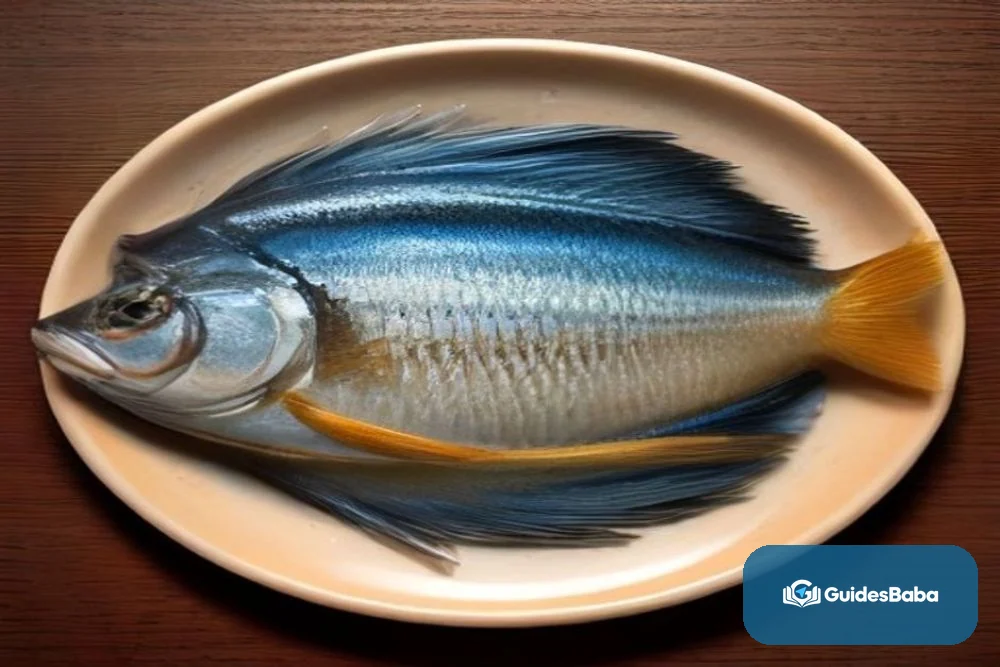
Some dried fish is remarkably high in protein. Stockfish and dried cod are strong examples. Drying removes water and concentrates protein.
By dry weight, lean dried fish climbs very high. It carries little fat when the cut is lean. The protein quality is also excellent. It counts as a complete protein.
Traditional cultures have prized dried fish for ages. It stores well and travels light. Nutrition and practicality meet here. That is a rare and useful combination.
Why no whole food hits 100%
No natural whole food is truly 100 percent protein. Every living food carries other nutrients too. Water is the main reason why.
Even lean chicken breast is largely water. That water pulls the percentage well below pure. Fat and connective tissue lower it further. Real food is a package, not a powder. That package is a good thing.
This is not a flaw at all. Whole foods bring fiber, vitamins, and minerals. That balance is a genuine strength. Pure protein alone cannot match it.

Concentrated powders versus whole foods
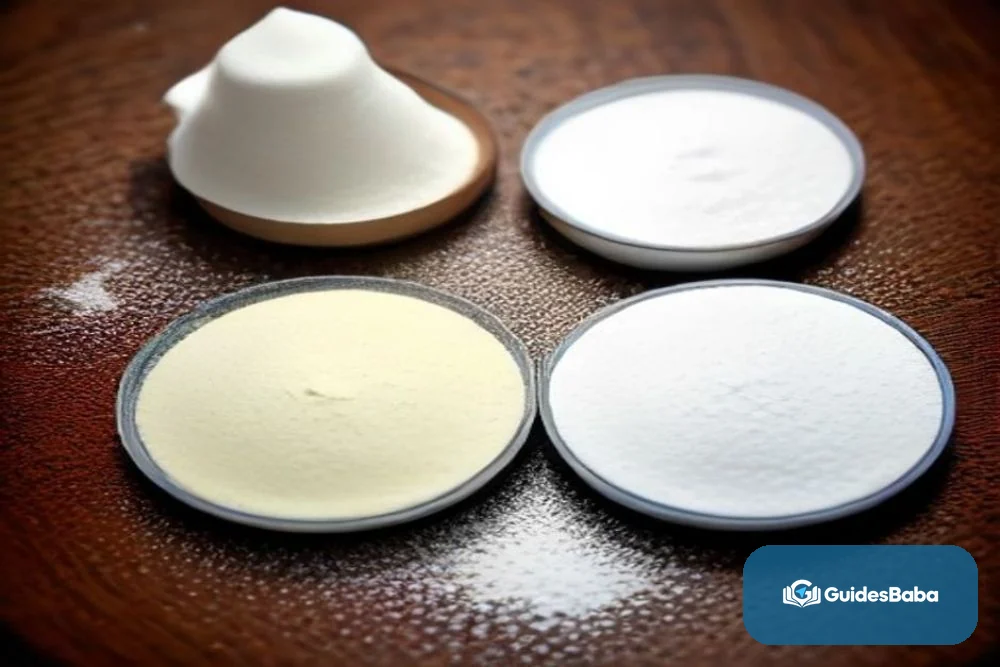
People often ask which approach is smarter. The honest comparison is about your goals. Each category serves a different purpose.
| Concentrated protein powders | Whole protein foods |
|---|---|
| Very high protein percentage | Moderate protein with extras |
| Quick and convenient | More filling and satisfying |
| Little fiber or micronutrients | Rich in vitamins and minerals |
| Good for topping up intake | Best as your daily base |
Neither category wins for every person. Powders help when time is short. Whole foods should still lead your plate. Use each one where it fits best. Together they cover most needs well.
How protein percentage is measured
Protein percentage compares protein to total weight. Water heavily influences that number. Drying a food raises the percentage fast.
Labels usually list protein per hundred grams. Compare foods on a dry basis for fairness. A wet food looks weaker than it is. Context always matters with these numbers. A quick soak can flip the ranking.
So a high percentage is only one clue. Amino quality and digestion matter too. Read beyond the headline figure. The full picture tells the real story.
Does higher percent mean better protein?
A high percentage looks impressive on paper. Yet it does not guarantee quality. Gelatin proves that point clearly. Numbers can flatter a weak protein.
Protein quality depends on amino acids. Complete proteins carry all the essential ones. Some pure proteins still miss a few. Percentage and quality are separate ideas.
Aim for both when you can. Choose high-protein foods with complete profiles. That combination serves your body best. It fuels muscle and health together.
Complete versus incomplete protein
Not all protein is built the same way. Complete proteins hold every essential amino acid. Incomplete ones miss at least one.
Animal foods are usually complete proteins. Many plants are incomplete on their own. Combining plants fixes those gaps easily. Rice and beans are a classic pair.
Learn the difference between complete and incomplete protein. It shapes how you plan meals. Balance beats any single number. Mix your sources across the day.
How much protein you actually need

Near-pure protein sounds exciting, but needs are modest. Most people need a steady daily amount. More is not always better.
Your needs shift with age and activity. Athletes and older adults often need more. Spread protein across your meals for best use. Your body absorbs it better that way.
See how much protein you need each day. Match your intake to your real life. Chasing extreme numbers rarely helps. Consistency matters more than any single meal.
Fitting high-protein foods into meals
You do not need powders to eat well. Whole foods can meet most needs. Eggs, fish, beans, and dairy all help.
Add a protein source to every meal. Build breakfast around eggs or yogurt. Anchor lunch and dinner with beans or fish. Snack on nuts or a boiled egg. Small steady choices add up nicely.
Use powders only to fill real gaps. A busy day may call for a shake. Let whole foods do the heavy lifting. A shake should top up, not replace.
Common myths about protein foods
One myth says more protein is always better. Your body can only use so much. Excess brings no magic benefit.
Another myth claims powders beat whole foods. Powders are convenient, not superior. Whole foods bring fiber and micronutrients too. Balance wins over any single food.
Some people fear plant protein is too weak. Smart combinations make plants complete. Variety solves the problem well. Beans and grains together work nicely.
Common mistakes with protein powders
A common mistake is replacing meals with shakes. Powders lack fiber and many nutrients. They work best as a supplement. Real meals should stay your foundation.
Another mistake is ignoring the ingredient list. Some powders hide sugar and fillers. Check for a short, clean list. Quality varies widely between products.
Some people also overdo their daily servings. More scoops do not build more muscle. Match intake to your actual needs. Your body uses only so much.
Who benefits from near-pure protein
Athletes often gain from concentrated protein. It helps them hit high targets easily. Recovery can improve with steady intake.
Older adults may benefit as well. Appetite can shrink with age. A protein boost helps protect muscle. Convenience makes the habit easier to keep. A small shake can bridge a gap.
Most healthy people do fine with food alone. Near-pure protein is a helpful extra. It is rarely a true necessity. Treat it as a tool, not a rule.
Frequently asked questions
Which food is closest to 100% protein?
Egg white powder sits very close to pure. Whey and soy isolates also reach high levels.
Is any fresh food 100% protein?
No, fresh foods carry water and other nutrients. Water alone keeps the percentage well below pure.
Is gelatin really almost pure protein?
Yes, gelatin is nearly all protein by weight. But it lacks one essential amino acid.
Is whey protein better than egg white?
Both are excellent, complete protein sources. Your choice depends on diet and preference.
Are protein powders necessary for health?
No, most people meet needs with whole foods. Powders simply add convenience when time is short.
Does a high protein percentage mean high quality?
Not always, since quality depends on amino acids. Gelatin is high percent yet incomplete.
Which plant food is highest in protein?
Soy protein isolate ranks very high among plants. Pea and rice isolates also concentrate protein well.
Can I eat only near-pure protein foods?
No, that would miss fiber and micronutrients. Balance protein with whole foods for health.
Is dried fish high in protein?
Yes, lean dried fish is very protein dense. Drying removes water and concentrates the protein.
How much protein should I eat daily?
Needs vary with age and activity levels. Spread a steady amount across your meals.
The bottom line
So which food is almost 100% protein? Egg white powder leads the natural list. Whey and soy isolates also climb very high. Gelatin is nearly pure but incomplete. Very lean dried fish rounds out the group.
Remember that percentage is only part of the story. Amino quality and balance matter just as much. Whole foods still deserve the center of your plate.
For more background, read this overview of protein as a nutrient. You can also learn about the egg white and its makeup. Trusted sources help you eat with confidence.
This is not medical advice. See a professional for your personal needs. Use pure protein foods as tools. Balance them with real, varied meals. Let whole foods carry the plate.