
Fat is not the enemy some people imagine. A few types are truly good for you. So what are polyunsaturated fats? These essential fats belong on your weekly plate.
Rather than banning fat, learn which kinds help you. Polyunsaturated fats sit firmly in that helpful group. They fill fish, nuts, and seeds. Knowing them helps you plan smarter meals. They join other foods with healthy fats nicely.
Here is the honest answer. Polyunsaturated fats are a healthy type of dietary fat. Your body cannot make them alone. Fatty fish, walnuts, and seeds supply them. They include the famous omega-3 and omega-6. This is not medical advice. See a professional.
This guide covers polyunsaturated fats in plain language. You will see which foods carry the most. We will compare them with saturated fat. Many tips link back to a balanced diet.
So what are polyunsaturated fats?
The honest answer is friendly and simple. Polyunsaturated fats are a healthy dietary fat. They stay liquid at room temperature. They also stay liquid in the fridge.
Think of them as a required building block. Your body needs them but cannot make them. So food must supply the whole amount. Fish and seeds carry them best. That makes them worth planning for.
Do you have to fear these fats? Not at all, and that is reassuring. They belong in most healthy diets. The key is still sensible portions. Fat still carries plenty of calories. Enjoy them with a light hand.
What polyunsaturated fats actually are
The name points to their chemical shape. They carry several bends in their structure. Those bends give them their traits.
This shape keeps them liquid even when cold. It also makes them a little delicate. Heat and light can damage them. Gentle handling protects their quality.
Two main families sit inside this group. Omega-3 and omega-6 are the stars. Your body treats them as essential. Food is the only reliable source. Both deserve a spot in meals.
Did you know?
Your body cannot make omega-3 or omega-6 fats. You must get them entirely from food.
Omega-3 and omega-6 explained

Omega-3 and omega-6 are two fat families. Both are polyunsaturated and both are essential. They play different roles in the body. Both come only from your food.
Omega-3 comes mostly from fish and some seeds. Omega-6 fills many everyday plant oils. Most diets already carry plenty of omega-6. Omega-3 is the harder one to reach.
The goal is enough omega-3 in the mix. Many people fall short on that side. Oily fish helps close the gap. A little planning makes it easier. Seeds can fill in on other days.
Fatty fish, a top source
Oily fish is a star omega-3 source. Salmon, mackerel, and sardines lead here. Herring and trout belong on the list.
Two servings a week is a common target. Fresh, frozen, and canned all count. Canned sardines are cheap and handy. They keep well in any pantry.
Grill, bake, or steam the fish gently. Skip heavy frying that adds poor fats. A squeeze of lemon lifts the flavor. These meals pair well with high protein foods. Herbs add flavor without extra fat.
Walnuts and other nuts
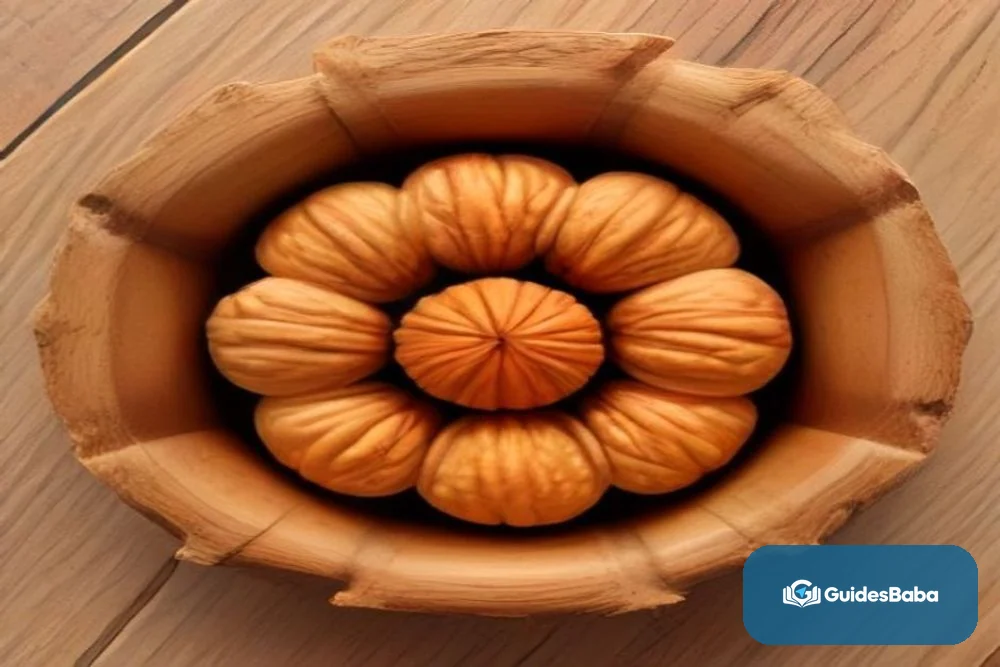
Walnuts are a plant omega-3 champion. They carry a form your body can use. A small handful adds up fast.
Other nuts bring omega-6 to the table. Pine nuts and brazil nuts feature here. They add crunch and quiet nutrition. Walnuts stand out for omega-3, though.
Keep portions modest, since nuts are dense. A closed handful is about right. Store them cool to keep them fresh. Chop walnuts over salads and oats. They add a pleasant, buttery crunch.
Flax, chia, and hemp seeds
These seeds are plant omega-3 powerhouses. Flax, chia, and hemp all qualify. A spoonful brings a useful dose.
Grind flax so your body can absorb it. Chia swells into a soft gel. Hemp seeds have a mild, nutty taste. Each one suits different recipes.
Stir them into oats, yogurt, or smoothies. Sprinkle them over salads and bowls. Keep ground flax in the fridge. A little each day works well. Chia also thickens a simple pudding.

Sunflower and pumpkin seeds
Sunflower seeds are rich in polyunsaturated fat. They lean toward the omega-6 side. They add a pleasant crunch.
Pumpkin seeds bring fat plus minerals. Both make an easy, portable snack. A small scoop is plenty. They travel well in a small bag.
Sprinkle them over soups and salads. Toast them lightly for deeper flavor. Choose unsalted versions when you can. Keep a jar within easy reach. They also top yogurt bowls nicely.
Cooking oils high in polyunsaturated fat
Several oils are rich in these fats. Sunflower, soybean, and corn oil qualify. Safflower oil belongs here too.
These oils suit many everyday recipes. They mostly supply omega-6 fats. Use them with a light hand. Balance them with omega-3 foods.
Store them away from heat and light. These fats spoil faster than others. Buy amounts you can use soon. Fresh oil always tastes better. A cool cupboard keeps them stable.
Why these fats are essential
Your body needs these fats to function. They support cell walls and other systems. Omega-3 draws special research interest.
You cannot make them from scratch inside. Food must supply the whole amount. That is why they are called essential. Skipping them is not a good idea.
A varied diet usually covers your needs. Fish, nuts, and seeds do the work. See these nutritional guidelines for context. Whole foods lead the way here.
Polyunsaturated versus saturated fat
People often ask how these fats differ. The honest comparison sits between two families. Each behaves in its own way.
| Polyunsaturated fat | Saturated fat |
|---|---|
| Liquid even when cold | Solid at room temperature |
| Essential and from food | Body can make its own |
| Can form a larger share | Best kept modest daily |
| Fish, walnuts, seeds | Butter, cheese, fatty meat |
Polyunsaturated fat can form the bigger share. Saturated fat works better in small amounts. Neither type is truly evil, though. A sensible balance keeps meals healthy.
Balancing omega-3 and omega-6

Balance between the two families matters. Most diets carry plenty of omega-6. Omega-3 is the side people miss. A small tilt toward omega-3 helps.
You do not need to count ratios closely. Just add more omega-3 rich foods. Oily fish and flax help most. The rest tends to sort itself out.
Lean less on heavily processed oils. Choose whole nuts, seeds, and fish. That simple shift improves the balance. Whole foods make this easy. It also makes your everyday diet healthier.
Simple ways to add them
Adding these fats is pleasantly easy. Eat oily fish once or twice weekly. Stir ground flax into breakfast.
Toss walnuts onto salads and oats. Sprinkle seeds over soups and bowls. Swap some meat meals for fish. Add avocado for extra healthy fat.
Snack on a small handful of nuts. Blend chia into a morning smoothie. Each small step lifts your good fats. None of them ask for much effort. Pick one habit and start today.
Plant sources versus fish sources

Both plants and fish supply these fats. Fish carries omega-3 your body uses directly. Plants offer a form it must convert.
That conversion is real but fairly limited. So fish remains a valuable source. Plant eaters can still do well. They simply lean on seeds more.
Lean on flax, chia, and walnuts often. Consider algae-based options if you skip fish. Variety covers most of your needs. A mixed plate serves you best. Rotate your sources across the week.
Choosing and storing these foods
Freshness matters with these delicate fats. Buy nuts and seeds in sensible amounts. Old, stale nuts taste bitter.
Store nuts and seeds somewhere cool. The fridge or freezer works well. Keep ground flax sealed and chilled. Cold storage slows any spoiling.
Choose fish that smells clean and fresh. Canned options last far longer. Check dates before you buy. A little care keeps flavor bright. Keep a few cans as a backup.
Reading labels for these fats
Labels help you spot these good fats. Look for polyunsaturated fat on the panel. Some labels split out omega-3.
Check the ingredient list for real foods. Named oils, nuts, and seeds are good signs. Watch for heavy added salt. Short lists usually signal a cleaner product.
Compare similar products side by side. Simple ingredient lists usually win. Let the numbers guide your basket. Fewer additives often means better quality. Front-of-box claims can still mislead you.
Common myths about these fats
One myth says seed oils are always harmful. In moderation they fit a normal diet. Balance with omega-3 still matters. Context and portion size matter most.
Another myth calls supplements a full replacement. Whole foods bring extra nutrients too. Food should usually come first. Pills work best as a backup.
Some fear all fat causes weight gain. Portion size does the real work. Good fats fit a healthy plan. Balance beats bold claims every time. Read past the scary headlines carefully.
Common mistakes people make
One common mistake is frying with delicate oils. High heat can damage these fats. Gentle cooking protects them better. Save delicate oils for cooler dishes.
Another mistake is leaning only on omega-6 oils. That crowds out valuable omega-3. Add fish and flax to balance. Variety keeps the two families in check.
Some people store nuts too long. Stale nuts lose flavor and quality. Buy smaller amounts more often. Fresh nuts reward a little care. A quick smell test spots stale ones.
Who might need tailored advice
General food ideas suit many healthy adults. Still, some people have special needs. Certain conditions change the picture.
Some must adjust fat or fish for medical reasons. Nut allergies also shift the advice. Your doctor knows your situation best.
This is not medical advice. See a professional for your personal needs. Use these food ideas as a friendly guide. Adjust them to fit your own body. A short chat can prevent bigger problems.
Frequently asked questions
What are polyunsaturated fats in simple terms?
They are a healthy type of dietary fat. Fish, walnuts, and seeds supply them.
Are polyunsaturated fats good for you?
Yes, they are essential for your body. Omega-3 draws special research interest.
What foods have the most polyunsaturated fat?
Oily fish, walnuts, and seeds lead. Sunflower and soybean oil add more.
What is the difference from monounsaturated fat?
Both are healthy unsaturated fats. Polyunsaturated fats include the essential omega families.
Do I need omega-3 supplements?
Not always, since food can supply them. Ask a professional before starting any supplement.
Are seed oils bad for me?
In moderation they fit a normal diet. Balance them with omega-3 rich foods.
Can vegetarians get these fats?
Yes, flax, chia, and walnuts help. Algae options can supply omega-3 too.
How often should I eat oily fish?
Two servings a week is a common target. Fresh, frozen, and canned all count.
Can I cook with polyunsaturated oils?
Yes, but favor gentle heat. High heat can damage these delicate fats.
Do polyunsaturated fats have calories?
Yes, all fats are fairly calorie dense. Enjoy them in sensible portions.
The bottom line
So what are polyunsaturated fats? They are a healthy, essential dietary fat. Fish, walnuts, and seeds are top sources. They include omega-3 and omega-6. Your body relies on food for them.
These fats make healthy eating feel varied. Add oily fish and seeds often. Balance omega-3 against plenty of omega-6. Small daily habits truly add up over time.
For more background, see this overview of polyunsaturated fat. You can also read about omega-3 fatty acids. Use trusted sources to guide your plate.
This is not medical advice. See a professional for your personal needs. Add one omega-3 food today. Then build slowly from there. Your body will thank you.