
Healthy fats are the hidden gems of a good plate. They pull their weight in quiet ways. So what foods contain healthy fats? The best sources may already sit in your kitchen.
Rather than fearing fat, choose the right kinds. Whole foods deliver fat in a tasty package. They bring vitamins and fiber along too. Your body prefers fat from real meals. These foods support a real balanced diet.
Here is the honest answer. Nuts, seeds, and avocado top the list. Olive oil and oily fish follow close. Nut butters and olives add more. A varied plate hits good fats with ease. This is not medical advice. See a professional.
This guide covers the best healthy fat foods in plain language. You will see which choices shine. We will compare whole food fats and oils. Many tips link back to the essential nutrients you need.
So what foods contain healthy fats?

The honest answer starts with whole plants. Nuts and seeds lead the whole pack. Avocado and olives come next. Oily fish brings valuable fats too. A varied plate covers them all.
Think of healthy fats as a colorful toolbox. Each food adds a little goodness. Together they build a strong daily intake. No single food carries it alone.
Do you need exotic superfoods to win? Not at all, and that saves money. Everyday nuts and olive oil deliver. Simple staples carry the best fats. Your wallet and body both benefit.
What makes a fat healthy
Healthy fats are mostly unsaturated fats. They stay liquid at room temperature. They come from plants and fish.
These fats support your heart and brain. They arrive inside whole, real foods. Those foods bring extra nutrients too. Whole beats processed nearly every time.
Look for foods you can picture growing. Nuts, seeds, olives, and fish fit. The less processing, the better. Real food leads the way here.
Did you know?
A small handful of nuts delivers healthy fat and protein. It makes one of the simplest snacks around.
Nuts and nut butters
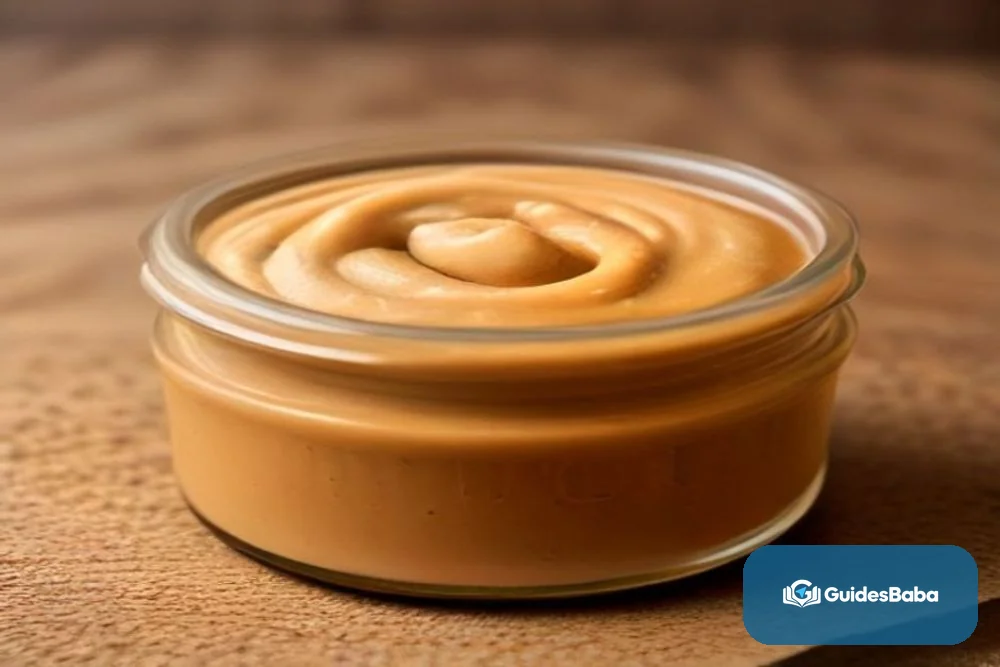
Nuts sit near the top of the list. Almonds, walnuts, and pecans shine. They pack healthy fat and protein.
Walnuts bring valuable omega-3 fats. A small handful makes a great snack. Nut butters spread the same goodness. Choose versions without added oils.
Sprinkle nuts onto oats or salads. Stir nut butter into porridge. Keep portions modest, since they are dense. A small scoop is plenty each day. Mix different nuts for variety and interest.
Seeds and seed oils
Seeds are tiny fat powerhouses. Chia, flax, and hemp stand out. Pumpkin and sunflower seeds help too.
Flax and chia carry omega-3 fats. Grind flax so your body absorbs it. A spoonful lifts many meals. These seeds mix into almost anything.
Sprinkle seeds over yogurt and oats. Blend them into a morning smoothie. Store them somewhere cool and dark. A little goes a long way. Pumpkin seeds make a crunchy topping.
Avocado and olives
Avocado brings creamy healthy fat. It carries flavor and fiber too. Half an avocado is a fine serving.
Spread mashed avocado on whole grain toast. Add slices to salads and bowls. Olives offer a savory fat option. They suit snacks and simple dishes.
These foods feel rich and satisfying. They fit many meals with ease. Keep portions sensible, since fat is dense. A little richness goes far. Both make simple snacks on busy days.
Olive oil and other plant oils
Olive oil is a kitchen staple. It carries healthy monounsaturated fat. It suits dressings and gentle cooking.
Drizzle it over vegetables and salads. Use it in place of butter. Other plant oils help as well. Choose them over heavy solid fats.
A little good oil goes far. Store it away from heat and light. That keeps the flavor fresh. Learn to make your everyday diet healthier.

Oily fish and seafood
Oily fish is a star fat source. Salmon, sardines, and mackerel lead. They carry valuable omega-3 fats.
These fats support heart and brain. Enjoy fish a few times weekly. Canned sardines are cheap and easy. Fresh or frozen both work well.
Grill or bake rather than deep fry. Add fish to salads and bowls. A simple squeeze of lemon helps. Seafood rounds out a healthy plate. Frozen fillets keep well for later.
Eggs and dairy in moderation
Eggs bring fat along with protein. The yolk holds useful nutrients. They fit a balanced plate well.
Some dairy carries healthy elements too. Plain yogurt is a solid choice. Keep richer dairy in modest amounts. Balance matters more than strict rules.
These foods add variety to your fats. Pair eggs with vegetables at breakfast. Top yogurt with nuts and seeds. Simple combinations work best. Choose plain options over sweetened ones.
Whole food fats versus added oils
People often ask which fat source is better. The honest comparison is whole foods versus oils. Each has a place on your plate.
| Whole food fats | Added oils |
|---|---|
| Bring fiber and vitamins | Offer fat with little else |
| Naturally filling and satisfying | Easy to overpour quickly |
| Nuts, seeds, avocado, fish | Olive, canola, sunflower oil |
| Best as the main source | Great for cooking and dressing |
Whole foods deserve the bigger role. Oils remain handy in the kitchen. Use oils with a light hand. Real food leads the way here.
Healthy fats on a budget
Healthy fats do not have to cost much. Peanuts and sunflower seeds are cheap. Canned sardines stretch a budget well.
Buy nuts and seeds in bulk. Store them cool to keep them fresh. Olive oil lasts a long time. Simple staples deliver the best value.
You rarely need pricey superfoods. Everyday foods carry great fats. Smart shopping keeps fats affordable. Batch cooking stretches every dollar further. Seasonal buys often cost the least.
Adding healthy fats to breakfast
Breakfast is an easy place to start. Stir nut butter into your oats. Add seeds to a morning smoothie.
Spread avocado on whole grain toast. Top yogurt with walnuts and flax. Cook eggs with a little olive oil. Each choice adds good fat early.
A fat-rich breakfast keeps hunger away. It sets a steady tone for the day. Small habits build a better plate. Start simple and keep going. One easy swap leads to another.
Healthy fats for snacks
Snacks are a great fat opportunity. A handful of nuts works anywhere. Seeds make a crunchy topping.
Pair apple slices with nut butter. Spread avocado on a rice cake. Grab a few olives for a savory bite. These snacks satisfy between meals.
Keep healthy snacks within easy reach. Prepped options beat vending machines. Planning ahead makes good choices simple. Fill a jar and keep it handy. A little prep saves you later.
Cooking to keep fats healthy
How you cook affects your fats. Gentle heat protects delicate oils. Heavy frying can harm them.
Bake, roast, or lightly saute instead. Dress salads with raw olive oil. Add seeds after cooking, not during. Simple methods keep fats at their best.
Store oils away from heat and light. That keeps them fresh for longer. Buy amounts you will use soon. Fresh oil tastes far better.
Balancing fats across the day
Spread your healthy fats across meals. One big dose is not needed. Steady amounts feel more comfortable.
Add seeds at breakfast and nuts at lunch. Include fish or avocado at dinner. Each meal then carries good fat. Balance keeps things simple.
You do not need to track grams. A varied plate handles the balance. Listen to your own appetite. Simple habits keep fats in check.
Healthy fats and your heart
Healthy fats can support your heart. They fit a heart-friendly eating pattern. Plant and fish fats lead here.
Swap heavy solid fats for these. Choose olive oil over butter often. Pick fish instead of fatty meat. The overall pattern matters most.
No single meal decides your health. Steady choices over months count. Lean on whole food fats. Balance protects your heart best.
Healthy fats for your brain
Your brain relies on healthy fat. Omega-3 fats get special attention. They appear in fish and seeds.
Walnuts and flax bring plant omega-3. Oily fish brings the marine kind. Both support the hungry brain. A varied plate delivers them.
You do not need exotic brain foods. Everyday nuts and fish help plenty. Simple choices feed your mind. Consistency matters more than any single meal.
Healthy fats and whole grains together
Fats pair nicely with whole grains. Add seeds to a bowl of oats. Drizzle olive oil over brown rice.
This combo brings steady, lasting energy. Fiber and fat slow digestion together. You feel full for longer. Simple pairings work best.
Build bowls from grains, vegetables, and fats. Top them with nuts or avocado. Explore the healthiest carbohydrate sources too. Balance makes the plate complete.
Common mistakes with healthy fats
One common mistake is overpouring oil. Even good oil is calorie dense. Measure it with a spoon at first.
Another mistake is choosing flavored nut butters. Many hide added sugar and oil. Read the label for simple ingredients. Plain versions serve you best.
Some people fear fat and skip it. That leaves meals dull and hungry. Good fats belong on your plate. Balance beats avoidance here.
Who might need tailored advice
General food lists suit many healthy adults. Still, some people have special needs. Certain heart conditions change the picture.
Some must adjust fats for medical reasons. A doctor may tailor the plan. Your situation is unique to you.
This is not medical advice. See a professional for personal needs. Use these ideas as a friendly guide. A short chat can prevent bigger problems.
Frequently asked questions
What foods have the healthiest fats?
Nuts, seeds, and avocado lead the list. Olive oil and oily fish follow close. Olives and nut butters add more.
Are nuts a good source of healthy fat?
Yes, nuts carry fat and protein. Keep portions small, since they are dense. A small handful is plenty.
Is olive oil a healthy fat?
Yes, olive oil carries good fat. Use it for dressing and gentle cooking. Store it cool and dark.
Which fish have healthy fats?
Salmon, sardines, and mackerel are rich. Enjoy oily fish a few times weekly. Canned sardines are cheap and easy.
Is avocado really healthy?
Yes, avocado brings creamy healthy fat. It also adds fiber and flavor. Half an avocado is a serving.
Are seeds worth adding to meals?
Yes, chia and flax carry omega-3 fats. A spoonful lifts many dishes. Grind flax to absorb it better.
Can I get healthy fats without fish?
Yes, nuts, seeds, and avocado help. Ground flax offers plant omega-3 too. Variety keeps a plant plate strong.
Are eggs a healthy fat source?
Eggs bring fat and protein together. They fit a balanced plate well. Pair them with some vegetables.
Is nut butter a good choice?
Yes, choose versions without added oil. Plain nut butter serves you best. Read the label for simple ingredients.
How much healthy fat should I eat?
There is no single perfect number. Aim for good fats at most meals. Listen to your own appetite.
The bottom line
So what foods contain healthy fats? Nuts, seeds, and avocado lead. Olive oil and oily fish follow close. Olives and nut butters add more. A varied plate covers good fats easily.
Whole foods make healthy fats simple and cheap. Reach for real food before any pill. Variety keeps every meal interesting. Small daily habits truly add up over time.
For more background, see this overview of unsaturated fat. You can also read about omega-3 fatty acids. Use trusted sources to guide your plate.
This is not medical advice. See a professional for your personal needs. Add one healthy fat food today. Then build slowly from there. Your body will thank you.