

You see the word antioxidant on many labels. It sounds healthy, yet stays a little vague. So what do antioxidants do in the body? The answer is quieter than the hype.
Rather than treating them as magic, look closer. Antioxidants play a real but modest role. They help your cells handle daily wear. Food remains the sensible way to get them. They work alongside your essential nutrients every day.
Here is the honest answer. Antioxidants help protect your cells from certain damage. They calm unstable molecules called free radicals. Your body makes some antioxidants on its own. Food supplies many more each day. This is not medical advice. See a professional.
This guide covers antioxidants in plain language. You will learn what they do and why. We will compare whole foods and pills. Simple food habits keep the benefit steady.
What do antioxidants do in the body?
The honest answer starts with balance. Antioxidants help control unstable molecules inside you. Those molecules are called free radicals. Left unchecked, they can damage cells.
Think of antioxidants as gentle peacekeepers. They step in and calm the troublemakers. This keeps the wider system steady. The work happens quietly every day.
Do they act like a shield of armour? Not quite, and that image oversells them. They offer support, not full protection. Your body uses many defences at once. Food keeps that whole system topped up. Think of them as steady helpers.
What antioxidants actually are
Antioxidants are a broad group of compounds. They share one useful ability. Each can neutralise an unstable molecule safely.
Some antioxidants are familiar vitamins. Vitamin C and vitamin E belong here. Many others come from colourful plants. They join a wide cast of helpers.
Learn how plant phytonutrients act as antioxidants. Many colourful compounds play this role. They sit inside everyday fruit and vegetables. Whole foods carry them best. Variety brings many types together.
Did you know?
Your body makes its own antioxidant enzymes. Food antioxidants work alongside these built in defences.
Free radicals and why they form

Free radicals are unstable molecules inside cells. They form during normal energy production. Your body makes them every day.
Outside factors can raise their numbers too. Pollution, smoke, and strong sun play a part. Stress and poor sleep may add more. These molecules are a normal fact of life.
A small level of them is harmless. Problems grow when they pile up too high. That imbalance is the real concern. Antioxidants help keep the count in check. Balance is the key idea here. Your body aims for a steady middle.
How antioxidants neutralise free radicals
Free radicals are missing a tiny piece. They grab it from nearby molecules. That theft can start a chain reaction.
Antioxidants offer the missing piece safely. They hand it over without becoming unstable. This stops the chain before it spreads. The cell stays calmer as a result.
One antioxidant handles one radical at a time. That is why a steady supply matters. Food refills the team each day. No single dose lasts forever. Regular meals keep the workers coming. A steady flow beats one big burst.
Oxidative stress in simple terms
Oxidative stress is a state of imbalance. Free radicals outnumber the antioxidants present. The body then struggles to keep up.
This state can stress cells over time. Researchers link it to slow wear on tissues. The picture is complex and still growing. No single meal decides your fate.
A colourful diet helps tip the balance back. It keeps antioxidants flowing steadily. Sleep and gentle exercise help too. The whole lifestyle matters here. Small daily habits carry real weight. No single fix does it alone.
The body’s own antioxidant defences
Your body is not helpless against radicals. It makes its own antioxidant enzymes. These act as a first line of defence.
These enzymes need certain minerals to work. Zinc, selenium, and copper play supporting roles. A balanced diet keeps them supplied. Food feeds the whole defence system.
Food antioxidants work alongside these enzymes. Together they form a broad team. No single part carries the load. Variety keeps every player supported. This teamwork runs quietly around the clock. A balanced plate keeps it well fed.
Antioxidants from the food you eat
Most dietary antioxidants come from plants. Fruit, vegetables, and whole grains lead. Nuts, seeds, and spices add more.
Deep colours often signal these compounds. Berries, peppers, and leafy greens shine. See which foods contain the most antioxidants here. Colour is a handy guide.
Aim for a range of shades daily. Red, orange, green, and purple all help. Each colour brings its own mix. Variety covers many bases at once. A rainbow plate does the work. Frozen and fresh both count fully.

Vitamin antioxidants like C and E
Some vitamins act as antioxidants directly. Vitamin C is a well known one. Citrus, peppers, and berries supply it.
Vitamin E is another key player. Nuts, seeds, and plant oils carry it. These vitamins work in different parts of cells. Together they cover more ground.
See how these fit the vitamins your body needs daily. A varied diet supplies them well. You rarely need high dose pills. Food delivers them in balanced amounts. Whole foods remain the smart source.
Plant antioxidants beyond vitamins

Many antioxidants are not vitamins at all. Polyphenols and carotenoids are big groups. Plants make them for colour and defence.
Carotenoids give carrots and tomatoes their hue. Polyphenols fill berries, tea, and cocoa. Each group brings its own strengths. Variety captures the widest mix.
You do not need to name them all. Eating varied plants covers many groups. Colour and flavour act as signals. A mixed plate does the sorting. Nature keeps the list simple enough. Just aim for several shades daily.
Do antioxidants slow ageing?
People often ask about ageing and antioxidants. The honest answer stays measured. They may support cells, not stop time.
Oxidative stress plays a part in ageing. Antioxidants help manage that stress. Still, ageing has many other drivers. No food halts the clock.
Treat bold anti ageing claims with care. A colourful diet supports healthy ageing broadly. Sleep, movement, and rest matter too. The whole pattern counts most. Simple habits beat miracle promises.
Whole foods versus antioxidant pills
People often ask about antioxidant supplements. The honest comparison is food versus capsules. Each has a place, but food leads.
| Antioxidants from whole foods | Antioxidant supplements |
|---|---|
| Come with fibre and vitamins | Offer one compound alone |
| Work as a natural blend | Miss the wider food package |
| Balanced, gentle daily amounts | Can deliver very high doses |
| Best for everyday intake | Use only with expert advice |
Food should always come first here. High dose pills can backfire sometimes. Ask a professional before you start one. Real produce stays the smarter default.
Easy ways to get more antioxidants

Adding antioxidants is simpler than it sounds. Toss berries onto your morning oats. Stir spinach into a warm soup.
Swap a plain snack for colourful fruit. Brew a cup of green tea. Each small step lifts your total.
Add one new colour every few days. A slow build keeps meals lively. Habits stick when they feel easy. Small swaps beat sudden overhauls here. Keep fruit visible on the counter. Reach for it before the biscuit tin.
Building an antioxidant rich plate
An antioxidant rich plate follows a simple pattern. Fill half with fruit and vegetables. Aim for several deep colours.
Give a quarter to whole grains. Save the rest for beans or lean protein. These foods cover many antioxidant groups. Colour guides your choices well.
You do not need to weigh anything. A glance and simple habits work fine. Balance beats strict counting for most. Adjust the plate to fit your appetite. Small steady meals win over time.
Antioxidants on a budget
Antioxidants do not have to cost much. Frozen berries stretch a budget well. Seasonal produce often costs the least.
Carrots, cabbage, and beans are very cheap. They still carry plenty of antioxidants. Buy colourful staples in larger bags.
Simple produce delivers strong value per coin. You rarely need pricey superfoods. Smart shopping keeps colour affordable. Batch cooking stretches every meal further. Local markets sell colour at fair prices. A bag of carrots costs very little.
Common myths about antioxidants
One myth says more is always better. Very high doses can upset the balance. Your body prefers steady, moderate amounts.
Another myth claims pills beat real food. Whole plants bring a fuller package. Isolated compounds rarely match that blend.
Some people expect instant results. Antioxidants work slowly and quietly. No single meal transforms your health. Patience serves you better here. A steady diet wins over time. Give good habits a few weeks.
Common mistakes people make
One common mistake is chasing single superfoods. No one food carries the whole load. Variety serves you far better.
Another mistake is trusting high dose pills. More is not always safer. Balance matters more than big numbers.
Some people over-boil their vegetables. Long boiling can wash value away. Gentle steaming protects far more. A little care keeps the benefit. Save the cooking water for soups.
Who might need tailored advice
General food ideas suit many healthy adults. Still, some people have special needs. Certain conditions change the picture.
Some medicines interact with high dose supplements. Sudden changes can matter for a few. Your doctor knows your situation best.
This is not medical advice. See a professional for your personal needs. Use these food ideas as a friendly guide. A short chat can prevent bigger problems.
Antioxidants and a balanced diet
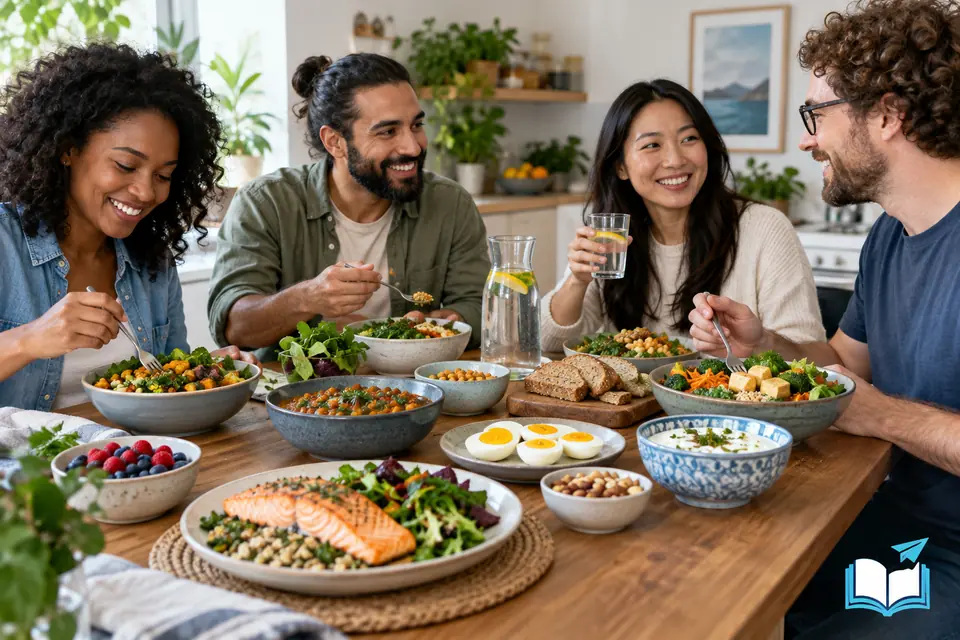
Antioxidants fit inside a wider pattern. They join fibre, vitamins, and minerals. Together they build a strong plate.
No single compound carries your whole diet. Balance across many foods matters most. Colour and flavour act as helpful signals. Variety remains the guiding rule.
Pair produce with whole grains and protein. This mix keeps your meals rounded. A simple plate does the heavy lifting. Good habits compound quietly across the weeks. Slow and steady wins the race.
Frequently asked questions
What do antioxidants do in simple terms?
They calm unstable molecules called free radicals. This helps protect your cells from certain damage.
What are free radicals?
They are unstable molecules made inside cells. Your body forms them during normal activity.
Does the body make its own antioxidants?
Yes, your body makes antioxidant enzymes. Food antioxidants work alongside these defences.
Which foods have the most antioxidants?
Berries, peppers, and leafy greens lead. Tea, cocoa, and spices rank high too.
Are vitamins antioxidants?
Some vitamins act as antioxidants directly. Vitamin C and vitamin E are examples.
Do antioxidants prevent ageing?
They may support cells during ageing. Still, no food can stop the clock.
Do I need antioxidant supplements?
Most people do not need pills. A varied, colourful diet covers your needs.
Can too many antioxidants be harmful?
Very high doses can upset the balance. Food amounts stay gentle and safe.
Does cooking destroy antioxidants?
Cooking changes them in mixed ways. Gentle methods keep more than long boiling.
How do I get more antioxidants daily?
Eat a range of colourful plants. Add berries, greens, and a little tea.
The bottom line
So what do antioxidants do in the body? They calm unstable free radicals inside cells. This helps protect your cells from damage. A colourful plate is the simplest way in.
Your body already makes some antioxidants. Food tops up the whole team daily. Reach for real produce before any pill. Small habits truly add up over time.
For more background, read this overview of antioxidants. You can also learn about oxidative stress and its balance. Use trusted sources to guide your plate.
This is not medical advice. See a professional for your personal needs. Add one new colour today. Then build slowly from there. Your cells will thank you.