


Antioxidants are the quiet bodyguards of a healthy plate. They work behind the scenes every day. So what foods contain the most antioxidants? The richest sources may already sit in your kitchen.
Rather than reaching for pricey pills, start with real food. Whole plants deliver antioxidants in a tasty package. They bring vitamins and fibre along too. Your body prefers them from real meals. These foods shape how fruits and vegetables support you.
Here is the honest answer. Berries and dark greens top most lists. Colourful vegetables and beans follow close behind. Nuts, spices, tea, and dark cocoa add more. A varied plate reaches high numbers with ease. This is not medical advice. See a professional.
This guide covers the richest antioxidant foods in plain language. You will see which choices pack the most. We will compare food antioxidants and supplements. Many tips link back to simple, colourful eating.
So what foods contain the most antioxidants?
The honest answer starts with plants. Berries and dark greens lead the pack. Colourful vegetables and beans come next. Herbs, spices, tea, and cocoa round it out.
Think of antioxidant foods as a colourful toolbox. Each one adds a small share. Together they build a strong daily total. No single food has to carry it alone.
Do you need exotic superfoods to win? Not at all, and that saves money. Everyday berries and greens do the job. Simple staples carry the most antioxidants. Fancy labels rarely mean more value. A basic fruit bowl already holds plenty.
What makes a food high in antioxidants
High antioxidant foods share a few traits. They are whole, plant based, and colourful. Deep colour is a helpful clue.
Bright pigments often act as antioxidants themselves. Red, purple, and blue foods tend to score well. Green and orange foods rank high too. The richer the colour, the better the sign.
Look for foods you can picture growing. Berries, greens, and spices fit that test. The less processing, the more they keep. Whole beats refined nearly every time. Deep, natural colour is your best guide.
Did you know?
Some herbs and spices are among the most concentrated antioxidant sources. A small pinch can pack a big punch.
Berries lead the antioxidant list

Berries sit at the very top. Blueberries, blackberries, and raspberries shine. Strawberries and cranberries help as well.
Their deep colour signals rich pigments. Those pigments act as strong antioxidants. Few foods match their all-round value. Dark berries usually score the highest here.
Add berries to oats, yogurt, and salads. Blend them into a simple smoothie. Frozen berries work just as well. A handful each day goes far. Mix several kinds for extra variety.
Dark leafy greens
Dark greens are a dependable antioxidant source. Spinach, kale, and chard lead. They pack colour and nutrients in one bite.
Their deep green hides other pigments too. See why leafy greens are so nutrient dense. Light cooking keeps most of their value.
Toss greens into soups, stews, and eggs. Blend a handful into a smoothie. Sauté them gently with a little oil. A daily serving lifts your total quietly. Rocket and watercress are peppery options too.
Colourful vegetables to load up on
Colourful vegetables deliver antioxidants with few calories. Red peppers, beets, and purple cabbage stand out. Carrots and tomatoes add steady amounts.
Keep skins on where you can. Roast or steam rather than boil away value. See the best vegetables to eat often.
Aim to fill half your plate with vegetables. Fresh, frozen, and canned all count. A rainbow of colours serves you best. Beets and red onion are strong picks. Purple cabbage adds a bold, rich colour.
Nuts, seeds, and beans

Nuts and seeds carry antioxidants and healthy fat. Walnuts, pecans, and sunflower seeds stand out. A small handful adds up fast.
Beans bring antioxidants along with fibre. Red and black beans score well. Kidney beans are another strong choice. Canned beans save time on busy days.
Sprinkle seeds onto oats and salads. Snack on a small handful of nuts. Stir beans into soups and stews. These everyday foods add quiet value. Keep portions modest, since nuts are calorie dense.

Herbs and spices
Herbs and spices punch well above their weight. Cloves, cinnamon, and oregano stand out. Turmeric and ginger help too.
Gram for gram, they are very concentrated. A small pinch adds real value. They also lift flavour without extra salt. Fresh and dried both work well.
Stir spices into stews, rice, and roasts. Sprinkle herbs over salads and eggs. Brew ginger or cinnamon into warm drinks. Small amounts add up quietly. Keep a spice rack within easy reach.
Dark chocolate and cocoa
Dark chocolate brings antioxidants in a treat. Cocoa is naturally rich in them. Higher cocoa content usually means more value.
Choose bars with plenty of real cocoa. Go easy on added sugar. A small square is a fine serving. Plain cocoa powder is a strong option. Look for a high cocoa percentage on labels.
Stir cocoa into oats or warm milk. Enjoy a square of dark chocolate slowly. Keep portions modest, since it is rich. A little treat can still add value.
Tea, coffee, and other drinks

Some drinks carry antioxidants too. Green and black tea are classic sources. Coffee adds to many people’s totals.
These drinks bring pigments called polyphenols. They contribute across a normal day. Herbal teas can help as well. Water still matters most for hydration. Rooibos is a caffeine-free option to try.
Enjoy tea or coffee in sensible amounts. Skip heavy sugar and syrups. Let the drink do its quiet work. Balance keeps these habits healthy. A plain cup is the smarter choice.
Whole food antioxidants versus supplements
People often ask which source is better. The honest comparison is food versus pills. Each has a place, but food leads.
| Whole food antioxidants | Antioxidant supplements |
|---|---|
| Come with fibre and vitamins | Offer one nutrient in isolation |
| Work as a natural blend | Miss the wider food package |
| Filling, tasty, and familiar | Easy but often costly |
| Best for everyday intake | Use only with expert advice |
Food should always come first here. High-dose pills can even backfire. Ask a professional before you start one. Real produce remains the smarter default.
Fresh, frozen, and dried sources
Fresh produce is a classic antioxidant source. Frozen berries and vegetables count fully too. They are picked and frozen while ripe.
Dried fruit is concentrated, so keep portions small. Raisins and dried berries still carry value. A little goes a long way. Store them somewhere cool and dry. Dried herbs keep their value for months too.
Do not fear frozen or canned options. They make a colourful plate affordable. Keep some ready for busy days. Variety of form helps here too. A full freezer makes healthy meals quick.
Easy ways to eat more antioxidants
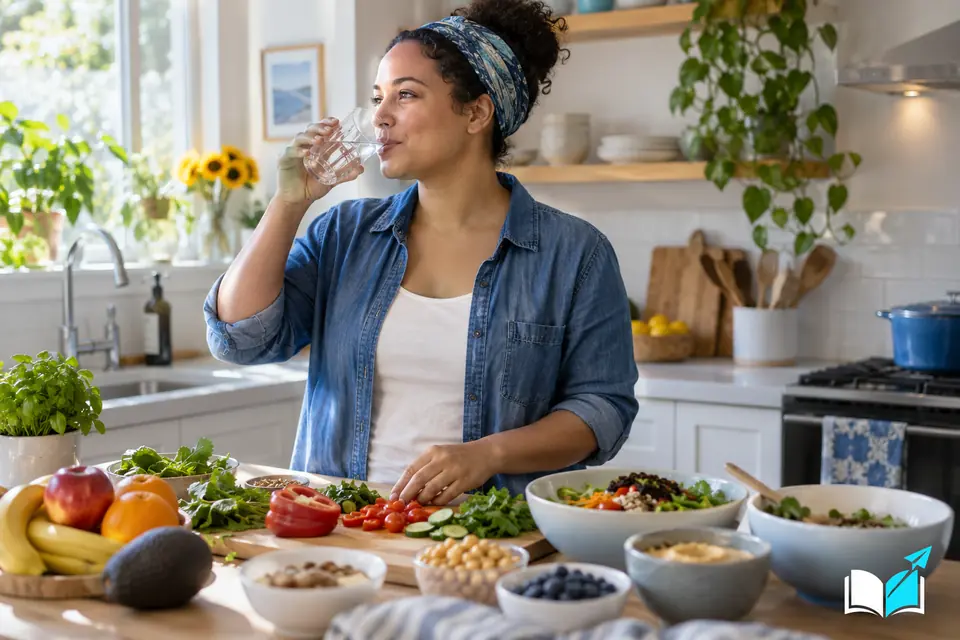
Adding antioxidant foods is simpler than it sounds. Toss berries onto your morning oats. Stir spinach into a warm soup.
Swap a plain snack for colourful fruit. Sprinkle spices onto your dinner. Each small step lifts your total higher.
Add one new colour every few days. A slow build keeps meals interesting. Habits stick when they feel easy. Small swaps beat sudden overhauls here. Keep a bowl of fruit on the counter.
Building a high antioxidant plate
A high antioxidant plate follows a simple pattern. Fill half with fruit and vegetables. Aim for several deep colours.
Give a quarter to whole grains. Save the rest for beans or lean protein. Add a sprinkle of nuts or seeds. This picture reaches high numbers easily.
You do not need to weigh anything. A glance and simple habits work fine. Balance beats strict counting for most people. Swap in a new food each week. Let your appetite guide the portions.
Antioxidants on a budget
Antioxidants do not have to cost much. Frozen berries stretch a budget well. Seasonal produce often costs the least.
Cabbage, carrots, and beans are very cheap. They still carry plenty of antioxidants. Buy colourful staples in larger bags.
Simple produce delivers the most value per coin. You rarely need pricey superfoods. Smart shopping keeps colour affordable. Batch cooking stretches every meal further. Local markets often sell colour at fair prices.
Common myths about antioxidants

One myth says only exotic berries count. In truth, common produce is loaded. Everyday spinach and beans do plenty.
Another myth claims more pills beat food. Whole plants bring a fuller package. Very high doses can even cause harm.
Some people think one superfood is enough. Balance matters more than any single item. Variety serves you better than extremes. A steady, colourful diet wins over time.
Common mistakes people make
One common mistake is eating one colour only. That narrows the antioxidants you get. A wider palette works better.
Another mistake is over-boiling your vegetables. Long boiling can wash value away. Gentle steaming protects more of it.
Some people also lean only on supplements. Whole foods bring antioxidants plus other nutrients. Food should lead, with pills as backup. A colourful plate covers most needs.
Who might need tailored advice
General food lists suit many healthy adults. Still, some people have special needs. Certain conditions change the picture.
Some medicines interact with specific foods. Sudden diet changes can matter for a few. Your doctor knows your situation best.
This is not medical advice. See a professional for your personal needs. Use these food ideas as a friendly guide. A short chat can prevent bigger problems.
Antioxidants and a balanced diet

Antioxidants fit inside a wider pattern. They join fibre, vitamins, and minerals. Together they build a strong plate.
No single food carries your whole diet. Balance across many foods matters most. Learn what makes a fruit a superfood too. Variety remains the guiding rule.
Treat colour as one helpful signal. Pair it with whole grains and protein. This mix keeps your meals rounded. A simple plate does the heavy lifting. Good habits compound quietly across the weeks.
Frequently asked questions
What food has the most antioxidants?
Berries and dark greens rank near the top. Herbs and spices are very concentrated too.
Are berries the best antioxidant source?
Berries are among the richest fruits. Still, variety across many foods works best.
Do vegetables have antioxidants too?
Yes, colourful vegetables are strong sources. Beets, peppers, and greens stand out.
Is dark chocolate good for antioxidants?
Yes, cocoa is naturally rich in them. Choose high cocoa and keep portions small.
Does tea contain antioxidants?
Green and black tea both do. They add to your total across the day.
Can I get enough antioxidants without supplements?
Yes, a varied diet covers most needs. Whole foods beat isolated pills here.
Do antioxidant supplements work?
Evidence is mixed, and high doses may harm. Ask a professional before you start.
Does cooking reduce antioxidants?
Cooking changes them in mixed ways. Some rise with heat, while others fall.
Which spices are highest in antioxidants?
Cloves, cinnamon, and oregano rank highly. A small pinch adds real value.
Do frozen berries still have antioxidants?
Yes, frozen berries keep their value well. They are frozen soon after picking.
The bottom line
So what foods contain the most antioxidants? Berries and dark greens lead the pack. Colourful vegetables and beans follow close. Nuts, spices, tea, and cocoa add more. A varied plate reaches high numbers easily.
Whole plants make antioxidants simple and cheap. Reach for real food before any pill. Variety keeps every meal interesting. Small daily habits truly add up over time.
For more background, read this overview of antioxidants. You can also explore the polyphenol compounds behind many colours. Use trusted sources to guide your plate.
This is not medical advice. See a professional for your personal needs. Add one colourful food today. Then build slowly from there. Your plate will thank you.