
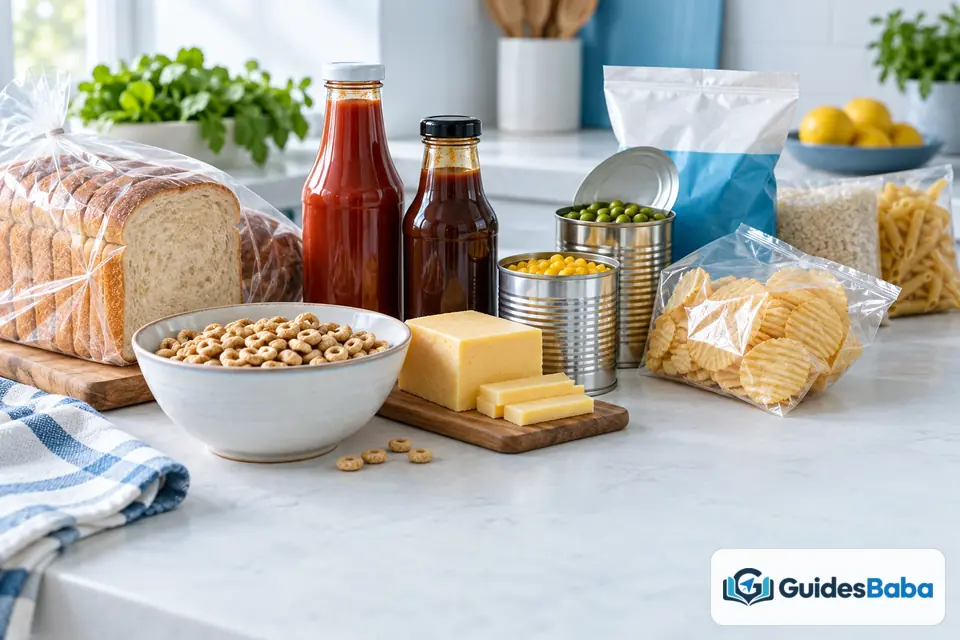
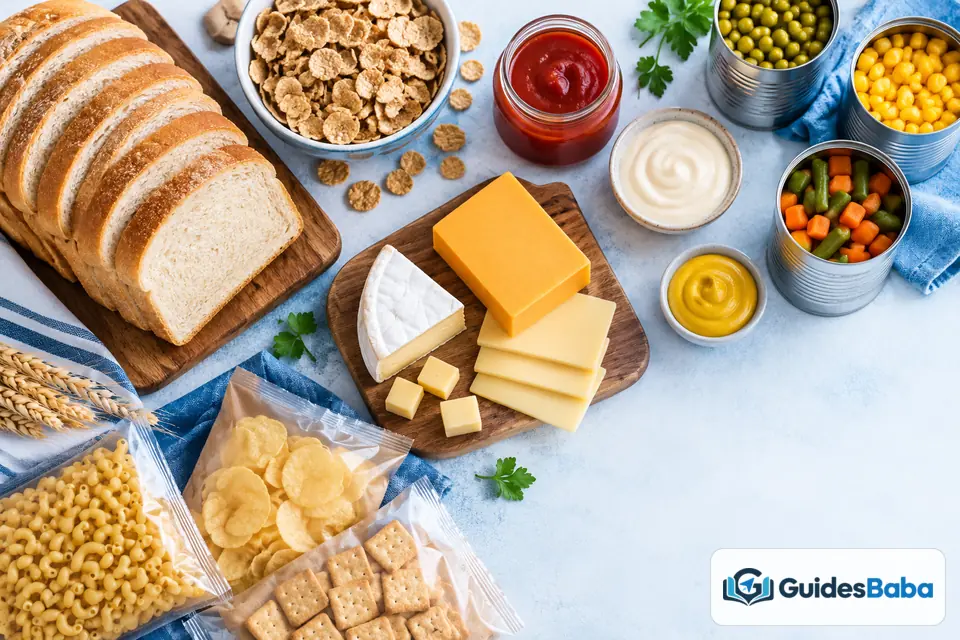
Some foods pack heavy salt while tasting mild. Your tongue misses it completely. So why are some foods high in sodium even when they don’t taste salty? The answer hides in plain sight.
Rather than trusting taste alone, dig deeper. Sweetness and fat can mask a salty edge. Sodium also arrives through hidden additives. Your palate simply cannot detect it all. The label tells the real story.
Here is the honest answer. Sugar and fat blunt the taste of salt. Bread, cereal, and sweet sauces hide plenty. Additives add sodium without any salty flavour. Taste is a poor sodium meter. This is not medical advice. See a professional.
This guide covers hidden sodium in plain language. You will learn why taste fools you. We will compare obvious and quiet salt sources. Simple label habits reveal the truth.
So why are some foods high in sodium even when they don’t taste salty?
The honest answer starts with your palate. Taste detects only part of the salt. Other flavours hide the rest.
Think of salt as a quiet guest. Loud flavours cover its voice. Sugar and fat drown it out. You barely notice it is there.
Does mild taste mean low sodium? Not at all, and that is the trap. A sweet roll can carry real salt. A smooth sauce can hide plenty. Only the label reveals the amount.
How taste hides salt
Your sense of taste is easily fooled. Salt sits among many competing flavours. Strong notes can bury the salty one.
Sweetness is the biggest disguise. Fat and creaminess help too. Acids and spices add further cover. Together they mask the salt within.
This is why taste alone misleads you. A food can be salty yet taste mild. The tongue reports flavour, not sodium. Numbers on the label tell the truth. Trust the panel over your palate. Your eyes beat your tongue here.
Did you know?
Sugar can hide the taste of salt in many foods. That is why sweet items often carry surprising sodium.
Sugar masks saltiness
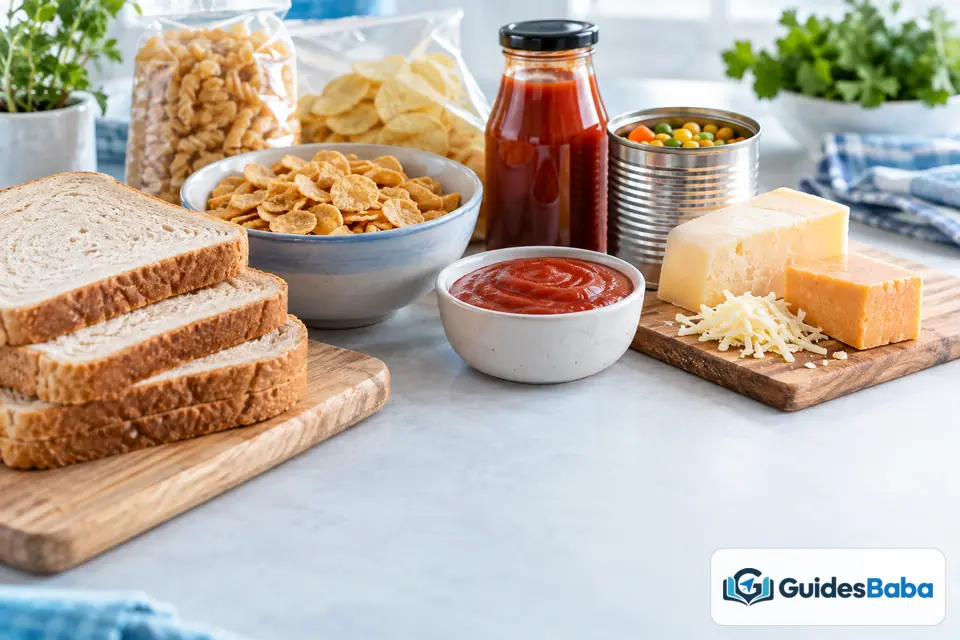
Sugar is a powerful flavour mask. It softens the sharp edge of salt. So sweet foods can hide real sodium.
Many sweet products still need salt. It balances flavour and lifts sweetness. Bakers use it in cakes and biscuits. The salt vanishes behind the sugar.
This is why sweet treats can surprise you. A cookie may taste purely sweet. Yet it can carry notable sodium. Reading the label uncovers it. Sweetness is a clever disguise. Never assume sweet means low salt.
Bread and baked goods
Bread rarely tastes salty at all. Still, it ranks high as a source. People eat it often and freely.
Each slice carries a modest dose of salt. Those doses add up across the day. Rolls, bagels, and wraps count too. Volume turns small amounts into large totals.
Baked goods use salt for structure and taste. It controls yeast and firms up dough. Sweet bakes hide it behind sugar. See the foods highest in fibre for better bread picks. Portion size matters more than flavour. Count your slices across the day.
Breakfast cereals
Cereal often tastes sweet, not salty. Yet many boxes carry real sodium. Salt sharpens the flavour and texture.
Flakes and puffs can hide plenty. Even wholesome looking cereals add some. A large bowl raises the total. Milk and toppings pile on more.
Check the sodium line on the box. Compare brands using the same serving. Choose plain oats when you can. Add fruit for natural sweetness. A quick label check pays off. Plain grains keep sodium naturally low.
Sweet sauces and dressings
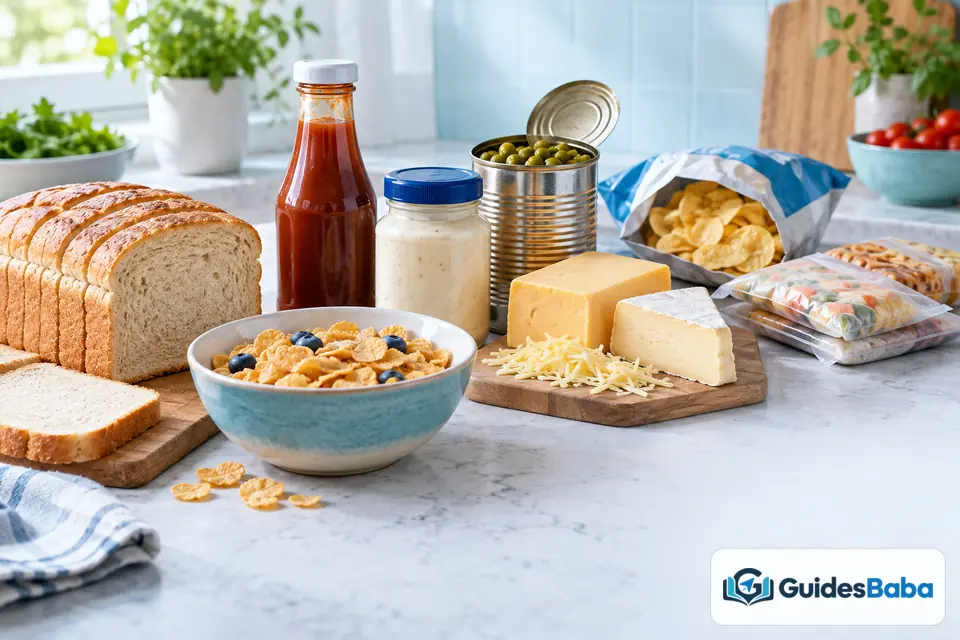
Sweet sauces are quiet sodium carriers. Ketchup tastes tangy and sweet. Behind that flavour sits real salt.
Barbecue sauce and sweet chilli hide it too. Salad dressings blend sugar with salt. The sweetness covers the salty note. A generous drizzle adds up fast.
Measure sauces rather than pouring freely. Make simple dressings at home. Use herbs, oil, and a little acid. Fresh versions cut hidden salt. Small tweaks keep flavour intact. A little sauce goes far enough.
Cheese and dairy products
Cheese carries more salt than it seems. Creaminess softens the salty edge. So it tastes rich, not sharp.
Processed cheese slices hide plenty. Cottage cheese and some spreads add more. Even mild cheeses contribute across a meal. Fat masks the sodium inside.
Enjoy cheese in sensible, measured amounts. Pair it with fresh vegetables and grains. Explore the minerals your body needs for balance. Treat cheese as an accent, not a base. A small piece flavours a whole meal.

Processed and cured meats
Some cured meats taste mild and smooth. Yet they carry heavy sodium inside. Salt is central to how they are made.
Ham and deli slices can taste gentle. Sweet glazed hams hide it further. The sugar softens the salty punch. A small serving still adds plenty.
Choose fresh meat over cured versions. Roast your own for full control. Limit sweet glazed and deli products. Fresh cooking cuts hidden sodium fast. You decide what goes in. Fresh roasts beat glazed hams easily.
Sodium from additives beyond salt
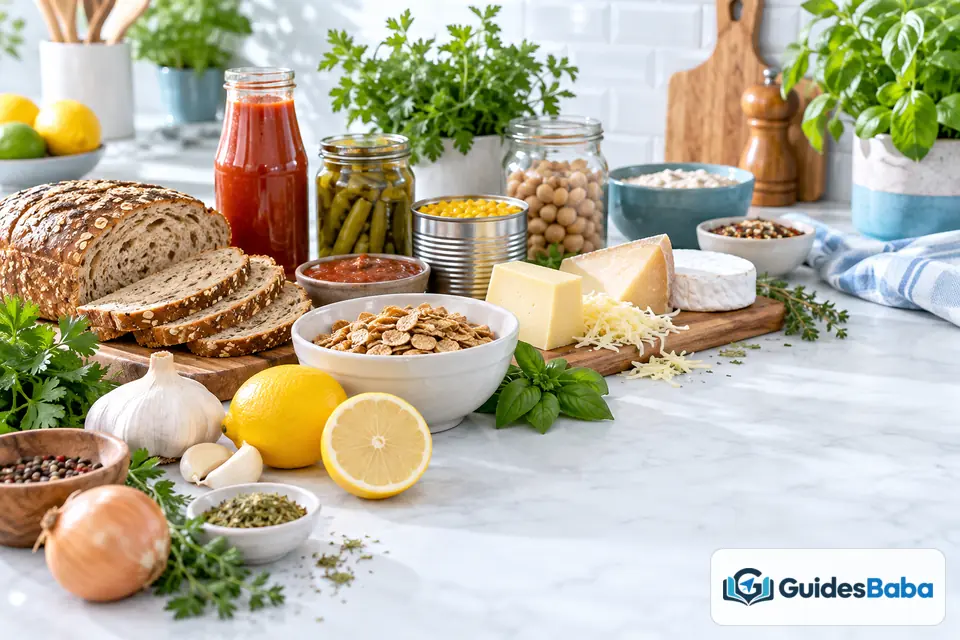
Not all sodium comes from table salt. Many additives carry sodium too. They add none of the salty taste.
Baking soda contains sodium bicarbonate. Some preservatives use sodium compounds. Flavour enhancers add more still. These sources leave no salty flavour behind.
This is why mild food can score high. Additives raise sodium quietly. The ingredient list reveals them. Watch for the word sodium repeated. Disguises hide in the fine print. Read every line with fresh care.
Drinks and sweet treats
Some drinks carry sodium you never taste. Sports drinks and certain sodas add it. Sweetness hides the salty note fully.
Sweet baked treats can surprise you too. Puddings and pastries use salt for balance. Instant hot drinks add small amounts. None of these taste salty at all.
Read the label on drinks and desserts. Do not assume sweet means salt free. Choose water and fresh fruit often. Simple swaps trim quiet sodium. Taste will not warn you here. Sweet drinks deserve a second look.
Ready meals and packaged foods
Ready meals blend many salty ingredients. Sauces, cheese, and meat all add sodium. Sweet elements mask the total taste.
Packaged snacks and mixes hide plenty. Even mild flavours can score high. Convenience often comes with extra salt. One tray can dominate your day.
Check the sodium figure before buying. Compare similar products on the shelf. Cook a fresh version when you can. Home meals put you in charge. Labels guide the smarter choice. A fresh swap trims real sodium.
Salty tasting foods versus quietly salty foods

People often ask why the confusion exists. The honest comparison sets two groups apart. One tastes salty, the other hides it.
| Obviously salty foods | Quietly salty foods |
|---|---|
| Crisps, pretzels, and salted nuts | Bread, cereal, and sweet sauces |
| Taste warns you clearly | Taste gives no warning |
| Easy to spot and limit | Easy to overlook entirely |
| Salt is the main flavour | Sugar or fat hides the salt |
Quiet sources cause the most trouble. They slip past your taste buds. Their totals build without notice. The label is your only guard.
Why makers add hidden sodium
Manufacturers add sodium for several reasons. It preserves food and extends shelf life. It also improves texture and colour.
Salt boosts flavour in cheap ingredients. It holds moisture in meats and bakes. It even masks off notes in products. These roles keep sodium high.
None of these jobs require a salty taste. The food can stay mild or sweet. Sodium still does its quiet work. Function, not flavour, drives the amount. That is why taste misleads you. Function quietly drives the salt up.
How to spot hidden sodium
Labels are your best sodium detector. Check the sodium line on every pack. Compare it against the serving size.
Scan the ingredient list for sodium words. Baking soda and preservatives count too. Several sodium names may appear. Each one adds to the total.
Do not rely on taste as a guide. Sweet and mild foods can score high. See what a balanced diet looks like. The label never lies to you. Make label reading a quick habit.
Common myths about hidden sodium
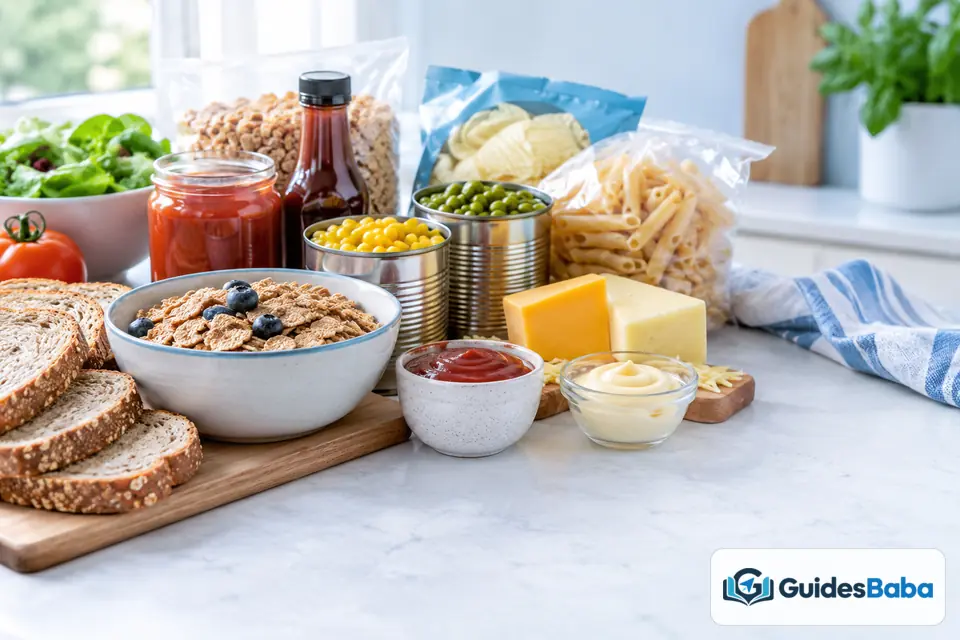
One myth says sweet food has no salt. Many sweet products carry real sodium. Sugar simply hides the taste.
Another myth claims mild food is safe. Mild flavour tells you nothing about sodium. Only the label gives the number.
Some people think additives do not count. Sodium from additives adds up fully. It raises your total without flavour. Every source matters in the end.
Common mistakes people make
One common mistake is trusting taste alone. Many salty foods do not taste salty. The label reveals the hidden truth.
Another mistake is ignoring sweet products. People check crisps but skip cereal. Quiet sources slip through the gap.
Some people forget drinks and sauces. These add sodium without a salty edge. A quick label check catches them. Attention closes the hidden gap.
Who might need tailored advice
General food lists suit many healthy adults. Still, some people have special needs. Certain conditions change the sodium picture.
Blood pressure concerns often need careful limits. Some medicines interact with sodium levels. Your doctor knows your situation best.
This is not medical advice. See a professional for your personal needs. Use these ideas as a friendly guide. A short chat can prevent bigger problems.
Hidden sodium and a balanced diet
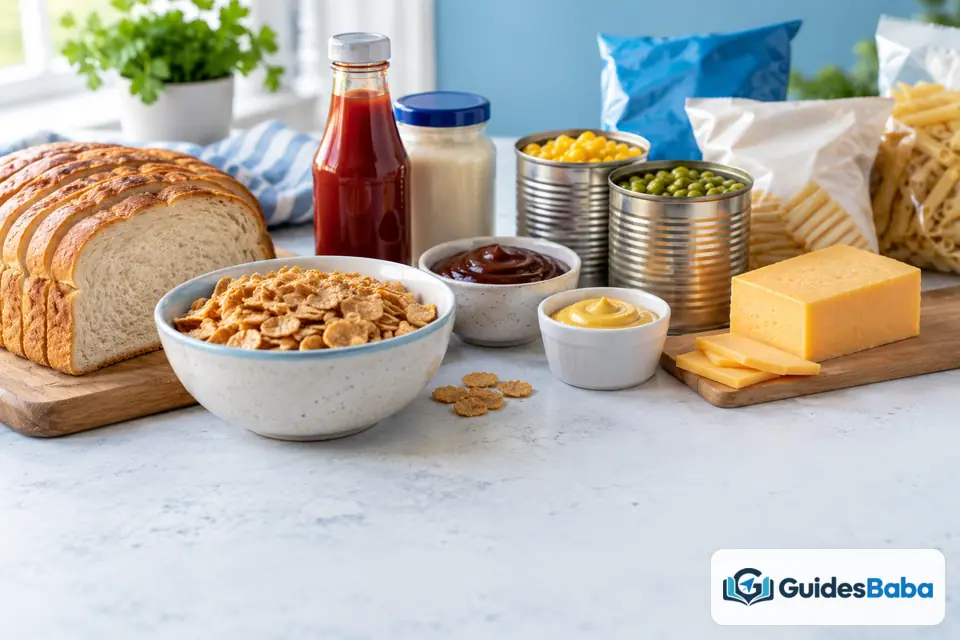
Hidden sodium fits a wider pattern. Your body needs only a little salt. The trouble comes from quiet excess.
Balance packaged foods with fresh produce. Potassium rich foods help offset sodium. Compare the foods highest in potassium too. Variety keeps the whole plate steady.
Treat labels as your trusted signal. Pair whole foods with mindful cooking. This mix keeps sodium in check. A simple plate does the heavy lifting. Good habits compound quietly over time.
Frequently asked questions
Why do mild foods contain so much sodium?
Sugar and fat hide the salty taste. Additives can add sodium without flavour.
Does sweet food contain sodium?
Yes, many sweet foods hide salt. Sugar masks the salty note completely.
Why is bread high in sodium?
Salt shapes texture and controls yeast. People also eat bread in quantity.
Can sodium come from something other than salt?
Yes, additives like baking soda add sodium. They leave no salty taste behind.
Is breakfast cereal high in sodium?
Many cereals carry real sodium. Salt sharpens flavour even in sweet ones.
How do I find hidden sodium?
Read the sodium line on labels. Scan the ingredients for sodium words.
Do sweet sauces have sodium?
Yes, ketchup and barbecue sauce hide salt. Sweetness covers the salty edge.
Does taste show how salty a food is?
No, taste is a poor sodium meter. Mild foods can still score high.
Are ready meals high in sodium?
Often yes, even mild tasting ones. Sauces and cheese raise the total.
How can I avoid hidden sodium?
Cook fresh food and read labels closely. Do not judge salt by taste.
The bottom line
So why are some foods high in sodium even when they don’t taste salty? Sugar and fat hide the salt. Additives add sodium without any flavour. Bread, cereal, and sweet sauces slip by. Taste simply cannot warn you.
Quiet sources cause the most trouble. Read labels and trust the numbers. Cook fresh food to stay in control. Small daily habits truly add up over time.
For more background, read this overview of sodium. You can also explore how a food additive can carry sodium. Use trusted sources to guide your plate.
This is not medical advice. See a professional for your personal needs. Check one label today. Then build slowly from there. Your plate will thank you.