

Fiber is the unsung hero of a healthy plate. It quietly does a mountain of good work. So what foods contain the most fiber? The best sources may already sit in your kitchen.
Rather than reaching for pills, start with real food. Whole plants deliver fiber in a tasty package. They bring vitamins and minerals along too. Your body prefers fiber from real meals. These foods shape how fruits and vegetables support you.
Here is the honest answer. Beans and lentils top most fiber lists. Whole grains, berries, and vegetables follow close behind. Nuts, seeds, and avocado add even more. A varied plate hits high numbers with ease. This is not medical advice. See a professional.
This guide covers the richest fiber foods in plain language. You will see which choices pack the most. We will compare food fiber and supplement fiber. Many tips link back to ways to increase fiber in your diet.
So what foods contain the most fiber?

The honest answer starts with plants. Beans and lentils lead the whole pack. Whole grains, fruit, and vegetables come next. Nuts and seeds round out the top tier. Avocado and peas deserve a mention too.
Think of fiber foods as a colorful toolbox. Each one adds a few grams. Together they build a strong daily total. No single food has to carry it alone.
Do you need exotic superfoods to win? Not at all, and that saves money. Everyday beans and oats do the job. Simple staples carry the most fiber. Your wallet and gut both benefit. Fancy labels rarely mean more fiber.
What makes a food high in fiber
High fiber foods share a few traits. They are whole, plant based, and lightly processed. That means their natural structure stays intact.
Skins, seeds, bran, and pulp all hold fiber. Refining strips much of that away. So whole versions always win here. Juicing also removes much of the fiber.
Look for foods you can picture growing. Beans, grains, fruit, and vegetables fit that test. The less processing, the more fiber remains. Whole beats refined nearly every time.
Did you know?
A single cup of cooked beans is a fiber giant. It can cover a large share of your daily goal.
Beans and lentils lead the list

Beans and lentils sit at the very top. They pack fiber and protein in one bite. Few foods match their all-round value.
Black beans, chickpeas, and kidney beans shine. Lentils cook fast with little effort. Canned versions save even more time.
Add them to soups, stews, and salads. Blend chickpeas into a simple dip. Split peas make a hearty, cheap soup. A few servings each week go far. Mix different beans for variety and interest.
Whole grains and oats
Whole grains are a dependable fiber source. Oats, brown rice, and whole wheat lead. They keep the bran and germ intact.
That intact structure holds most of the fiber. Refined grains lose much of it. So whole versions win every time. Look for whole grain first on the label.
Start your day with a warm bowl of oats. Swap white bread for whole grain. Barley and quinoa are tasty options too. Whole grain pasta is another easy pick.
Berries and other high fiber fruits

Berries punch well above their weight. Raspberries and blackberries are especially rich. Their tiny seeds hold plenty of fiber. Strawberries and blueberries help as well.
Apples, pears, and oranges rank high too. Eat the skins for an extra boost. Whole fruit beats juice every time. Bananas add a gentle fiber boost too.
Dried fruit is concentrated, so keep portions small. Prunes and figs are classic fiber helpers. A handful goes a long way. Kiwi and guava are rich picks too.
Vegetables worth loading up on
Vegetables deliver fiber with very few calories. Broccoli, carrots, and Brussels sprouts stand out. Leafy greens add steady amounts too.
Keep skins on where you can. Roast or steam rather than boil away nutrients. See the best vegetables to eat often.
Aim to fill half your plate with vegetables. Fresh, frozen, and canned all count. A rainbow of colors serves you best. Artichokes and sweet potatoes are strong choices.

Nuts and seeds for a fiber boost
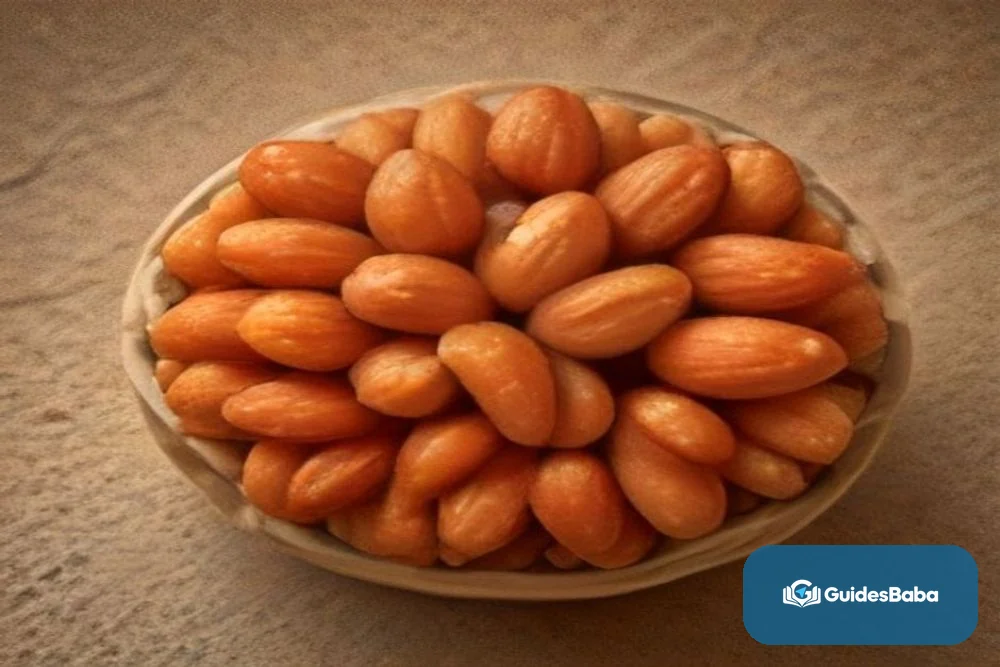
Nuts and seeds carry fiber and healthy fat. Almonds, chia, and flax stand out. A small handful adds up fast.
Sprinkle chia or flax onto oats and yogurt. Snack on almonds instead of chips. These little foods pack a big punch. Pumpkin and sunflower seeds work well too.
Keep portions modest, since they are calorie dense. A small scoop is plenty each day. Store them somewhere easy to reach. Pumpkin seeds make a crunchy topping.
Avocado and other surprising sources
Avocado brings creamy fiber to the table. It also carries healthy fats and flavor. Half an avocado is a fine serving. It suits toast, salads, and dips.
Sweet potatoes with skin hold good fiber. So do green peas and sweet corn. These everyday foods often get overlooked.
Spread mashed avocado on whole grain toast. Add peas to rice or pasta dishes. Roast sweet potato wedges with the skin. Small additions lift your fiber quietly. Corn on the cob counts as well.
Popcorn and other whole grain snacks
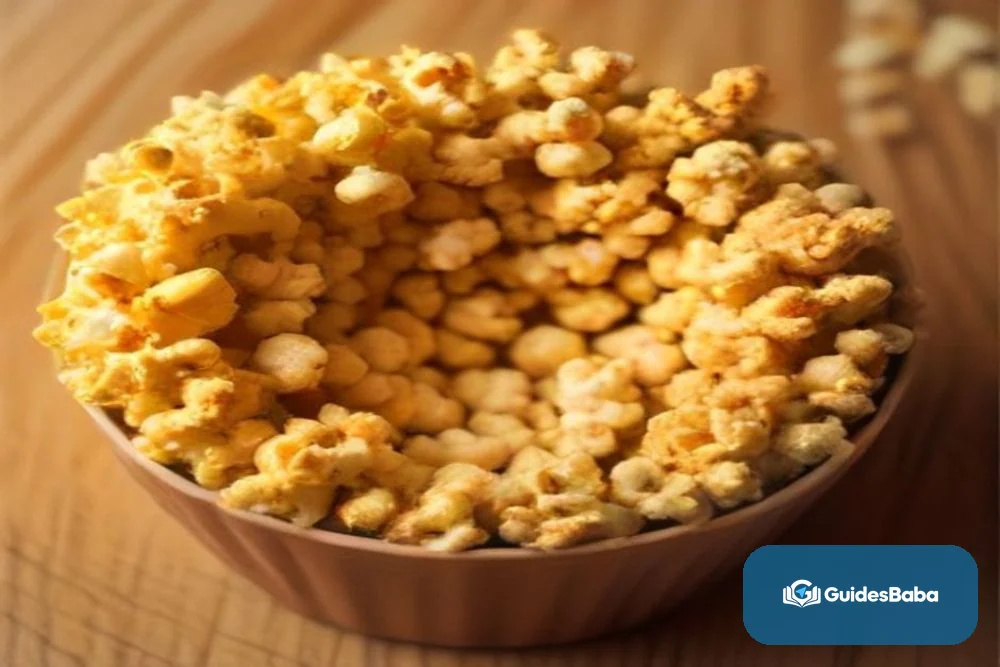
Popcorn is a whole grain in disguise. Air-popped, it offers fiber for few calories. It makes a fun, crunchy snack.
Go easy on butter and heavy salt. Season lightly with herbs instead. The whole grain does the good work. It beats chips as a movie snack.
Whole grain crackers can help as well. Check labels for real whole grain first. Simple swaps keep snacks working for you.
Soluble and insoluble fiber sources
Fiber comes in two useful forms. Both appear across whole plant foods. Most items carry a natural mix.
Oats and beans are rich in soluble fiber. Wheat bran and skins bring insoluble fiber. Explore the difference between soluble and insoluble fiber.
You do not need to separate them. Eating varied plants gives you both. Variety is the simplest strategy here. A mixed plate covers both types well.
Whole food fiber versus supplement fiber

People often ask which fiber source is better. The honest comparison is about food versus pills. Each has a place, but food leads.
| Whole food fiber | Supplement fiber |
|---|---|
| Comes with vitamins and minerals | Offers fiber and little else |
| Naturally filling and tasty | Easy but less satisfying |
| Supports a varied diet | Fills gaps on hard days |
| Best for everyday intake | Use only as a backup |
Food should always come first here. Supplements can help on busy days. Ask a professional before you start one. Real food remains the smarter default.
Easy ways to add these foods
Adding fiber foods is simpler than it sounds. Stir beans into a favorite soup. Toss berries onto your morning oats.
Swap white rice for brown at dinner. Keep nuts and fruit ready for snacks. Each small swap lifts your total higher.
Add a little more every few days. A slow climb keeps your gut happy. Patience makes the change stick. Small steps beat sudden overhauls here.
Building a high fiber plate

A high fiber plate follows a simple pattern. Fill half with vegetables and fruit. Give a quarter to whole grains.
Save the last quarter for beans or lean protein. Add a sprinkle of seeds on top. This picture reaches high numbers easily. Swap in a new food each week.
You do not need to weigh anything. A glance and hand cues work fine. Balance beats precise counting for most people. Adjust the plate to fit your appetite.
High fiber foods on a budget
Fiber does not have to cost much. Dried beans and oats are very cheap. Frozen vegetables stretch a budget well.
Buy grains and legumes in bulk. Seasonal fruit often costs the least. Canned beans are a fast, thrifty option.
Simple staples deliver the most fiber per coin. You rarely need pricey superfoods. Smart shopping keeps fiber affordable. Batch cooking stretches every dollar further.
Fiber and water go together
High fiber foods work best with water. Water helps fiber move smoothly through you. Without it, more fiber can feel heavy.
Sip water steadily across the day. Pair each fiber-rich meal with a glass. This simple habit keeps things comfortable.
Your needs rise with heat and activity. Let thirst guide your intake naturally. Pale urine usually signals good hydration. Keep a water bottle within easy reach.
Reading labels for fiber content
Labels help you spot true fiber foods. Check the grams of fiber per serving. Higher numbers usually mean a better choice.
Read the ingredient list near the top. Whole grains should appear early there. Watch serving sizes, since they can be small.
Do not trust front-of-box claims alone. Marketing words can mean very little. Let the real numbers guide you. Compare similar products side by side.
Common mistakes when chasing fiber
One common mistake is adding fiber too fast. That often brings bloating and discomfort. A slow, steady climb works better.
Another mistake is leaning only on supplements. Whole foods bring fiber plus other nutrients. Food should lead, with pills as backup.
Some people also forget to drink water. Fiber needs water to do its job. The two really work as a team. Skip the water and fiber feels heavy.
Who might need tailored fiber advice
General food lists suit many healthy adults. Still, some people have special needs. Certain gut conditions change the picture.
Some people must adjust fiber for medical reasons. Sudden changes can affect sensitive digestion. Your doctor knows your situation best.
This is not medical advice. See a professional. Use these food ideas as a friendly guide. Adjust them to fit your own body. A short chat can prevent bigger problems.
Frequently asked questions
What food has the most fiber?
Beans and lentils top most fiber lists. A single cup delivers a big amount.
Are fruits or vegetables higher in fiber?
Both offer solid fiber in different ways. Variety across the two works best.
Do whole grains have more fiber than white?
Yes, whole grains keep the bran and germ. That holds most of their fiber.
Are nuts a good fiber source?
Yes, nuts and seeds add fiber and healthy fat. Keep portions small, since they are dense.
Is popcorn really high in fiber?
Air-popped popcorn is a whole grain snack. It offers fiber for very few calories.
Can I get enough fiber without meat?
Yes, plants are the main source anyway. Beans, grains, and produce cover your needs. Plant eaters often reach fiber goals easily.
Do fiber supplements replace whole foods?
No, whole foods bring extra nutrients too. Use supplements only as a backup.
Which fruits have the most fiber?
Berries, pears, and apples rank near the top. Eat the skins for even more. Kiwi and guava rank highly too.
Does cooking reduce a food’s fiber?
Cooking changes texture more than total fiber. Most fiber survives gentle cooking fine. Steaming keeps more nutrients than boiling.
How can I add fiber without bloating?
Add it slowly over a week or two. Drink more water as intake rises.
The bottom line
So what foods contain the most fiber? Beans and lentils lead the pack. Whole grains, berries, and vegetables follow close. Nuts, seeds, and avocado add even more. A varied plate reaches high numbers easily.
Whole plants make fiber simple and cheap. Reach for real food before any pill. Variety keeps every meal interesting. Small daily habits truly add up over time.
For more background, see this overview of dietary fiber. You can also read about the legume family that leads the list. Use trusted sources to guide your plate.
This is not medical advice. See a professional for your personal needs. Add one high fiber food today. Then build slowly from there. Your gut will thank you.