
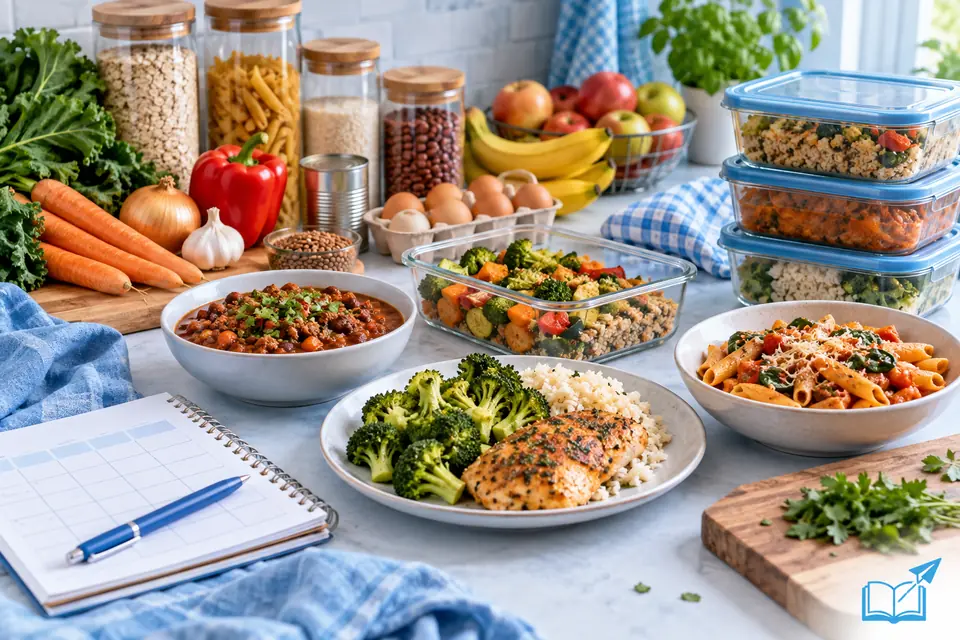

Grocery bills can creep up fast. A little planning fights back. So how can meal planning save money? The savings hide in plain sight.
Rather than shopping on impulse, plan first. A short session shapes your spending. You buy less and waste less. A good plan works like a budget. It supports a healthier everyday diet too.
Here is the honest answer. Planning cuts food waste and impulse buys. You shop once with a clear list. Cheap staples and leftovers stretch further. Fewer takeaways mean lower weekly costs. This is not medical advice. See a professional.
This guide covers the savings in plain language. You will learn where the money leaks. We will compare planned and unplanned shopping. Many tips link back to a simple, steady routine.
So how can meal planning save money?
The honest answer is fewer wasted pounds. You buy only what you need. You use what you buy. Less food ends up binned.
Think of a plan as a spending guard. It blocks random purchases. It points every pound at a meal. That focus quietly trims the bill. The plan pays for itself. Every item earns its place. Nothing rides along by accident.
Do you need coupons or extreme tricks? Not at all, and that is freeing. Simple planning does the heavy lifting. Your basket shrinks on its own. Small habits protect your budget. A plan beats any single coupon.
Why planning cuts your costs
Planning removes the guesswork that costs money. You stop buying food you never cook. That waste quietly disappears.
The savings come from several sources. You waste less and shop less often. Impulse buys drop right away. Cheap meals replace pricey takeaways. Every trip becomes more purposeful. Home cooking beats delivery on cost. Small changes free up real cash.
Leaning on a plan feels reassuring. You know each item has a job. No random spending or panic buys. Every week gains a tighter budget. A simple list does quiet work. Your wallet notices the difference.
Did you know?
Households throw away a large share of the food they buy. Planning meals can cut that loss sharply.

Cutting food waste
Wasted food is wasted money. A plan targets this leak first. You buy only what you use.
Check your kitchen before each shop. Plan meals around what needs using. Fresh produce goes into early dinners. Nothing rots forgotten at the back. Less waste means real savings.
Store food well to stretch it further. Freeze extra portions for later. Use tired vegetables in soups. A little care saves plenty. Every rescued item counts. Waste less and spend less.
Fewer impulse buys
Unplanned shopping invites impulse buys. Shiny offers pull you off course. A list keeps you steady.
Walk in with a clear plan. Buy what the plan needs. Skip the tempting extras at eye level. Your basket stays lean and focused. Discipline here saves real money. Offers only tempt the unplanned. A plan makes you immune.
Eat before you head out. Hunger pushes random choices. A full stomach shops wisely. The list stays in charge. Small habits guard your budget. Fewer extras mean a smaller bill. A short list keeps you honest. Temptation loses its easy grip.
Shopping once, not often
Frequent trips drain your wallet. Each visit invites extra buys. Planning cuts the trips down.
One weekly shop covers your meals. You skip the daily top-up runs. Fewer visits mean fewer temptations. Time and money both stay safe. A single trip keeps focus tight.
Build a full list from your plan. Buy the week in one go. Reach for staples in larger bags. Fewer journeys save fuel too. Planning turns many trips into one. Your budget breathes easier.
Buying cheaper staples
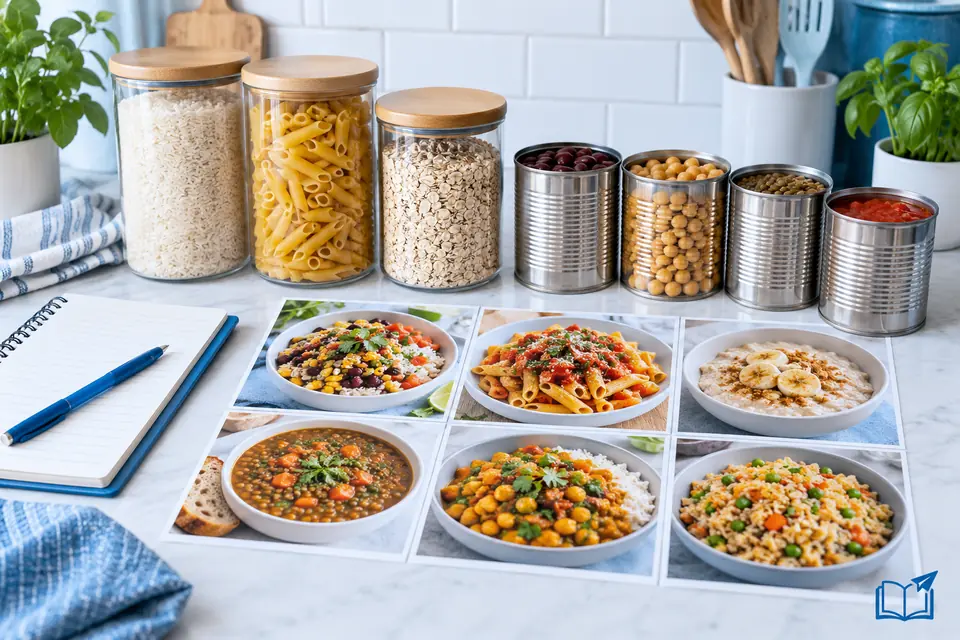
Planning lets you lean on staples. Beans, rice, and eggs cost little. They stretch across many meals.
Build dinners around these basics. Add vegetables and a little protein. Cheap staples anchor a filling plate. See fibre-rich foods high in fibre for value. They fill you up for less. A hearty bowl costs very little. Filling meals need not be dear.
Buy dry goods in larger bags. The price per serving drops. Store them for weeks ahead. Simple staples beat costly ready meals. Smart shopping keeps costs low. A full cupboard saves money.

Cooking in batches
Batch cooking saves money and time. You cook once for several meals. The cost per portion falls.
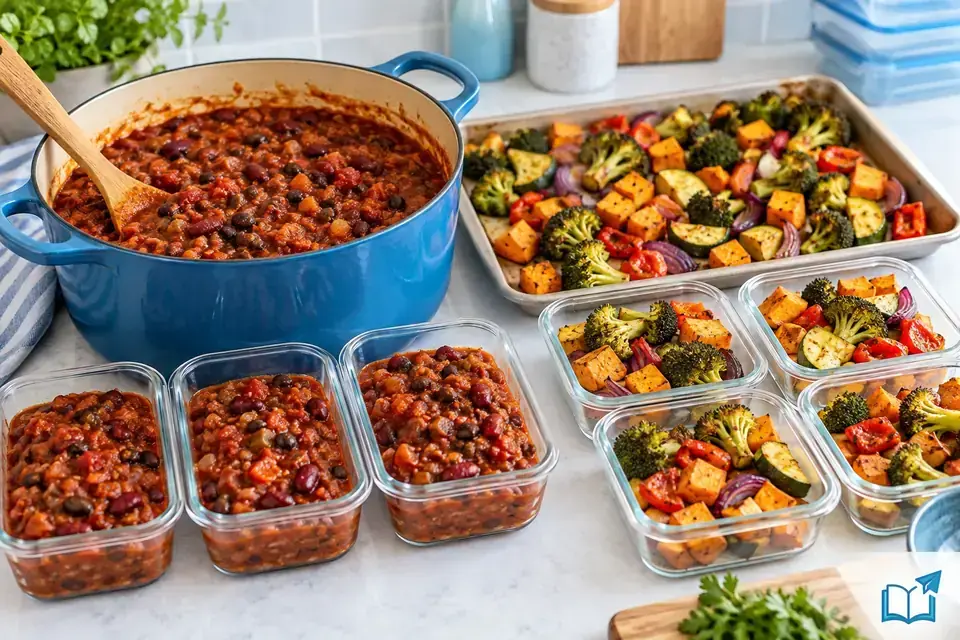
Make a big pot of stew. Portion it for the week. Freeze extras for busy nights. One session feeds many dinners. Batching stretches every ingredient.
Use the oven while it is hot. Roast several trays at once. Energy costs then spread out. A full oven works harder. Little tricks add up nicely. Batch cooking pays you back.
Using leftovers well
Leftovers are money already spent. Wasting them wastes cash. A plan puts them to work.
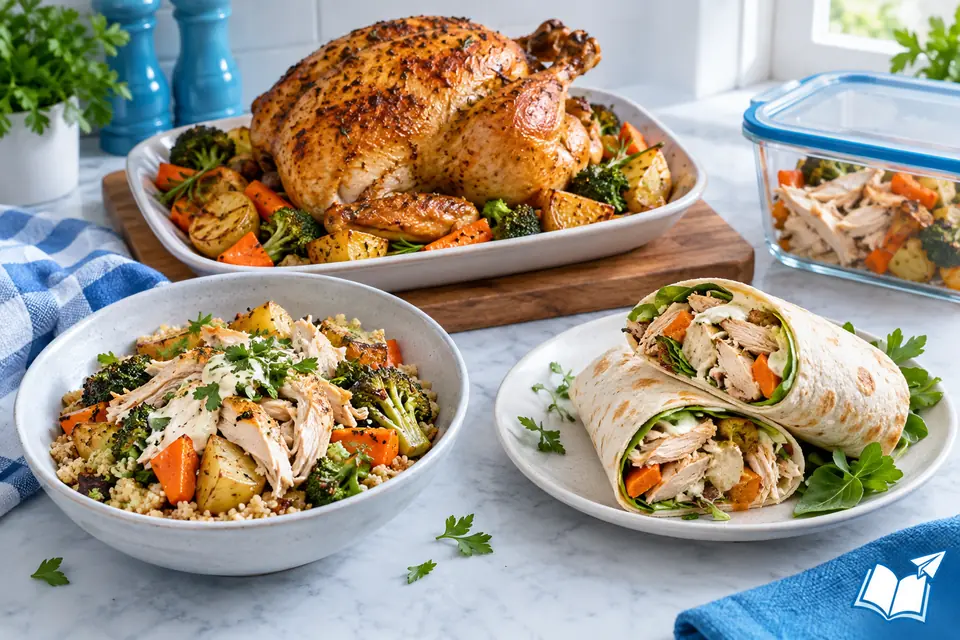
Cook extra at dinner on purpose. Pack it for tomorrow’s lunch. One meal quietly feeds two. This trick saves real money. Leftovers stretch your effort further. One pot can cover two meals. Cooking once pays off twice.
Turn odd bits into new meals. Old vegetables become a soup. Stale bread makes croutons. Nothing useful gets binned. Creativity trims the bill. Leftovers are free food waiting. A little imagination stretches every meal. Nothing tasty needs to be binned.
Fewer takeaways and impulse meals
Takeaways cost far more than home cooking. A plan removes the excuse. You always have a meal ready.
Late nights often trigger takeaways. A quick planned dinner beats them. Keep easy meals for tired evenings. Your fridge answers the craving. Home cooking wins on price.
Stock a few fast meals ahead. Eggs or pasta cook in minutes. That speed rivals delivery. The savings add up weekly. Planning guards against splurges. Cook in, spend less. A ready meal removes the excuse. Delivery loses its late-night pull.
Tracking where your money goes
A quick look at spending reveals leaks. Note what you buy each week. Patterns soon become clear.
Maybe snacks or drinks creep up. Perhaps waste keeps hitting the bin. Spotting the leak helps you fix it. Small awareness sharpens your plan. Numbers guide smarter choices.
You do not need strict spreadsheets. A rough tally works fine. Watch the biggest leaks first. Adjust next week’s plan to match. Simple tracking pays off. Awareness quietly trims the bill.

Comparing planned and unplanned shopping
People often ask if planning truly helps. The honest comparison is planned versus unplanned shopping. Each leads somewhere different.
| Planned shopping | Unplanned shopping |
|---|---|
| Buys only what meals need | Buys on impulse and mood |
| Wastes very little food | Often bins forgotten food |
| One focused weekly trip | Many small costly trips |
| Leans on cheap staples | Leans on pricey ready meals |
You can see where the money goes. Unplanned trips leak cash quietly. Planned shopping plugs those leaks. The habit pays you back weekly. A plan keeps your money working.
Planning around sales and seasons
Smart planning follows the deals. Seasonal produce often costs less. Build meals around what is cheap.
Check offers before you plan. Slot discounted items into meals. Buy extra staples when they drop. Freeze what you cannot use yet. Seasonal eating trims the bill.
Do not chase every deal blindly. Only buy what you will use. A bargain wasted saves nothing. Match offers to your plan. Sensible deals help most. Seasons guide cheap, tasty meals. Produce tastes best in its season. Freshness and price often line up.
Keeping meals healthy and cheap
Saving money need not hurt nutrition. Cheap meals can still nourish. Balance stays within reach.
Beans and lentils offer protein for less. Frozen vegetables keep value high. See the best vegetables to eat for ideas. Whole foods often beat processed ones on price.
You do not need costly superfoods. Simple staples cover most needs. Cook from scratch where you can. Balance and budget can coexist. Small swaps lift both. Healthy eating fits a tight budget. Whole ingredients often cost the least. Value and nutrition can travel together.
Common myths about saving with planning
One myth says planning takes too long. A short weekly session is plenty. The time saves you money.
Another myth claims healthy food costs more. Cheap staples prove that wrong. Beans and oats stretch far. Planning finds the value. Good food need not drain you.
Some think bulk buying always saves. It only helps if you use it. Wasted bulk saves nothing. Buy what your plan uses. Balance beats blind stockpiling. Smart limits protect your cash.
Common mistakes people make
One common mistake is skipping the kitchen check. You then rebuy food you own. Always look before shopping.
Another mistake is ignoring leftovers. Good food sits and spoils. Plan a meal to use them. A simple balanced plate can use odds and ends. Waste undoes your savings.
Some people shop while hungry. Impulse buys then pile up. Eat first, then shop calmly. Stick closely to your list. Small habits guard the budget. Focus keeps the trip cheap. A calm shopper spends far less. Rushing invites costly mistakes.
Who might need tailored advice
General money tips suit many households. Still, some people have special needs. Certain diets change the picture.
Some plans require specific foods closely. Those items may cost more. A professional can guide swaps. Allergies also shape safe, cheap choices.
This is not medical advice. See a professional for your personal needs. Use these money ideas as a friendly guide. A short chat can prevent bigger problems.

Meal planning, money, and balance
Saving money and eating well fit together. A plan serves both goals. Balance grows easier to keep.
Lean on cheap, filling staples often. Add vegetables and simple protein. No single meal blows the budget. Variety across days matters most.
Treat the plan as a gentle framework. Adjust it as prices shift. Pair value foods with fresh produce. This mix keeps meals rounded. A simple plan does the lifting. Good habits compound quietly over weeks. Each thrifty week builds on the last. Savings grow while meals stay tasty.
Frequently asked questions
How can meal planning save money?
It cuts waste and impulse buys. You shop once and use cheaper staples.
Does planning really cut food waste?
Yes, you buy only what you need. Less food rots forgotten in the fridge.
Is healthy eating too expensive?
No, beans, oats, and frozen veg cost little. Simple staples keep meals cheap.
How do leftovers save money?
They are food already paid for. Reusing them gives you a near-free meal.
Should I shop once a week?
Yes, one trip limits impulse buys. Fewer visits usually mean lower spending.
Does batch cooking save money?
Yes, cooking once lowers the cost per portion. It also saves time and energy.
Do I need coupons to save?
No, simple planning does most of the work. Coupons are a small bonus.
Should I buy in bulk?
Only buy bulk you will actually use. Wasted bulk saves you nothing.
How do sales fit a plan?
Check offers, then plan meals around them. Only buy what your plan needs.
Does planning reduce takeaways?
Yes, a ready meal beats delivery. You spend far less cooking at home.
The bottom line
So how can meal planning save money? It cuts food waste and impulse buys. You shop once with a clear list. Cheap staples and leftovers stretch further. Fewer takeaways keep your weekly costs down.
A plan turns spending into a choice. You aim every pound at a meal. Value and balance can live together. Small weekly steps truly add up over time.
For more background, read this overview of food waste and its scale. You can also explore the idea of frugality as a habit. Use trusted sources to guide your budget.
This is not medical advice. See a professional for your personal needs. Plan one thrifty week today. Then build slowly from there. Your wallet will thank you.