
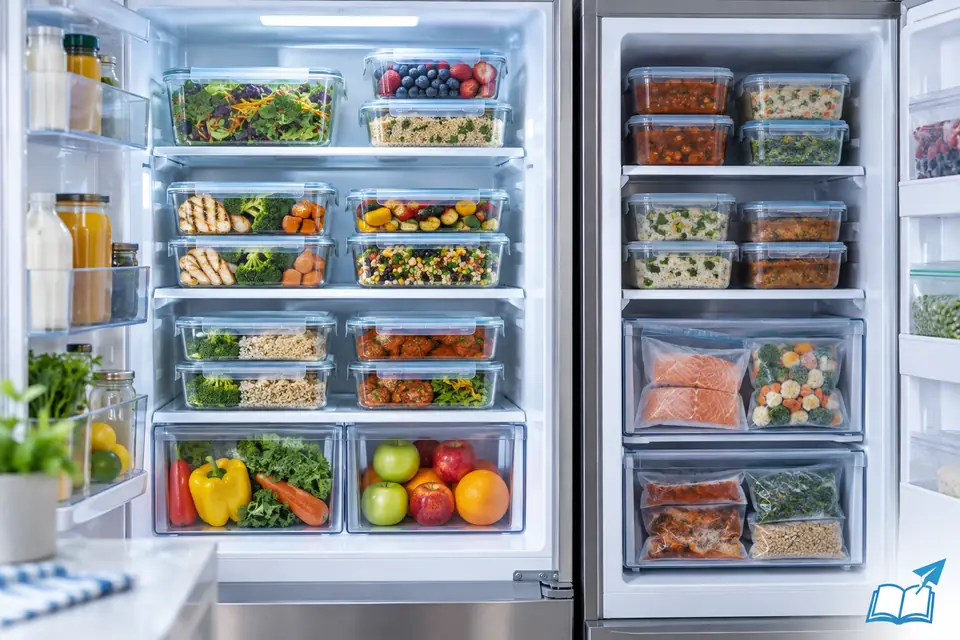
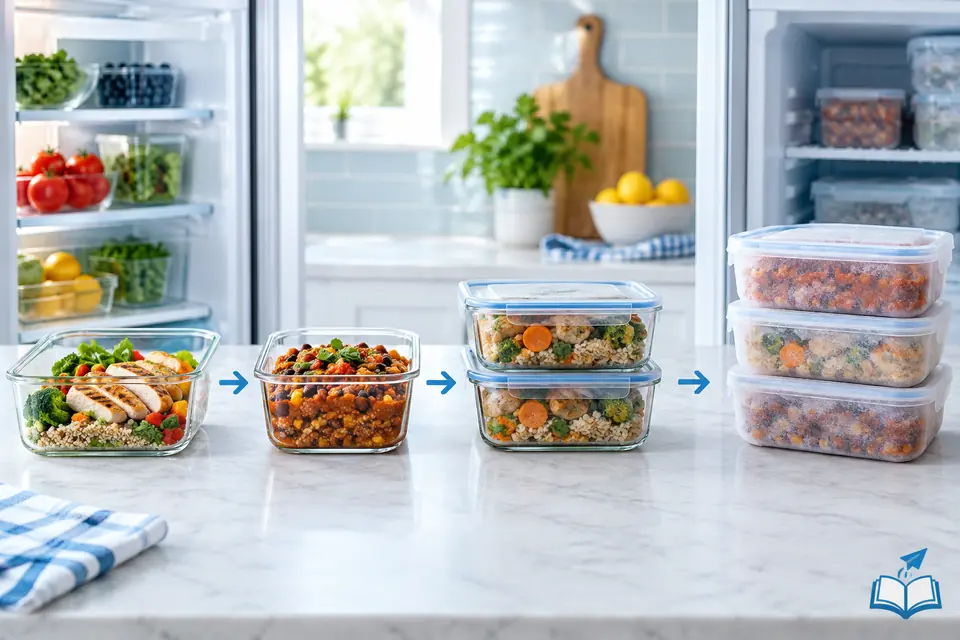
A fridge full of ready meals feels like magic. Then you wonder if they will keep. So how far ahead should you meal prep? The answer is easier than you fear.
Rather than cooking every single night, prep in batches. A short session covers several days. You save time, effort, and worry. Good prep works like money in the bank. It supports what a balanced diet looks like.
Here is the honest answer. Most cooked meals stay fresh three to four days chilled. Prep one to four days ahead for the fridge. Freeze anything you need beyond that window. Always cool food fast and store it well. This is not medical advice. See a professional.
This guide covers meal prep timing in plain steps. You will learn safe fridge and freezer windows. We will compare fridge prep and freezer prep. Many tips link back to a simple, steady routine.
So how far ahead should you meal prep?
The honest answer starts with your storage plan. Fridge meals suit the next few days. Freezer meals stretch much further out.
Think of prep like packing a lunchbox early. It saves you a scramble later. You still want the food fresh. Most fridge meals hold three to four days.
Do you need to prep two weeks ahead? Not usually, and that is a relief. A few days covers most people. Your freezer handles the longer horizon. A short prep session is a great start.
Why timing matters in meal prep
Timing keeps your prepped food safe. Cooked meals do not last forever. Freshness fades a little each day.
Prep too far ahead and quality drops. Textures soften and flavours dull. Some meals also spoil faster. Smart timing protects both taste and safety. A tight window keeps meals appealing.
Leaning on the right timing feels calm. You cook once, then eat with ease. No nightly stress or rushed choices. Every week gains a gentle rhythm. Good timing does quiet work. Your future self thanks the effort.
Did you know?
Most cooked leftovers stay safe about three to four days when chilled well. The freezer safely extends that window into weeks.
The three to four day fridge rule
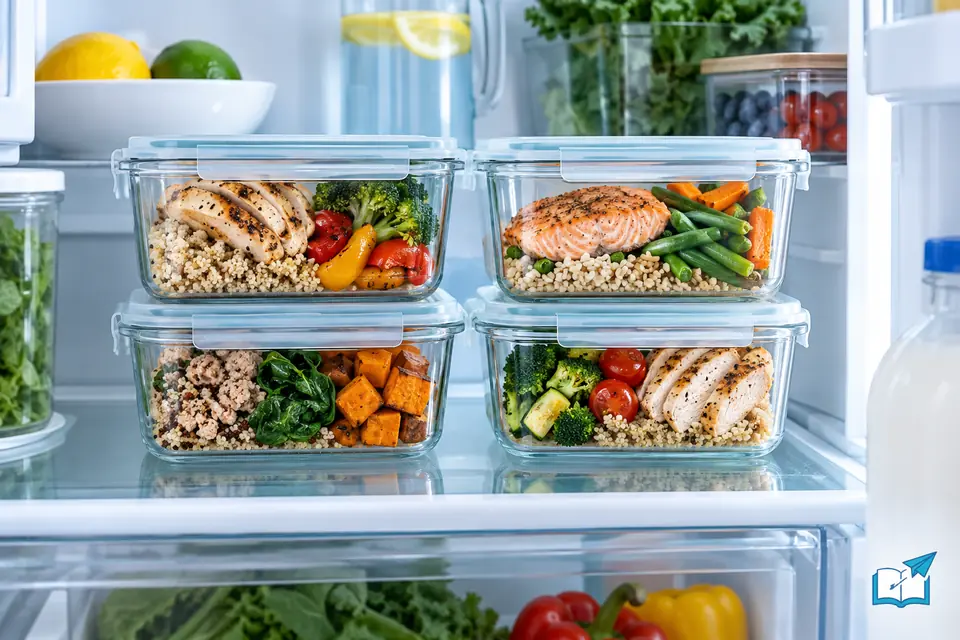
The fridge is your short term friend. It holds most cooked meals well. The common window is three to four days.
Plan fridge meals for early in the week. Eat the freshest batches first. Push anything later into the freezer. This simple rule guides your prep. A clear window keeps meals safe.
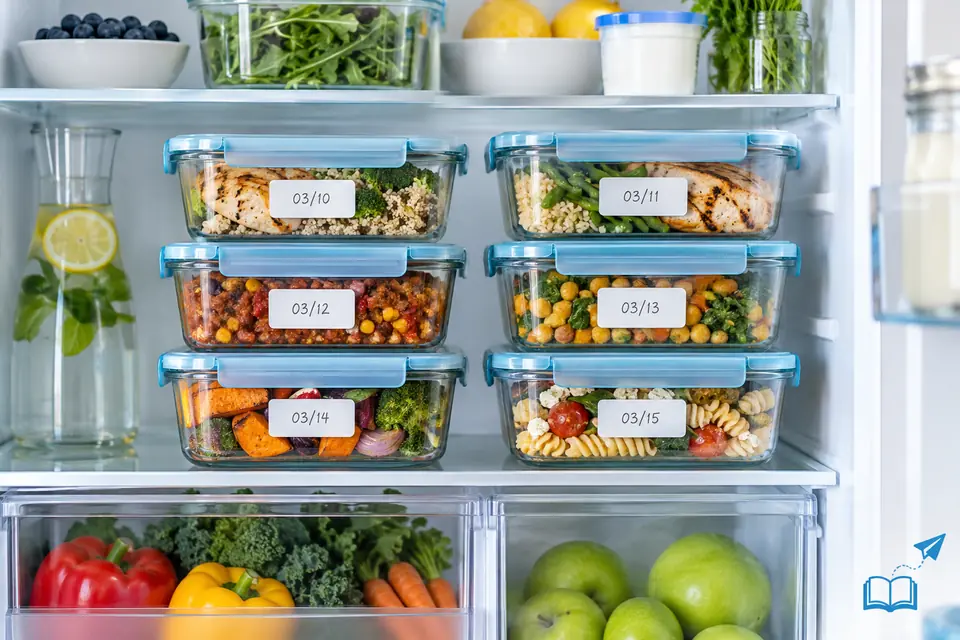
Label each container with the cook date. A quick note prevents guesswork later. You then eat things in order. Older meals never hide at the back. Dates keep your fridge honest.
Prepping meals for the fridge
Fridge prep suits the next few days. It needs no thawing at all. You simply reheat and eat.
Cook meals you will finish quickly. Salads, grain bowls, and stir fries work well. Store them in sealed containers. Keep the fridge cold and tidy. Fresh prep makes weeknights simple.
Do not crowd the shelves too tightly. Cold air needs room to move. Space helps food chill evenly. Try the meal prep for the week ideas for structure. A cool fridge keeps meals at their best.
Prepping meals for the freezer
The freezer unlocks a longer horizon. It pauses freshness for weeks ahead. Many meals freeze beautifully.
Soups, stews, and sauces freeze very well. Cook a double batch and freeze half. Portion meals before you store them. Then thaw only what you need. Freezing turns one effort into many dinners.
Cool food fully before it goes in. Warm containers raise the freezer temperature. Use flat bags to save space. Label each one with a date. A stocked freezer eases busy nights.
Match prep to your real schedule
Your prep window must fit your life. Look honestly at your week ahead. Then decide how far to prep.
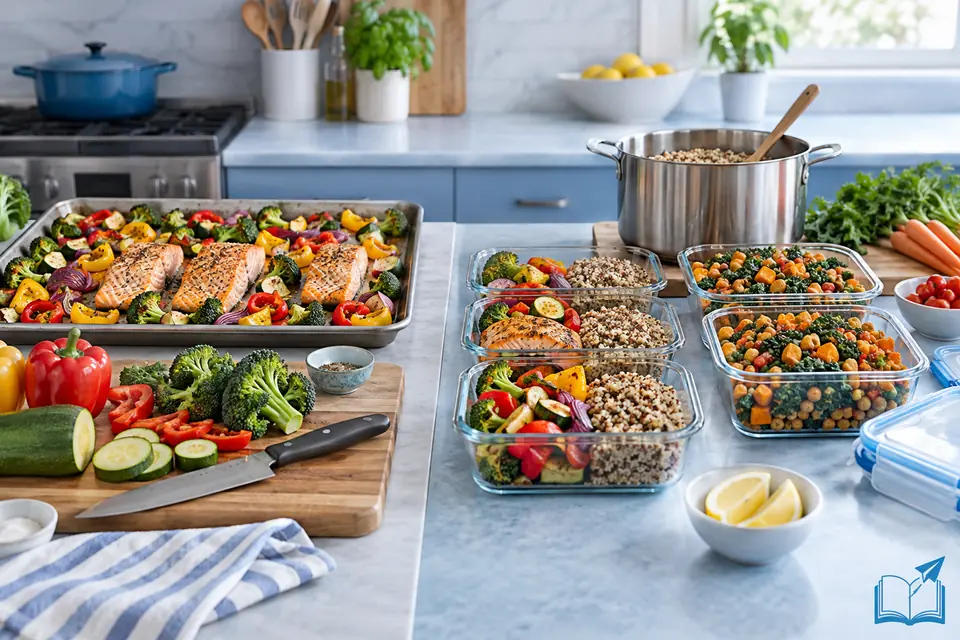
Some people cook once for two days. Others prep a whole week at once. Both approaches can work fine. Match the batch size to your time. A realistic plan actually gets followed.
Do not prep ten meals if four suffice. That wastes food and energy. Keep the batch sensible and useful. See the weekly meal plan steps for pacing.
Choose your prep day wisely
A good prep day sets the tone. Pick a time with a little space. Sunday suits many households well.
Look for a calm slot in your week. Prep before your big shop runs low. One or two sessions often work. Some split prep across two shorter days. A steady day builds a real habit.
You can also prep the night before. Chop and marinate for tomorrow. Morning cooking then feels light. Little steps spread the work out. Choose what fits your rhythm.

How far ahead for different foods
Not every food keeps for the same time. Some meals last a few days. Others fade much faster.
Cooked grains and roasted vegetables hold well. Dressed salads soften within a day or two. Cut fruit browns fairly quickly. Match your prep window to the food. Delicate items deserve later prep.
Store sauces and dressings on the side. Add them just before you eat. This keeps textures crisp and fresh. Foods that fill you last nicely too. See these foods that keep you full for ideas.
Keep prepped food safe
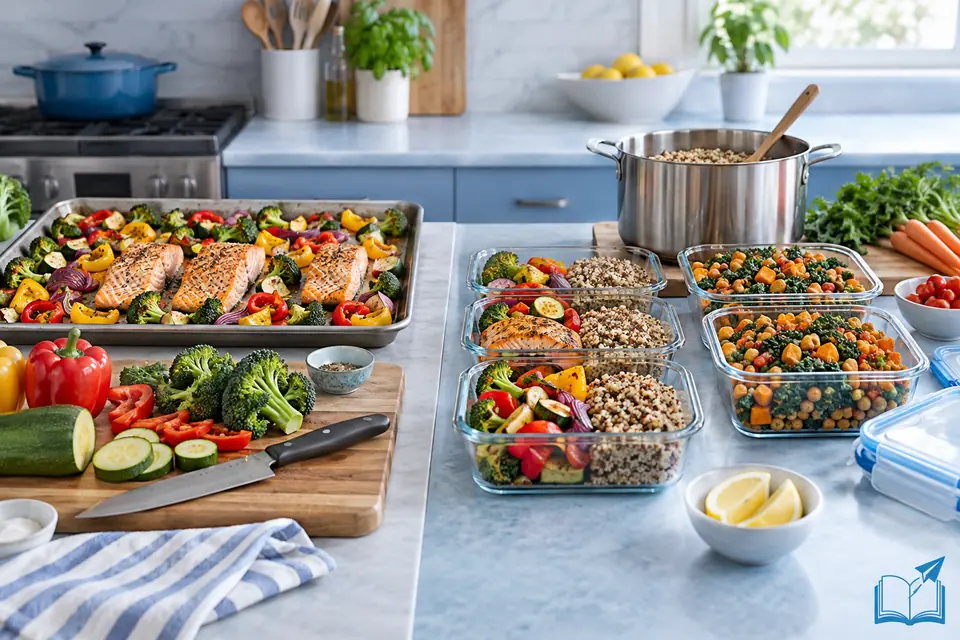
Safety guides how far ahead you prep. Cool food quickly after cooking. Bacteria grow in warm conditions.
Move meals to the fridge within two hours. Split large batches into smaller containers. They then cool much faster. A cold fridge slows spoilage. Quick cooling protects every batch.
Reheat food until it is steaming hot. Only reheat a portion once. Do not refreeze thawed cooked meals casually. When in doubt, throw it out. Good habits keep meals safe.
Comparing fridge prep and freezer prep
People often ask which method to use. The honest comparison is fridge versus freezer. Each style has a clear place.
| Fridge prep | Freezer prep |
|---|---|
| Best for the next few days | Best for weeks ahead |
| No thawing needed at all | Needs planning to thaw safely |
| Keeps textures crisp and fresh | Can soften some delicate foods |
| Ideal for short, steady routines | Ideal for stocking up ahead |
You do not have to pick one forever. Many people blend the two methods. Keep a few days in the fridge. Freeze the rest for later weeks.
Prep components, not just full meals
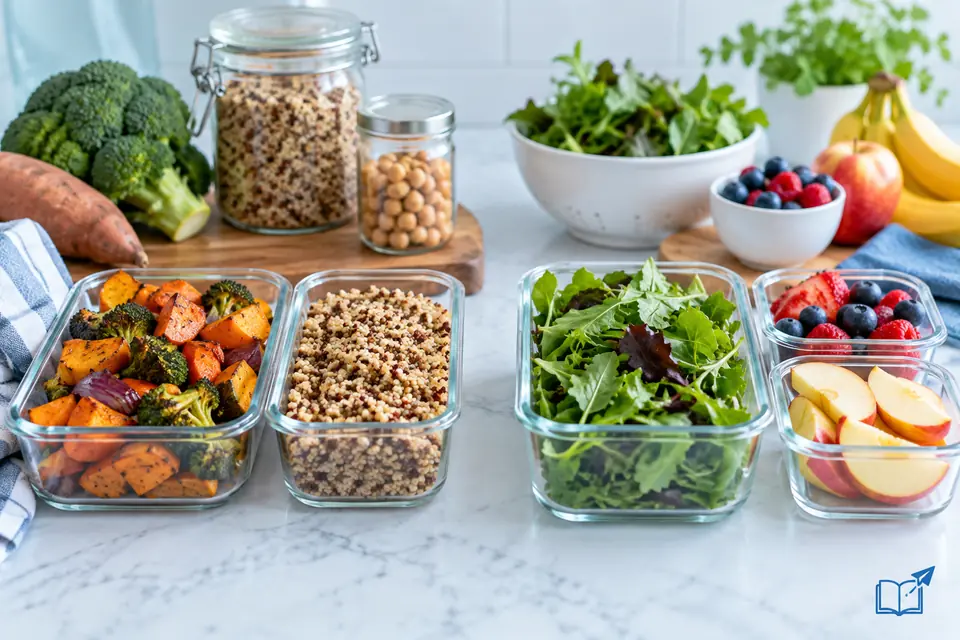
Full meals are not your only option. You can prep parts instead. This keeps food fresher longer.
Cook a batch of grains and protein. Wash and chop your vegetables. Store each part on its own. Then build fresh bowls each day. Component prep feels flexible and light.
This method suits people who dislike repeats. You mix parts into new meals. Boredom stays far away. Prep once and vary daily. Simple parts make many dinners. Flexibility keeps prep interesting.
Reheating meals the right way
Reheating well protects taste and safety. Heat food until it steams throughout. Even heating matters most.
Stir meals halfway through reheating. This clears cold spots inside. Add a splash of water if needed. It stops food drying out. Gentle reheating keeps meals pleasant.
Only reheat the portion you will eat. Leave the rest chilled or frozen. Repeated reheating harms quality. Take out what you need. One heat cycle stays safest.
Meal prep on a busy week
Busy weeks make prep even more useful. A little effort saves many minutes. Ready meals remove daily pressure.
Prep quick meals for your hardest nights. Keep frozen backups for surprises. A stocked freezer covers late evenings. See the basic steps of meal planning for support. Small prep protects a hectic week.
Do not aim for perfection here. A few ready meals beat none. Match your prep to your energy. Simple wins still count. Ease keeps the habit alive. Busy weeks need gentle plans.
Common myths about prepping ahead
One myth says prepped food is unsafe. In truth, safe storage keeps it fine. The window simply has limits.
Another myth claims prep takes all day. A focused session is usually enough. Many people finish within an hour. Practice makes the process faster. The habit soon feels light.
Some think every meal must be frozen. Fridge prep suits the next few days. Freezing is only for longer storage. Both methods serve you well. Balance the two as needed.
Common mistakes people make
One common mistake is prepping too far ahead. Food then spoils before you eat it. Match the window to real limits.
Another mistake is skipping labels and dates. You lose track of what is fresh. Old meals hide at the back. Always mark the cook date clearly. Labels keep the fridge honest.
Some people cool food too slowly. Warm meals sit out too long. That raises the safety risk. Chill batches quickly and cover them. Small habits protect every meal.
Who might need tailored advice
General prep timing suits many healthy adults. Still, some people have special needs. Certain conditions change the picture.
Some diets limit certain foods closely. Storage advice may differ then. Your doctor knows your situation best. Allergies also shape your safe choices.
This is not medical advice. See a professional for your personal needs. Use these timing ideas as a friendly guide. A short chat can prevent bigger problems.
Meal prep and a balanced diet
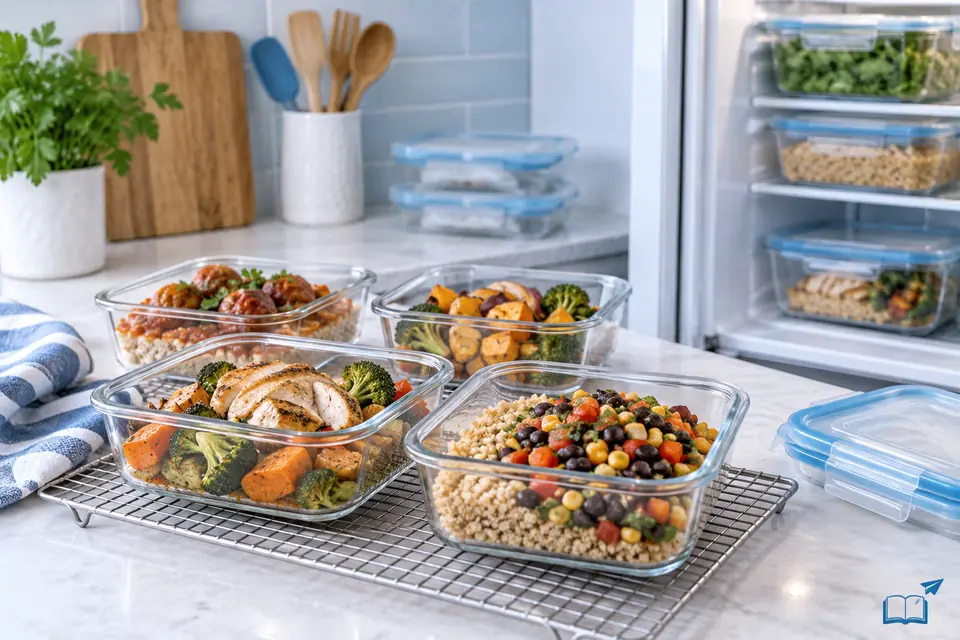
Smart prep supports steady, balanced eating. It helps you spread nutrients out. Good choices grow easier to repeat.
Include vegetables, protein, and whole grains often. No single meal carries the week. Variety across days matters most. Prep makes that variety simple to reach.
Treat prep as a gentle framework. Adjust it as your life shifts. Pair produce with protein and grains. This mix keeps meals rounded. A simple habit does the heavy lifting. Good routines compound quietly over weeks.
Frequently asked questions
How far ahead should you meal prep?
Prep one to four days ahead for the fridge. Freeze anything you need beyond that window.
How long do fridge meals last?
Most cooked meals stay safe three to four days. Keep them chilled and sealed well.
Can I meal prep a whole week?
Yes, but freeze the later meals. Keep only a few days in the fridge.
What day is best to prep?
Pick a calm day before you shop. Sunday suits many people well.
Should I prep full meals or parts?
Either works well for most people. Component prep offers a little more variety.
How do I keep prepped food safe?
Cool food fast and store it cold. Reheat until it steams throughout.
Can I refreeze thawed meals?
Avoid refreezing thawed cooked meals casually. When unsure, it is safer to discard.
Do frozen meals lose quality?
Some textures soften a little over time. Good packaging keeps quality high for weeks.
How do I stop meals getting boring?
Prep flexible parts instead of full meals. Then mix them into new dishes.
Do I need special containers?
No, any sealed container works fine. Flat freezer bags simply save more space.
The bottom line
So how far ahead should you meal prep? Prep one to four days ahead for the fridge. Freeze anything you need beyond that window. Cool food fast and label every container. A short session sets your whole week.
Smart timing saves time and cuts waste. It keeps meals fresh and safe. Fridge or freezer, the habit helps. Small weekly steps truly add up over time.
For more background, read this overview of food storage at home. You can also explore the basics of food safety when prepping ahead. Use trusted sources to guide your routine.
This is not medical advice. See a professional for your personal needs. Prep a couple of days today. Then build slowly from there. Your future self will thank you.