
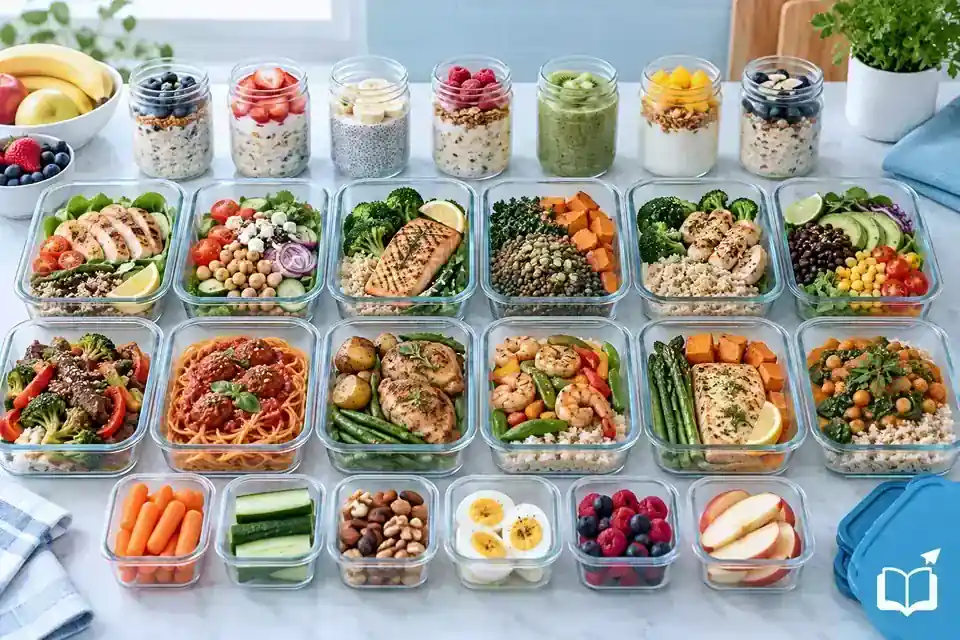
A busy week can wreck good eating. Then dinner becomes a scramble again. So how do you meal prep for a week? The answer is easier than it seems.
Rather than cooking from scratch each night, prep ahead. One focused session sets your week. You cook once and eat all week. A good prep works like a head start. It supports the foods to eat every day too.
Here is the honest answer. Pick a prep day and plan your meals. Shop for everything in one trip. Cook bases, chop produce, and portion meals. Store them well and reheat through the week. This is not medical advice. See a professional.
This guide covers weekly meal prep in plain steps. You will learn how to cook once wisely. We will compare full-cook and component prep. Many tips link back to a simple, steady routine.
So how do you meal prep for a week?
The honest answer starts with one prep session. You plan meals and gather ingredients. Then you cook in a batch. Your week of food is ready.
Think of prep as building blocks. You make bases and components early. Weeknights become simple assembly jobs. That head start removes daily stress. A little effort now pays off later.
Do you need fancy gear for this? Not at all, and that is a relief. A few containers and a pot suffice. Your kitchen already holds the tools. A simple routine gets you started. Even one big batch helps hugely.
Why weekly prep helps
Weekly prep removes nightly cooking pressure. You stop starting from scratch each evening. That daily grind quietly fades.
Prep brings more than saved time. It cuts waste and trims spending. Your meals grow steadier and calmer. Portions stay sensible and planned. Fewer rushed takeaways slip in.
Leaning on prep feels reassuring. You open the fridge to ready food. No nightly stress or scramble. Every week gains a gentle rhythm. A stocked fridge does quiet work. Your future self reaps the reward.
Did you know?
Cooking one large batch often uses less energy than many small meals. Prep can save power and time.
Plan before you prep
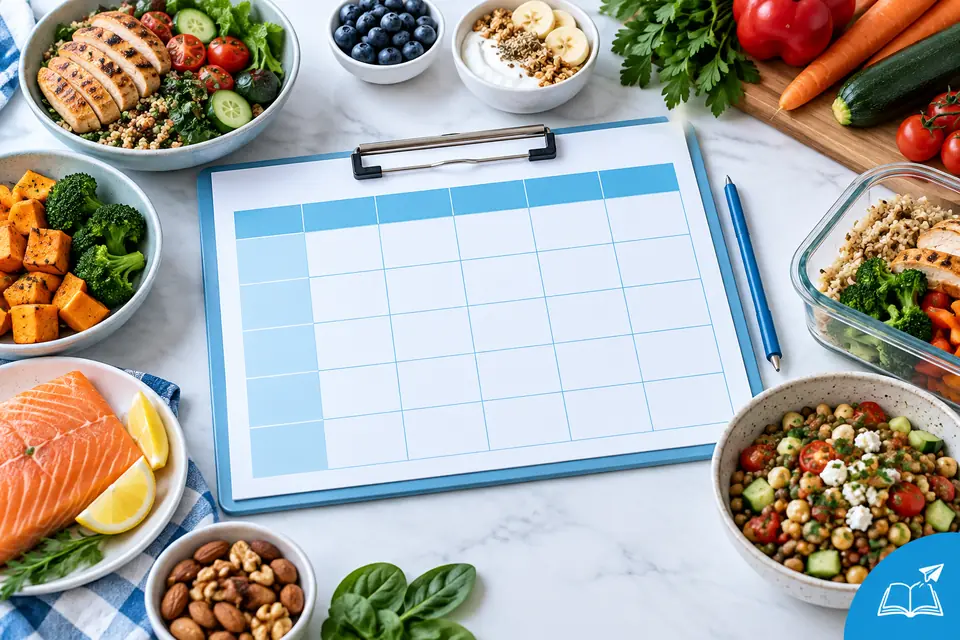
Good prep starts with a plan. Choose your meals for the week first. Then work backward to ingredients.
Pick a few flexible recipes. Look for shared ingredients across them. Overlap cuts waste and shopping. A short menu keeps prep simple. Planning first saves real effort later.
Write the meals out clearly. Note which parts you can prep early. Mark what stays fresh until serving. This map guides your whole session. Your plan shapes the prep. Clarity keeps the day smooth.
Shop for the whole week
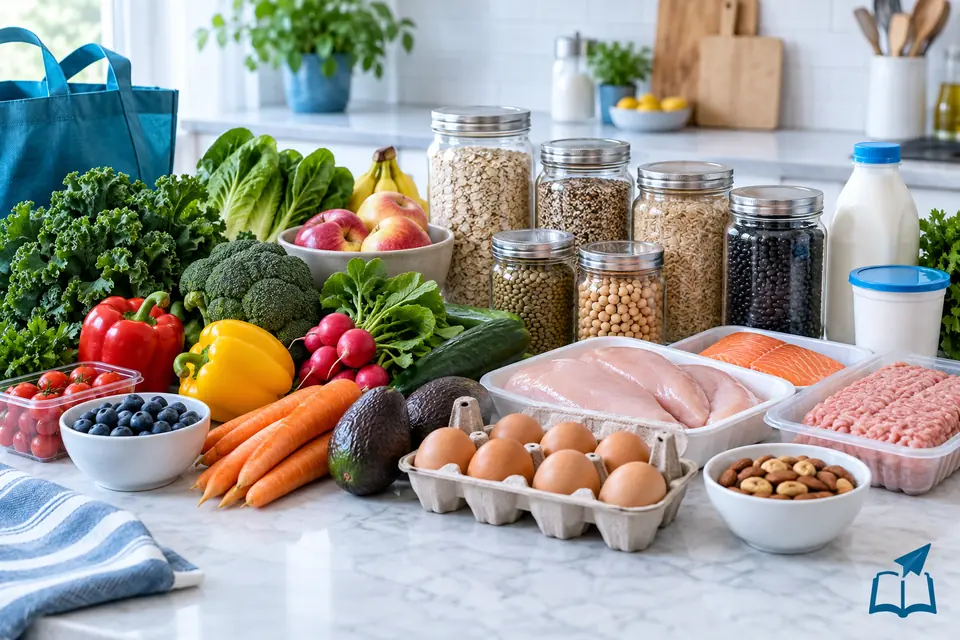
One good shop supports the whole prep. Build your list from the plan. Then buy everything in a single trip.
Group items by aisle for speed. Check the kitchen before you leave. Cross off what you already own. A tidy list curbs impulse buys. One trip keeps costs and time low.
Stock up on useful staples too. Rice, oats, and tins store well. Buy fresh produce you will use soon. Keep the fridge from overflowing. A smart shop sets up success. Everything waits ready for prep day.
Choose your prep day
Most people prep on a quiet day. A free afternoon works well. Pick a slot that fits your life.
Sunday suits many households nicely. It sits before the busy week. Some prefer a midweek top-up instead. Two smaller sessions can work too. Choose what feels sustainable for you.
Block out an hour or two. Clear the counters before you start. Play music to make it pleasant. A calm setup speeds the work. The right day makes prep stick. Consistency turns it into habit.
Cook your bases in bulk
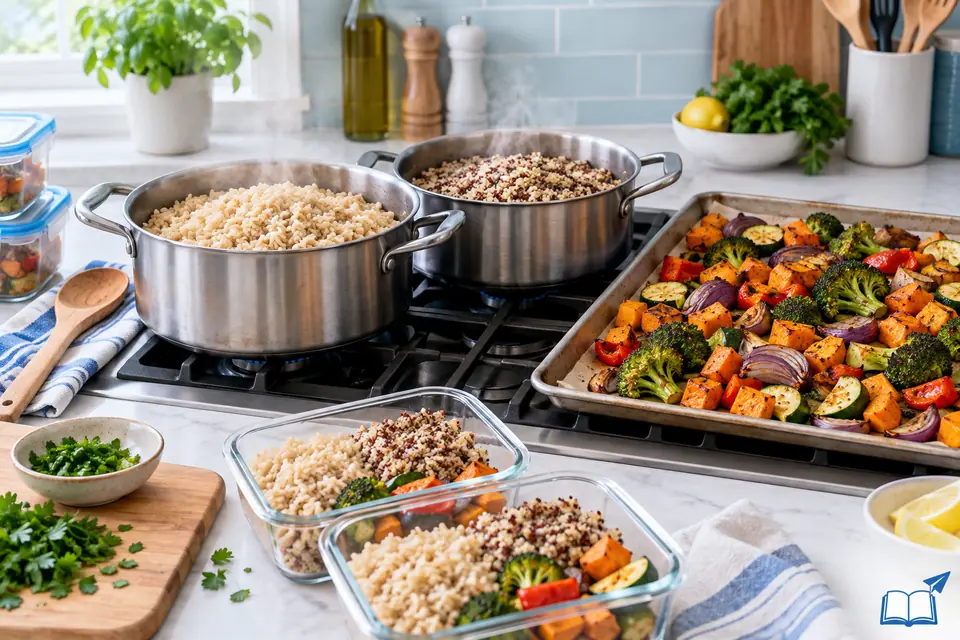
Bases form the heart of prep. Grains, proteins, and sauces come first. Cook them in larger batches.
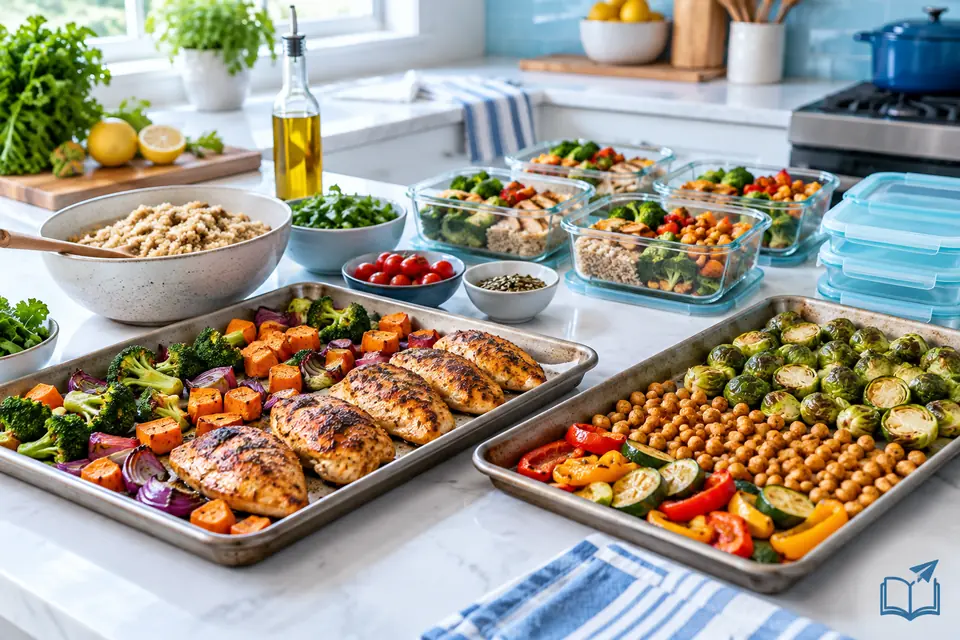
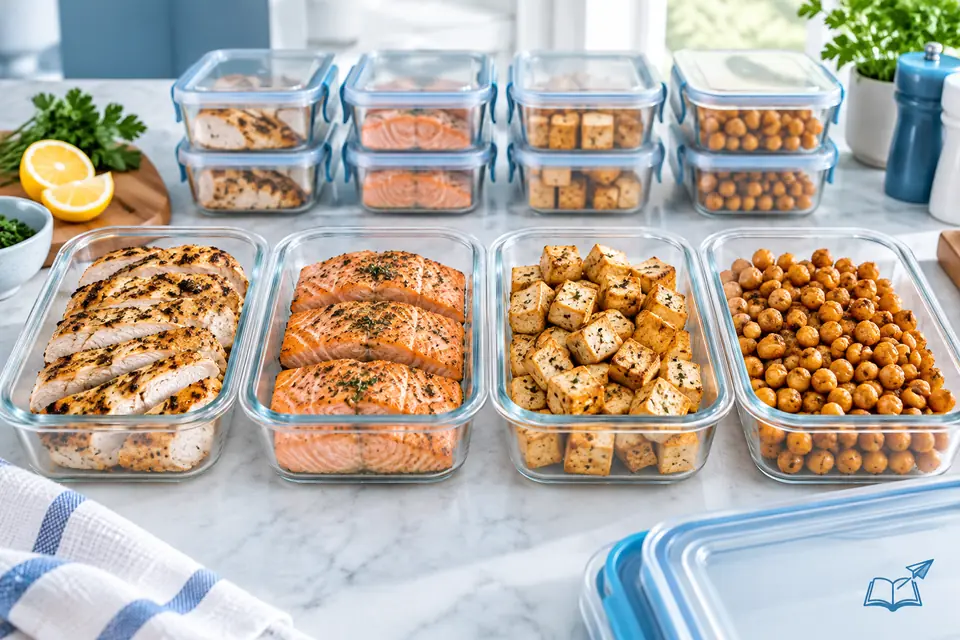
Simmer a big pot of rice. Roast a tray of chicken or beans. Make a versatile tomato sauce. These bases mix into many meals. See foods high in protein for base ideas.
Use the oven and hob together. Cook several things at once. This overlap saves real time. A full kitchen works efficiently. Bulk bases anchor your week. One batch feeds many dinners.

Chop and prep your produce
Vegetables take time on busy nights. Prep them once on your prep day. Weeknight cooking then flies.
Wash and chop hardy vegetables early. Carrots, peppers, and onions store well. Keep them in sealed containers. They stay ready for quick meals. A little chopping saves many minutes.
Leave delicate greens until later. Some produce wilts once cut. Prep those closer to serving. Balance is the smart approach. Fresh where needed, prepped where possible. Your fridge holds a ready kit. A little chopping goes far. Weeknights feel lighter for it.
Portion meals into containers
Portioning turns bases into grab-and-go meals. Divide food into single servings. Then label and store them.
Use clear containers for easy sight. Add a base, a protein, and vegetables. Keep portions sensible and balanced. This makes lunches effortless. Ready boxes beat last-minute choices.
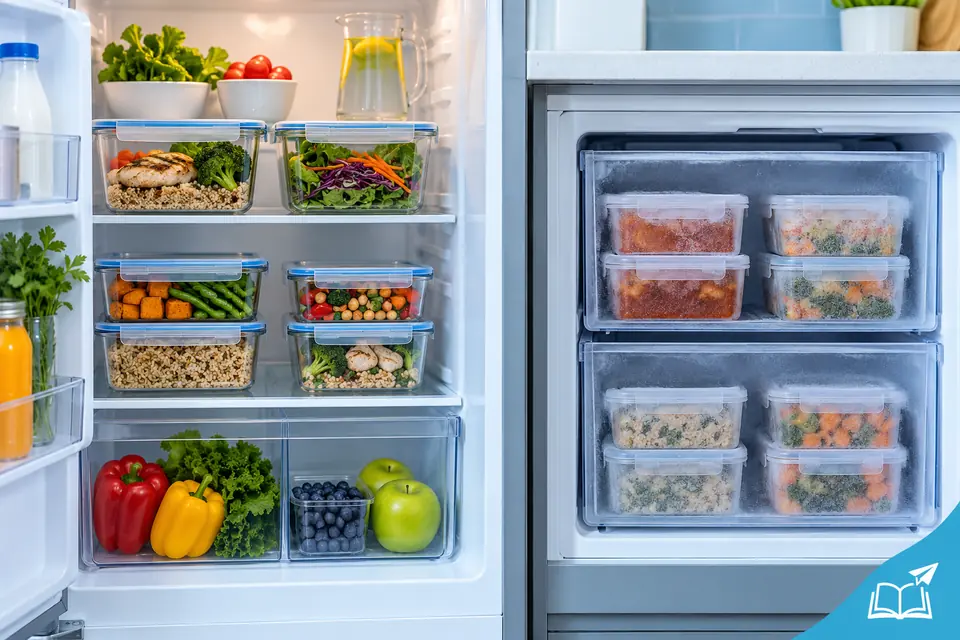
Label each box with a date. Rotate older meals to the front. Stack them neatly in the fridge. A tidy fridge stays useful. Portions keep eating on track. You always have a meal waiting. Grab a box and go.
Store food safely
Safe storage keeps prepped food good. Cool cooked food quickly first. Then refrigerate it without delay.
Keep the fridge cold and tidy. Use meals within a few days. Freeze what you cannot eat soon. Reheat food until piping hot. Good habits protect your health.
Store raw and cooked food apart. Seal containers to lock freshness. Do not leave food out long. This is not medical advice. See a professional. Simple care keeps meals safe.
Reheating your prepped meals
Good reheating keeps prepped food tasty. Warm meals through gently and fully. Heat them until piping hot.
Add a splash of water to grains. This stops them drying out. Stir halfway for even warming. A lid traps helpful steam. Careful reheating revives a meal.
Avoid reheating the same dish twice. Take out only one portion. Warm it once and enjoy. This keeps food safe and pleasant. Simple care protects flavour. Steady heat brings meals back to life.
Comparing full-cook and component prep
People often ask how much to cook. The honest comparison is full meals versus components. Each style has a place.
| Full-meal prep | Component prep |
|---|---|
| Cooks complete meals ahead | Cooks parts to combine later |
| Fastest to grab and eat | More variety across the week |
| Can feel repetitive by day five | Needs a little assembly each night |
| Best for busy lunches | Best for flexible dinners |
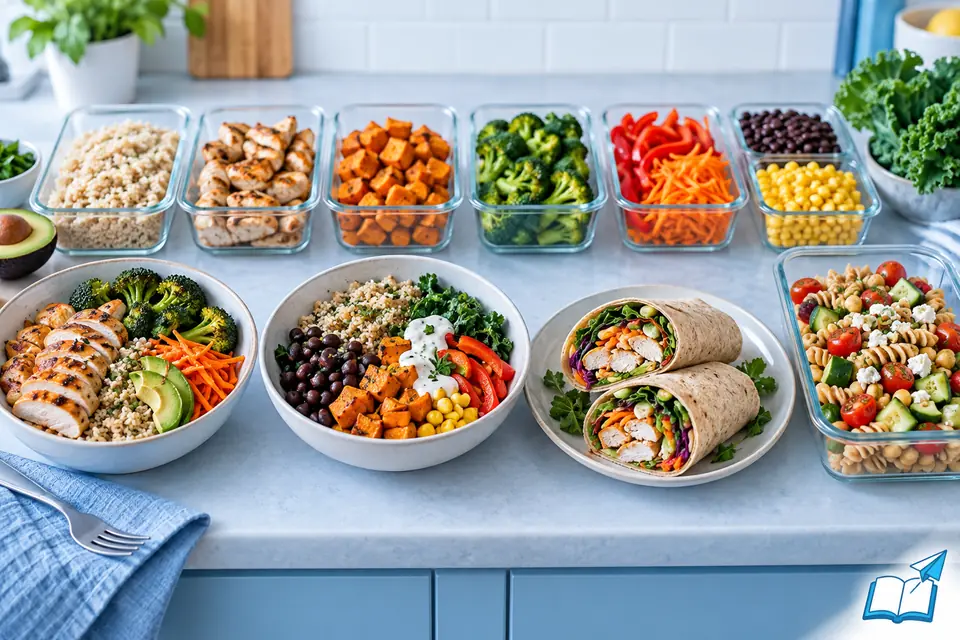
You do not have to pick one. Many people blend both styles. Full-cook a few lunches ahead. Keep dinner components loose and flexible. This blend suits most real weeks. You gain speed and variety together.
Keeping prepped meals interesting
Repetition is the enemy of prep. The same box gets boring fast. Variety keeps you coming back.
Change the sauce or seasoning nightly. One base can taste many ways. Add fresh herbs at serving. Small tweaks refresh a tired meal. See healthy fats in foods high in healthy fats for flavour.
Rotate two or three bases weekly. Swap toppings to shift the mood. A squeeze of lemon wakes things up. Variety keeps prep sustainable. Interest sustains the habit. Boredom is the real risk. A new sauce feels like a new meal. Small changes keep prep fun.
Meal prep on a budget
Prep naturally saves money too. You buy and cook with purpose. Waste and takeaways drop.
Build meals around cheap staples. Beans, rice, and eggs stretch far. Seasonal vegetables often cost less. Batch cooking lowers the cost per portion. Smart choices keep the bill low.
Freeze extras to avoid any waste. Use every ingredient across meals. Leftovers become tomorrow’s lunch. Little habits add up nicely. Prep protects your wallet. A full fridge saves real money. Cooking at home beats delivery costs. Every prepped meal is money kept.
Common myths about meal prep
One myth says prep takes all day. A focused hour or two is plenty. Practice makes it faster.
Another myth claims prepped food tastes stale. Good storage keeps meals fresh. Fresh herbs revive them fast. Prep can taste great all week. Care makes the difference.
Some think prep needs chef skills. Simple bases suit any level. Rice and roasted veg count. Prep welcomes total beginners. Ease beats ambition here. Start small and grow slowly.
Common mistakes people make
One common mistake is prepping too much. A fridge full of food spoils. Prep only what you will eat.
Another mistake is cooking one boring meal. Five identical boxes get dull. Vary bases and sauces instead. Fresh toppings keep things lively. Variety keeps prep alive.
Some people ignore safe storage. Warm food left out spoils fast. Cool and chill meals quickly. Reheat them until steaming. Simple care protects you. Good habits keep prep safe.
Who might need tailored advice
General prep tips suit many healthy adults. Still, some people have special needs. Certain conditions change the picture.
Some diets limit salt or sugar closely. Certain foods may need care then. Your doctor knows your situation best. Allergies also shape your safe choices.
This is not medical advice. See a professional for your personal needs. Use these prep ideas as a friendly guide. A short chat can prevent bigger problems.
Meal prep and a balanced diet
Prep supports steady, balanced eating. It helps you plan nutrients ahead. Balance grows easy to see.
Include vegetables, protein, and whole grains often. Learn the vitamins your body needs daily. No single box carries the week. Variety across days matters most.
Treat prep as a gentle framework. Adjust it as your life shifts. Pair bases with fresh produce nightly. This mix keeps meals rounded. A simple routine does the lifting. Good habits compound quietly over weeks. Each prep day builds on the last. Steady effort keeps meals rounded.
Frequently asked questions
How do you meal prep for a week?
Plan meals, shop once, then batch cook. Portion food and store it safely.
How long does meal prep take?
A focused session runs one or two hours. It gets faster with practice.
What day should I prep?
Pick a quiet day before the week. Sunday suits many people well.
How long does prepped food last?
Most meals keep a few days chilled. Freeze anything you cannot eat soon.
Should I cook full meals or parts?
Both work well for different needs. Many people blend the two styles.
How do I keep meals interesting?
Change sauces, herbs, and toppings often. One base can taste many ways.
Does meal prep save money?
Yes, you waste less and skip takeaways. Batch cooking lowers the cost per portion.
Do I need special containers?
No, any sealed containers work fine. Clear ones make meals easy to see.
Is prepped food safe to eat?
Yes, if cooled fast and chilled well. Reheat meals until piping hot.
Can beginners meal prep?
Yes, simple bases suit any level. Start with rice and roasted vegetables.
The bottom line
So how do you meal prep for a week? Plan your meals and shop once. Cook bases, chop produce, and portion meals. Store them well and reheat through the week. One session sets your whole week up.
Weekly prep saves time and money. It eases stress and steadies your eating. Full meals or components, prep helps. Small weekly steps truly add up over time.
For more background, read this overview of food storage at home. You can also explore the basics of refrigeration for safety. Use trusted sources to guide your routine.
This is not medical advice. See a professional for your personal needs. Prep one week today. Then build slowly from there. Your future self will thank you.