

A favourite recipe can feel set in stone. Yet small swaps can lift it. So what are healthy ingredient substitutions? The idea is simpler than it sounds.
Rather than changing your whole diet at once, swap smart. A single trade can cut sugar or fat. You keep the flavour you love. A good swap works like a quiet upgrade. It nudges your balanced diet along.
Here is the honest answer. A healthy substitution replaces one ingredient with a better one. You aim for less added sugar or fat. You often gain fibre or nutrients too. The dish should still taste good. This is not medical advice. See a professional.
This guide covers healthy swaps in plain terms. You will learn easy trades for fats and sugar. We will compare whole-food and processed swaps. Many tips point back to steady, simple habits.
So what are healthy ingredient substitutions?
The honest answer starts with one small change. You trade a heavy ingredient for a lighter one. The dish keeps its shape and taste. Your recipe gets a quiet boost.
Think of a swap as a gentle edit. You change one word, not the whole page. The story still reads the same. That small tweak adds up over time. A single swap rarely ruins a meal.
Do you need to overhaul every recipe? Not at all, and that is a relief. Start with one dish you cook often. Your kitchen already holds many options. One good swap is a fine start.
Why healthy swaps matter
Healthy swaps remove hidden extras from meals. You cut some sugar, salt, or fat. Those small amounts add up daily.
Swapping brings more than fewer calories. It can add fibre and useful nutrients. Whole foods often replace refined ones. Your meals grow a little steadier. Small trades support better eating habits.
Leaning on swaps feels easy and kind. You change slowly, without harsh rules. No crash diet or strict plan appears. Every week gains a gentle lift. A single swap does quiet work.
Did you know?
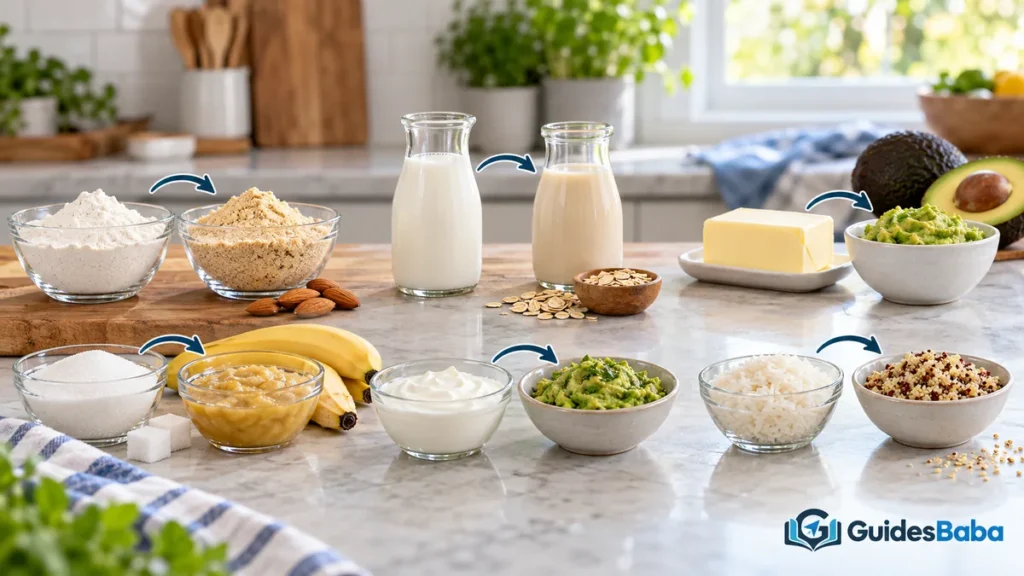
Mashed banana can replace some sugar in baking. It also adds natural sweetness and a little fibre.
Start with your goal
Good swapping begins with a clear aim. Decide what you want to change first. Less sugar, less fat, or more fibre.
Some cooks want to trim added sugar. Others hope to cut saturated fat. Match your swap to your goal. A clear target guides your choices. One goal keeps the change focused.
Write your goal before you cook. Then pick swaps that serve it. Fresh produce can replace heavy extras. A small aim makes swaps simple.
Swapping fats in cooking
Fat carries flavour in many dishes. Still, some fats suit you better. Small trades can help your heart.
Use olive oil in place of butter. Try mashed avocado on toast instead. These bring foods with healthy fats to your plate. Greek yogurt can replace some cream. Gentle swaps keep meals rich.
Do not fear all fat outright. Your body needs some to work well. Choose plant oils and nuts often. Keep heavy fried foods for treats. Balance beats total avoidance here.
Swapping sugar for less sweetness
Sugar hides in many everyday foods. Cutting it slowly feels easier. Your taste buds soon adjust well.
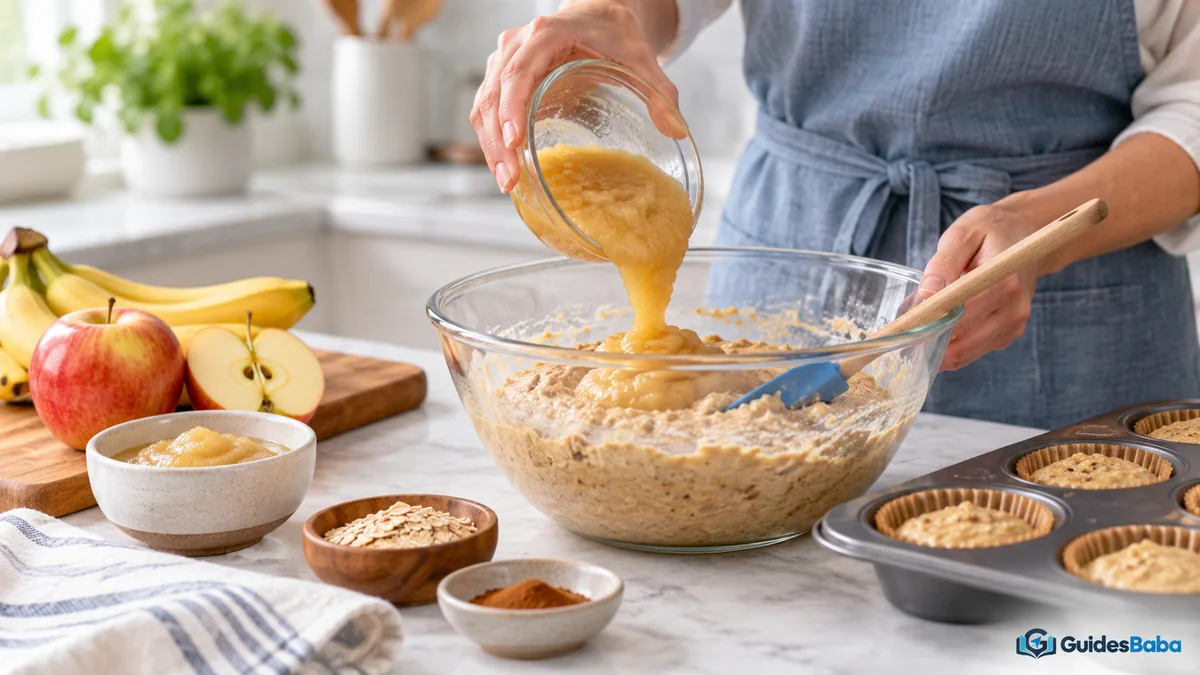
Use fruit to sweeten oats or yogurt. Mashed banana works well in baking. Cinnamon adds warmth without any sugar. These trades lower added sugars gently. Sweetness can come from whole foods.
Do not chase a totally sugar-free life. A small treat still fits fine. Aim to trim the daily excess. Read labels to spot hidden sugar. Little cuts add up nicely.
Swapping refined grains for whole grains
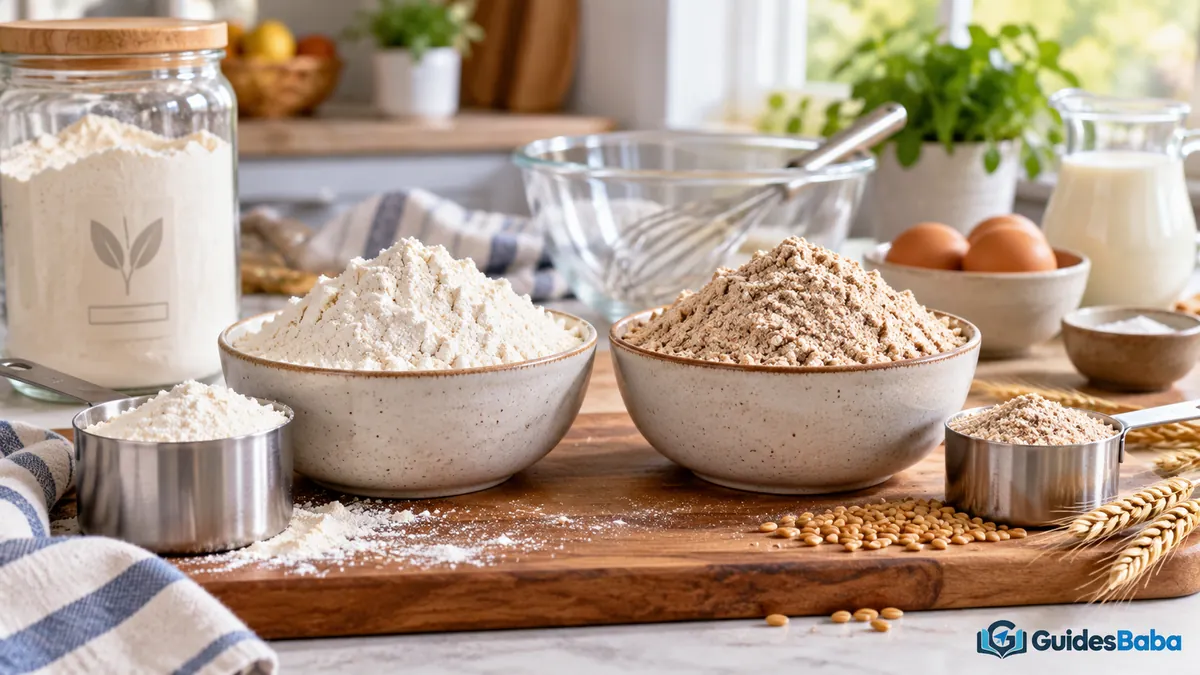
Refined grains lose fibre during processing. Whole grains keep more of it. That fibre helps you feel full.
Choose brown rice over white rice. Try whole wheat pasta and bread. These replace many refined carbohydrates easily. Oats make a hearty breakfast base. Whole grains steady your energy.
Start by swapping one grain at first. Mix half white and half whole. Your family adjusts to the change. Fibre supports digestion and fullness. Small grain swaps pay off.

Boosting vegetables in meals
Vegetables add colour, fibre, and nutrients. Adding more is a simple swap. You stretch meals and cut density.
Grate carrot or courgette into sauces. Swap half the meat for beans. Explore the best vegetables to eat for ideas. Add a side salad to dinner. Vegetables lighten a heavy plate.
Do not force vegetables you dislike. Try new ones in small amounts. Roasting brings out natural sweetness. A little seasoning helps a lot. Variety keeps meals interesting.

Dairy swaps that work
Dairy adds creaminess to many dishes. Lighter versions can still satisfy. You keep texture without extra fat.
Use Greek yogurt in place of cream. Try milk instead of heavy cream. Plant milks suit some cooks well. These trades lower saturated fat. Creamy meals can still feel rich.
Do not expect an exact match always. Some swaps change the final texture. Test a small batch first. Adjust seasoning to taste after. Practice makes each swap smoother.
Swapping salt for flavour
Salt sharpens flavour in most cooking. Too much can strain your body. Herbs offer a bright alternative.
Use garlic, lemon, or fresh herbs. Add spices for warmth and depth. Vinegar lifts a flat dish. These cut salt without dull food. Flavour need not come from salt.
Reduce salt slowly over several weeks. Your taste adjusts more than you expect. Taste before you reach for salt. Season at the end instead. Small cuts add up well.
Comparing whole-food swaps and processed swaps
People often ask which swaps are best. The honest comparison is whole-food versus processed. Each choice has its place.
| Whole-food swaps | Processed swaps |
|---|---|
| Use fruit, nuts, or vegetables | Use packaged low-fat products |
| Often add fibre and nutrients | May add extra additives |
| Need a little more prep | Quick and very convenient |
| Best for everyday cooking | Best for busy moments |
You do not have to pick one forever. Many cooks blend both approaches. Lean on whole foods most days. Keep a few handy shortcuts too.
Protein swaps for balance
Protein anchors many satisfying meals. Some sources sit lighter than others. Small trades can help balance.
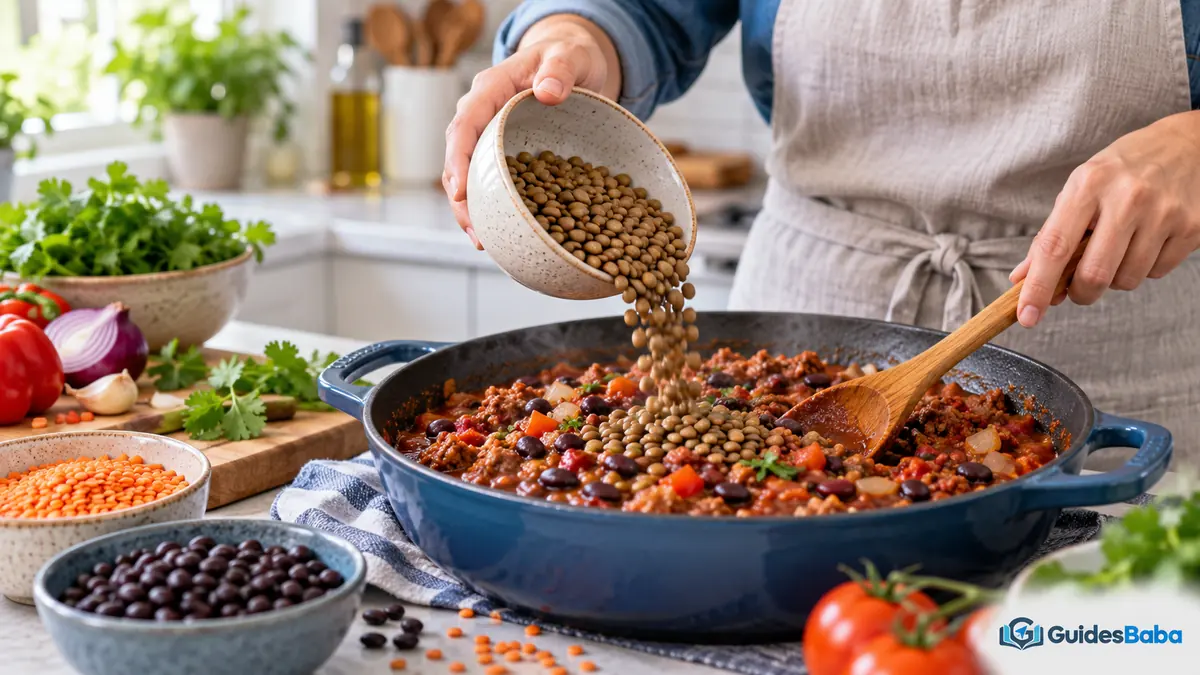
Swap some red meat for beans. Try chicken or fish more often. Lentils stretch a stew nicely. Eggs offer a simple protein base. Varied protein keeps meals balanced.
Do not drop meat entirely unless you want. Mix plant and animal sources freely. Beans add fibre along with protein. Rotate your choices through the week. Balance beats strict rules. Variety serves your plate well.
Swaps for common allergies
Allergies and intolerances shape many kitchens. Smart swaps keep meals safe. You still enjoy good food.
Use gluten-free grains where needed. Try plant milk for dairy trouble. Seed butters replace nut butters safely. Read every label with care. Safe swaps protect sensitive eaters.
Do not guess with serious allergies. Check ingredients on every package. Cross-contamination can be a real risk. Ask a professional when unsure. Safety always comes first here. Careful swaps keep meals worry-free.
Reading labels before you swap
A swap is only as good as its label. Packaged foods can hide surprises. A quick read guides better choices.
Check sugar, salt, and fat amounts. Compare two products side by side. Low-fat can still mean high sugar. Labels reveal the real trade. Reading labels sharpens your swaps.
Do not trust front-of-pack claims alone. Turn the pack over and read. The ingredient list tells the truth. Shorter lists often mean simpler food. A minute of reading pays off. Informed swaps beat guesswork.
Swaps that save money
Healthy swaps need not cost more. Many trades actually save cash. Simple foods often cost less.
Beans and lentils stretch meat further. Frozen vegetables cost less than fresh. Oats make a cheap breakfast base. Water replaces sugary drinks freely. Smart swaps protect your wallet.
Do not assume healthy means expensive. Whole grains buy well in bulk. Seasonal produce often costs less. Home cooking beats packaged meals. Little savings add up fast. Thrifty swaps feed you well.
Common myths about substitutions
One myth says swaps ruin the taste. In truth, many go unnoticed. Good trades keep flavour intact.
Another myth claims swaps are all-or-nothing. A single change still counts. You need not remake every recipe. Progress beats perfection here. Small steps build real habits.
Some think healthy swaps taste bland. Herbs and spices prove otherwise. Flavour comes from many sources. A good swap can taste better. Bland food is not required. Season with confidence instead.
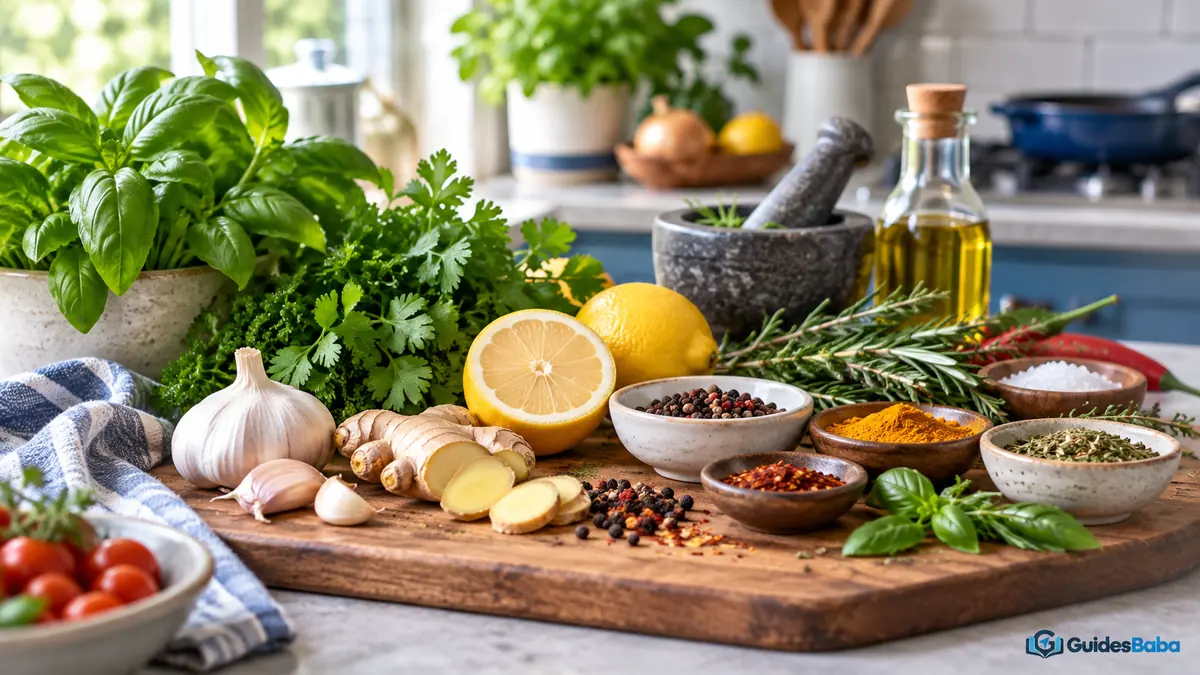
Common mistakes people make
One common mistake is swapping too much. An overhauled recipe often fails. Change one thing at a time.
Another mistake is ignoring taste. A joyless meal rarely lasts. Keep flavour front of mind. Season swaps until they please you. Enjoyment keeps habits alive.
Some people trust marketing claims blindly. Low-fat labels can mislead you. Always read the full label. Compare products before you choose. Small checks prevent poor swaps. Knowledge guides every change.
Who might need tailored advice
General swaps suit many healthy adults. Still, some people have special needs. Certain conditions change the picture.
Some diets limit salt or sugar closely. Certain swaps may not fit then. Your doctor knows your situation best. Allergies also shape your safe choices.
This is not medical advice. See a professional for your personal needs. Use these swap ideas as a friendly guide. A short chat can prevent bigger problems.

Healthy swaps and a balanced diet
Smart swaps support steady eating over time. They spread nutrients across your meals. Balance grows easier to reach.
Include vegetables, whole grains, and lean protein often. One swap will not fix everything. Variety across days matters most. Small trades build a rounded plate.
Treat swaps as a gentle framework. Adjust them as your tastes shift. Pair produce with protein and grains. This mix keeps meals rounded. A simple swap does quiet work. Good habits compound over many weeks.
Frequently asked questions
What are healthy ingredient substitutions?
They replace one ingredient with a better option. You cut sugar or fat and keep taste.
Do healthy swaps change the flavour?
Often the change is small or unnoticed. Good swaps keep meals tasting fine.
What can replace butter in cooking?
Olive oil or mashed avocado work well. Greek yogurt suits some baked goods too.
How do I cut sugar in recipes?
Use fruit, banana, or cinnamon for sweetness. Reduce the added sugar slowly over time.
Are whole grains a good swap?
Yes, they keep more fibre than refined grains. Fibre helps you feel full longer.
Can I swap meat for beans?
Yes, beans add protein and useful fibre. Swap part of the meat to start.
Do healthy swaps cost more money?
Not usually, since many swaps save cash. Beans and oats often cost less.
Should I swap everything at once?
No, change one ingredient at a time. This keeps the recipe stable and clear.
Are low-fat products always healthy?
Not always, since some add extra sugar. Read the label before you choose.
How do allergies affect swaps?
Allergies need careful, safe substitutions. Check every label and ask a professional.
The bottom line
So what are healthy ingredient substitutions? They trade one ingredient for a better one. You cut sugar, salt, or fat. You often gain fibre and nutrients. The dish should still taste good.
Healthy swaps make small, steady progress. They fit real recipes and real life. Whole-food or quick, the habit helps. Little trades truly add up over time.
For more background, read this overview of cooking as a daily craft. You can also explore what an ingredient means in a recipe. Use trusted sources to guide your kitchen.
This is not medical advice. See a professional for your personal needs. Try one swap today. Then build slowly from there. Your future meals will thank you.