
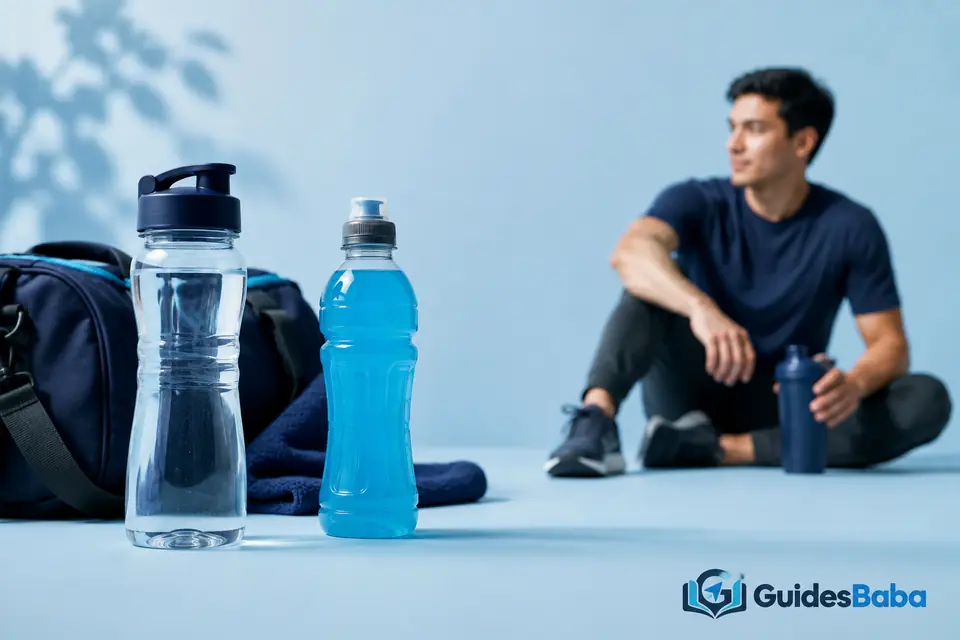

You see athletes sipping colourful bottles everywhere. Are those drinks really doing much good? So do athletes need sports drinks? The honest answer surprises many people.
Rather than reaching for one out of habit, think first. Sports drinks were designed for a specific job. They shine in certain hard situations. For everyday exercise, water often does the trick.
Here is the honest answer. Most athletes do not always need sports drinks. Plain water covers shorter, lighter sessions well. Sports drinks help during long, sweaty efforts. They replace lost salts and add quick carbs. Match the drink to the demand.
This guide covers when they help and when they do not. You will learn what sports drinks contain. We compare them fairly against plain water. This is not medical advice. See a professional.
So do athletes need sports drinks?
The honest answer is a firm sometimes. It depends on the type of session. Not every workout calls for one.
Think of a sports drink as a special tool. You reach for it in the right job. For long, hot efforts, it earns its place. For a short jog, water is plenty.
Do they work like magic potions? Not at all, despite clever marketing. They simply supply fluid, salts, and carbs. That combination suits demanding sessions. Everyday exercise rarely needs it.
What sports drinks actually contain
Sports drinks share a fairly simple recipe. They mix water with sugar and salts. Some add flavour and colour too.
The carbs give quick, easy energy. The electrolytes replace salts lost in sweat. The water keeps you hydrated throughout. Together they target long, draining efforts. That is the whole idea.
You can find several strengths on shelves. Some carry more carbs than others. Reading the label helps you choose. Match the drink to your session. Knowledge beats guesswork here.
Did you know?
Sports drinks were first made for long, sweaty sport. They aim to replace fluid, salts, and quick energy together.
When plain water is enough

For most everyday exercise, water wins easily. Short walks and gym sessions need little else. Your body handles them just fine.
Sessions under about an hour rarely need extra salts. Water keeps you comfortably hydrated. It also carries no added sugar. Learn how much water to drink each day. Simple often works best.
Water is cheap, easy, and everywhere. It suits casual fitness perfectly. You avoid unneeded sugar and cost. For daily training, it is the sensible default. Keep it simple most days.
When a sports drink helps
Sports drinks earn their place in tough sessions. Long, hot, sweaty efforts drain you fast. That is where they shine.
Beyond about an hour of hard effort, they help. They replace salts lost in heavy sweat. They also top up your energy stores. The best drinks for hydration depend on the effort. Demand decides the choice.
Endurance events are a classic example. Marathons and long rides drain fluid and fuel. A sports drink can keep you steady. Practice using one during training first. Preparation prevents surprises.
The role of carbohydrates in sports drinks

Carbohydrates are a key ingredient here. They deliver quick, ready energy. Long efforts drain your carb stores.
During lengthy sessions, that quick fuel matters. It helps you hold your pace longer. Good carbohydrate sources also come from food. Drinks simply make fuelling easier on the move. Convenience is the real appeal.
For short sessions, this fuel is unnecessary. You have plenty of stored energy already. Extra sugar then adds little value. Save the carbs for long efforts. Timing makes the difference.
The role of electrolytes in sports drinks
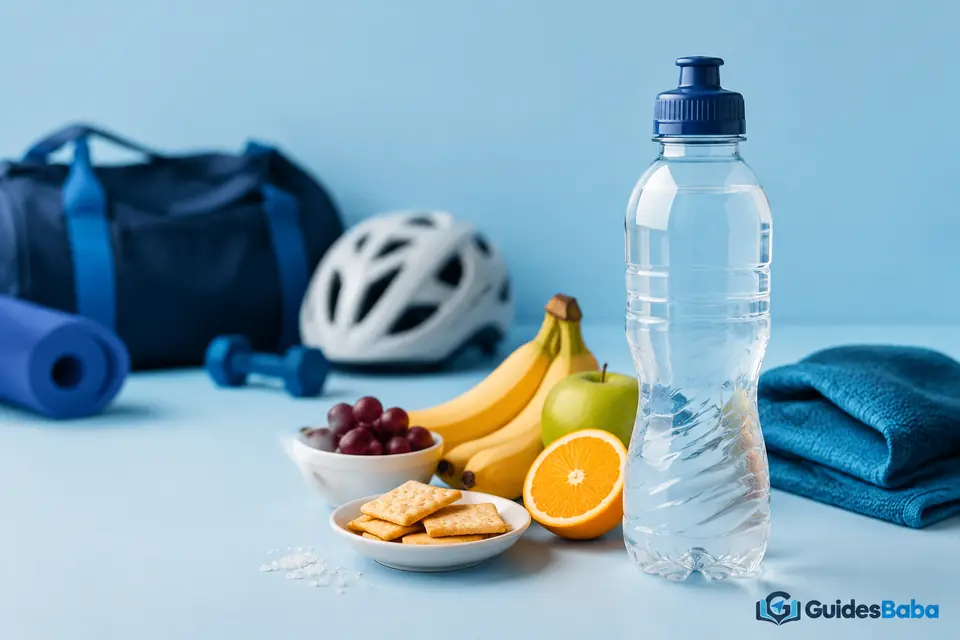
Electrolytes are salts your body needs. Sweat carries them away during exercise. Sports drinks help replace them.
Sodium and potassium support your nerves and muscles. Heavy sweating can lower these levels. That may bring cramps or fatigue. Some potassium-rich foods help too. Balance keeps your body working.
For most short workouts, food restores these salts. A normal meal does the job. Only long, sweaty efforts need drink-based salts. Match the response to the loss. Common sense guides you.
Why session length matters

The length of your session is a big factor. Short efforts rarely deplete your reserves. Long efforts steadily drain them.
Under an hour, water usually covers you. Your stores and food handle the rest. Beyond that, fuel and salts start mattering. A sports drink can then help. Duration sets the demand.
Very long events shift the picture further. Steady fuelling becomes truly important. Sports drinks make this easier to manage. Plan your intake across the distance. Preparation protects performance.
Why heat and sweat matter
Hot weather changes the whole equation. You sweat more to stay cool. That means faster fluid and salt loss.
On hot days, even shorter efforts sweat heavily. Replacing salts then becomes more useful. A sports drink can help in the heat. Some hydrating foods support you too. Adjust to the conditions.
Cool days lower your sweat and needs. Water often suffices in mild weather. Judge each session by its conditions. Heat and effort together raise the bar. Read the day, then decide.

Sports drinks versus plain water
People often ask which option suits them. The clear comparison is sports drinks versus plain water. Each fits a different situation.
| Sports drinks | Plain water |
|---|---|
| Best for long, sweaty efforts | Best for everyday exercise |
| Adds salts and quick carbs | No sugar or added salts |
| Costs more per bottle | Cheap and widely available |
| Useful in endurance events | Enough for short sessions |
Choose water for most regular workouts. Choose a sports drink for long, hot efforts. Both keep you hydrated well. Match the drink to your session.
Can you make your own sports drink
You do not always need a shop-bought bottle. A simple homemade mix can work. It gives you control over ingredients.
A basic version blends water, a little sugar, and salt. Some people add a splash of juice. This mix supplies fluid, carbs, and salts. Test it during training first. Comfort guides the recipe.
Homemade drinks can save money too. You avoid extra colours and flavours. Adjust the strength to your taste. Keep it clean and simple. Practice makes it easy.
Sugar and everyday health
Sports drinks do contain added sugar. That sugar helps during hard exercise. Off the field, it adds up quietly.
Sipping them casually is not a great habit. Extra sugar brings little benefit at rest. It can crowd out better choices. Save these drinks for real training needs. Balance protects your health.
For daily hydration, water stays the winner. It carries no sugar or extra calories. A normal balanced diet covers your salts anyway. Keep sports drinks for their proper job. Moderation makes sense.
Sports drinks for casual exercisers
Casual exercisers rarely need sports drinks. Their sessions are usually short and gentle. Water handles them with ease.
A relaxed gym visit does not drain you. A short walk needs no special drink. Reaching for one adds needless sugar. Keep your everyday routine simple. Water fits casual fitness perfectly.
If you enjoy the taste occasionally, that is fine. Just keep it as a treat, not a habit. Let your session length guide you. Casual effort rarely justifies one. Simplicity wins most days.
How to choose the right option

Choosing comes down to a few questions. How long is your session? How hot is the day?
Short and cool usually means water is enough. Long, hot, and sweaty leans toward a sports drink. Consider your sweat rate too. Then match the drink to the answer. Simple logic guides the choice.
Your goals also matter a little here. Weight-focused exercisers may skip the added sugar. Endurance athletes may welcome the extra fuel. Think about cost and taste as well. Personal needs always vary somewhat. Tune it to yourself.
How to read a sports drink label
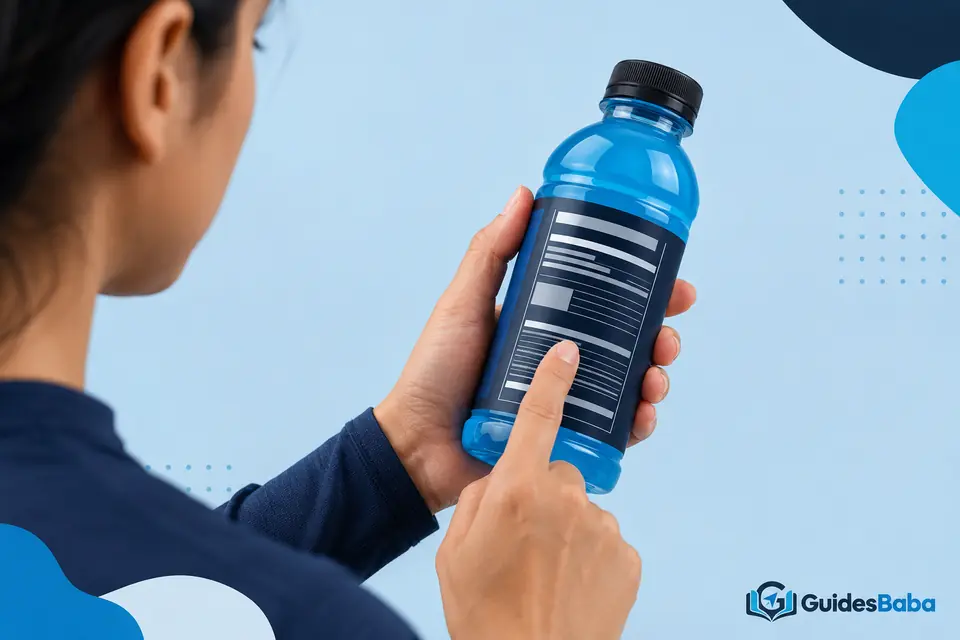
Reading the label helps you choose wisely. It shows the sugar and salt content. A quick glance tells you plenty about it.
Check the carbohydrate amount for each serving. Higher carbs suit longer, harder efforts. Look at the sodium for salt replacement. Lower-sugar options suit shorter, lighter sessions. Knowledge guides a smart and simple pick.
Do not be swayed by bold marketing claims. Focus on the simple numbers instead. Compare a few bottles side by side. Then pick the one matching your session. Labels reward a careful, patient reader.
Common mistakes with sports drinks
One common mistake is drinking them all day. They are not meant for constant sipping. That habit adds needless sugar.
Another mistake is using them for short workouts. A quick session simply does not need one. Water covers those efforts better. Save the sports drink for demanding days. Match the tool to the task.
Some people try a new drink on race day. Untested drinks can upset your stomach. Always practice in training first. Surprises rarely help performance. Stick to what you trust.
Do children need sports drinks
Children rarely need sports drinks for play. Normal activity does not demand them. Water and food usually suffice.
The added sugar is a real concern for kids. It offers little benefit during light play. Water remains the best everyday choice. Reserve special drinks for unusual situations. Simple habits serve children well.
Young athletes in long events may differ. Even then, guidance should be careful. A professional can advise on their needs. Keep everyday hydration plain and simple. Balance protects growing bodies.
Who might need tailored advice
General guidance suits most healthy people well. Still, some situations need personal care. A few factors change the picture.
Serious athletes, some patients, and children differ greatly. Certain conditions affect fluid and salt balance. A professional understands your full history. Personal advice always beats general rules here.
This is not medical advice. See a professional for your own situation. Use these ideas as a friendly guide. A short chat can prevent bigger problems.
Frequently asked questions
Do athletes really need sports drinks?
Not always, as it depends on the session. Long, sweaty efforts benefit most from them.
Is water enough for most workouts?
Yes, water covers most everyday exercise well. Short, cool sessions rarely need anything more.
When should I use a sports drink?
Use one for long, hot, sweaty efforts. They replace lost salts and add quick carbs.
What is in a sports drink?
They mix water with sugar and salts. Some add flavour and colour too.
Can I make my own sports drink?
Yes, blend water with a little sugar and salt. Test your mix during training first.
Are sports drinks bad for everyday drinking?
They add needless sugar when you are resting. Water is the better daily choice.
Do children need sports drinks?
Rarely, as normal play does not demand them. Water and food usually suffice.
Do sports drinks help in hot weather?
They can help when sweat runs heavy. Heat raises your salt and fluid losses.
Are sports drinks better than food for salts?
For short sessions, food restores salts fine. Long efforts may need drink-based salts.
Should casual exercisers buy sports drinks?
Usually not, since their sessions stay short. Water fits casual fitness perfectly.
The bottom line
So do athletes need sports drinks? Not always, as it depends on the session. Plain water covers shorter, lighter efforts well. Sports drinks help during long, sweaty exercise. They replace lost salts and add quick carbs.
Judge each session by length and heat. Keep sports drinks for their proper job. Water remains the sensible everyday default. Casual exercisers rarely need the extra sugar.
For more background, read this overview of sports drinks and their uses. You can also explore how electrolytes support your body. Use trusted sources to guide your habits.
This is not medical advice. See a professional for your personal needs. Choose your drinks in a way that feels sensible. Then enjoy a well-fuelled session.