
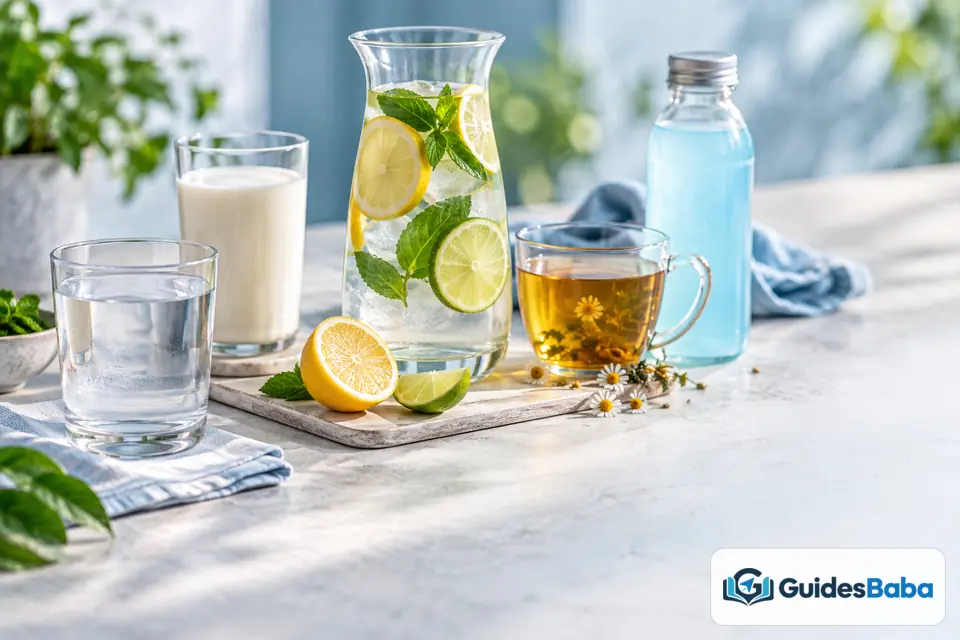
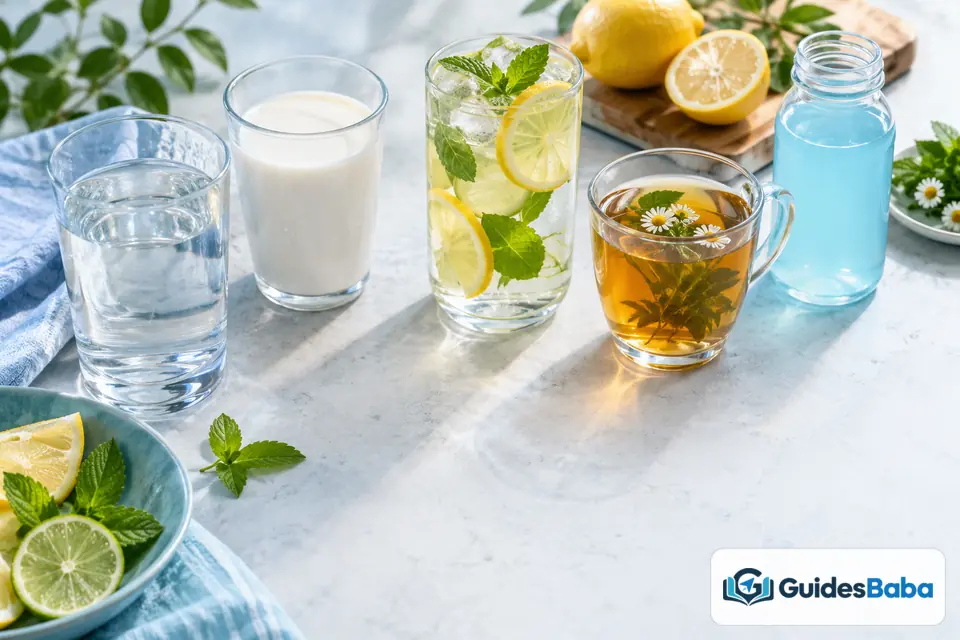
Shelves groan under bottles promising better hydration. Most of them are louder than they are useful. So what drinks are best for hydration? The winners are cheaper and plainer than you expect.
Rather than chasing pricey potions, look at the basics. Water leads the pack by a mile. A few other drinks pull their weight too. Some popular choices quietly work against you. The best options are hiding in plain sight.
Here is the honest answer. Plain water is the best all round choice. Milk, herbal tea, and diluted juice hydrate well. Tea and coffee count in sensible amounts. Sugary and alcoholic drinks help the least. This is not medical advice. See a professional.
This guide covers the best drinks in plain language. You will learn which ones truly hydrate. We compare hydrating and dehydrating options clearly. Many tips link back to simple daily habits.
So what drinks are best for hydration?
The honest answer starts with plain water. It hydrates without sugar, calories, or fuss. Your body absorbs it with ease. Nothing beats it for everyday use.
Think of drinks as a team with one captain. Water wears the armband here. Others play useful supporting roles. Together they keep you topped up.
Do you need special sports drinks daily? Not at all, and that saves you money. Most people do fine with water. Simple choices cover the vast majority. Save the fancy stuff for hard exercise. Everyday days rarely call for it.
What makes a drink hydrating
A hydrating drink delivers water your body keeps. Low sugar and low alcohol help a lot. Some salts and minerals aid absorption.
Very sugary drinks can slow things down. High alcohol pulls fluid out instead. So the best drinks stay simple. Water content is the main event.
Temperature and taste matter for habit, not science. A drink you enjoy gets finished. That alone lifts your daily intake. Pick fluids you will actually reach for. Enjoyment keeps the habit alive.
Did you know?
Milk scores high on some hydration measures. Its natural sugar, protein, and salts slow fluid loss.
Plain water as the gold standard
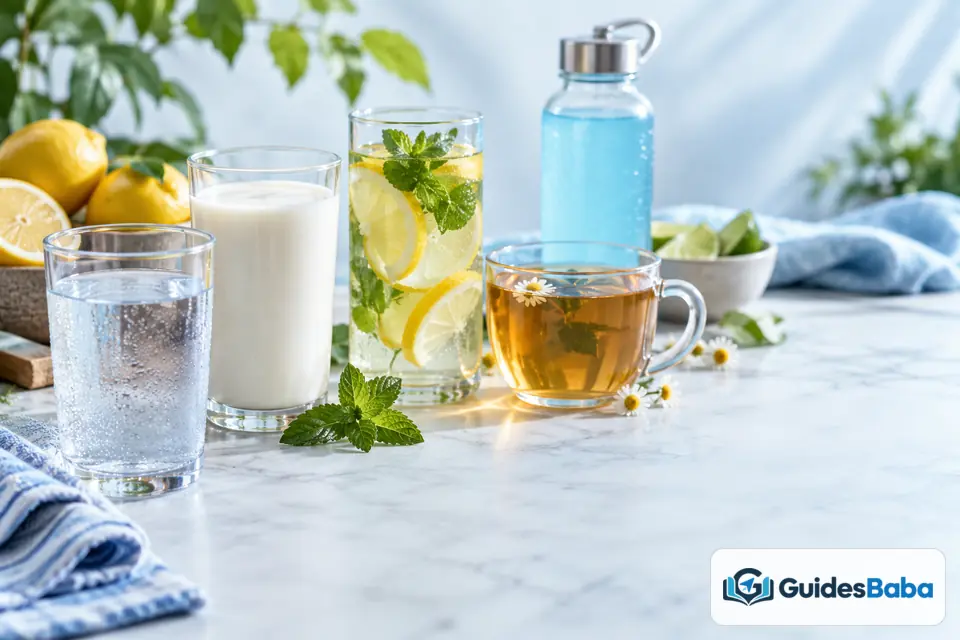
Plain water is the simplest hydrator. It carries no sugar and no calories. Your body handles it perfectly.
Tap water is cheap and widely safe. A refillable bottle makes it easy. You can sip it all day long. See our take on how much water to drink daily.
Add lemon or mint for a change. Keep a jug in the fridge. Cold water feels crisp and inviting. Small touches make plain water a treat. A jug on the table helps too.
Milk and its hydration power
Milk is a surprisingly strong hydrator. It holds water, protein, and natural salts. These slow how fast fluid leaves you.
The mix keeps you hydrated for longer. It also delivers useful nutrients. Calcium and protein come along for free. That makes milk a smart choice. It works as a filling drink.
Choose the milk that suits your diet. Dairy and fortified plant milks both work. Watch for added sugar in some versions. A plain glass does the job well. Skip the sweetened flavoured cartons.
Herbal teas and infusions
Herbal teas are mostly water. They hydrate you gently and calmly. Most carry little or no caffeine.
Peppermint, chamomile, and ginger are popular. You can drink them warm or iced. They add flavour without any sugar. That makes them an easy daily pick.
Brew a big pot and chill it. Sip herbal iced tea through the day. Skip the honey to keep it light. A gentle infusion refreshes without fuss. Keep a few blends in the cupboard.
Tea and coffee in moderation
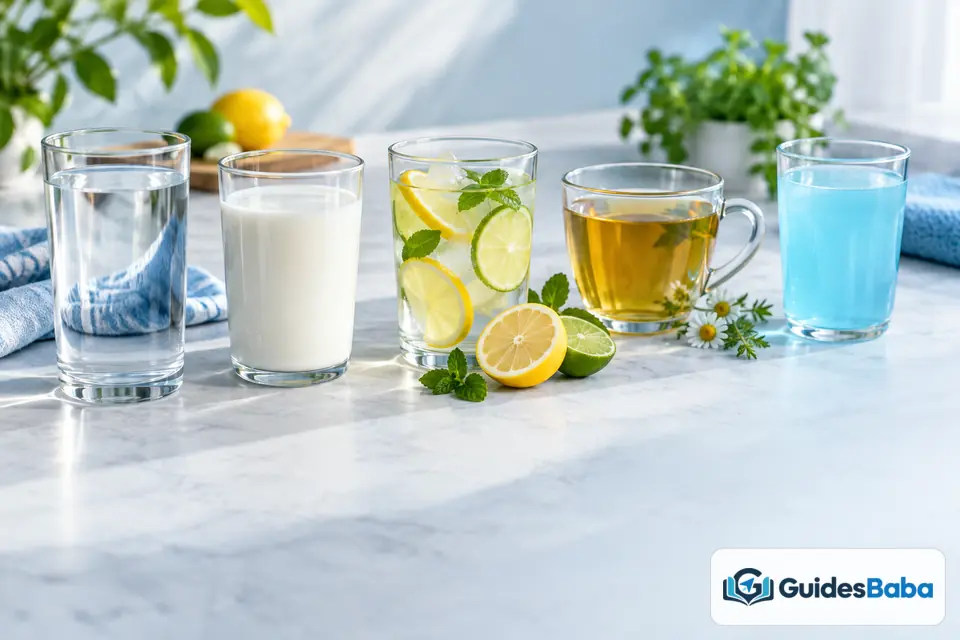
Tea and coffee still hydrate you. In normal amounts, the fluid outweighs the caffeine. Their drying effect is fairly mild.
A few cups a day are fine for most. Very large amounts may unsettle sleep. Balance is the sensible approach. Enjoy them without any guilt.
Go easy on sugar and syrups. A plain cup is the smarter choice. Learn what low fluid intake does to your body. Then keep your cup topped up. Water still leads your daily total.
Fruit and vegetable juices
Juice is mostly water and does hydrate. It also brings vitamins and natural sugar. That sugar adds up quickly though.
Whole fruit beats juice for everyday use. Juice lacks the fibre of the fruit. Small glasses are the sensible size. Dilute it with water for balance.
Blend vegetables into your juice too. That trims the sugar per glass. Treat juice as a bonus, not a staple. Water still deserves top billing. Save juice for a small treat.

Oral rehydration and sports drinks
Some drinks are built for fast rehydration. Oral rehydration solutions balance salt and sugar. They help during illness with fluid loss.
Sports drinks aim at heavy sweat sessions. They replace salts lost in long workouts. Most casual exercisers do not need them. Water covers everyday activity fine.
Use these drinks for their real purpose. Illness or long, sweaty exercise fits best. Everyday sipping does not need them. Reach for them only when needed. See which minerals your body needs daily.
Coconut water and electrolytes
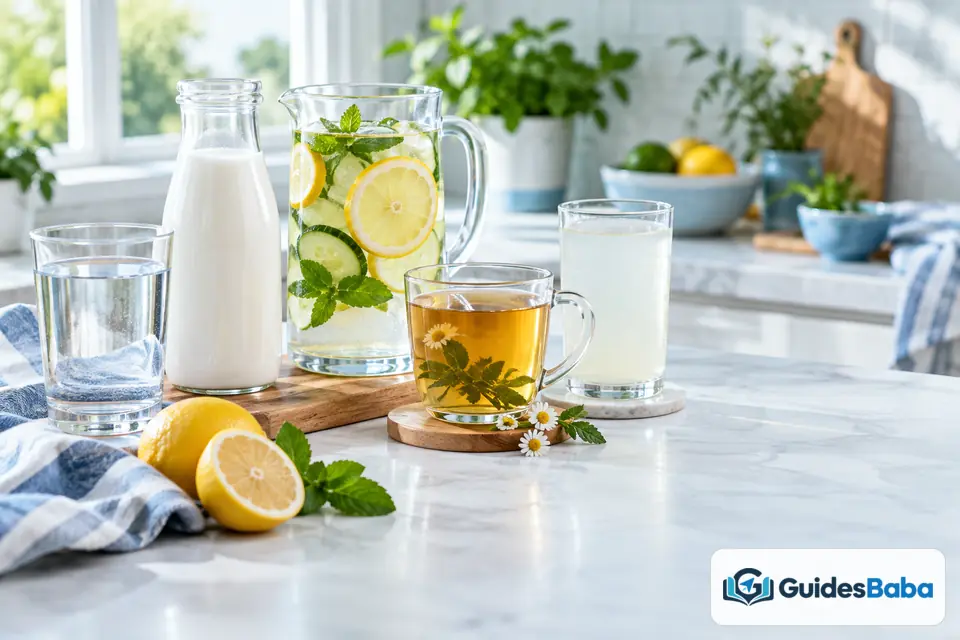
Coconut water is a popular natural choice. It carries water and some potassium. The flavour feels light and clean.
It hydrates well for a mild workout. The electrolyte content is modest, not magic. Plain versions beat sugary flavoured ones. Read the label before you buy.
Treat coconut water as a pleasant option. It is not a miracle sports drink. Water still handles most of your needs. Enjoy it for the taste. Plain water covers the rest.
Sparkling and flavoured water
Sparkling water hydrates much like still water. The bubbles do not cancel the fluid. It counts toward your daily total.
Flavoured versions can make water fun. Watch for hidden sugar in some cans. Plain or lightly flavoured picks are best. A squeeze of citrus works well.
Fizz helps some people drink more. That is a real everyday win. Swap sugary soda for plain sparkling water. Small swaps build better habits. Fizz can make water feel fun.
Smoothies and blended drinks
Smoothies mix fluid, fruit, and often dairy. They hydrate while adding real nutrients. The fibre keeps the sugar in check.
Homemade versions let you control the sugar. Add water, milk, or yogurt as a base. Blend in leafy greens for value. A balanced smoothie is a solid choice.
Shop bought smoothies can be very sweet. Read the label and watch the size. Treat a big smoothie as a snack. Keep the recipe simple at home. A short blend saves time and sugar.
Hydrating versus dehydrating drinks
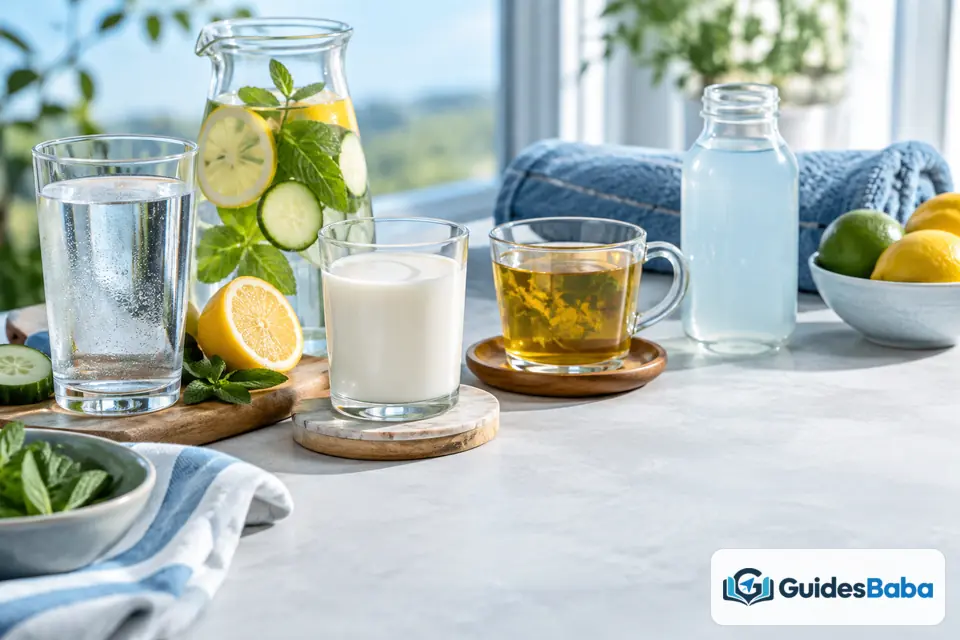
People often ask which drinks work against them. The honest comparison sorts drinks into two groups. One helps and one hinders.
| Hydrating drinks | Dehydrating drinks |
|---|---|
| Plain water and sparkling water | Strong spirits and cocktails |
| Milk and herbal tea | Very sugary energy drinks |
| Diluted juice and smoothies | Large, sweet sodas |
| Tea and coffee in moderation | Heavy alcohol in excess |
Lean on the left column most days. Enjoy the right column only rarely. Balance keeps your fluid on track. The pattern matters more than one drink. Aim for the left side most days.
Drinks to limit for hydration
Some drinks work against your hydration goals. Sugary sodas top that list. They add calories without lasting benefit.
Energy drinks pile on sugar and caffeine. Large sweet coffees do something similar. These crowd out better choices. Keep them as occasional treats.
You do not need to ban them forever. Just make water your main drink. Reach for the sweet stuff rarely. Balance beats strict rules here. Enjoy sweet drinks now and then.
Alcohol and hydration
Alcohol is the least hydrating drink around. It makes your body shed more fluid. Strong drinks have the biggest effect.
That is why heavy nights leave you parched. A dry mouth and headache often follow. Water between drinks helps a lot. Pacing yourself protects your fluid balance.
Enjoy alcohol in moderation if you drink. Match each glass with some water. Finish the night with a big glass. Your morning self will feel better. Pace yourself for a kinder day.
Foods that hydrate you too
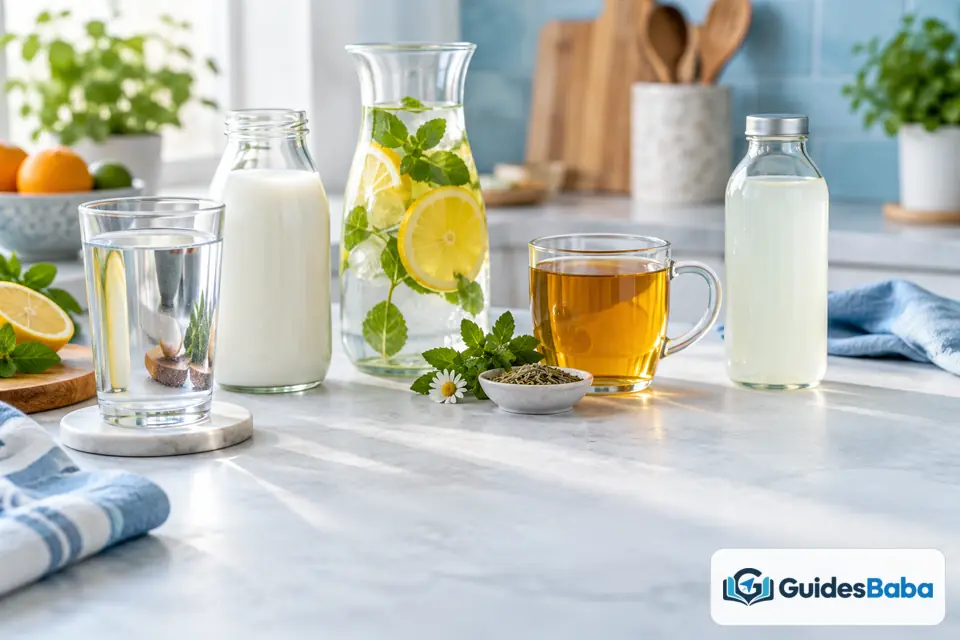
Hydration is not only about drinks. Many foods carry plenty of water. Fruit and vegetables lead the way.
Cucumber, melon, and oranges are juicy picks. Soups and broths add fluid too. Explore more foods that keep you hydrated daily. These foods top up your total.
Pair your drinks with water rich meals. Add a salad or a bowl of soup. Snack on fruit through the day. These habits lift your intake quietly. A juicy plate does gentle work.
Common myths about hydrating drinks
One myth says coffee always dehydrates you. In normal amounts, it still adds fluid. The drying effect is fairly mild.
Another myth claims you need sports drinks. Most people do fine with plain water. Save them for long, sweaty sessions.
Some think pricey waters hydrate better. Plain tap water works just as well. Fancy labels rarely add real value. Simple choices win almost every time. Skip the pricey label hype.
Common mistakes people make
One common mistake is drinking mostly soda. Sugar crowds out better fluid choices. Water gets pushed aside all day.
Another mistake is trusting energy drinks for hydration. Their sugar and caffeine work against you. Plain water is the smarter pick.
Some people also forget that food hydrates. They ignore juicy fruit and soup. A varied plate helps your fluid. Drinks and food work as a team. Both fill your fluid gap.
Who might need tailored advice
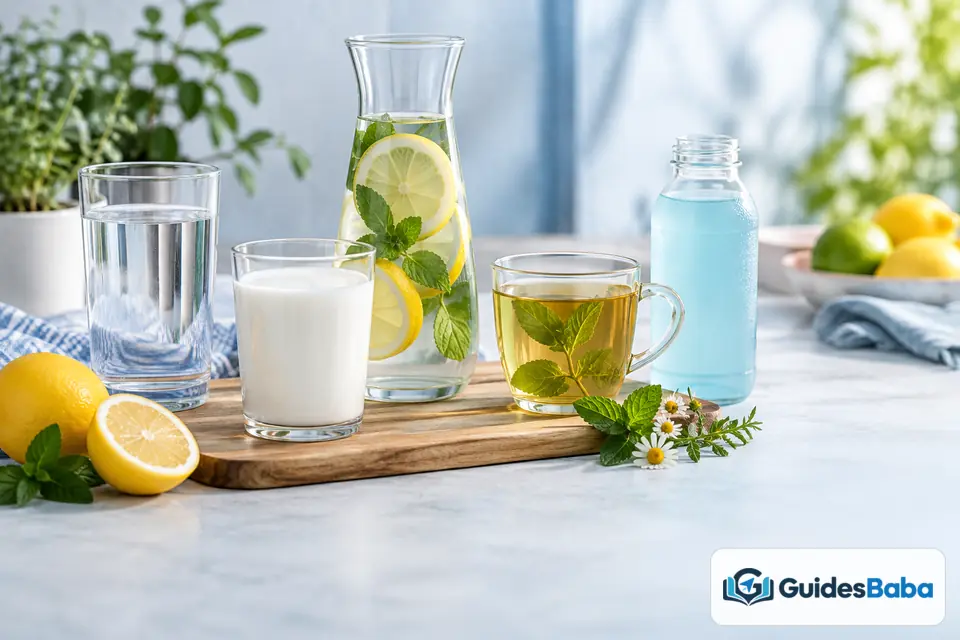
General guidance suits many healthy adults. Still, some people have special needs. Certain conditions change the picture.
Kidney issues or heart conditions can matter. Some medicines affect your fluid balance. Your doctor knows your situation best. Personal advice always beats a general rule.
This is not medical advice. See a professional for your personal needs. Use these ideas as a friendly guide. A short chat can prevent bigger problems.
Frequently asked questions
What is the best drink for hydration?
Plain water is the best all round choice. It hydrates without sugar or calories.
Does milk hydrate better than water?
Milk scores high on some measures. Its salts and protein slow fluid loss.
Do tea and coffee count toward hydration?
Yes, in normal amounts they hydrate you. Their drying effect is fairly mild.
Are sports drinks worth it?
Most people do fine with water. Save sports drinks for long, sweaty sessions.
Is juice good for hydration?
Juice hydrates but carries lots of sugar. Small, diluted glasses are the best option.
Does coconut water hydrate well?
It hydrates fine for mild activity. Its electrolyte content is modest, not magic.
Do sugary sodas hydrate you?
They add fluid but plenty of sugar. Better choices should come first.
Does alcohol dehydrate you?
Yes, alcohol makes you shed more fluid. Water between drinks helps a lot.
Can smoothies count as hydration?
Yes, smoothies hydrate and add nutrients. Watch the sugar in shop bought ones.
Is sparkling water hydrating?
Yes, it hydrates much like still water. The bubbles do not cancel the fluid.
The bottom line
So what drinks are best for hydration? Plain water leads by a clear margin. Milk, herbal tea, and diluted juice help too. Sugary and alcoholic drinks serve you least.
Make water your main drink each day. Add variety with milk and herbal tea. Keep sweet and boozy drinks occasional. The best drink is the one you finish.
For more background, read this overview of water. You can also explore oral rehydration therapy for illness. Use trusted sources to guide your habits.
This is not medical advice. See a professional for your personal needs. Pour a glass of water now. Then build an easy routine from there. Your body will thank you.