
You eat plenty of plants and feel good. Yet a quiet question lingers in your mind. What nutrients should vegetarians pay attention to? A few deserve a little extra care.
Rather than worrying about everything, focus wisely. Most nutrients come easily from a varied diet. Only a handful need a closer look. Knowing them keeps small gaps from growing. A short checklist does the job.
Here is the honest answer. Vegetarians should watch a few specific nutrients closely. These include vitamin B12, iron, and calcium. Vitamin D, omega-3, and zinc matter too. Fortified foods and smart pairing cover most gaps. A little planning keeps you well nourished.
This guide covers each key nutrient in turn. You will learn where to find them easily. We compare easy nutrients with ones to plan. This is not medical advice. See a professional.
So what nutrients should vegetarians pay attention to?
The honest answer names just a few. Vitamin B12, iron, and calcium lead the list. Vitamin D, omega-3, and zinc follow close behind.
Think of these as the squeaky wheels. Most nutrients hum along without effort. A few simply need a gentle nudge. Attention keeps the whole system smooth.
Do you need to track every meal? Not at all, as habits handle it. Eat fortified foods and varied plants. Pair certain foods for better absorption. Simple routines cover your needs well.
Why some nutrients need attention
Plant diets are rich in many nutrients. Still, some sit mainly in animal foods. Others absorb less easily from plants.
That is why a few need planning. A gap can build slowly and quietly. Knowing your essential nutrients helps you act early. Awareness is half the battle here.
The fixes are usually simple and cheap. Fortified foods and smart pairing help greatly. A supplement covers the rest when needed. You do not need anything fancy. Small steps prevent bigger problems.
Did you know?
A splash of lemon on lentils boosts iron absorption. Vitamin C helps your body take in plant iron.
Vitamin B12 and why it matters

Vitamin B12 tops the vegetarian watch list. It supports nerves and healthy blood cells. Plants rarely make it on their own.
Dairy and eggs supply some B12 naturally. Fortified cereals and plant milks help too. Many vegetarians also take a small supplement. This nutrient truly deserves your attention. A steady supply keeps you sharp.
Low B12 can build up slowly over time. Tiredness and low energy may follow. A simple test can check your level. Do not leave this one to chance. Prevention is easy and cheap.
Getting enough iron from plants
Iron carries oxygen around your body. Plants offer plenty in a different form. It just absorbs a little less easily.
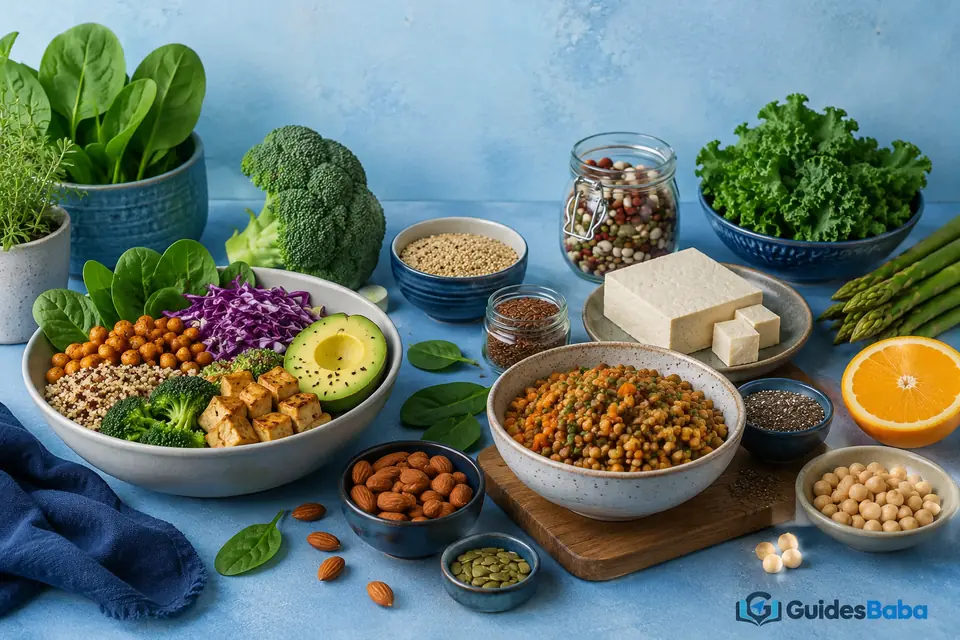
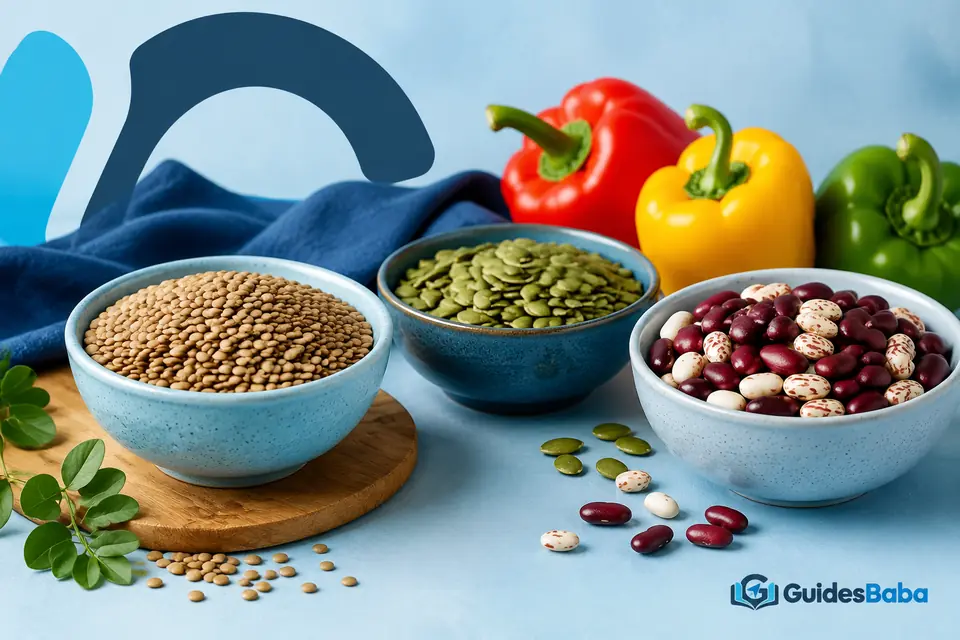
Beans, lentils, tofu, and greens all help. Pair them with vitamin C for absorption. A squeeze of lemon works wonders. Explore iron-rich foods to plan meals. Smart pairing makes a real difference.
Tea and coffee can block iron uptake. Enjoy them between meals instead. Cooking in a cast-iron pan may help. Variety keeps your iron topped up. Small habits protect your levels.
Calcium for strong bones

Calcium keeps your bones and teeth strong. Dairy is the classic source here. Yet plants can supply it too.
Fortified plant milks carry added calcium. Tofu set with calcium counts strongly. Leafy greens and almonds chip in more. Discover calcium-rich foods that suit you. A daily source keeps bones happy.
Vitamin D helps your body use calcium. The two work as a team. Aim for calcium at several meals. Fortified foods make this simple. Bones benefit from steady intake.
Vitamin D through the year
Vitamin D supports bones and immunity. Your skin makes it from sunlight. Darker months make that harder.
Fortified foods offer a helpful backup. Some mushrooms carry vitamin D too. Many people supplement through winter. This nutrient often needs a little help. A small dose fills the gap.
Sunlight needs vary with season and place. Skin tone and cover-up matter too. A professional can guide your choice. Do not guess with high doses. Sensible amounts serve you best.

Omega-3 fats without fish
Omega-3 fats support your heart and brain. Fish is the famous source here. Vegetarians reach them through plants instead.
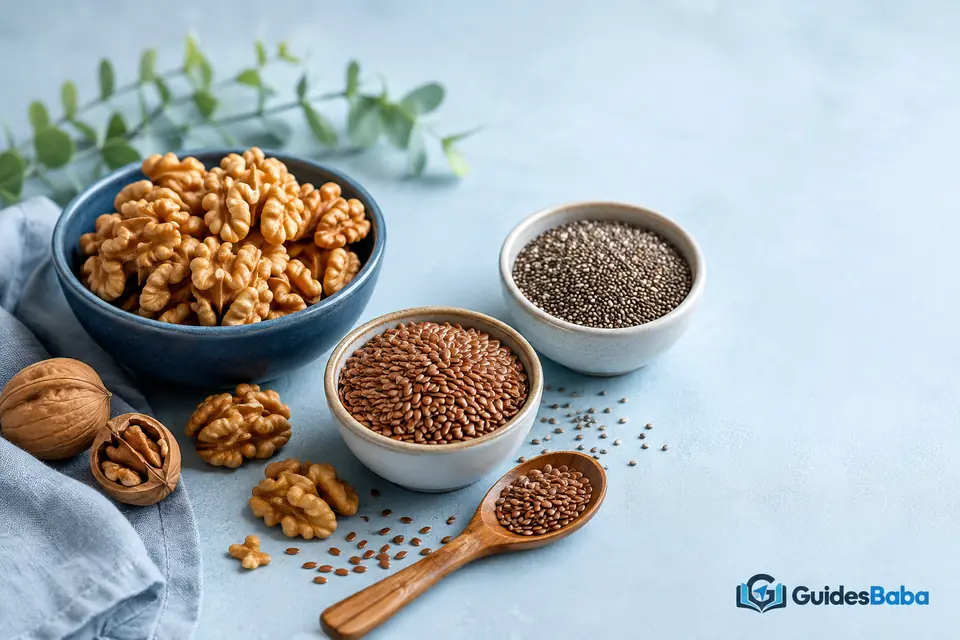
Flaxseed, chia, and walnuts carry omega-3. Ground flax mixes into porridge easily. A daily spoonful adds up nicely. Algae supplements offer another route. Plants cover this need with care.
Your body converts plant omega-3 slowly. So include these foods most days. Small, regular servings work best. Variety helps your intake stay steady. Consistency matters more than large amounts.
Zinc for immunity and repair
Zinc supports immunity and healing. It sits in many plant foods. Absorption is just a touch lower.
Beans, nuts, seeds, and whole grains help. Pumpkin seeds are a strong choice. Soaking or sprouting can aid absorption. A varied plate usually covers zinc. Everyday foods do the work.
You rarely need a zinc supplement. Focus on variety across the week. Include a few seeds each day. Whole grains add steady amounts. Balance keeps zinc topped up.
Iodine and thyroid health
Iodine supports your thyroid gland. It often comes from iodised salt. Some vegetarians overlook it entirely.
Dairy and iodised salt supply iodine. Seaweed carries it in large amounts. Use seaweed carefully, as levels vary. A modest, steady source works best. Balance protects your thyroid.
Too much iodine can cause trouble too. Aim for a sensible middle ground. A professional can guide your intake. Do not overdo seaweed servings. Moderation is the safe path.
Protein building blocks
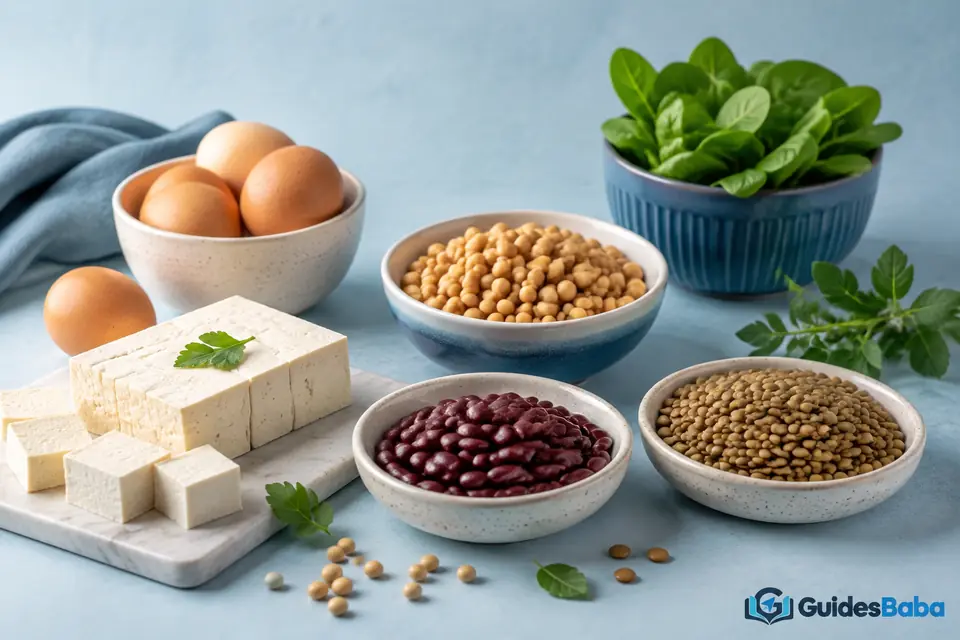
Protein rounds out this nutrient list. Plants supply plenty across many foods. Variety covers all the building blocks.
Beans, soy, dairy, and grains all help. Spread protein across each meal evenly. Different foods complete each other well. You need not combine them strictly. A mixed diet handles protein.
Most vegetarians meet protein needs easily. Focus on variety, not single foods. Add a protein source each meal. Simple habits keep you covered. Protein is rarely the real worry.
Nutrients you get easily versus plan for
People often ask which nutrients need effort. The clear split is easy nutrients versus planned ones. This helps you focus your attention.
| Nutrients you get easily | Nutrients to plan for |
|---|---|
| Fibre and vitamin C | Vitamin B12 |
| Folate and potassium | Iron and zinc |
| Magnesium and vitamin A | Calcium and vitamin D |
| Plenty of antioxidants | Omega-3 and iodine |
The left column comes almost for free. The right column rewards a little planning. Focus your effort where it counts. Balance handles the rest for you.
Fortified foods and their role
Fortified foods quietly close many gaps. Makers add nutrients back into them. This helps vegetarians a great deal.
Plant milks often carry added B12 and calcium. Some cereals add iron and vitamin D. Nutritional yeast supplies B12 in many brands. Learn your daily vitamins and where they hide. Labels reveal what each food adds.
Choose fortified versions where you can. They cost little more than plain ones. A few smart swaps add up. Read the panel before buying. Small choices build real coverage.
When supplements make sense
Supplements can help with a few nutrients. B12 is the most common example. Vitamin D suits many during winter.
Use supplements to fill genuine gaps only. More is not always better here. A professional can suggest sensible doses. Do not stack high doses blindly. Targeted use works best.
Whole foods still come first, though. Supplements support a good diet, not replace it. Keep your plate varied and colourful. Add pills only where needed. Balance stays the foundation.
Pairing foods for better absorption
How you combine foods really matters. Some pairings unlock more nutrients. A few small habits help a lot.
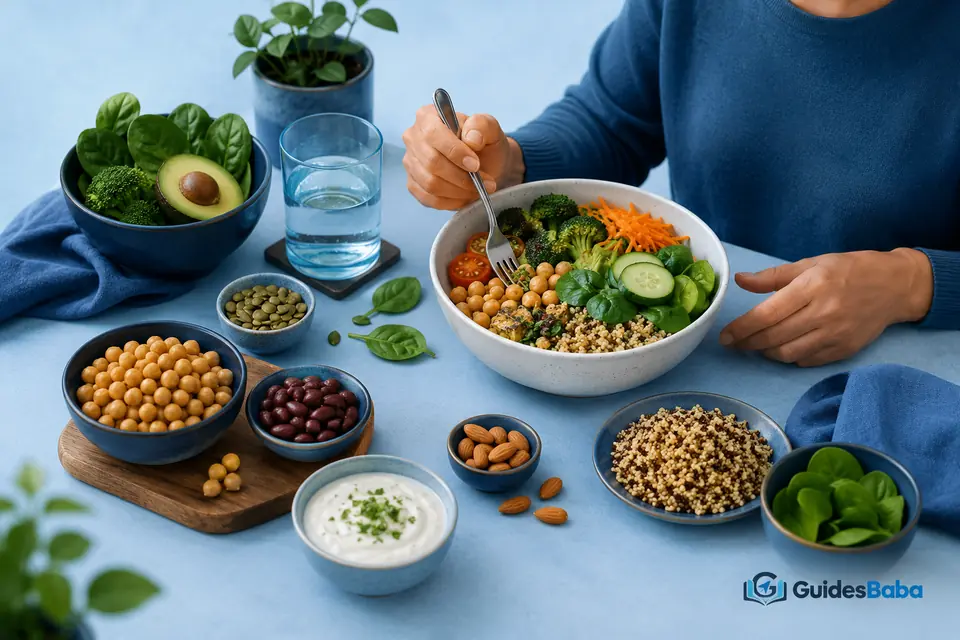
Add vitamin C to boost iron uptake. Keep tea away from iron-rich meals. Pair calcium foods across the day. Include a little fat with vegetables. Smart pairing stretches every nutrient.
These habits cost you nothing extra. They simply rearrange what you already eat. Over time they add up nicely. Absorption is half the story. Small tweaks bring big gains.
Nutrients during pregnancy and childhood
Some life stages raise nutrient needs. Pregnancy and childhood are key examples. Careful planning matters more then.
Growing bodies need extra iron and calcium. B12 and omega-3 also gain importance. A professional can guide these stages safely. Personal advice really pays off here. Do not guess with young children.
This is not medical advice. See a professional for these stages. Use these ideas as a starting point. A short chat brings real peace of mind.
Common nutrient mistakes
One common mistake is ignoring B12 entirely. Assuming plants cover it leaves a gap. Fortified foods or a supplement help.
Another mistake is drinking tea with meals. That can lower your iron uptake. Shift these drinks between meals instead. A small change protects your levels. Habits beat willpower here.
Some people over-supplement without a reason. High doses can cause their own trouble. Aim for gaps, not extremes. Test before adding big doses. Balance guides safe choices.
Who might need tailored guidance
General advice suits most healthy adults well. Still, some people need personal care. Certain conditions change the picture.
Pregnant women, children, and older adults differ. Some health conditions shift needs further. A professional understands your full situation. Personal advice beats general rules here.
This is not medical advice. See a professional for your own needs. Use these ideas as a friendly guide. A short chat can prevent problems.
Building nutrient-smart habits

A few habits cover most nutrients. Choose fortified foods where sensible. Pair foods to boost absorption daily.
Keep your plate varied and colourful. Add seeds, beans, and greens often. Check B12 and vitamin D yearly. Simple routines remove the guesswork. Consistency builds real confidence.
Above all, listen to your own body. It signals energy, mood, and hunger. These cues guide your best choices. Trust them over any strict rule.
Frequently asked questions
What nutrients should vegetarians pay attention to?
Watch vitamin B12, iron, and calcium closely. Vitamin D, omega-3, and zinc also matter.
Do vegetarians need a B12 supplement?
Many do, since plants rarely supply it. Fortified foods and dairy can also help.
How do vegetarians get enough iron?
Eat beans, lentils, tofu, and leafy greens. Pair them with vitamin C for absorption.
Can vegetarians get enough calcium?
Yes, through fortified milks, tofu, and greens. Aim for a calcium source each day.
Where do vegetarians get omega-3?
Flaxseed, chia, and walnuts supply omega-3. Algae supplements offer another useful route.
Is zinc a problem for vegetarians?
Rarely, as beans, nuts, and seeds help. A varied diet usually covers zinc.
Do vegetarians need to worry about iodine?
Some do, so use iodised salt or dairy. Keep seaweed servings modest and steady.
Are fortified foods worth choosing?
Yes, they quietly add key nutrients back. Check labels for B12, calcium, and vitamin D.
Can I get all nutrients from food alone?
Often yes, but B12 may need a supplement. Fortified foods bridge most other gaps.
Do children on vegetarian diets need extra care?
Yes, growing bodies need careful planning. A professional can guide their needs safely.
The bottom line
So what nutrients should vegetarians pay attention to? Watch vitamin B12, iron, and calcium first. Add vitamin D, omega-3, zinc, and iodine too. Fortified foods and smart pairing cover most gaps. A supplement fills the rest when needed.
Do not let this list feel heavy. Most nutrients come easily from plants. A few simple habits handle the rest. Whole foods keep your diet strong.
For more background, read this overview of vitamin B12 and its role. You can also explore how iron deficiency develops. Use trusted sources to guide your habits.
This is not medical advice. See a professional for your personal needs. Cover these nutrients in a way that feels easy. Then enjoy a varied, well-nourished vegetarian diet.